








Can a Moka Pot Produce Crema for Latte Art?
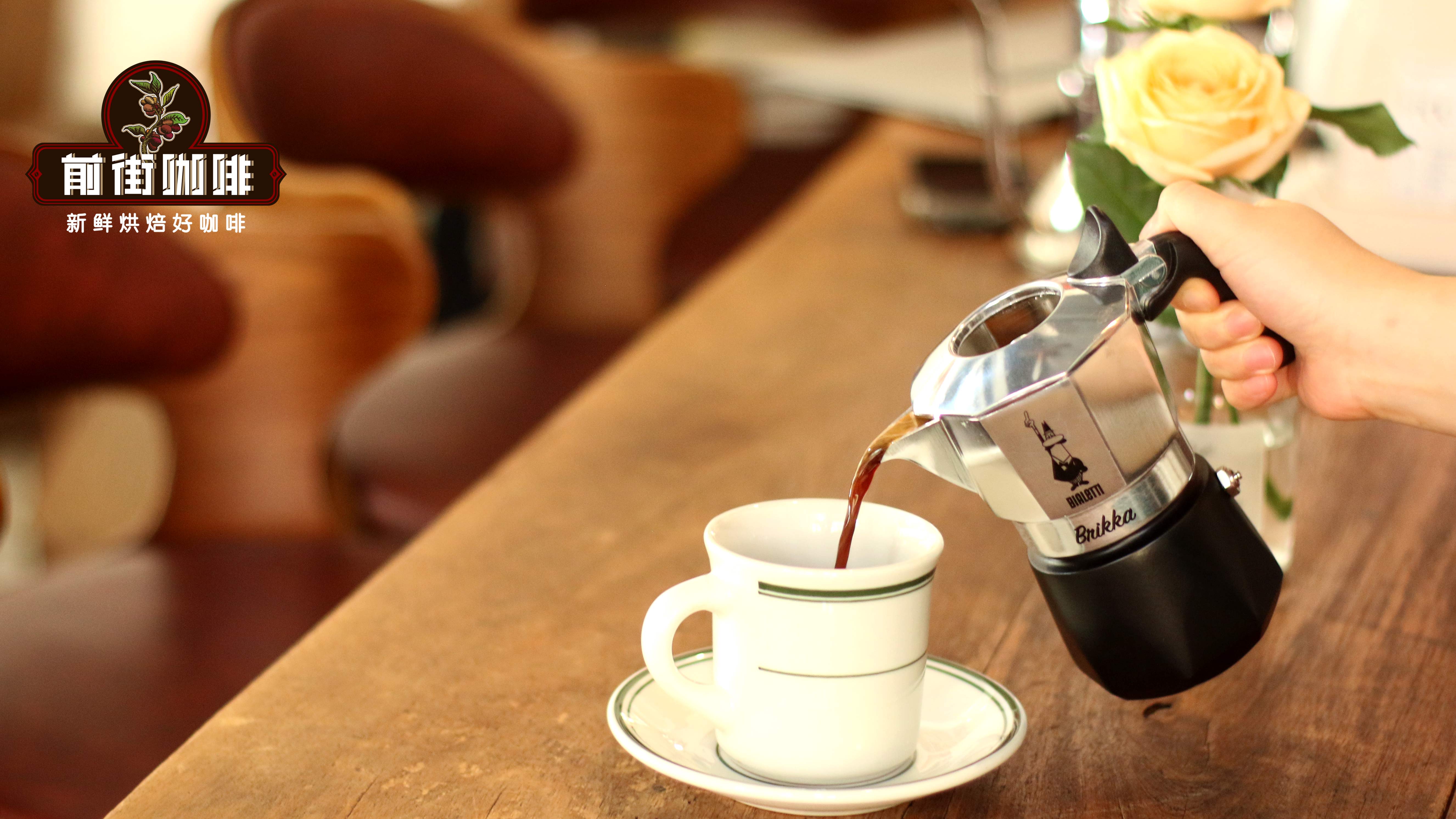
A moka pot can push out a light layer of crema, but it will not match an espresso machine. The BRIKKA's pressure valve traps steam until enough pressure builds, then releases water through the grounds at once, producing a thin brown foam that fades quickly and pours weaker latte art with less contrast.
Pressure is the limiting factor. Espresso machines run near 9 bar, while moka pots operate at much lower pressure, so the extracted coffee is less concentrated and the foam collapses sooner. Moka pots remain a practical option for a patterned milk drink at home, especially with a classic espresso blend in the basket.
Can a moka pot produce crema? Can the coffee it makes pour beautiful latte art patterns? This article starts with the unique pressure valve design of the BRIKKA moka pot, breaks down the complete steps for extracting coffee with a moka pot in detail, and compares latte art made with espresso extracted by a moka pot versus an espresso machine. Through hands-on testing, it can be seen that because a moka pot provides limited pressure, its crema richness and persistence are inferior to those of an espresso machine, and the clarity and contrast of latte art patterns are also relatively weaker. But if you just want to make a cup of milk coffee with a pattern and good taste using a moka pot, it is still an option worth trying. In this article, Front Street Coffee's classic espresso blend coffee beans are used for testing, making it suitable for coffee enthusiasts to reference.
To get more specialty coffee insights, welcome to follow: Front Street Coffee (Frontsteet Coffee)
BRIKKA is a moka pot launched by the Italian company BIALETTI, retaining the classic octagonal shape (in the past, some believed the octagonal design allowed heat to be more concentrated), and the body is made of aluminum, which is relatively soft and easy to shape (said to help preserve the coffee's original flavor). For more than thirty years, the appearance of BIALETTI's various moka pots has changed little, but lift the lid of the BRIKKA and you can see the key component that fascinates coffee enthusiasts - the "pressure valve."
This stainless steel gravity device is installed directly above the coffee outlet. Its function is to lock steam pressure inside the BRIKKA, and when the pressure accumulates to a level suitable for extraction, it lets hot water pass through the coffee grounds under pressure all at once, thereby extracting the essence from the coffee beans. With this improvement, the "pressure valve," the BRIKKA is advertised as the only moka pot in the world that can brew brown crema (the oily foam on the surface of coffee).
Front Street baristas often hear customers joke that a moka pot is a budget substitute for an espresso machine. After all, entry-level espresso machines cost thousands of yuan, while a few-hundred-yuan moka pot seems much more affordable. Many friends also want to know: can coffee brewed with a moka pot be used for latte art? What exactly is the difference in latte art performance between it and espresso made by an espresso machine? Today Front Street Coffee will conduct an actual test: comparing latte art made with moka pot coffee and espresso respectively, to help everyone resolve their doubts about latte art with a moka pot.
To clarify the differences between the two, Front Street's classic espresso blend coffee beans are used for separate extraction here. This coffee is a blend from three producing regions: Brazil, Indonesia, and Vietnam. It uses a dark roast, which can maximize the coffee's rich aroma and also makes it easy to extract rich, dense crema. Whether making an Americano diluted with water or a latte with milk, it is very suitable, and can be purchased from Front Street's Taobao store or Front Street's Tmall flagship store.
Before comparing, first make a batch of moka pot coffee liquid. The specific steps are as follows:
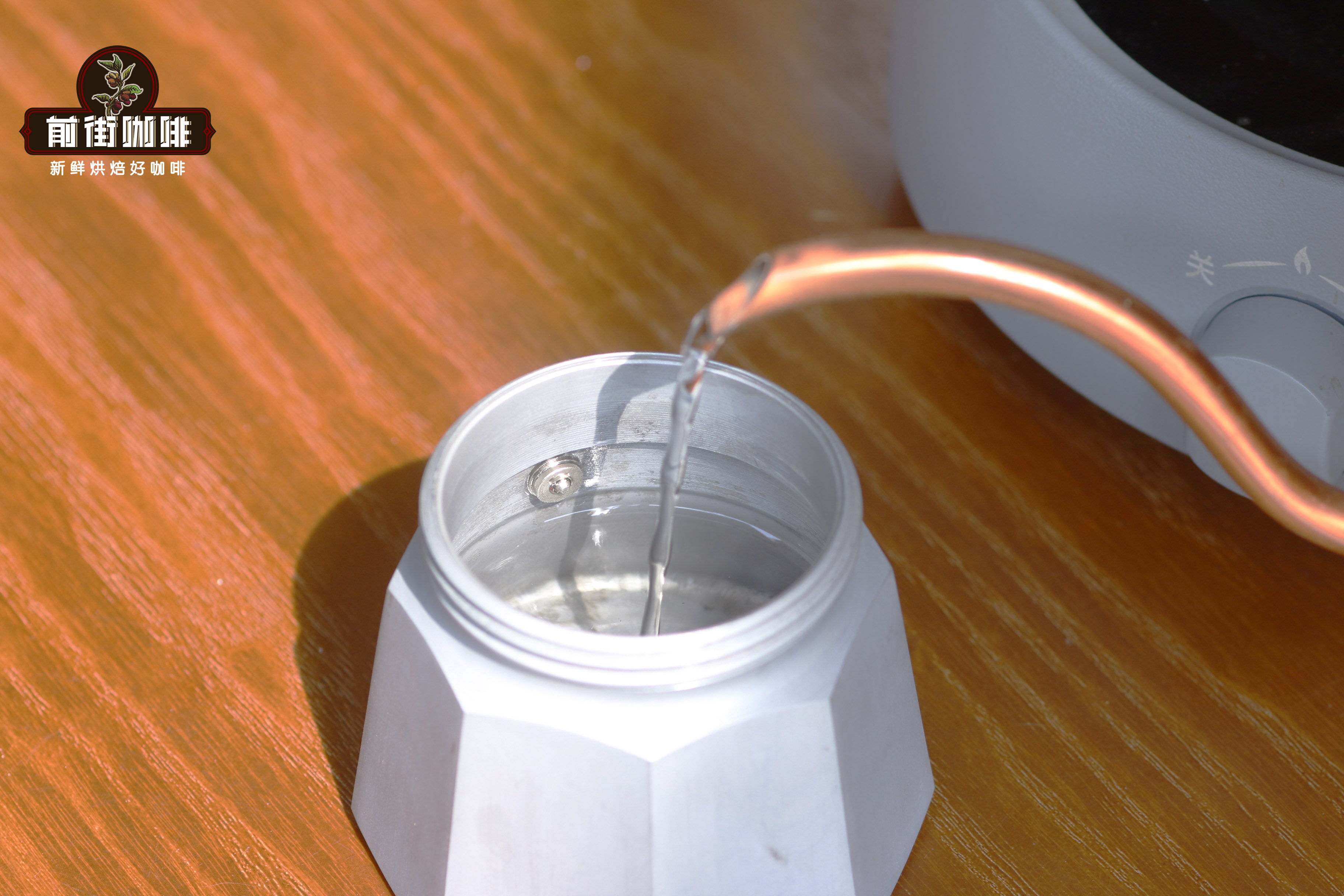
1. Fill the lower chamber with cold water, up to the valve level. Place the filter on.
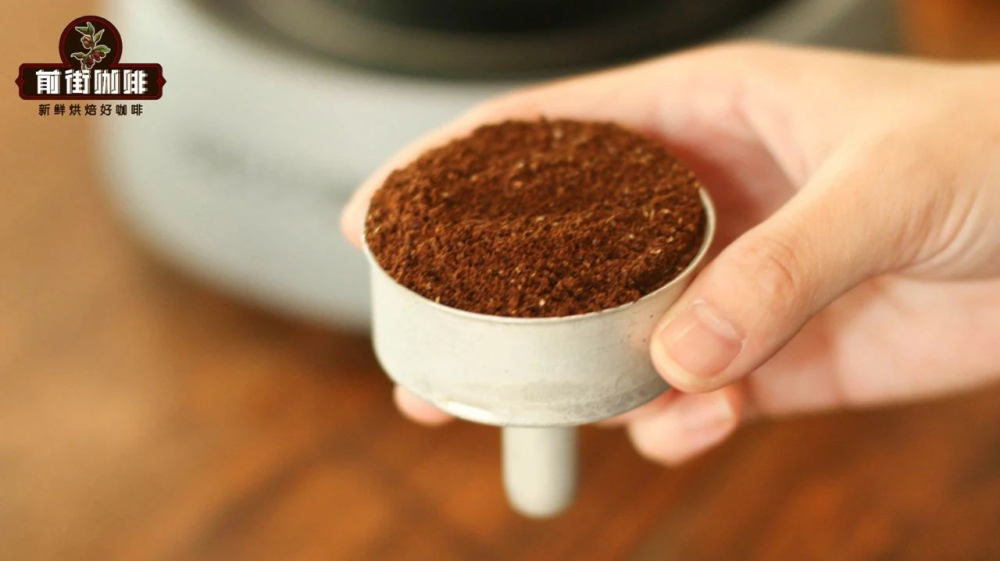
2. The grind size for a moka pot is slightly coarser than for espresso. You can refer to the size of the gaps in the filter screen of the basket to ensure the coffee particles will not leak into the lower chamber. Use your hand around the basket to form a ring, add grounds into the basket until a small mound rises slightly in the middle. After the surrounding grounds fill the gaps of the basket, directly place the upper chamber on and tighten it. If you observe carefully, you will find that the upper filter screen is slightly concave upward, so there is no need to worry at all about the basket being too full; on the contrary, filling the grounds this way just leaves no gaps in the basket, reducing the chance of channeling.
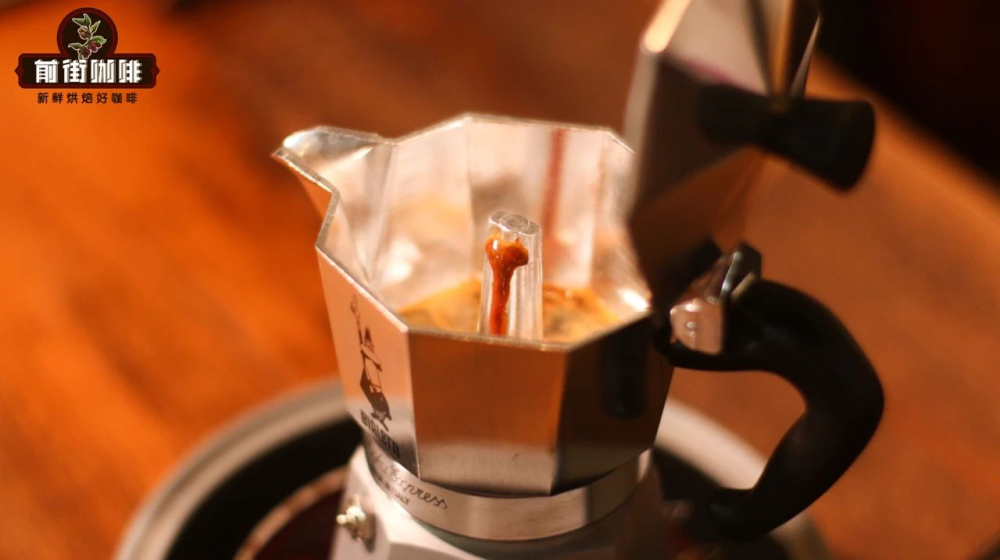
3. Place the basket into the lower chamber, tighten the upper and lower parts of the moka pot, put it on an electric ceramic stove over high heat, and confirm to use low heat;
4. When the moka pot heats up to a certain extent and emits an obvious whirring and puffing sound, turn the electric ceramic stove to low heat and open the lid of the upper chamber.
5. When half of the coffee liquid has flowed into the upper chamber, turn off the electric ceramic stove. The residual heat and remaining pressure of the moka pot will continue to push the rest of the coffee liquid into the upper chamber.

6. After all the coffee liquid has been extracted into the upper chamber, it can be poured into a cup and tasted. Coffee extracted from a moka pot is very rich, and can even produce Crema. It can also be mixed with an appropriate amount of water or milk for a better flavor. The process is just that simple, but it still requires more practice. Front Street believes that although a moka pot is not difficult to use, to extract a relatively perfect cup of coffee, you still need repeated practice and careful control of grind size and various small details.
The two cups of latte art are made using equal amounts of milk foam and similar latte art techniques.
Step 1: Brew one serving of coffee with a moka pot; extract one serving of espresso with an espresso machine
Step 2: Use the steam wand of the espresso machine to froth two portions of milk
Step 3: Pour latte art separately for each cup
Comparing the latte art patterns of the two cups, it can be seen that the latte art color of the moka pot coffee is noticeably lighter, the edges of the pattern lines are not clear enough, and the contrast is not strong; while the espresso pattern is much clearer, and the color contrast is also stronger.
The reason is that the coffee liquid brewed by the moka pot is not rich in crema (after pouring from the moka pot, the crema dissipates within about ten seconds); while a layer of thick crema still remains on the surface of the espresso liquid. During latte art, thick crema increases the viscosity of the coffee. The higher the viscosity, the greater the fluidity, making latte art easier and the lines of the pattern clearer.
The espresso liquid extracted by an espresso machine is made by using hot water at about 90 degrees and a pressure of about 9 to 12 atmospheres (bar) to pass through a compacted puck of coffee grounds, while a moka pot can only provide about 1 to 2 bar of pressure. When using the same coffee beans, coffee extracted under higher pressure is more aromatic and richer, and the crema is also richer and finer. With richer crema, the surface of the coffee liquid is more stable, making latte art naturally easier and the pattern clearer and more attractive.
From the experimental comparison, although coffee brewed with a moka pot is not as outstanding as espresso extracted by an espresso machine in terms of latte art effect and flavor performance, if you are only pursuing latte art that can produce a pattern and a cup of milk coffee that also tastes pretty good, making coffee with a moka pot can still be considered a good choice, right?
The above content is compiled by CoffeeHunters, a coffee news website.


