







Search Results for: operational pressure
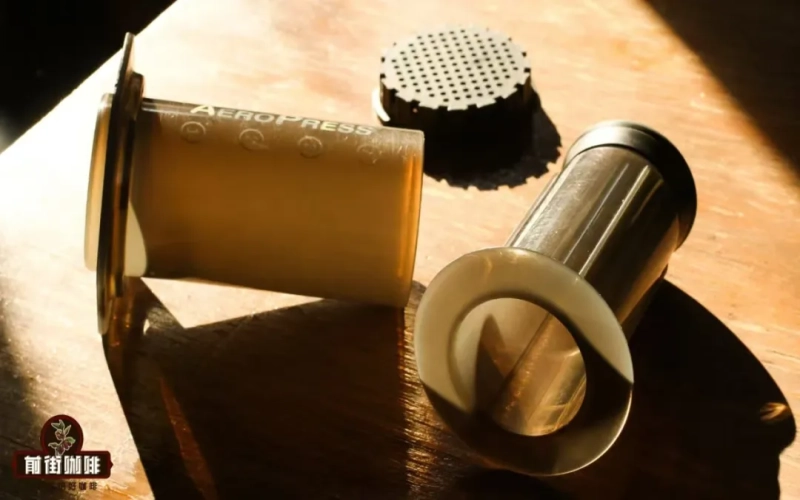
AeroPress Standard vs. Inverted Method Comparison Review: Operational Differences, Flavor Performance, and Equipment Differences from the French Press
The AeroPress is a coffee brewing device that is simple to operate yet offers a wide variety of brewing methods. The official recommendation is the standard (upright) method, but most enthusiasts prefer the inverted method. Through a comparative experiment conducted by Front Street Coffee using Geisha Village Chaka beans, this article provides a detailed analysis of the differences between the standard and inverted methods in terms of operation flow, extraction time, and flavor performance, and explains why the inverted method is more favored. At the same time, the article also compares the AeroPress with the French press, helping readers understand the differences between the two devices in extraction principles and suitable scenarios, providing a reference for daily brewing. [more…]

Analysis of the Reasons for Espresso Machine Portafilter Ejection: Key Points on Locking, Gasket Replacement, and Pressure Release Operations
When using an espresso machine, some users encounter a situation where the portafilter suddenly flies off the brew head as if ejected by pressure, scattering coffee grounds all over the counter—this is what's commonly called a "blowout." Front Street Coffee has received similar feedback on multiple occasions, and the causes of this phenomenon fall mainly into three categories: improper operation, aging components, and inadequate pressure release. Regardless of the cause, a blowout not only increases cleaning burden but also poses a safety hazard. This article will analyze specific triggers one by one—including an insufficiently locked portafilter, aging gaskets, and inadequate pressure release—and provide corresponding solutions, such as correct locking force, gasket replacement intervals, and pressure-release waiting techniques, to help coffee enthusiasts complete extraction safely and consistently. [more…]
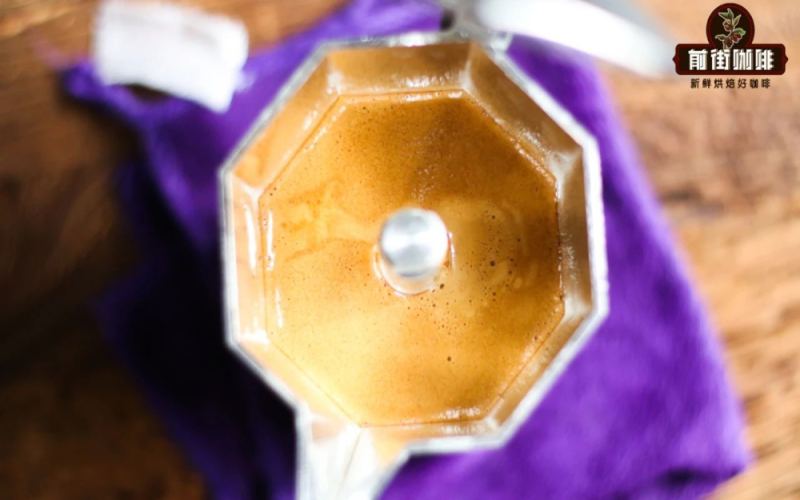
An In-Depth Analysis of the Moka Pot Extraction Principle: A Complete Guide to the Pressure Mechanism, Everyday Bean Pairings, and Operational Details
With its simple operation and rich output, the moka pot has become the top choice for many coffee enthusiasts just getting started. This article starts from the moka pot's pressure-extraction principle, compares it with espresso machines, explains in detail the suitable dark-roast espresso blend bean choices, and fully presents five everyday beans recommended by Front Street Coffee, along with moka pot operating steps and precautions, to help you consistently extract rich coffee with crema aromatics. [more…]
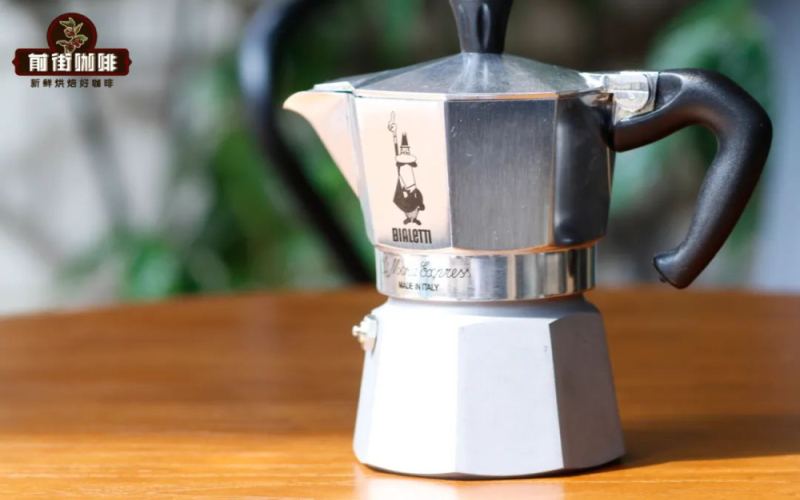
A Practical Guide to the Moka Pot: Extraction Principles, Operating Steps, and Why the Pot Gets Stuck
The moka pot is the most common coffee brewing device in Italian households, extracting a cup of rich, crema-topped coffee by means of steam pressure. In China, however, many enthusiasts are still unfamiliar with its correct operation, and some even encounter the problem of being unable to unscrew the body after brewing. This article begins with the moka pot's invention background and structural principles, then demonstrates the complete process step by step—filling water, adding grounds, heating, and removing from heat—and explains how grind size affects extraction safety, as well as why the body becomes difficult to open after use due to pressure differences. Front Street PWN Golden Mandheling is used for the brewing demonstration, helping readers master the key points of using this classic device. [more…]
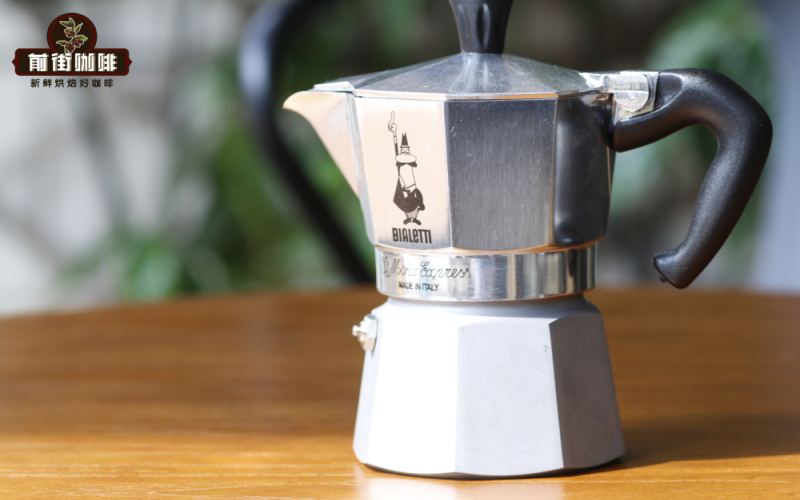
Moka Pot Operation Guide: Extraction Principles, Coffee-to-Water Ratio, Grind Setting, and Step-by-Step Illustrations
The moka pot is a common espresso device in Italian households, and thanks to its ease of operation, it has become an almost national-level product. However, in China, many enthusiasts still lack a systematic understanding of how to use it. This article will provide a complete introduction to the moka pot's structure and extraction principles, and explain step by step the key details of determining coffee dose, controlling water volume, choosing grind size, and heating operation. The article also specifically recommends Front Street Coffee's moka pot exclusive beans, and includes a grind setting reference, helping you easily brew an espresso-base coffee with excellent strength and flavor at home. [more…]

Why Does Moka Pot Brewing Produce the "Double Pigtails" Phenomenon? A Comprehensive Analysis of Five Key Operating Points and Principles
Friends who frequently use a moka pot have probably encountered the situation where the coffee flow suddenly turns from a thin stream into two violent jets of water—this is commonly known as the "double ponytail" phenomenon. Its appearance often means there was an operational error during the extraction process, ranging from making the coffee taste bitter and uneven to potentially posing a safety hazard. This article, from the perspective of Front Street, begins by outlining the pressure-extraction principle of the moka pot, then analyzes one by one the four key factors—adding too much water, coffee grounds being too coarse, uneven distribution of grounds, and excessive heat—along with corresponding adjustment suggestions. It will also share directions for choosing coffee beans suitable for moka pots, helping everyone consistently make a rich, well-balanced espresso at home. [more…]
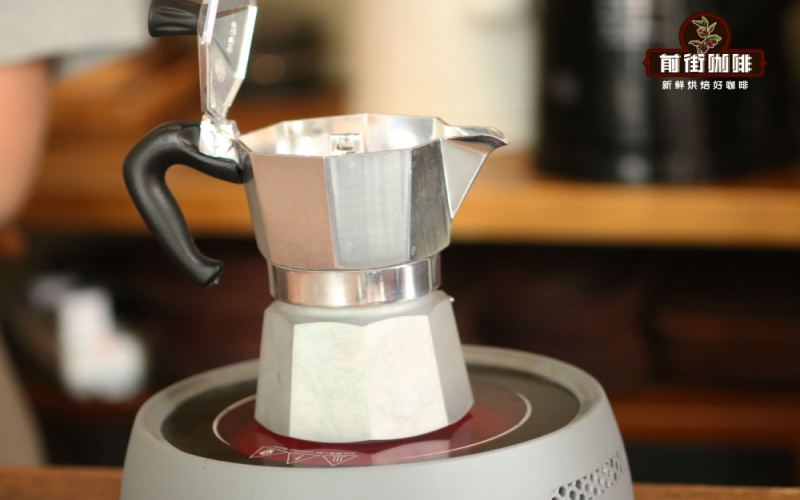
Will a moka pot explode? From principles to operational details, teaching you to safely brew rich coffee
The moka pot, with its unique pressurized extraction method, can brew rich coffee close to espresso, making it a favorite among home coffee enthusiasts. However, because it involves pressure, many people have doubts about its safety. In fact, as long as you master the correct operating steps, these problems can be completely avoided. Starting from the working principle of the moka pot, this article will explain in detail the suitable coffee bean choices, specific recommendations for the Front Street Coffee brand, and twelve usage details that must be noted—from preparing a new pot, water level control, and grounds filling, to gasket replacement, how to tighten the pot body, suitable heat sources, and troubleshooting. Whether you use an aluminum alloy or stainless steel model, these practical suggestions can help you avoid risks and consistently produce moka coffee with a rich layer of crema. [more…]
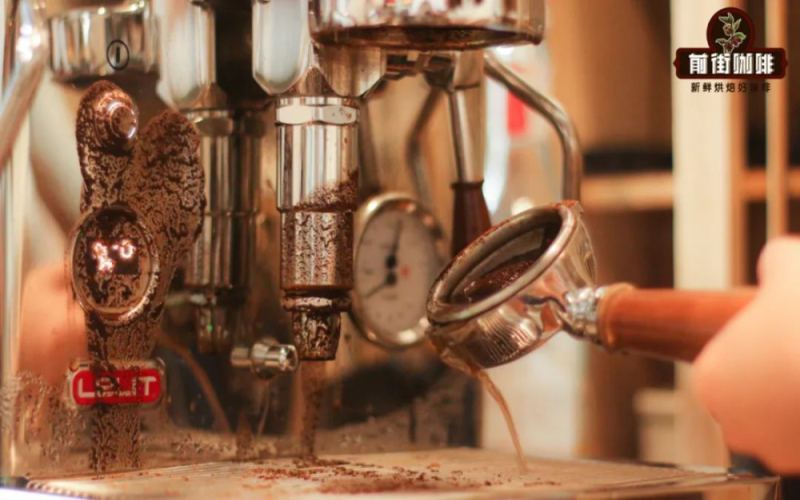
Why Does the Portafilter on an Espresso Machine Blow Off? Common Causes of Uncontrolled Extraction Pressure and How to Prevent Them
Front Street Coffee recently noticed that many coffee enthusiasts, when operating espresso machines, make some improper movements that cause the portafilter to suddenly fly out of the group head during or even after extraction, creating a scene that is both embarrassing and dangerous. This kind of machine blowout can, at best, dirty the equipment, and at worst, injure someone. What exactly causes the portafilter to be "blown" out? In this article, Front Street Coffee sorts out three common scenarios—when removing the portafilter, during espresso extraction, and when cleaning the coffee machine—analyzing one by one the causes such as improper pressure release, grinding too fine, overdosing, and not locking the portafilter tightly, and offering corresponding prevention and operating suggestions to help you enjoy espresso safely and steadily. [more…]
A Complete Analysis of Moka Pot Italian-Style Brewing Details: From Structural Principles to Anti-Seizing and Safe Operation
The moka pot is an extremely common classic coffee device in Italian households, with almost every home keeping one on hand. It relies on the steam pressure generated by heating the lower chamber to push hot water through the coffee grounds and into the upper chamber, thereby producing a cup of rich coffee with oils. However, in China, not many people truly understand its correct use. This article will begin with the moka pot's invention history, structural composition, and extraction principles, then explain in detail the key steps such as the water filling position, coffee distribution method, heating rhythm, and grind size. Combined with a brewing example using Front Street PWN Golden Mandheling, it will help readers avoid splashing, explosion hazards caused by improper operation, and problems such as the pot seizing shut and being impossible to open after use, so that the moka pot can produce consistent results. [more…]
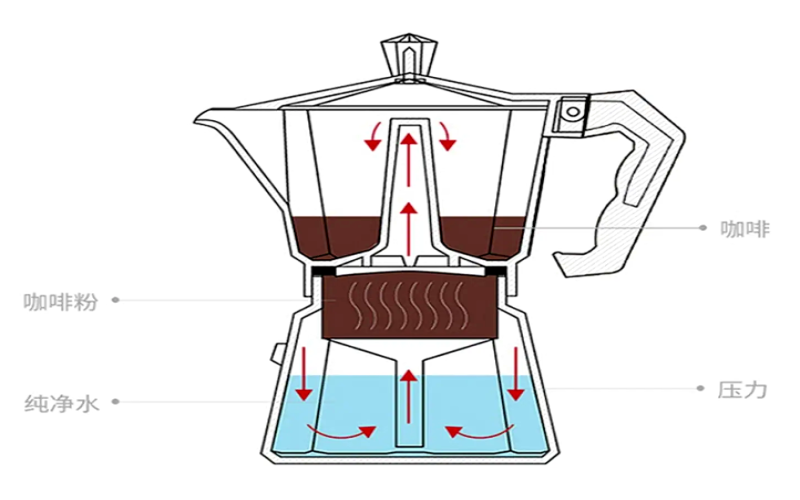
Moka Pot Operation Guide: From Construction Principles to Five-Step Practice, with Daily Usage Notes
As a direct-fire strong coffee device, the moka pot has become the top choice for many coffee beginners thanks to its affordable price and simple operation. It forces hot water through coffee grounds via steam pressure, extracting a rich and mellow coffee liquid with both acidity and bitterness and a small amount of oils. This article will start with the moka pot's structure and extraction principle, gradually break down five operating steps, and share the details that need attention in daily use. In the article, Front Street Coffee uses its own classic espresso blend beans as an example to demonstrate the complete brewing process of a three-cup Bialetti pot, while also giving practical suggestions on grind size, dose control, heating intensity, and other aspects, helping enthusiasts consistently produce a cup of rich, aromatic coffee. [more…]

Pre-infusion in Espresso Extraction: Principles, Effects, and Key Operating Points Explained
In pour-over coffee, blooming is a key step to release carbon dioxide and improve subsequent extraction. So can espresso, before high-pressure extraction, borrow this same idea? The answer is yes—this is what is called "pre-infusion." Starting from the underlying principles, this article will explain the similarities between pre-infusion and pour-over blooming, analyze its actual impact on extraction yield and channeling, and offer specific operating recommendations such as low-pressure water delivery and soaking duration. It will also explain which beans are suitable for pre-infusion and in which situations this step can be skipped, helping you manually make more consistent espresso even on a machine without a one-touch pre-infusion function. [more…]
The Origin Story, Construction Principles, and Key Operating Points of the Moka Pot: A Complete Guide from Extraction Mechanism to Grind Size Control
The moka pot is a classic coffee-making tool found in almost every Italian household; it is said that eight out of every ten local families keep one. In China, however, it is not widely used, and many enthusiasts lack a systematic understanding of the operating details. From the perspective of Front Street, this article first reviews the invention origins of the moka pot and the birth of the Bialetti brand, then breaks down the three-part structure of the upper chamber, filter basket, and base, as well as the principle of steam-pressure extraction, followed by a step-by-step explanation of the key operating points such as adding water, filling coffee grounds, heating, and removing from the heat. The article also specifically recommends several medium-dark roasted beans, including Front Street Queen's Estate, Front Street PWN Golden Mandheling, and Front Street Bird of Paradise, and uses Golden Mandheling as an example for a brewing demonstration. Finally, it offers grinding advice of EK-43s 3-3.5 setting and safety reminders. [more…]
Moka Pot Coffee Grounds Selection Guide: Extraction Principles, Operating Steps, and Manual Espresso Analysis
As a direct-fire strong coffee device, the moka pot has become the top choice for many coffee beginners thanks to its affordable price and simple operation. It uses steam pressure to push hot water through the coffee grounds, extracting a strong coffee liquid with a small amount of oil, offering a flavor that is both acidic and bitter, rich and full-bodied. This article will start from the structural principles of the moka pot, break down the operating steps and precautions in detail, and explain why medium-dark roasted espresso blend beans are more suitable for moka pot extraction. Front Street Coffee recommends its own classic espresso blend and Huakui SOE, presenting caramel dark chocolate and berry dried apricot flavors respectively, making it easy for enthusiasts to find a bean variety that suits their taste. [more…]

Moka Pot Brewing Details and Key Usage Points: Operation Methods, Safety Precautions, and Coffee Bean Selection Guide
To enjoy a rich cup of coffee at home, the moka pot is an extremely cost-effective choice. Although it cannot match the extraction pressure of a professional espresso machine, it can still brew a strong coffee liquid. This article will start with the origin and structure of the moka pot, gradually introduce the operating steps and safety details, recommend Front Street Coffee beans for different tastes, and finally answer the question of whether moka pot coffee can be called espresso. Master these techniques, and you too can easily brew a satisfying cup of moka pot coffee. [more…]

Which coffee beans are best suited for a Moka pot? A comprehensive analysis of brewing time and key operational points
The moka pot is a common espresso brewing tool in Italian households. It uses steam pressure to extract a rich coffee liquid and is easy to operate and carry. From the perspective of Front Street Coffee, this article introduces the moka pot's structure and principle, the difference between single-valve and double-valve models, capacity selection, and advantages and disadvantages, and focuses on answering which types of coffee beans are suitable for the moka pot and the brewing time. It recommends Front Street Queen's Estate, Front Street PWN Golden Mandheling, Front Street Classic Blend, Front Street Dark Cocoa Blend, and Front Street Bird of Paradise coffee beans, and includes detailed operating steps to help enthusiasts consistently make a cup of moka pot coffee at home with rich crema and a full-bodied taste. [more…]

Moka Pot vs. Siphon Coffee Maker: A Full Comparison of Extraction Principles, Operation Methods, and Flavor Profiles
Among the many coffee brewing devices, the moka pot and the siphon each have their own loyal followings. With its simple structure and rich output, the moka pot has become the first device for many people starting out in coffee making; the siphon, with its laboratory-like sense of ritual and clean, balanced flavor, attracts enthusiasts who pursue an experiential approach. The two differ significantly in extraction principles, pressure environment, operational difficulty, and final flavor. Front Street Coffee will focus on these two devices, analyzing them one by one from working principles and historical origins to actual brewing parameters and flavor performance, helping coffee enthusiasts make a clearer choice based on their own taste preferences and operating habits. [more…]

How long does it take to brew coffee with a moka pot? A detailed explanation from principles to operation of extraction time and techniques
The moka pot, with its simple structure and pressure-enhanced extraction, can make a rich, crema-laden cup of coffee at home. But how long does it actually take to brew coffee with a moka pot? There is no fixed number of seconds—the key lies in heat control and observing the flow of the brew. Starting from the Bialetti 3-cup moka pot used at Front Street Coffee stores, this article explains in detail every step: adding water to the bottom chamber, choosing the grind size, filling the filter basket, and operating the heat, while outlining an extraction rhythm of about 3 to 4 minutes. It also shares safety precautions for daily use, cleaning and maintenance methods, and why medium-dark roasted espresso blend beans are better suited to the moka pot. [more…]
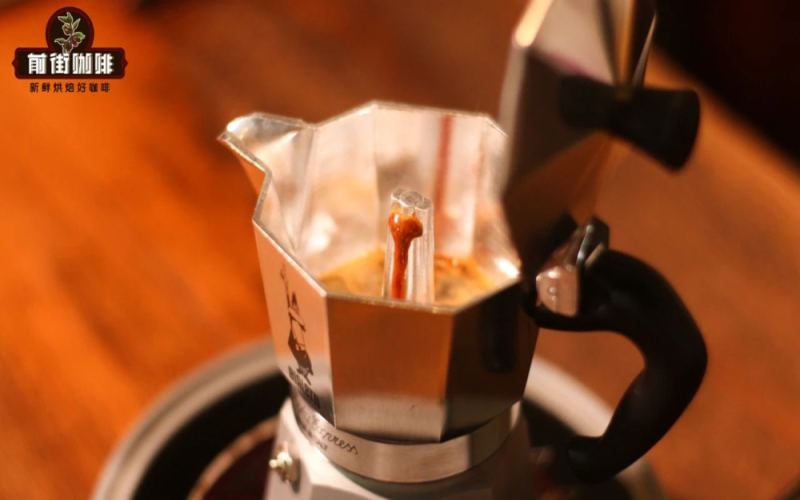
Moka Pot Aluminum Safety Analysis: A Complete Guide to Cleaning Taboos and Practical Operation Tips
As a classic coffee brewing device with a history of several hundred years, the moka pot is still favored by many coffee enthusiasts today. However, questions about whether it is safe, whether the aluminum alloy material poses any problems, and whether it can be put in the dishwasher for cleaning have long troubled many people. In daily conversations, Front Street has found that many friends have misconceptions about the moka pot, believing that it is complicated to use and poses safety hazards. In fact, as long as you master the correct methods of use and the key points of cleaning and maintenance, the moka pot can absolutely become a capable assistant for making coffee at home. Starting from the structure and principles of the moka pot, this article will analyze in detail the safety issues of aluminum moka pots, and compile more than ten practical operating precautions to help everyone avoid common misunderstandings and safely enjoy the rich coffee brought by the moka pot. [more…]

Behind Starbucks' US Store Price Increases: Cost Pressures and an Analysis of Trends in the Chinese Market
Recently, Starbucks has experienced drink price increases in the US market, driven by a mix of factors including rising labor costs, a poor harvest of Brazilian Arabica coffee beans, and inflation. Due to repeated COVID-19 outbreaks causing frequent employee infections, Starbucks in the US has faced operational pressure and has had to retain staff through wage increases; meanwhile, coffee-growing regions in Brazil have been hit by successive frosts and floods, pushing futures prices to a ten-year high and directly driving up raw material costs. Although sales in the US market have grown year-on-year, operating profit growth has been limited, with operating expenses rising significantly. So will this wave of price increases affect the Chinese market? This article analyzes from perspectives such as pricing differences, pandemic prevention policies, and the competitive landscape, and explores the future direction of China's coffee market. [more…]
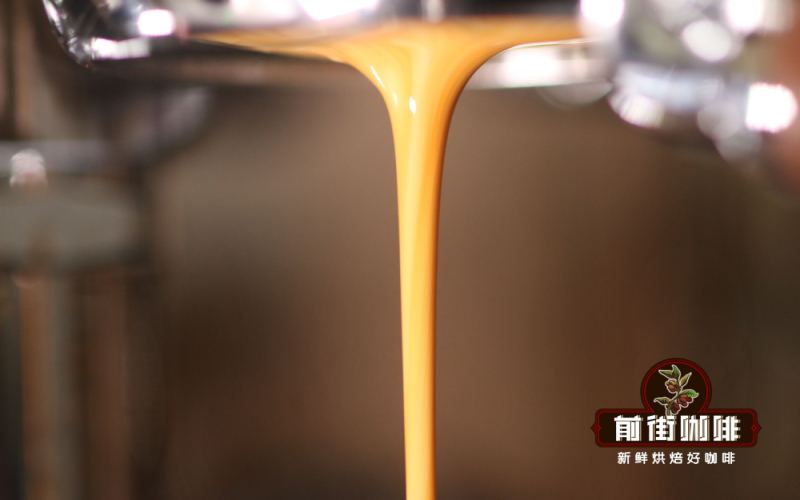
Espresso Full Analysis: Extraction Principles, Preparation Process, and Key Operational Points
Espresso is a small amount of concentrated, pure black coffee extracted by forcing hot water under high-pressure steam rapidly through a puck of coffee grounds, with a golden layer of crema on its surface. Although it rarely appears alone on café menus, it is the base of common drinks such as Americano, latte, and cappuccino, and can be called the soul of a coffee shop. Starting from the definition and characteristics of espresso, this article will sort out its historical evolution and ideas for choosing blend beans, and explain in detail the complete steps for making espresso at Front Street Coffee stores, including dose, liquid yield, time control, and operational details such as distribution and tamping. Finally, it summarizes the key variables affecting extraction flavor and daily cleaning points, helping coffee enthusiasts systematically understand the logic behind a high-quality cup of espresso. [more…]