








How do you prevent a portafilter blowout on a coffee machine?
A portafilter blowout happens when the basket flies off the brew head during extraction, spraying grounds across the counter. Three causes account for most cases: the portafilter was not locked tightly, the group gasket has aged and hardened, or pressure was not fully released before removing the handle. Each one is fixable with a small change in routine.
Lock the handle firmly until it seats, resisting the urge to stop at the first bit of resistance. Replace worn gaskets on a regular cycle, since hardened rubber no longer grips the basket. After pulling a shot, wait for the pressure to drop before unlocking. Following these steps on most coffee machines keeps extraction steady and avoids a messy, potentially unsafe cleanup.
When using an espresso machine, some users encounter a situation where the portafilter suddenly flies off the brew head as if ejected by pressure, scattering coffee grounds all over the countertop—this is what's commonly called a "blowout." Front Street Coffee has received similar feedback many times, and the causes of this phenomenon fall mainly into three categories: improper human operation, aging parts, and insufficient pressure release. Regardless of the cause, a blowout not only increases cleaning burden but also poses safety hazards. This article will analyze specific triggers such as the portafilter not being locked tightly, aging gaskets, and insufficient pressure release, and provide corresponding solutions, including correct locking force, gasket replacement cycles, and pressure release waiting techniques, to help coffee enthusiasts complete extraction safely and steadily.

Recently, many friends have reported to Front Street Coffee that they occasionally encounter a "blowout" when operating their coffee machines—that is, the portafilter flies out of the brew head as if ejected by pressure during extraction or at the moment of removal, making a mess of coffee grounds all over the table, a truly embarrassing scene.
Actually, Front Street Coffee discussed this issue last year. The causes of this phenomenon can be roughly grouped into three categories: first, human operational errors; second, wear and aging of coffee machine parts; third, the machine's own quality being subpar. But no matter which category it falls into, a blowout is definitely not a good thing—it not only makes the countertop a mess and increases cleaning burden, but may also bring safety risks. So today Front Street Coffee will carefully discuss the causes of blowouts and the corresponding solutions. 1. The portafilter is not locked tightly This is a common problem for many beginners just starting with coffee machines. Because they fear that too much force will damage the machine, they stop as soon as they feel a little resistance from the lock, without continuing to tighten it.
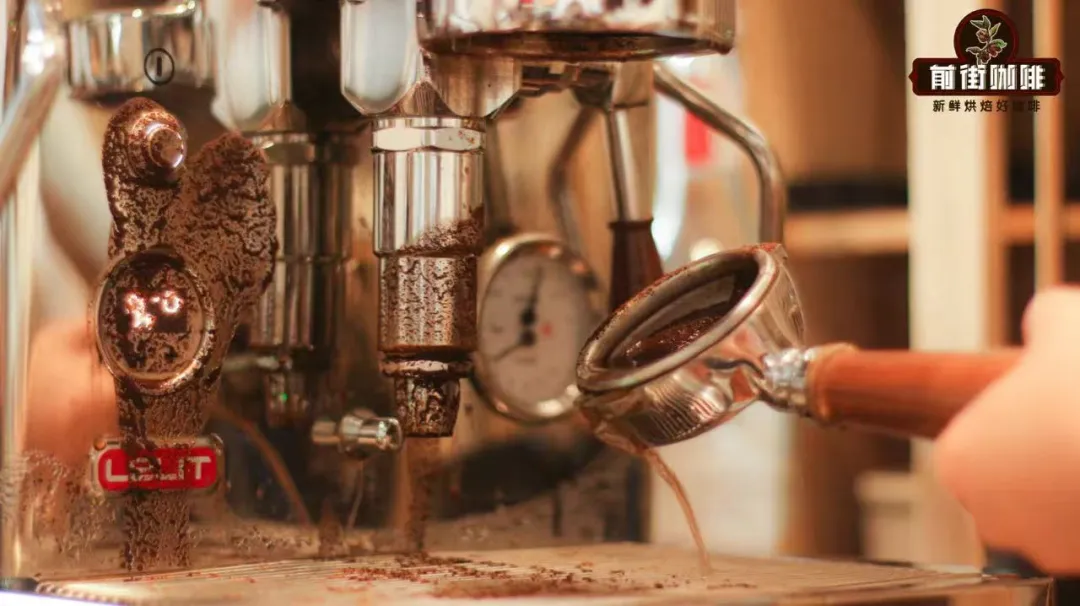
In this case, the portafilter can easily burst out during extraction. Because it is not locked firmly, the portafilter has a large range of movement, and the pressure applied during extraction is enough to push it out of the brew head, spraying coffee grounds everywhere. So before extraction, be sure to confirm that the portafilter is tightly locked onto the brew head; a little force is fine—coffee machines are not that fragile. 2. Aging parts Besides improper operation making the portafilter unable to lock firmly, aging components can also cause this problem. The most typical one is the gasket that provides sealing (which is actually mainly responsible).
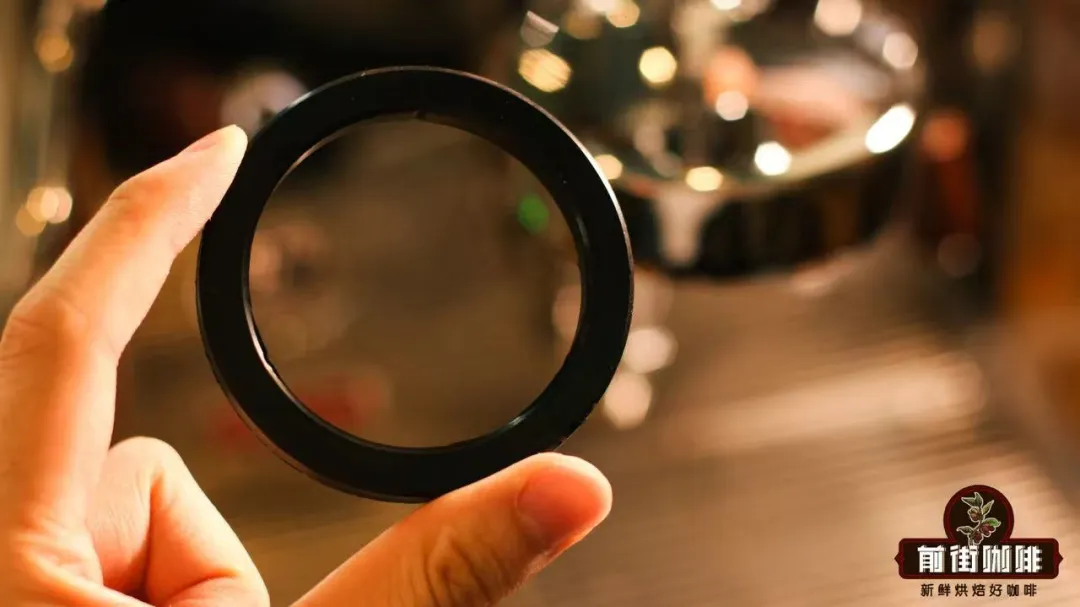
There is a gasket inside the brew head whose main function, as Front Street Coffee said, is sealing. But at the same time, it is also the key component that secures the portafilter to the brew head. After the gasket ages and hardens, its sealing performance noticeably declines, making it prone to leaking during extraction; at the same time, securing the portafilter also becomes more difficult, requiring twisting it toward the right side where the gasket is less damaged. Once it is not locked tightly, as mentioned earlier, the portafilter can easily be ejected by the machine. Therefore, Front Street Coffee recommends that if you find frequent leaking during extraction, or the portafilter needs to be locked to a deeper position to secure, it is best to buy a new gasket and replace it. This not only makes extraction more stable but also reduces the risk of the portafilter bursting open.
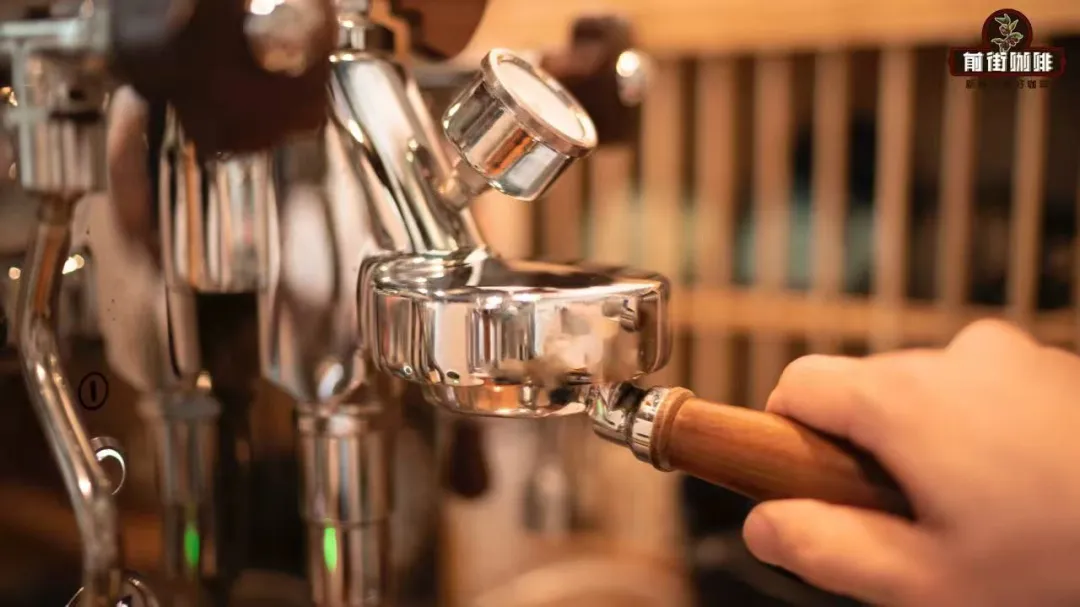
Typically, a gasket lasts about one year, depending on the frequency of use of the coffee machine. It can be purchased from any channel online, and sellers usually include replacement instructions, so Front Street Coffee won't go into detail here. Besides the gasket, wear on the brew head bayonet and the portafilter can also cause poor locking, but this situation is relatively rare. 3. Insufficient pressure release Basically, every semi-automatic coffee machine is equipped with an overpressure release valve. After extraction ends or when pressure reaches its peak, the release valve activates, releasing pressure by discharging hot water.
Pressure release takes some time, and although it is not long, if you remove the portafilter before the machine has finished releasing pressure, a blowout is likely. Some household coffee machines of average quality often require a longer pressure release time after stopping extraction. Such machines are more prone to blowouts—when pressure is not released in time and the pressure is too high for the portafilter to withstand, the portafilter will be pushed out. This situation usually occurs when the grind is too fine, the puck resistance is too high, or when using a blind basket to clean the machine for a long time. So Front Street Coffee reminds everyone to pay attention to two points: first, after extraction ends, don't rush to remove the portafilter; wait until you see hot water discharging from the outlet before detaching it.
Second, do not perform high-pressure extraction for a long time. If the puck resistance is too high and no liquid comes out after prolonged extraction, it is best to stop extraction first, remove the portafilter, adjust the grind size, and then start again. The same applies when using a blind basket to clean the machine: short sessions, multiple times, preferably no more than 20 seconds each time.
- END -
The above content is compiled by CoffeeHunters, a coffee news website.


