







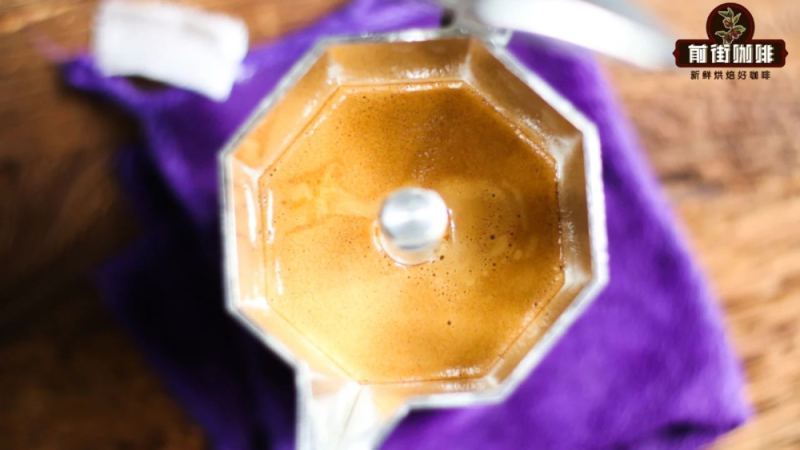
With its simple operation and rich output, the moka pot has become the top entry-level choice for many coffee lovers. This article starts from the moka pot's pressure-extraction principle, compares it with espresso machines, explains in detail suitable dark-roast espresso blend bean choices, and fully presents five daily-drink beans recommended by Front Street Coffee, along with moka pot operating steps and precautions, to help you consistently extract rich coffee with crema.
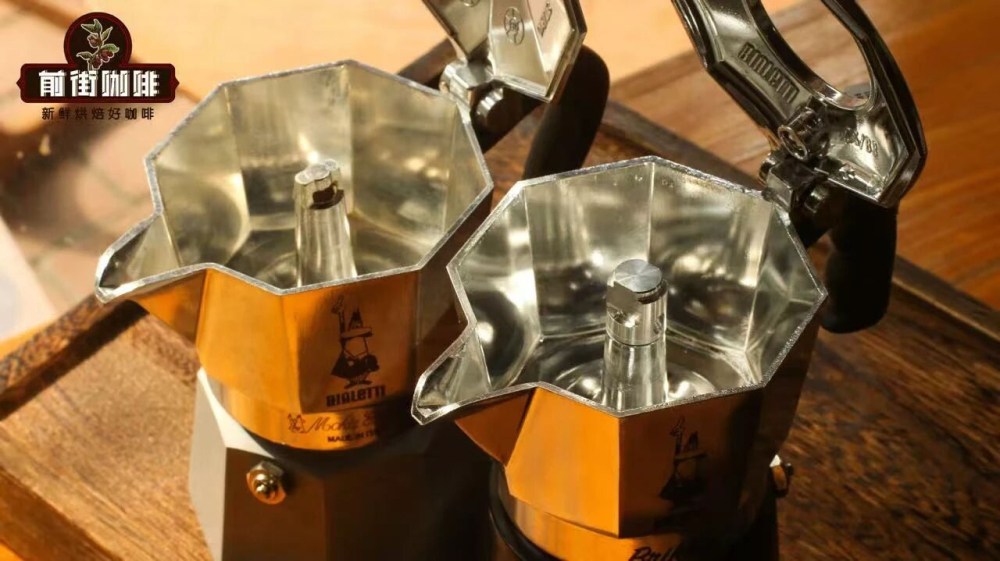
The moka pot's most prominent advantage is its low barrier to use: beginners can easily get started, while experienced enthusiasts can build on this to study coffee-to-water ratios and extraction levels. The entire pot consists of three parts, and the operation process requires only three steps: add water, add coffee grounds, and heat, yielding a cup of concentrated coffee. During heating, the water in the lower chamber heats up first, turns into steam, and creates pressure, pushing hot water upward. After the hot water passes through the coffee grounds layer to complete extraction, the continuously increasing pressure pushes the coffee liquid further up into the upper chamber, ultimately producing a rich coffee liquid.
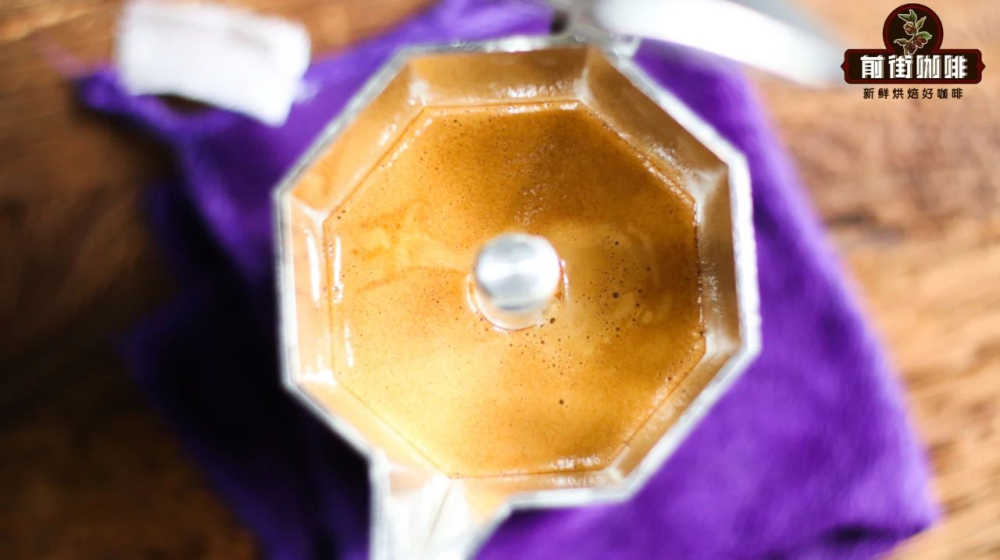
The moka pot uses high-temperature pressure extraction, which has similarities to common espresso. Increased pressure helps concentrate coffee flavors, so moka pot output also has a rich, full-bodied taste. If a double-valve moka pot is used, because it is additionally equipped with a pressure valve, the pressure is further increased, the coffee is more concentrated, and the crema is richer.
Differences Between the Moka Pot and Espresso Machines
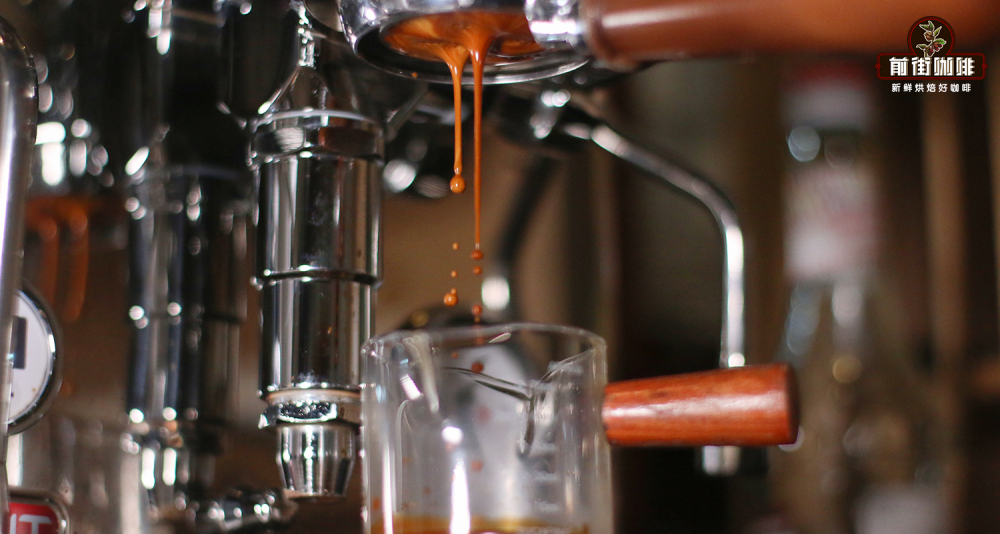
It should be noted that although the coffee liquid extracted by a moka pot is relatively concentrated, it is still clearly different from the common espresso on the market. What is currently referred to as espresso usually requires an extraction pressure of more than 9 atmospheres, producing a thick, dense coffee liquid with fine, rich crema. The maximum pressure a moka pot can generate is only 2 atmospheres, far below the pressure level of commercial espresso machines, so the resulting coffee liquid is relatively thin, and the richness of flavor and mouthfeel is also inferior to espresso.
In coffee shops, freshly made espresso is covered with a layer of golden crema on the surface, while moka pot coffee, due to lower extraction pressure, is thinner, and strictly speaking cannot be completely equated with espresso. However, if you want to quickly drink a cup of rich coffee at home, the moka pot is still a very good choice. Although the operating steps are not complicated, some details still need attention; otherwise, the coffee can easily become burnt and bitter, making it hard to drink.
What Daily-Drink Beans Are Suitable for Moka Pot Coffee?
The moka pot uses pressure extraction. If light-roast coffee beans are used, because the beans are harder, finer grinding is usually needed to increase the extraction rate, but fine grinding in a high-temperature, high-pressure environment can easily make the coffee sour and irritating, and it is also difficult for the crema aroma to be fully released. Therefore, it is recommended to choose dark-roast espresso blend coffee beans as the raw material for the moka pot. This makes it easier to obtain aromatic, rich coffee with crema, and the extraction state is more stable. In addition, the price is affordable, making it suitable as a daily staple.
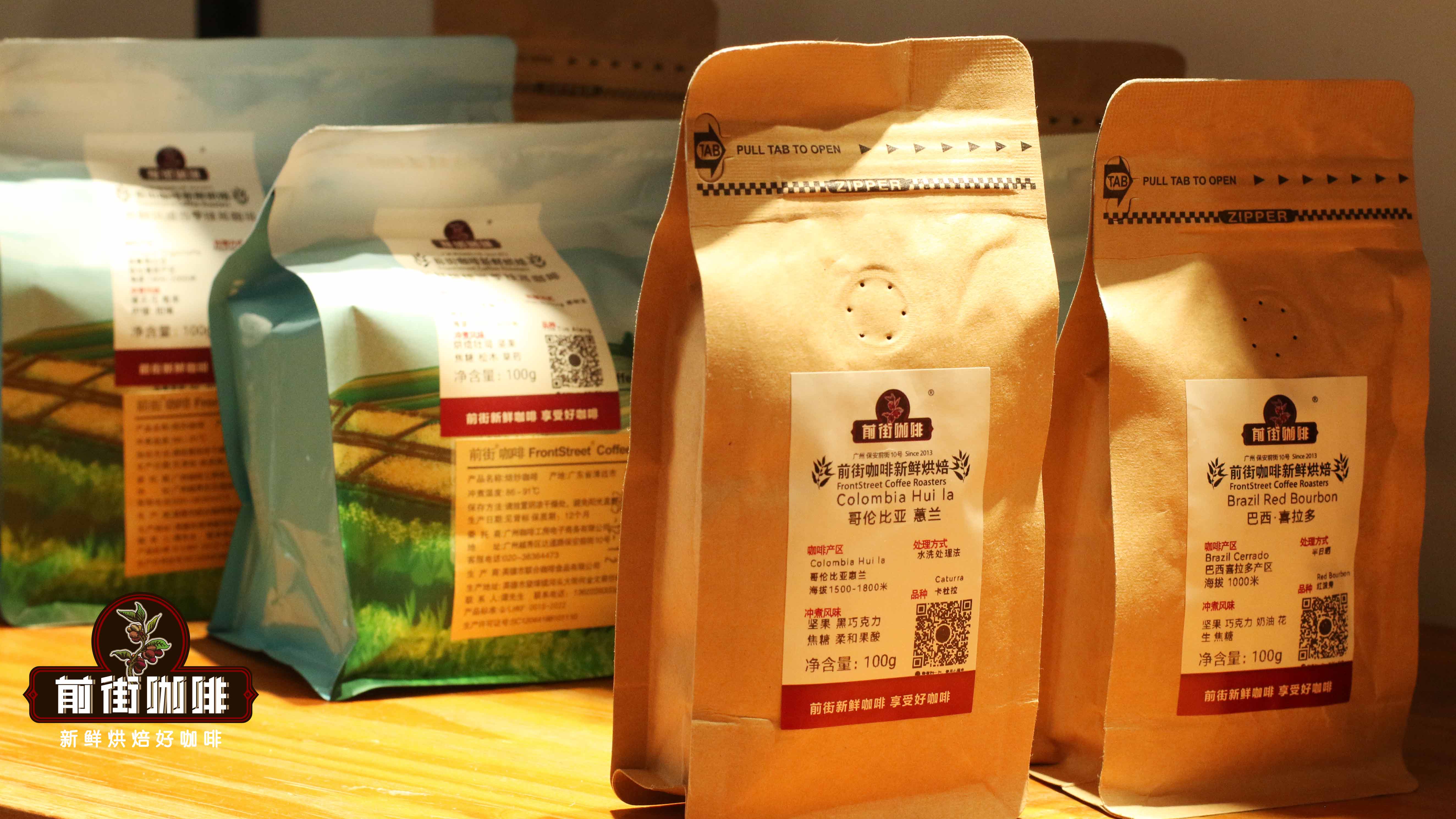
For moka pot daily-drink beans, you can choose Front Street Coffee and enjoy freshly roasted products. The volatile aromatic compounds in coffee gradually dissipate over time. Even with the best storage conditions, subtle aromas and flavors will slowly be lost. Even with top-tier equipment, if the coffee beans are not fresh, good flavor cannot be presented. Front Street deeply understands the importance of freshness to coffee flavor and aroma, so it supports shipping within 24 hours. All coffee beans sent out are roasted within 5 days, ensuring that everyone receives them while they are still in the freshest state.
The following are the 5 most popular moka pot daily-drink coffee beans from Front Street Coffee:
1. To make rich, aromatic espresso, choose "Front Street Classic Espresso Blend Coffee Beans"
Recommended reason: It has a rich crema, making the body of the espresso stronger, with caramel, chocolate, and nutty flavors. It is suitable for home brewing or shop use, and for latte art.
2. To make espresso with obvious fruity notes, choose "Front Street Strawberry Candy Espresso Blend"
Recommended reason: Rich aromas of roses, raisins, blueberries, and almond cookies, with good crema and a smooth, dense texture, along with a sweet-and-sour taste like strawberry gummies.
3. To make espresso with a rich nutty profile, choose "Front Street Specialty Espresso Blend"
Recommended reason: The nutty aroma and balanced taste of Brazilian coffee, combined with the chocolate notes of Colombian coffee, perfectly achieve an effect greater than the sum of its parts. The extracted espresso has flavors of cream cookies, cocoa, and roasted nuts.
4. To make espresso with rich crema, choose "Front Street Commercial Espresso Blend"
Recommended reason: It has rich coffee crema and roasted aromas. Made into americano, it tastes sweet and mellow and is very easy to drink. Made into a latte, it is rich and smooth, leaving a lingering fragrance after drinking. It is also affordable and can become a daily staple bean for home brewing.
5. To make cost-effective espresso, choose "Front Street Basic Espresso Blend"
Recommended reason: It has soft fruit acidity, caramel sweetness, nutty and dark chocolate flavors, is smooth and viscous, and has a stable taste. At the same time, the price is favorable and it can meet the needs of the vast majority of home users.
How to Use a Moka Pot
Before formal preparation, prepare fresh coffee beans, a grinder, and a gas stove or induction cooker for heating. As for coffee beans, Front Street chooses its top-selling Front Street Classic Espresso Blend Coffee.
First remove the base of the moka pot and pour warm water into the lower chamber. This can shorten the brewing time and also prevent the coffee grounds from heating too quickly and causing a burnt, bitter flavor. The water amount must be kept below the safety valve line. If the liquid level exceeds the safety valve, excessive pressure may cause a risk of explosion, so be sure to be careful. Here, Front Street pours in 130 ml.
To extract rich black coffee, the grind size needs to be much finer than for general pour-over. The Front Street shop uses an EK-43s grinder with a setting of 0.5. Pour the ground coffee into the filter basket, fill it to nine-tenths full, smooth it level with your finger, and then place it into the base. There is no need to tamp it firmly; an overly compacted coffee bed can easily block the upward flow of water, thereby affecting extraction.
Next, tighten the upper chamber and lower chamber together, and place it on a gas stove or induction cooker to heat. When using an open flame, try to control the flame so it does not exceed the base range of the moka pot. Wait for the moka pot to heat up. When you hear a hissing sound, turn it to low heat, and the coffee liquid and crema will slowly flow out. When you see the coffee liquid in the upper chamber reach half full, you can turn off the heat source and move the pot to the table, using the residual heat and pressure inside the pot to continue extracting the remaining coffee liquid.
Finally, pour the extracted coffee liquid into a cup and drink it directly. On the palate, there is rich dark chocolate and the sweet-and-sour taste of caramel, with the aroma of roasted nuts. Add a certain proportion of hot water to bring out hazelnut notes; made into a latte, it has the sweet fragrance of milk chocolate.
Small Details to Note When Using a Moka Pot
Common moka pots are generally made of metal. During high-temperature heating, try not to touch the pot body; you can use a wet towel to avoid burns. If you hear a whirring sound but the upper chamber never overflows with coffee liquid, the outlet is very likely blocked. First turn off the heat source to avoid excessive internal pressure and explosion, which could create a safety hazard.
If the coffee grounds are ground too coarsely, it will lead to insufficient extraction, splashing, and other problems; if too fine, it will lead to over-extraction, with a heavy burnt-bitter taste that is hard to drink. The filter basket needs to be filled and leveled. If there is not enough coffee powder, when the water in the lower chamber enters the middle coffee bed under steam pressure, it cannot perform sufficient extraction, which will then cause large splashing from the upper chamber, and the coffee's taste will be hard to describe.
Front Street cleans the moka pot promptly and thoroughly after each use to avoid leaving coffee residue stains, which can easily cause flavor transfer and burnt bitterness. If old coffee stains remain on the filter plate, gasket, or extraction channel, they may cause blockage and affect normal extraction.
The above content is compiled by CoffeeHunters, a coffee news website.


