







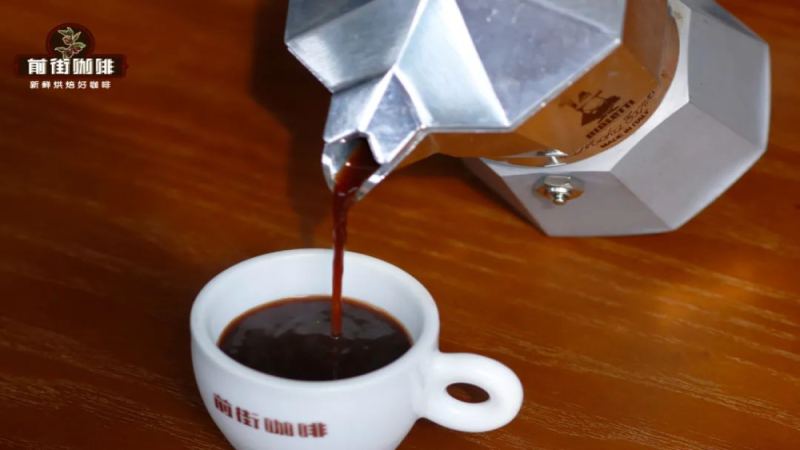
How long does it take to brew coffee with a moka pot?
A moka pot on a medium flame usually finishes in four to six minutes from the moment it is placed on the stove. The exact time depends on the size of the pot, the amount of water, and the heat setting. Smaller two-cup models can be done in under four minutes, while larger six-cup pots may take closer to seven. The key signal is sound, not the clock.
You will hear a gentle gurgle as coffee begins to rise into the upper chamber. Once that flow turns pale and sputtering, remove the pot from the heat immediately. Leaving it longer adds bitterness and a burnt note. Preheat the water if you want a faster, smoother extraction, but never tamp the grounds. Fill the basket level and loose, and keep the flame below the base of the pot.
With its simple structure and pressure-driven extraction, the moka pot can produce a rich, oily cup of coffee at home. But how long does it actually take to brew coffee with a moka pot? There's no fixed number of seconds—the key lies in heat control and observing the flow of the extraction. This article starts from the Bialetti 3-cup moka pot used at Front Street Coffee's store, explaining in detail each step: adding water to the lower chamber, choosing the grind size, filling the filter basket, and heating operation, and describing the roughly 3 to 4 minute extraction rhythm. It also shares safety precautions for daily use, cleaning and maintenance methods, and why medium-dark roasted espresso blend beans are more suitable for the moka pot.
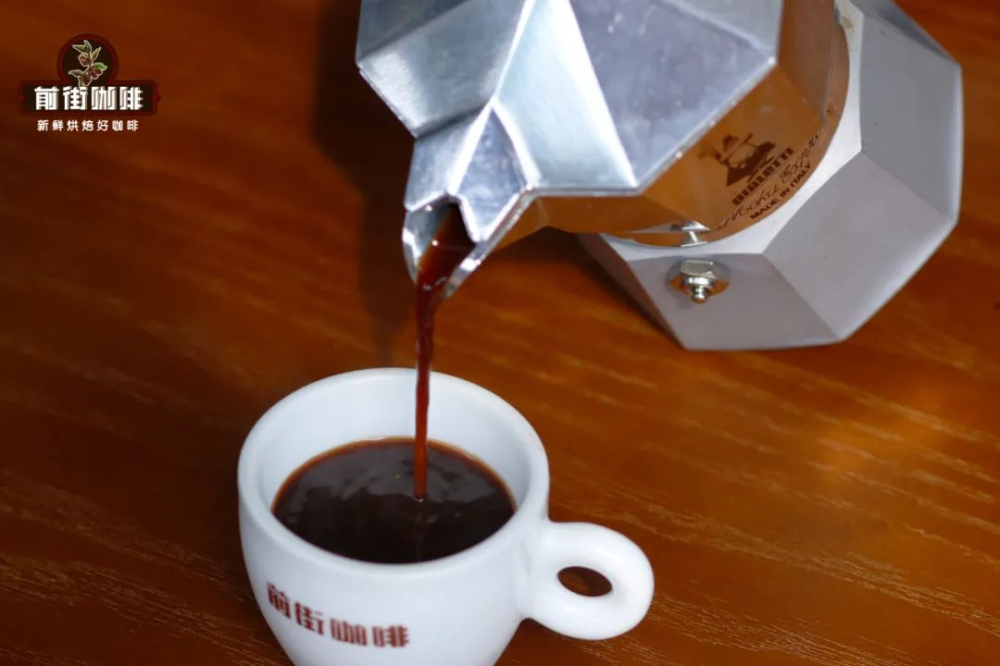
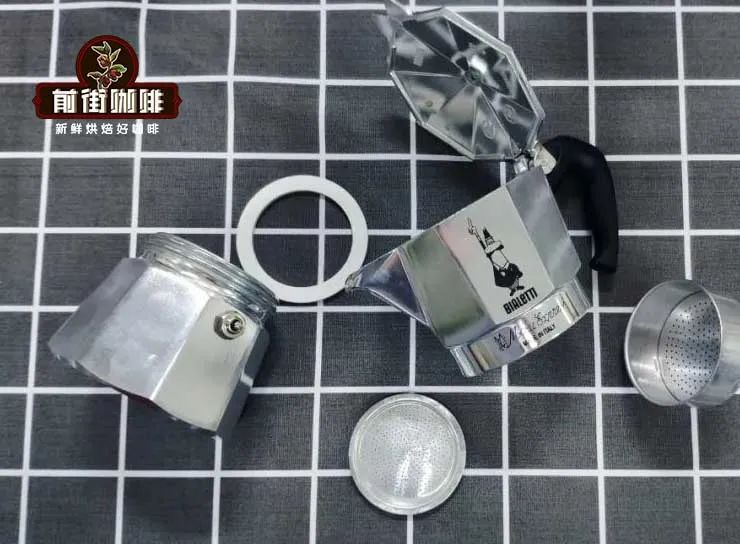
The way a moka pot works is by letting boiling hot water in the lower chamber generate steam pressure, which passes directly through the coffee bed, extracting the essence from the coffee. Coffee brewed this way has a fuller body, more concentrated aroma, and a thin layer of coffee oils floating on the surface—this is exactly what makes Italian coffee so fascinating. The structure of a moka pot is not complicated Anyone who has seen a moka pot should remember that its design is quite simple, consisting of just three parts: the upper chamber that holds the brewed coffee, the filter basket in the middle, and the lower chamber that holds water for heating.
When heating a moka pot, the water in the lower chamber first heats up and turns into steam, gradually building pressure that pushes hot water upward. After the hot water passes through the coffee grounds to complete extraction, the continuously increasing pressure pushes the coffee liquid further up into the upper chamber, and that's how we get the rich coffee we want. The extraction method of a moka pot is very similar to the common pressure-driven espresso: water boils in the lower chamber to produce steam, and as steam accumulates it creates pressure, forcing hot water through the coffee grounds, dissolving out flavor compounds, and then shooting up into the upper container with force. A moka pot brews coffee at roughly 1.2 to 3 atmospheres of pressure, and the increased pressure makes the coffee flavor more concentrated, which is why coffee made with a moka pot has such a particularly mellow taste.
Currently, moka pots on the market mainly come in two types: single-valve and dual-valve. Dual-valve moka pots add an extra pressure valve on top of the original design, and with increased pressure, the coffee is more concentrated and produces more coffee oils. Although a moka pot can't reach the level of a standard espresso machine's 9+ atmospheres, if you just want a cup of rich coffee at home in your spare time, Front Street Coffee believes a moka pot is still a very good choice. Although the steps for operating a moka pot are simple, there are still quite a few details to pay attention to. Many friends who encounter extraction problems when using a moka pot come to ask Front Street Coffee, so here Front Street Coffee will use the store's Bialetti 3-cup classic moka pot and our own roasted "Front Street Classic Blend Coffee Beans" to demonstrate the brewing process for everyone.
How do you brew coffee with a moka pot? Front Street Coffee first removes the base of the moka pot and adds warm water to the lower chamber, which shortens brewing time and prevents the coffee grounds from heating up too quickly and producing a burnt, bitter taste. The water level should be kept below the safety valve line. The safety valve's purpose is to prevent explosions caused by overly fine coffee grounds blocking the extraction channel. If the safety valve is submerged in water and the extraction channel is also blocked, the consequences of a moka pot exploding at high temperatures are unimaginable.
To extract a rich black coffee, the grind size should be finer than regular pour-over but coarser than espresso. Grinding too coarse causes under-extraction and splattering; too fine leads to over-extraction, making the coffee burnt, bitter, and hard to drink. Front Street Coffee's store uses an EK-43s grinder at setting 0.5, until it feels similar to fine salt when rubbed between your fingers.
Pour the ground coffee into the filter basket, spread it flat and fill it up, smooth the surface with your finger, then place it into the base. There's no need to tamp it firmly—pressing too hard can block the upward flow of water and affect extraction. If there isn't enough coffee, the water in the lower chamber under steam pressure cannot fully extract when entering the middle coffee bed, causing large splattering into the upper chamber.
Next, tighten the upper chamber onto the lower chamber and place it on a gas stove or induction cooker to heat. When using an open flame, be careful that the flame does not extend beyond the base of the moka pot. Actually, there's no precise time rule for brewing—wait for the moka pot to heat up, and after hearing a hissing sound, turn it down to low heat, and the coffee liquid and oils will slowly flow out. When you see the coffee liquid in the upper chamber is about half full, you can turn off the heat source and use a wet towel to move the pot to the table, using the residual heat and pressure inside to continue extracting the remaining coffee liquid. The whole process takes about 3 to 4 minutes.
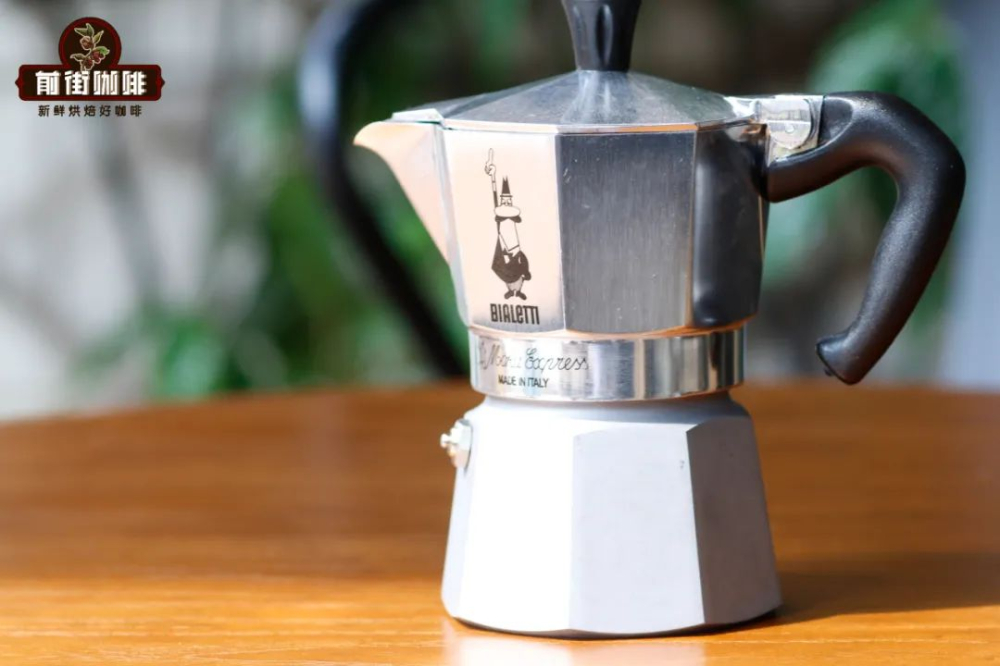
Finally, pour the extracted coffee liquid into a cup and enjoy it directly. On the palate, there are rich notes of butter, dark chocolate, and roasted nuts, along with a cocoa aroma. Adding a certain proportion of hot water brings out a clear, hazelnut-like sweetness; paired with milk, it has a chocolatey sweetness. What should you pay attention to in daily use of a moka pot? Common moka pots generally have a metal outer shell—try not to touch the body during high-temperature heating, and use a wet towel to handle it to avoid burns. If you hear a whirring sound but no coffee liquid ever comes out of the upper chamber, it's very likely the spout is blocked. In this case, turn off the heat source first to prevent excessive internal pressure from bursting and creating a safety hazard.
Grinding coffee too coarse causes under-extraction and splattering; too fine leads to over-extraction, making the coffee burnt, bitter, and hard to drink. The filter basket needs to be filled and leveled—if there isn't enough coffee, the water in the lower chamber under steam pressure cannot fully extract when entering the middle coffee bed, causing large splattering into the upper chamber and an indescribable taste. Front Street Coffee cleans the moka pot promptly after each use to avoid leftover coffee residue, which otherwise easily causes flavor transfer and burnt bitterness. If old coffee stains remain on the filter plate, gasket, or extraction channel, they may cause blockages and affect normal extraction.
Front Street Coffee recommends choosing medium-dark roasted beans. A moka pot uses pressure-driven extraction—if you use light-roasted coffee, light-roasted beans are harder in texture and usually require a finer grind to increase extraction yield, but fine grinding under high temperature and pressure easily makes the coffee sour, astringent, and harsh, and it's also harder to extract the aroma of coffee oils. Therefore, Front Street Coffee recommends using deeper-roasted espresso blend coffee beans as the raw material, which not only makes it easier to enjoy a rich, aromatic coffee with oils, but also makes the extracted coffee flavor more stable.
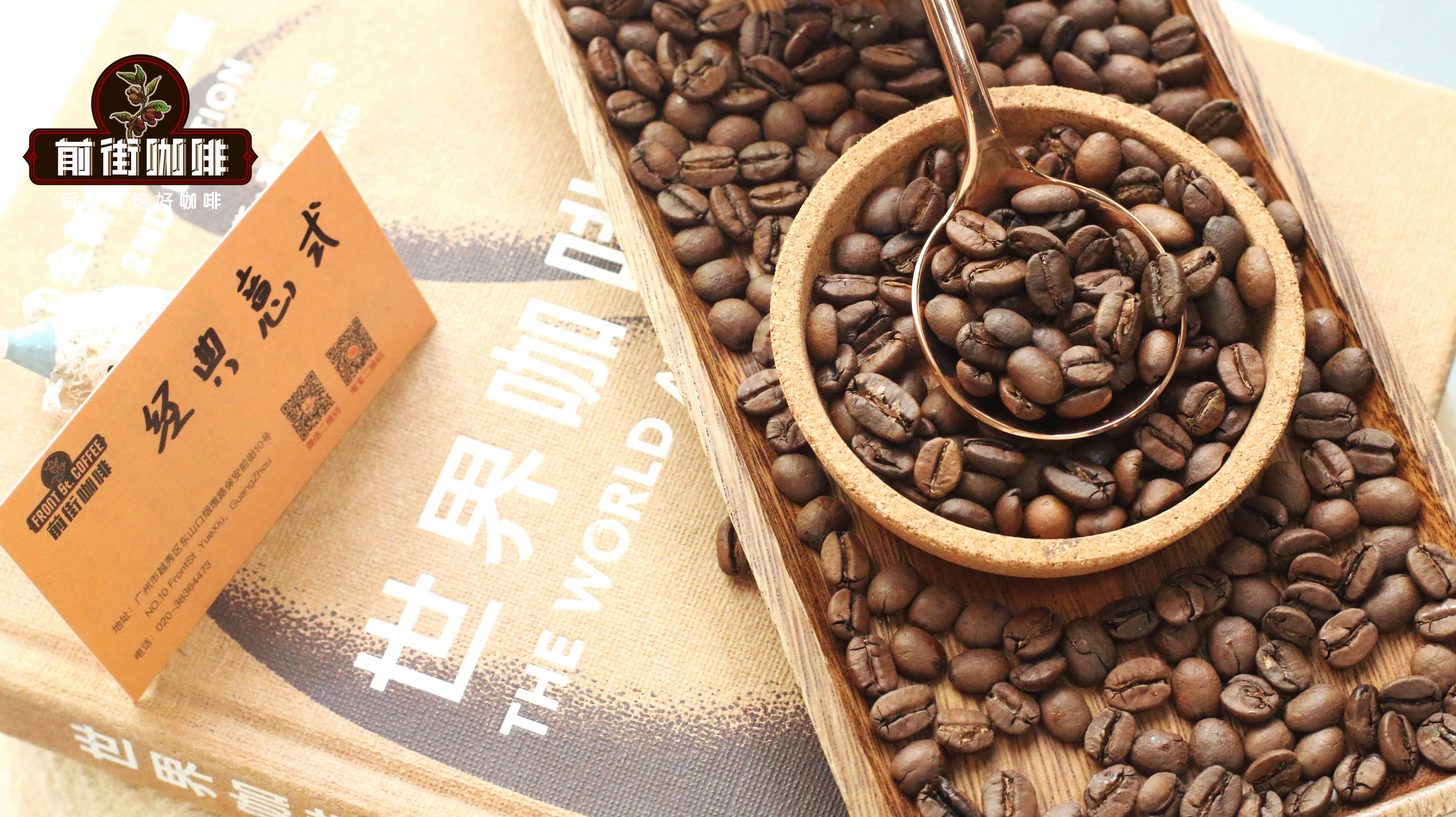
If you're trying a moka pot for the first time and want your coffee to perform consistently, you can buy Front Street Black Cocoa Blend—an espresso coffee bean recommended by many baristas, composed of Yunnan small-batch and Brazil Cerrado beans. It has aromas of nuts, chocolate, and plum, with an overall soft mouthfeel. It can be used to make lattes, americanos, and other regular coffees, with high versatility. It absolutely deserves to be called a great home essential, and is also the top choice for opening a coffee shop.
The above content is compiled by CoffeeHunters, a coffee news website.


