







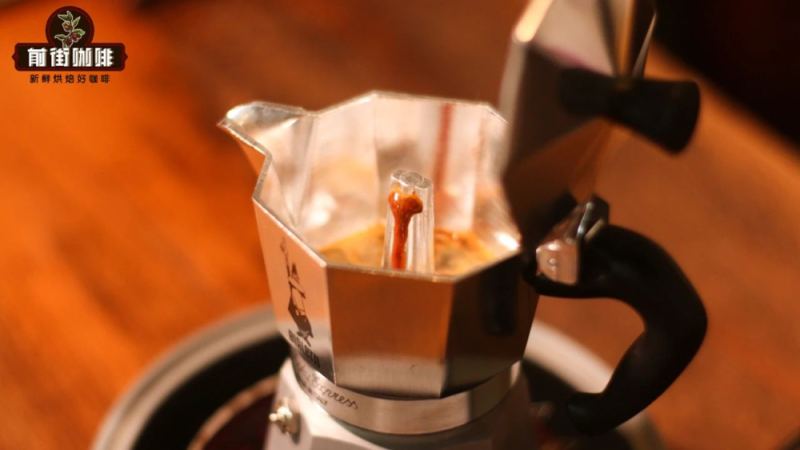
Is a moka pot safe to use and clean at home?
A moka pot is safe when the key details are handled well. Concerns center on two things: the brew is easy to get wrong, and the body has no scale markings, so the water-to-coffee ratio and the heat are hard to control. A lapse can over-extract the coffee or splash hot water. With the right parameters, home brewing is straightforward.
Cleaning matters as much as brewing. Aluminum moka pots should not go in the dishwasher, since harsh detergent and high heat dull the surface and shorten the pot's life. Rinse with warm water, avoid abrasive scrubbers, and let all parts dry fully before reassembly. Moka pots have been used for several hundred years, and routine care keeps them working.
As a classic coffee device with a history of several hundred years, the moka pot is still favored by many coffee enthusiasts today. However, questions about whether it is safe, whether its aluminum alloy material may be problematic, and whether it can be put in the dishwasher have long troubled many people. In daily interactions, Front Street has found that many friends misunderstand the moka pot, believing that it is complicated to operate and poses safety hazards. In fact, as long as you master the correct methods of use and the key points of cleaning and maintenance, the moka pot can absolutely become a capable assistant for making coffee at home. Starting from the structure and principle of the moka pot, this article will analyze in detail the safety issues of aluminum moka pots and compile more than ten practical operating precautions to help everyone avoid common misunderstandings and safely enjoy the rich coffee brought by the moka pot.
For more specialty coffee knowledge, please follow the WeChat public account: Front Street Coffee (FrontStreet Coffee)
In daily work, Front Street often hears a viewpoint: "For safety reasons, it is best not to use a moka pot." Where exactly does this saying come from?
Why is it not recommended to use a moka pot?
According to Front Street's analysis, people's concerns mainly come from two aspects. First, the operating threshold of the moka pot is relatively high. To extract delicious coffee, one needs to simultaneously take into account the coarseness of the grounds, the force of tamping, the heating time, and the size of the flame, which is indeed somewhat tricky for beginners who have just come into contact with coffee. Second, there are safety concerns — the body of the moka pot has no scale markings, making it difficult to precisely control the water-to-coffee ratio, and the quality of the brewed coffee tends to fluctuate. A slight lapse of attention may lead to over-extraction, and more seriously, operational errors may cause high-temperature hot water to splash out and cause scalding.
However, Front Street believes that since the moka pot has been passed down for several hundred years, that is enough to show that it can handle the task of making coffee at home. As long as the key details and parameters are mastered well, making a satisfying cup of coffee with it is not difficult. Let us start by understanding the structure of the moka pot.
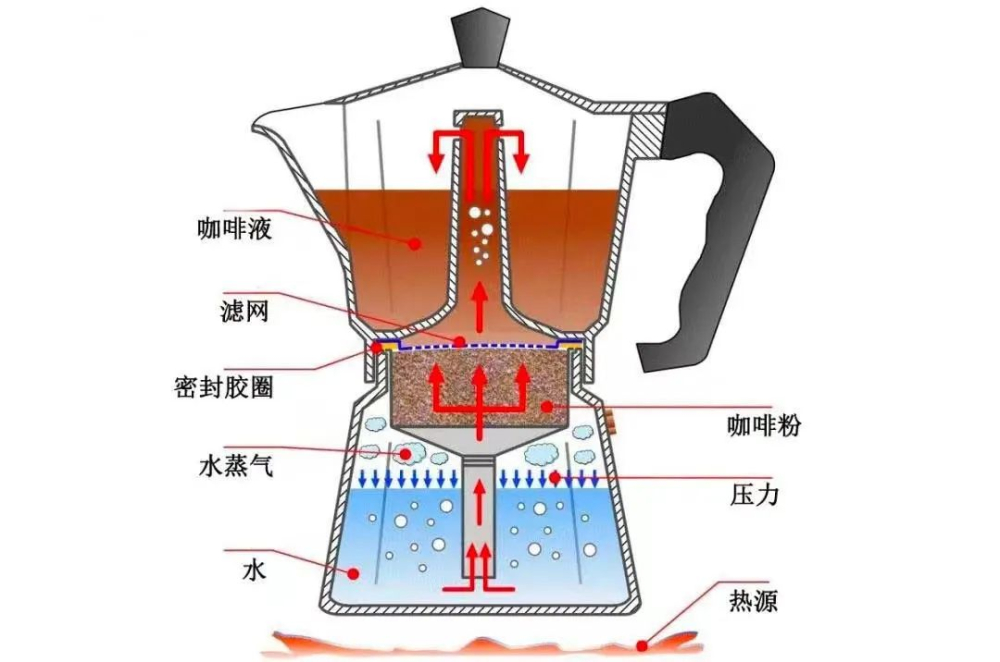
The moka pot is usually made of aluminum alloy or stainless steel, and structurally divided into three parts: the upper chamber, the filter basket, and the lower chamber, connected in the middle by a tube. The lower chamber is equipped with a pressure relief valve. When heating causes the pressure inside the pot to rise too high, the pressure relief valve will automatically open to release pressure, thereby preventing the pot body from bursting or coming apart due to excessive pressure.
The working mechanism of the moka pot is to place it on a heat source for heating, and the water in the lower chamber boils to generate steam. With the steam pressure generated when the water boils, hot water is pushed along the tube through the filter basket containing coffee grounds, and after being filtered through the mesh, it enters the upper chamber.
No matter which brand or model of moka pot you use, the following usage details are worth paying attention to!!
1. A newly purchased moka pot should be test-brewed at least twice before formal use. The coffee brewed the first two times should be poured out directly and not drunk. This can effectively remove trace amounts of metal that may remain during the manufacturing process.
2. The water level when filling the lower chamber must not exceed the lower edge of the pressure relief valve.
3. After filling the filter basket with coffee grounds, do not tamp them down. If using filter paper, the size of the filter paper must not extend beyond the surface of the coffee grounds layer, otherwise it will create excessive pressure, causing steam to leak out and increasing the risk of scalding and the pot body coming apart.
4. After cleaning, be sure to dry the lower chamber thoroughly to prevent oxidation.
5. The sealing gasket at the bottom of the upper chamber should be used for no more than one year. If used frequently, it is recommended to replace it every six months. The function of the sealing ring is to enhance the seal between the upper and lower chambers and avoid steam leakage or water leakage that could cause scalding.
6. When tightening the pot body, try not to grip the upper chamber handle and use force. Doing so over time will cause the handle to become loose. It is recommended to tighten the moka pot by rotating the lower chamber. If the lower chamber contains hot water, remember to take heat-insulation precautions.
7. Aluminum alloy moka pots can only be used on electric ceramic stoves, open flames (gas stoves, coal gas stoves), and small electric stoves. Only stainless steel moka pots can use induction cookers and other heat sources for heating.
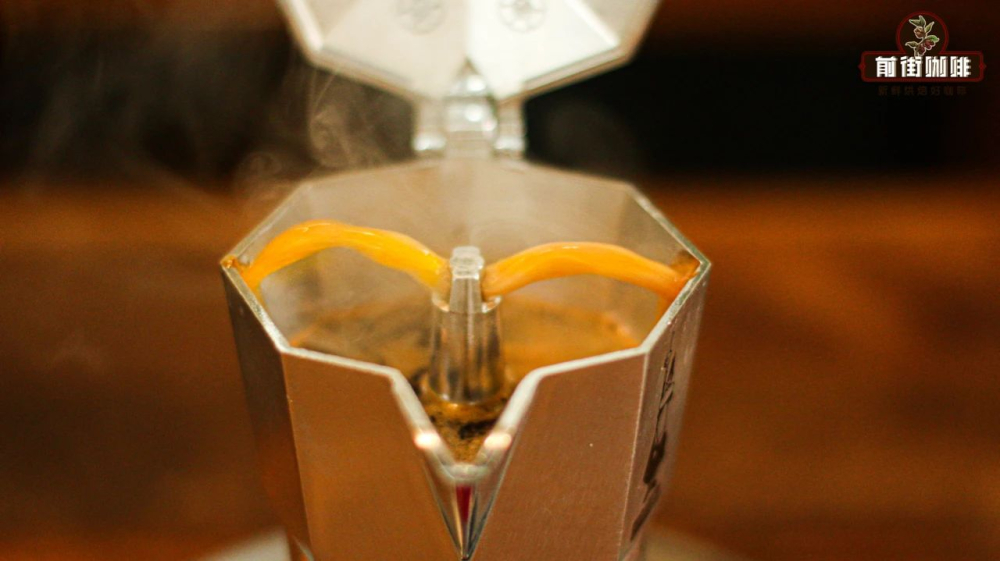
8. If the brewed coffee flows into the upper chamber in spurts, the possible reasons are: too much water in the lower chamber, covering the lower edge of the pressure relief valve; the coffee grounds are ground too coarse, the filter basket is not filled full, or you forgot to add coffee grounds; the heat is too high during heating or the pot is removed from the heat too late; the internal parts are not installed completely or are installed incorrectly.
9. If water leaks from the pot body during brewing, it may be due to aging of the rubber ring or the upper and lower chambers not being tightened. A new pot may also leak on first use, but generally it will not after three to four test brews.
10. If the pressure relief valve releases steam and makes a sharp sound during heating, it is usually because the coffee grounds are ground too fine, the amount of grounds is too much, or the water exceeds the lower edge of the pressure relief valve, causing excessive internal pressure.
11. If the moka pot cannot be unscrewed after brewing coffee, you can pour boiling water into the upper chamber, wait one or two minutes or until the pot body is not so hot, then pour the water out, take heat-insulation measures, and then try to unscrew it. If it really does not work, ask someone for help; there is always someone who can unscrew it haha~
12. Every time after using the moka pot, Front Street immediately rinses it clean with water to avoid residual coffee grounds causing mixed flavors and burnt bitterness. If old coffee stains accumulate in the filter plate, gasket, or extraction channel, they may cause blockage and affect normal extraction. Remember that the moka pot cannot be put in the dishwasher! It also cannot be soaked in corrosive solvents!!
13. For the moka pot, it is recommended to give priority to medium-dark roasted coffee beans. Front Street's classic Italian blend is a good choice. This bean is composed of Brazilian semi-washed, Indonesian Mandheling, and Vietnamese washed beans, and belongs to the dark roast type. It has a prominent smoky aroma, and its biggest highlight is its rich oils, which can extract thick golden crema and make the coffee taste even richer. Everyone can place orders and buy it at Front Street's Tmall flagship store or Front Street's Taobao store.
The above content is compiled by CoffeeHunters, a coffee news website.


