








What Does Pre-Infusion Do During Espresso Coffee Extraction?
Pre-infusion means injecting water into the coffee puck at low pressure, pausing to let the grounds soak, then resuming full 9 bar extraction. It mirrors the blooming step in pour-over brewing, letting the puck degas through pre-wetting. Skipping it leaves more uncertainty in the shot, which is why many shops treat pre-infusion as part of the daily routine.
The step affects extraction yield and channeling, since a soaked puck resists water unevenly and keeps flow more even. Operational advice covers low-pressure water injection and soak duration, and the choice depends on the beans: some lots benefit while others extract well without it. Manual control lets a barista pre-infuse even on coffee machines that lack a one-touch pre-infusion function.
In pour-over coffee, blooming is a key step to release carbon dioxide and enhance subsequent extraction. So can espresso, before high-pressure extraction, also borrow this idea? The answer is yes—this is what we call "pre-infusion." This article will start from the principle, explain the similarities between pre-infusion and pour-over blooming, analyze its actual impact on extraction yield and channeling, and provide specific operating suggestions such as low-pressure water injection and soaking duration. It will also explain which beans are suitable for pre-infusion and in which situations this step can be omitted, helping you make more stable espresso manually even on a machine without a one-touch pre-infusion function.

During pour-over brewing, the core purpose of blooming is to let the coffee grounds release carbon dioxide, thereby creating more ideal extraction conditions for subsequent pouring and allowing aromatic substances to dissolve more fully. Once this step is skipped, the subsequent extraction will face many uncertainties.
By contrast, espresso extraction seems much more direct—it relies on high-pressure hot water to "squeeze" the flavor components out of the coffee grounds, and the entire process does not include a blooming step.
So many coffee enthusiasts wonder: if blooming were also introduced into espresso extraction, what difference would the final coffee show?
In fact, the practice of adding "blooming" to espresso extraction has long been put into practice, and it has already become part of the daily routine in many coffee shops. It is what we know as "pre-infusion."
What is pre-infusion?
Normally, when making espresso, the espresso machine continuously completes the entire extraction process at the factory-set "9 bar" pressure. Pre-infusion refers to injecting water into the coffee puck at a lower pressure before formal full-pressure extraction (9 bar or higher), then pausing the water supply, letting the puck soak for a moment, and then resuming the normal extraction process. This operation is called pre-infusion, which, as the name suggests, means soaking in advance before extraction.
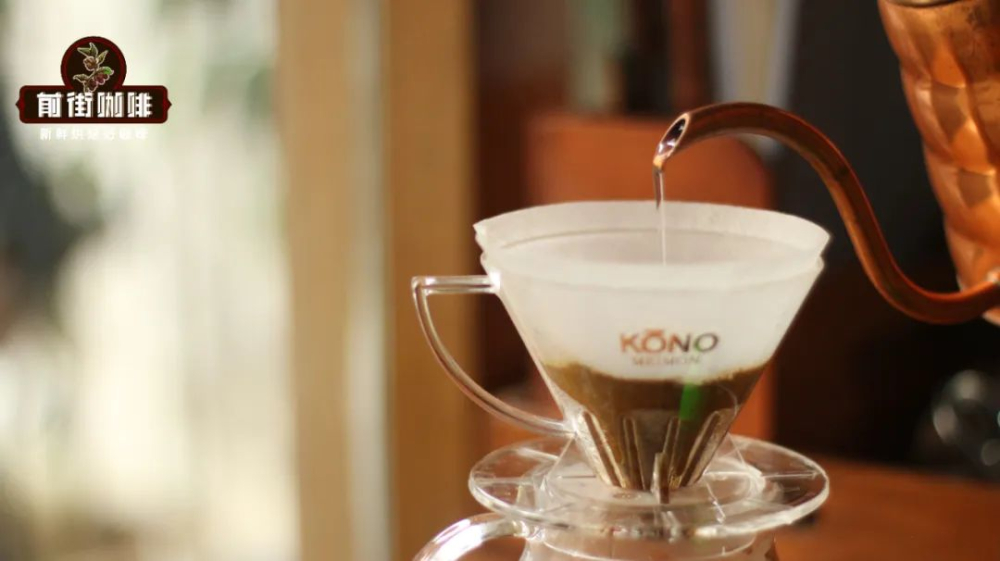
Its core function is to help the coffee grounds complete degassing through pre-wetting (this is exactly the same principle as pour-over blooming). So for espresso extraction, after adding a degassing step, what changes will it bring to the subsequent process?
Characteristics of pre-infusion
The first effect is to increase extraction yield. After the puck has been degassed in advance, the subsequent full-pressure (9 bar) extraction will more easily extract soluble substances. This is especially true for fresh coffee beans, which are rich in internal gas, and this is precisely the scenario where pre-infusion is most effective.
When using fresh coffee beans, the large amount of carbon dioxide inside the beans not only makes the extracted crema appear rough, but also hinders hot water from dissolving aromatic substances, very easily causing under-extraction, a rough mouthfeel, and other undesirable experiences.
At this point, pre-infusion can effectively alleviate these problems. Once the carbon dioxide that hinders extraction is released, the extraction of aromatic substances becomes much smoother, which is what we usually call improving extraction yield. Conditions such as rough crema are also improved accordingly.
In addition, pre-infusion can also inhibit the formation of channeling, which is its second effect. Because conventional extraction applies 9 bar of high pressure throughout, the force is quite strong. If the distribution and tamping steps are not uniform and consistent, hot water will break through under the strong pressure from weak spots or places lacking coffee grounds, thereby forming channeling.
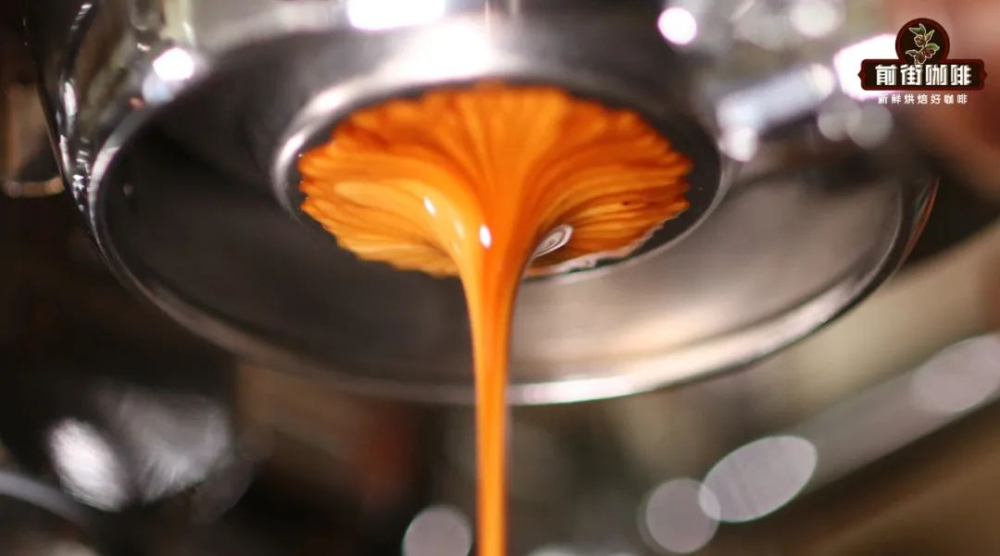
Channeling causes severely uneven extraction, and pre-infusion happens to be able to address this problem. After pre-infusion, the coffee grounds first expand under the action of a small amount of hot water, making the puck denser, so perforation is less likely to occur. From this we can conclude that improving extraction yield and optimizing extraction quality are the two prominent advantages of pre-infusion.
However, to truly bring these advantages into play, there is still a necessary prerequisite: using it properly. Most coffee machines are not equipped with a one-touch pre-infusion function, so we can only control pre-infusion manually.
During the pre-infusion water injection stage, low-pressure or pressure-free injection can be chosen. This is because if pre-infusion is carried out directly at 9 bar, it is instead more likely to wash apart the powder layer on the coffee surface, thereby triggering channeling;
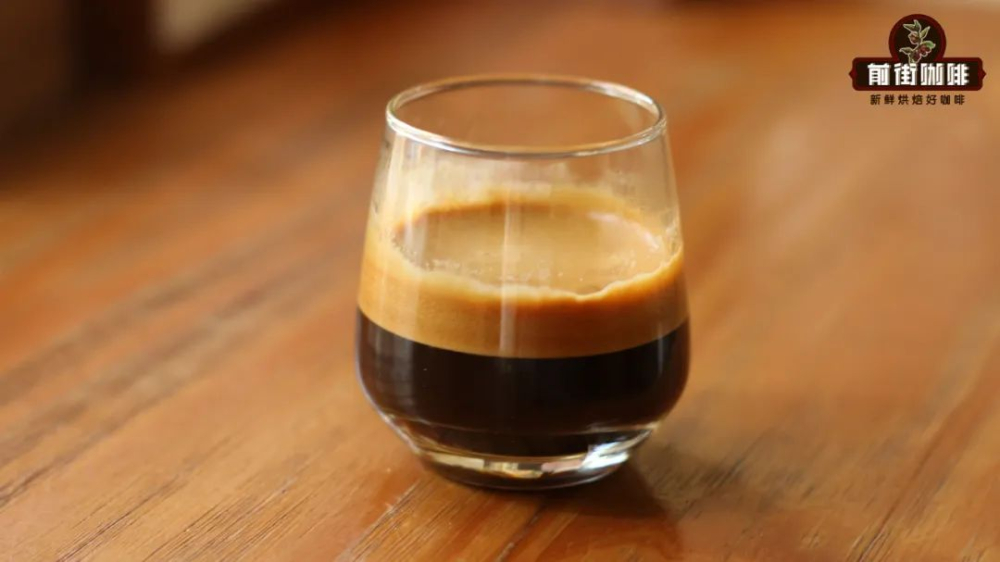
The soaking duration can be adjusted according to the freshness of the beans. The fresher the beans, the longer the soaking time needed; only sufficient time allows carbon dioxide to be fully released, and 5 to 10 seconds is an optional range. For less fresh beans or dark-roasted beans that have already rested, pre-infusion is not necessary, because they themselves are already very easy to extract.
Front Street Coffee (FrontStreet Coffee)
No. 10 Baoqian Street, Yandun Road, Dongshankou, Yuexiu District, Guangzhou, Guangdong Province
The above content is compiled by CoffeeHunters, a coffee news website.


