








What does moka pot brew time tell you about extraction?
When a moka pot suddenly shifts from a gentle stream into two forceful jets, users call it the double pigtail. It signals a misstep in extraction that can leave coffee bitter and unevenly brewed, and in some cases raises safety concerns. The usual causes are too much water, coffee grounds that are too coarse, uneven distribution, and excessive heat.
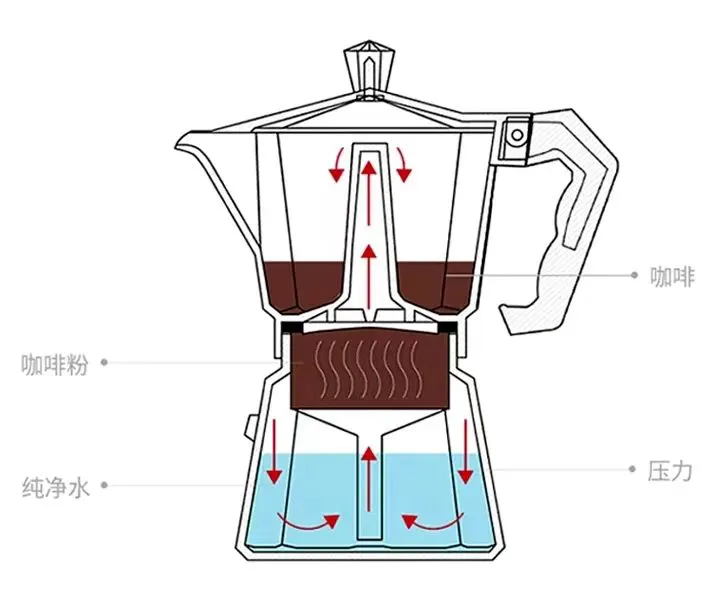
A moka pot works by pressure: heated water in the lower chamber turns to steam, which pushes hot water up through the coffee bed. Because that pressure is far lower than an espresso machine's, moka pot brew time and flow matter. Adjusting moka pot coffee grind finer also helps slow the flow and even out extraction.
Those who frequently use a moka pot may have encountered the moment when the coffee suddenly shifts from a gentle stream into two violent jets of water—this is what's commonly called the "double ponytail" phenomenon. Its appearance usually signals an operational misstep during extraction, which at best leads to bitter, uneven coffee and at worst could pose a safety hazard. From the perspective of Front Street, this article first outlines the pressure-extraction principle of the moka pot, then analyzes one by one the four key factors—too much water, coffee grounds that are too coarse, uneven distribution of grounds, and excessive heat—along with corresponding adjustment suggestions. It will also share directions for choosing coffee beans suitable for moka pot use, helping everyone consistently make a rich, well-balanced espresso at home.
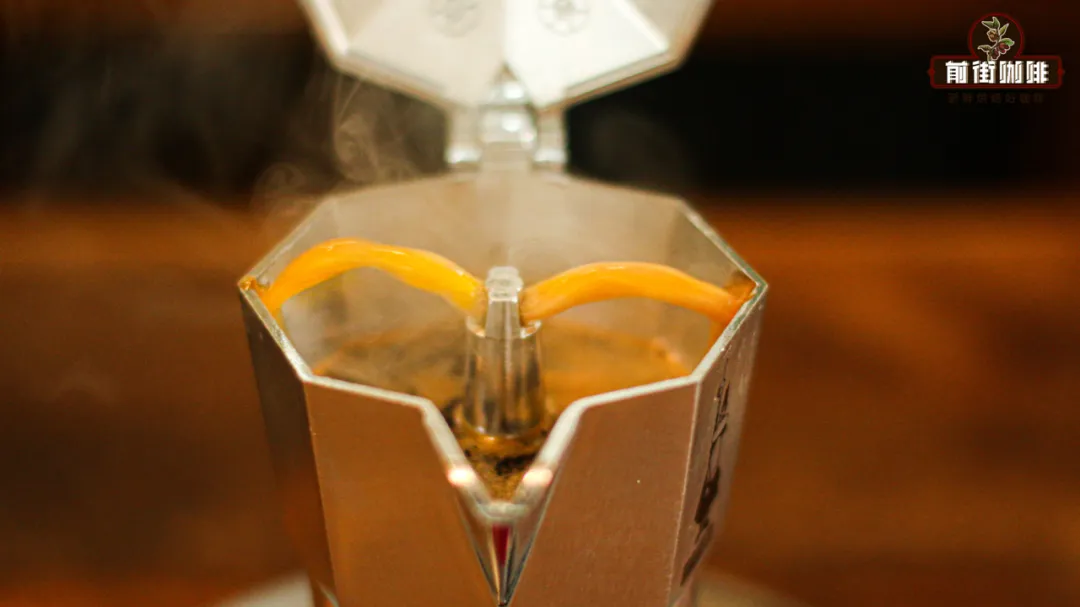
Those who often play with moka pots have mostly heard of or witnessed the so-called "double ponytail" scene. Specifically, during extraction, the coffee liquid that originally trickles slowly from the spout suddenly, as if pressurized, turns into two forceful jets of water shooting out from the left and right outlets respectively, looking just like two ponytails—hence the name.
Once this happens, it means you've made mistakes in certain steps when operating the moka pot, and usually more than one. It also means this cup of coffee will most likely be unevenly extracted, even bringing out over-extracted bitterness. So today Front Street will analyze together with you exactly what causes the moka pot to sprout "double ponytails."
How the Moka Pot Works
As the saying goes, know your opponent to handle them better. To figure out where the "double ponytail" comes from, we first need to understand how a moka pot works. Its extraction logic is actually similar to that of an espresso machine—both rely on pressure extraction—except the pressure a moka pot can provide is far less than that of an espresso machine.
When the water in the lower chamber is heated, it gradually evaporates into steam. This steam takes up the space originally occupied in the lower chamber, thereby creating pressure. The pressure forces hot water upward through the coffee bed, turning into coffee liquid that flows out from the upper outlet. The greater the pressure, the faster the liquid flows out; when pressure accumulates to a certain critical point, it erupts.
To keep moka pot extraction stable, Front Street believes two points are worth noting: first, choose fresh medium-to-dark roasted coffee beans; second, the extraction process must be completed with the aid of pressure. Coffee beans accumulate a large amount of carbon dioxide inside when heated, which is released upon contact with water, so the darker the roast, the more gas. At this point, light roasts should be avoided first, because the oils they can release are relatively limited. If you're just starting out at home and want to balance cost-effectiveness, you can prioritize the Front Street espresso bean series, including Front Street Dark Cocoa Blend, Front Street Classic Blend, Front Street Commercial Blend, and Front Street Specialty Blend. These are all medium-to-dark roasts, carrying caramelized aromas, and the espresso they produce has good crema as well.
From this we can infer that the key to avoiding eruptions is simply not letting pressure exceed a reasonable range. In actual moka pot use, the factors that can affect pressure mainly include the following:
1. Too Much Water
The moka pot's water reservoir has a pressure relief valve, which also serves as the water level line, marking the optimal upper limit for water. If you pour in more water than this line, the internal space of the lower chamber gets compressed; when the water heats and evaporates, the pressure has no buffer room and can only surge upward in a concentrated way. So adding too much water makes the pressure overly abundant.
But a moka pot is not a coffee machine after all—its compact structure means it simply cannot withstand excessively high pressure. Once it exceeds its own load, at best you get a double ponytail with an arc, and at worst the pot body cracks under the pressure. So this point must be taken seriously.
2. Coffee Grounds Too Coarse
Front Street has mentioned before that the grind size suitable for a moka pot falls between espresso grind and pour-over grind, closer to the flour-like particles of espresso. Only when fine enough can it increase the density of the coffee bed, narrow the water flow channels, and allow for fuller extraction.
But if the grind is on the coarse side, close to the fine-sugar particles used for pour-over, then the resistance will be too small and the coffee liquid tends to gush out. Moreover, hot water passes through the coffee bed too quickly, and the flavor compounds in the grounds don't have time to fully release, so it tastes very thin.
3. Uneven Distribution of Grounds
Whether it's drip or pressure extraction, uneven distribution of grounds will make water flow toward areas with larger gaps, creating channeling. Channeling causes uneven extraction, and naturally the taste won't be good either.
So when filling the filter basket with grounds, it's best to gently tap the edge of the basket with your hand, letting the coffee grounds settle evenly into every corner, then use a distribution tool to tamp it down, making the grounds bind more tightly together and reducing channeling.
4. Excessive Heat
When the coffee liquid starts to flow out, it means the water in the lower chamber has already boiled, and boiling water evaporates more easily. If the heat source remains on high after the coffee starts flowing, the amount of steam will increase substantially, and pressure will rise exponentially, also causing the liquid to shoot out in jets.
(ღ( ´・ᴗ・` ) Making a heart with a moka pot)
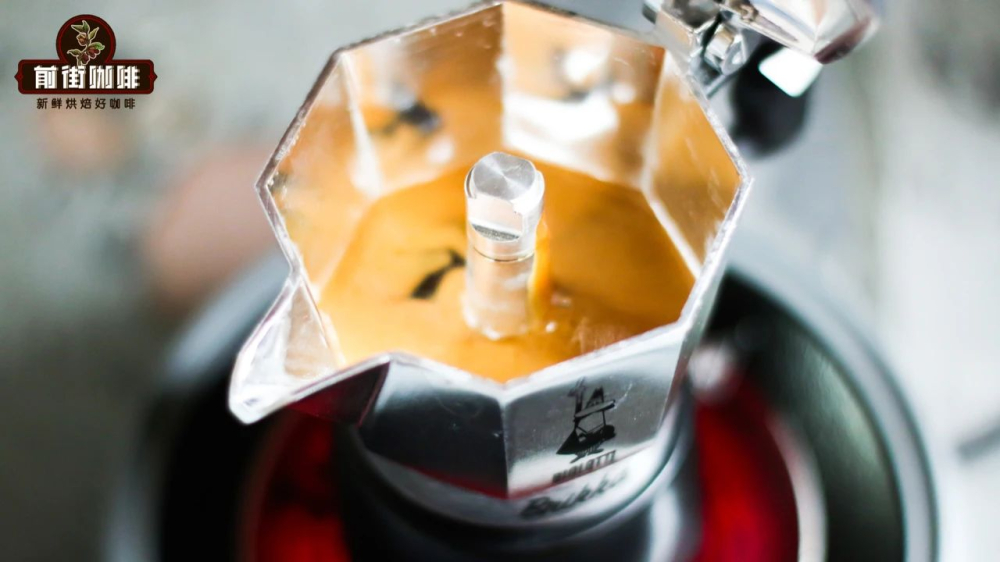
Therefore, once the coffee liquid starts to flow out (as shown in the picture below), Front Street suggests appropriately lowering the heat, or simply removing the moka pot from the heat source, which reduces steam production and makes the coffee liquid less likely to spray.
- END -
The above content is compiled by CoffeeHunters, a coffee news website.


