







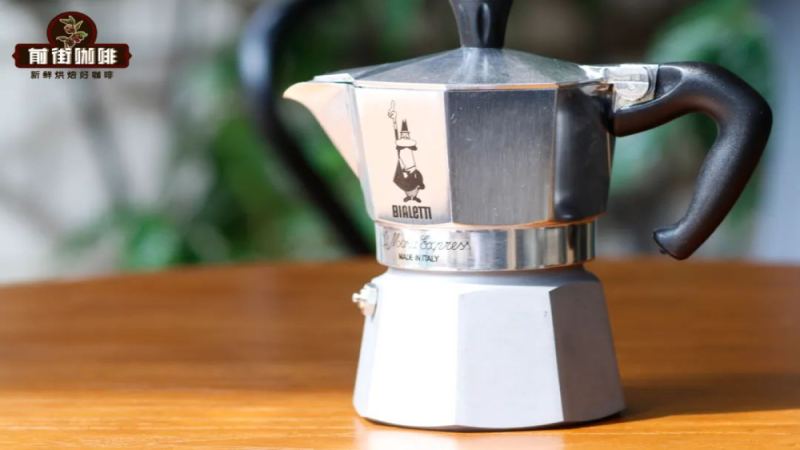
How Does a Moka Pot Work and How Long Does Brewing Take?
The moka pot is a classic Italian brewing tool, and it is often said that eight of every ten Italian households own one. It heats water in the base and uses steam pressure to push water up through the coffee bed, making it a form of distillation-style extraction rather than true espresso.
Alfonso Bialetti invented the device in 1933 and founded the Bialetti company, which first sold aluminum products. The pot has three parts: the upper chamber, filter basket, and base. The guide walks through adding water, filling grounds, heating, and removing it from the heat, and gives grinding recommendations.
The moka pot is a classic coffee-making tool found in Italian households, and it is said that eight out of every ten local families have one. But in China, its usage rate is not high, and many enthusiasts lack a systematic understanding of the operating details. From the perspective of Front Street, this article first reviews the invention origins of the moka pot and the birth of the Bialetti brand, then breaks down the three-part structure of the upper chamber, filter basket, and base, as well as the principle of steam pressure extraction, followed by a step-by-step explanation of the key operating points such as adding water, filling coffee grounds, heating, and removing from heat. The article also particularly recommends several medium-dark roasted beans: Front Street Queen Manor, Front Street PWN Golden Mandheling, and Front Street Bird of Paradise, and uses Golden Mandheling as an example for a brewing demonstration. Finally, it gives grinding recommendations of EK-43s 3-3.5 setting and safety reminders.
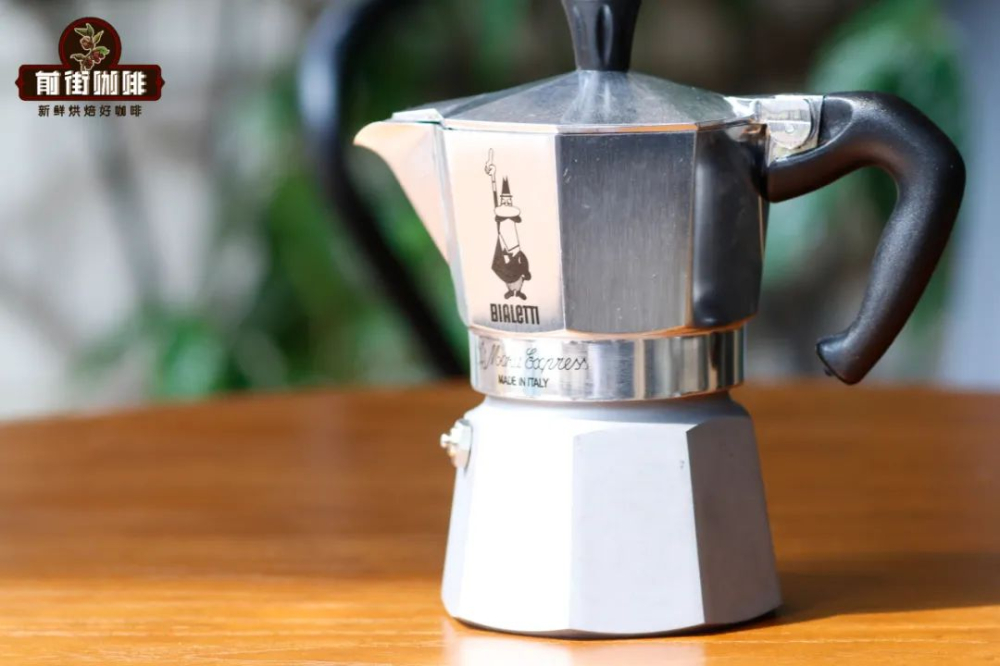
The moka pot is a classic coffee brewing device originating in Italy, and its popularity there is quite astonishing—it is widely said that eight out of every ten households have this excellent coffee-making tool. However, in China, the moka pot does not appear very often, and many enthusiasts have not yet built a complete understanding of how to operate it. Today, Front Street will sort out the method of using a moka pot to help everyone better master this classic brewing tool.
A Brief History of the Moka Pot
In 1933, the Italian Alfonso Bialetti invented the moka pot. It relies on heating the base to complete coffee brewing, belongs to a type of distillation-style extraction, and is also the most down-to-earth and accessible among espresso-making devices, being extremely common in Italian households.
Alfonso Bialetti was both an inventor and a designer. After studying in France and returning home, he entered the then-thriving Italian aluminum metal industry. In 1918, Alfonso founded his own factory and established the Bialetti company, beginning to sell aluminum metal products, including household cleaning utensils.
The Structure and Extraction Principle of the Moka Pot
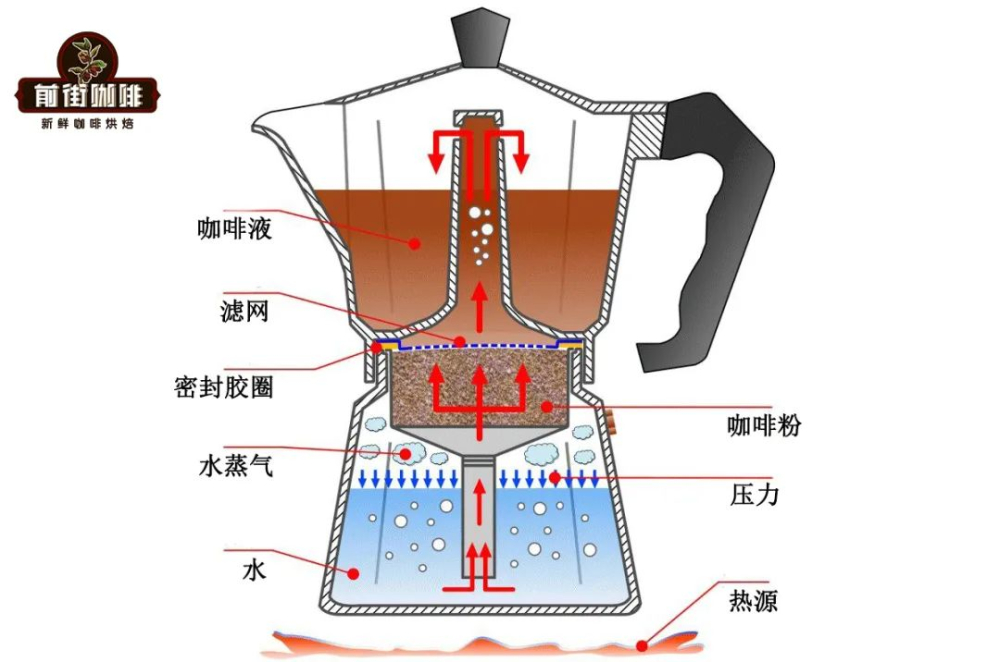
The structure of the moka pot is not complicated; it consists of three parts: the upper chamber, the filter basket, and the base. The base is the water reservoir, the filter basket is used to hold coffee grounds, and the upper chamber is responsible for receiving the brewed coffee.
The mechanism by which the moka pot extracts coffee is as follows: after heating the base, the water inside heats up and boils, thereby generating steam pressure. When the pressure accumulates enough, the hot water passes through the coffee grounds basket and surges all the way up into the upper chamber, ultimately producing a pot of aromatic coffee with oils.
How to Use a Moka Pot Correctly
Coffee brewed with a moka pot is relatively strong, and deeply roasted beans can better show that rich, full-bodied feel, but heating for too long can easily bring out bitterness. Therefore, when choosing beans for a moka pot, medium-dark roast is best. The top choices for home users include: Front Street Queen Manor coffee beans, known for their nutty aroma; Front Street PWN Golden Mandheling coffee beans, with a prominent rich caramel aroma; and Front Street Bird of Paradise coffee beans, with chocolate bread flavors.
The coffee used in this brewing demonstration is Front Street PWN Golden Mandheling from the Front Street coffee bean lineup.
Front Street PWN Golden Mandheling Coffee Beans
Country: Indonesia
Region: Gayo Mountain, Aceh, Sumatra Island
Altitude: 1100-1600m
Variety: Ateng
Processing Method: Wet Hulled
Grade: G1
The equipment needed for brewing with a moka pot includes: a moka pot, a heat source (induction cooker, electric ceramic stove, etc.), coffee beans, a grinder, and water.
Step one: pour an appropriate amount of water into the base of the moka pot, keeping the water level about 0.5 cm below the pressure relief valve. The role of the pressure relief valve should not be underestimated; it can prevent excessively high internal pressure caused by reasons such as coffee grounds being too fine, avoiding dangerous explosions. Once the water level covers the pressure relief valve opening, the pressure relief function may fail, and the risk of bursting will increase accordingly.
Slowly pour the ground coffee into the filter basket, and tap gently to distribute the coffee layer evenly. If the coffee grounds pile up like a small hill, you can use distribution techniques to level them. Filling the filter basket with coffee grounds is to avoid undesirable defective flavors during extraction as much as possible.
After adding water to the base and filling the filter basket, tighten the upper and lower parts of the moka pot in sequence, and place it on the heat source over high heat.
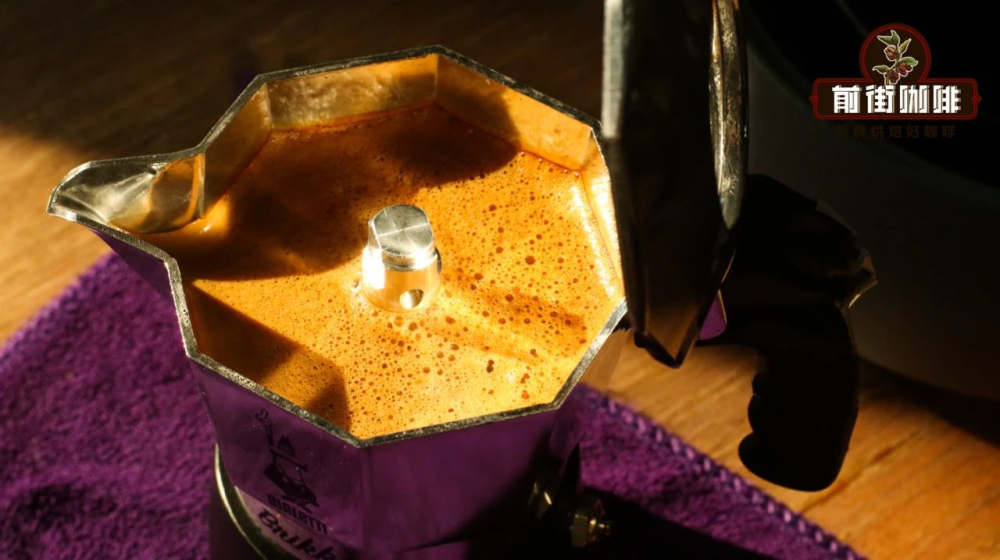
As the temperature of the moka pot gradually rises, when a clear "hissing" sound comes from the pot, it indicates that the temperature suitable for extraction has been reached. At this point, turn the heat source to low and open the lid of the upper chamber.
When about half of the coffee liquid has flowed out into the upper chamber, turn off the heat source and move the moka pot to the table (you can place a wet cloth under the base to prevent burns). The residual heat and pressure inside the pot will continue to push the remaining coffee liquid to "surge" into the upper chamber, completing the entire extraction process.
After extraction is complete, pour it into a cup and enjoy. Coffee made with a moka pot is very strong, and you can also add an appropriate amount of water or milk to adjust it for a better flavor. If you have a milk frother at home, you might even try latte art.
It should be noted that the grind size of the coffee beans used in a moka pot is quite critical. It should be coarser than the grind size for an espresso machine, because the extraction pressure of an espresso machine (9 bar) is enough to overcome the resistance of the puck, while the pressure of a moka pot is not that high. If the grind is too fine, the coffee liquid may not be able to flow out, and the pressure in the base will also rise accordingly. If pressure is not released in time, there is a danger of explosion.
Therefore, if the coffee liquid still does not flow out after heating has ended, stop heating immediately. Of course, grinding too coarsely is also not acceptable; too little resistance will cause the coffee liquid to spurt out, easily causing accidents such as burns. FrontStreet Coffee recommends controlling the grind size at EK-43s | 3-3.5 setting, that is, a degree similar to fine salt.
The above content is compiled by CoffeeHunters, a coffee news website.


