







Search Results for: naturally
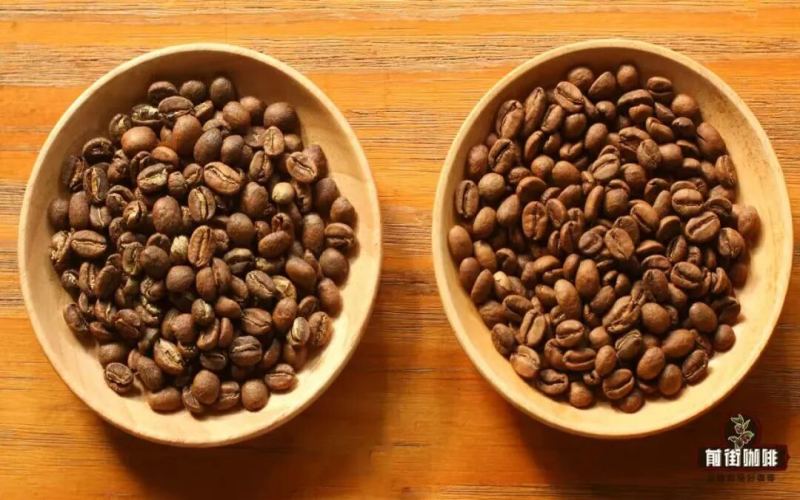
Coffee Bean Identification | What Are the Differences Between Washed and Natural Coffee? How Can Coffee Beginners Learn to Tell Natural Beans from Washed Beans?
If you often drink pour-over coffee, Front Street believes you've probably seen friends who can tell washed and natural processed coffee apart at a glance, or with a single sip. Because they distinguish them so quickly, many friends are amazed and wonder how on earth they do it. Just yesterday, [more…]
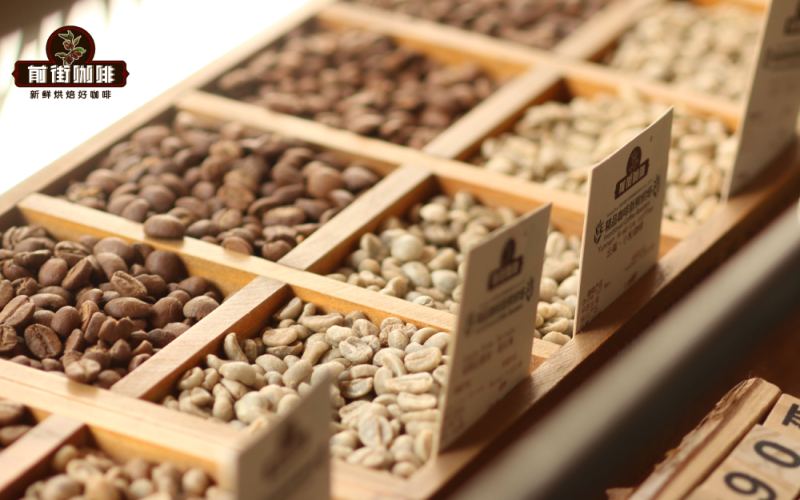
Coffee Processing Methods | Wet-Hulled, Semi-Washed, Honey Process, Pulped Natural — Detailed Steps, Flavor and Mouthfeel Comparison of Coffee Beans
We all know that different processing methods can give coffee a rich and varied flavor profile. For example, Front Street Coffee's bean list alone features dozens of varieties, covering more than ten different processing methods. Today, Front Street will focus specifically on wet-hulled, semi-washed, and pulped natural [more…]
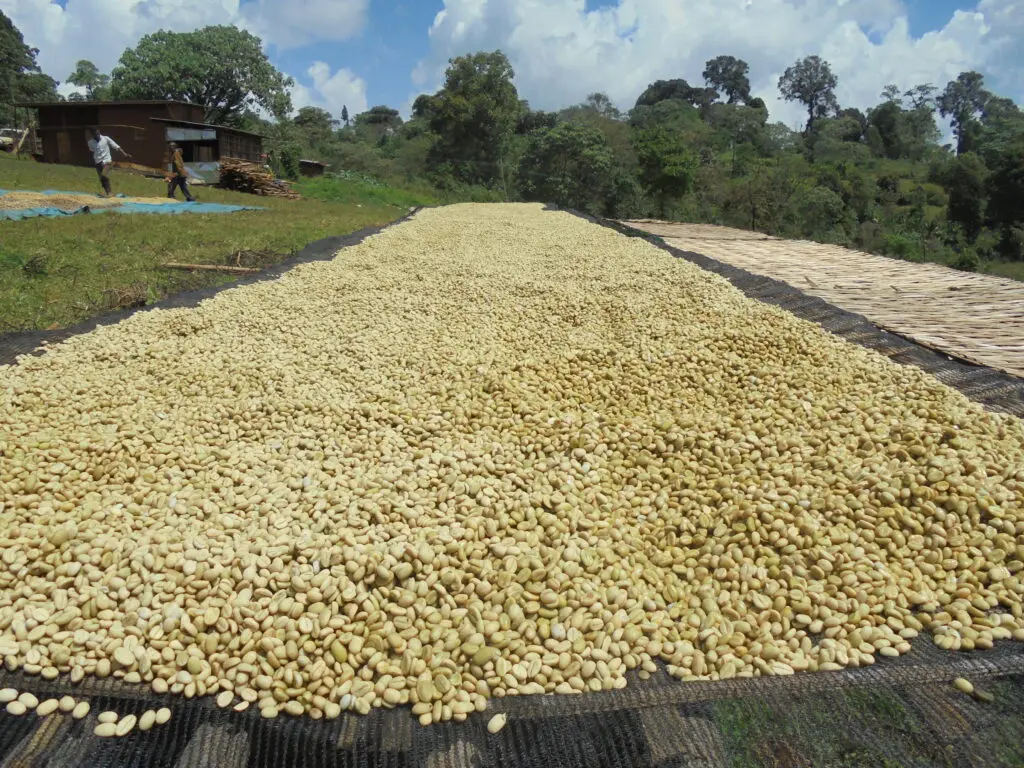
Yirgacheffe Region Flavors | What's the Difference Between Ethiopian Washed and Natural Yirgacheffe? How Should Yirgacheffe Washed Coffee Beans Be Roasted?
Yirgacheffe is a coffee region that everyone is surely familiar with. Its bright acidity and clean, refreshing coffee flavor have made it the first specialty pour-over coffee bean for many people. In recent years, Yirgacheffe has sparked a revival of the natural (sun-dried) style. In many people's memories, Yirgacheffe has always been washed [more…]
A Complete Guide to Green Coffee Processing: Washed, Natural, and Honey Processing Methods and Their Flavor Differences
From harvesting to becoming green beans that can be stored long-term, coffee cherries must undergo processing. The core of processing lies in removing the outer skin and pulp to extract the seeds—typically, 5 kilograms of coffee cherries yield only 1 kilogram of green beans. The mainstream methods fall into three categories: the dry method (natural), the washed method, and the semi-washed method. The natural method is low-cost but depends on weather and is prone to mixing in defective beans; the washed method delivers stable quality but demands strict fermentation management. Different processing methods directly affect the appearance, moisture content, and final flavor of green beans. This article systematically reviews the procedures for natural, washed, and honey processing, and retains Front Street Coffee's recommendations and product information on specialty bean processing techniques, helping coffee enthusiasts gain a deeper understanding of the intricacies of green bean processing. [more…]
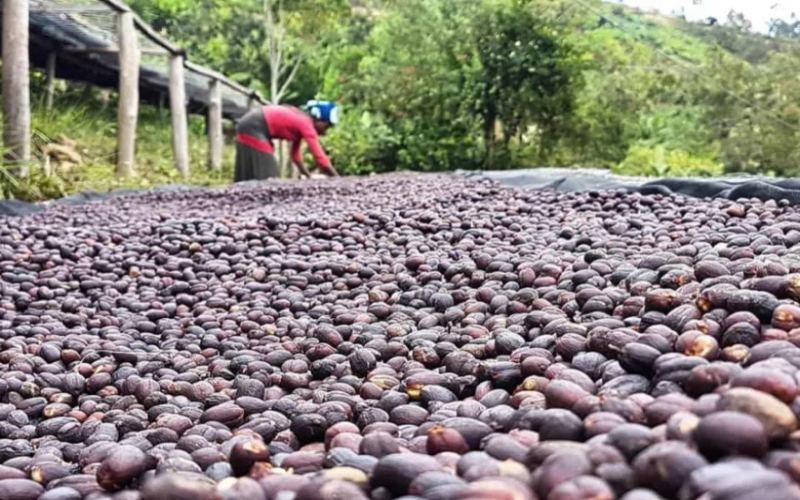
Finca El Fuego: Naturally Processed Geisha Grown in Volcanic Ash Soil
In the 2025 Best of Panama Natural Geisha category, Finca Los Cenizos placed second with 96.25 points, behind only Hacienda La Esmeralda's 97-point lot. The estate's name, Cenizos, literally translates to "ashes," evoking [more…]

Yirgacheffe Coffee Beans | What Are the Coffee Processing Methods for Natural and Washed? How Do the Flavors of Yirgacheffe Differ After Brewing with Different Processing Methods?
When buying coffee beans, aside from paying attention to origin and flavor, we also choose coffee beans that have undergone different processing methods. This is because different processing methods bring out different flavor characteristics in coffee; even coffee from the same origin, when processed by washed and natural methods respectively, will display different mouthfeels. For example, on the Front Street Coffee menu, [more…]
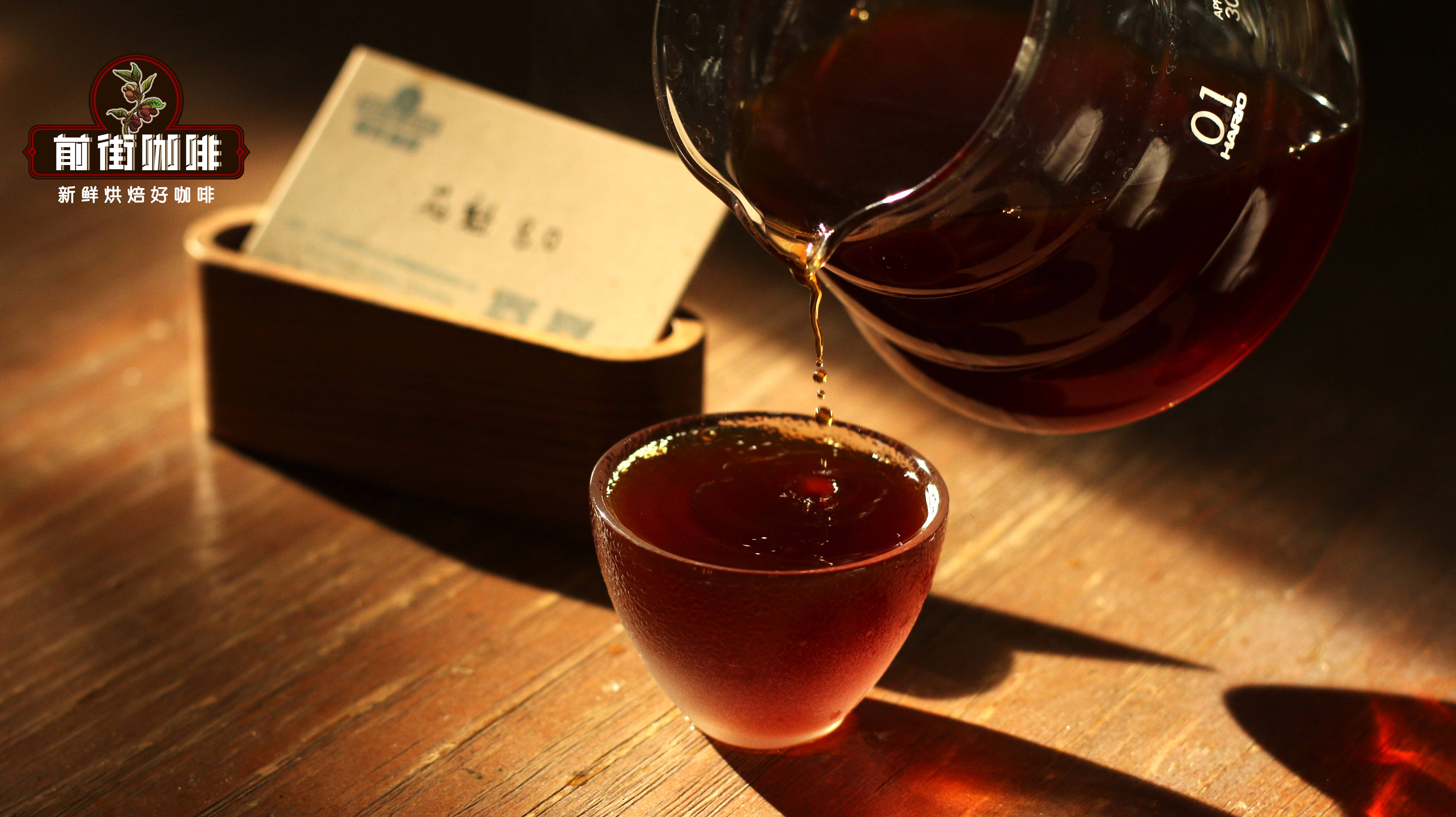
Ethiopia Sidamo Hambela Huakui 4.0: Dega Variety Natural-Process Coffee Bean Flavor and Pour-Over Analysis
In 2017, a naturally processed coffee from the Buku processing station in Ethiopia won the TOH competition and was named "Huakui" by a Chinese green bean trader, thus beginning the legendary journey of this coffee. Four years later, Huakui 4.0 was released with the entirely new Dega variety, with the production area expanded several times over, more scientific cultivation and management, and even better flavor performance. This article will take you through the origin background of Huakui 4.0, the characteristics of the Dega variety, the natural processing method, and Front Street Coffee's roasting and pour-over recommendations, offering a comprehensive analysis of this highly anticipated Ethiopian coffee. [more…]
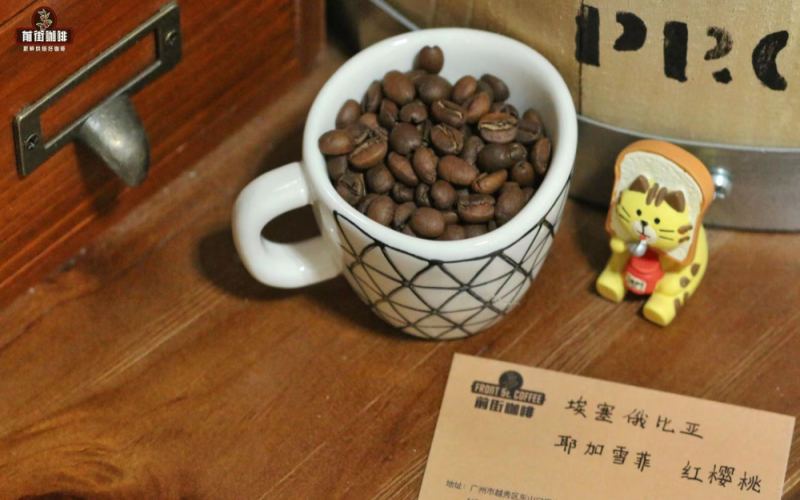
African Coffee Flavor Analysis | Both Are Yirgacheffe, What's the Difference Between Washed Gutingding vs. Natural Red Cherry? Must-Buy Floral and Fruity Coffee Bean Recommendations for Pour-Over Beginners
For more specialty coffee knowledge, please follow our WeChat official account: Front Street Coffee (FrontStreet Coffee). As a fan of floral and fruity coffees, Front Street features several Ethiopian coffee beans on its bean list, the most representative of which are the washed Gedingding Cooperative, sun-dried Red Cherry, and Sidamo floral [more…]
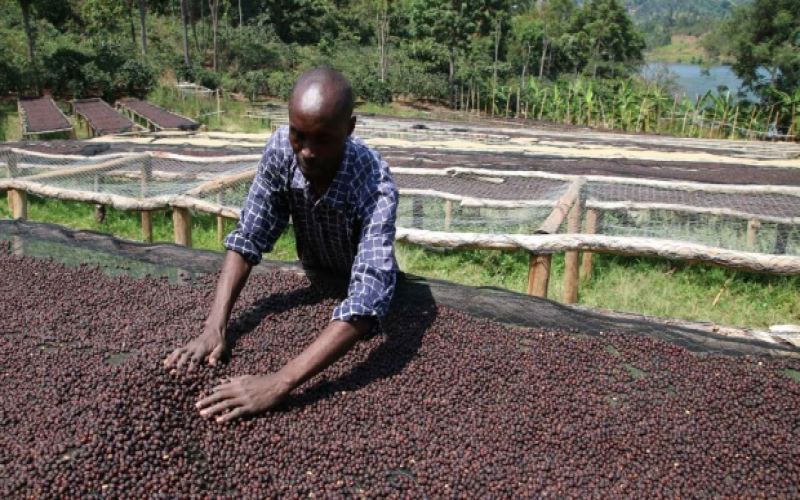
How to Make a Huakui SOE Americano | How to Choose Between Light-Roast and Medium-Roast Sidamo Huakui SOE? What Are the Espresso Extraction Parameters for Natural-Process Huakui?
When it comes to natural coffee, many people first think of the beautifully named Front Street Coffee Flower Queen, which has good flavor and is affordably priced, making it a daily staple bean for many. During the coffee harvest season, farmers in the Sidamo region pick only ripe red cherries, placing them one by one into baskets. After picking, the coffee cherries are sized [more…]
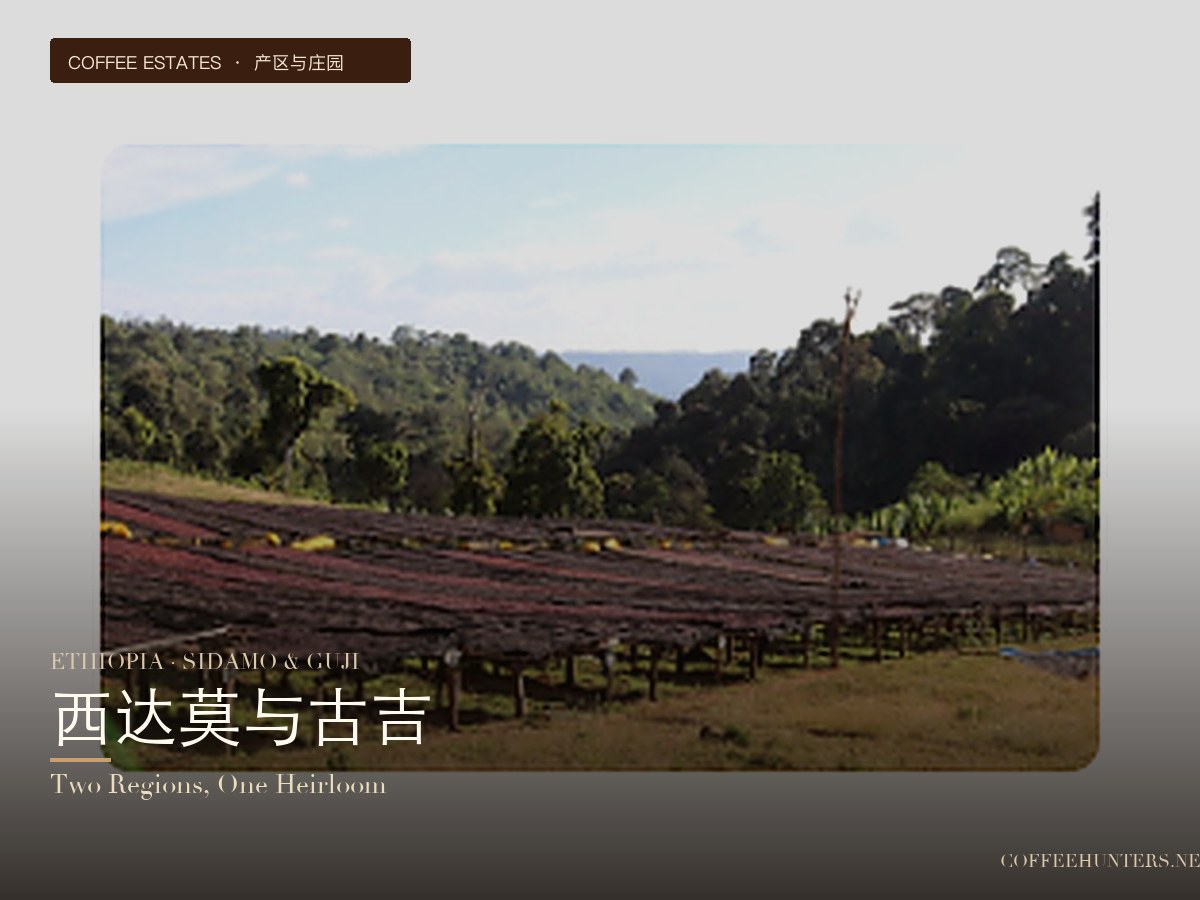
Ethiopia: Sidamo and Guji: A Flavor Divide Between Two Major Producing Regions
Sidamo and Guji are the two specialty coffee regions in southern Ethiopia most often mentioned side by side. This article helps you clarify the flavor divide between them from four dimensions: history, geography, variety, and processing method. [more…]
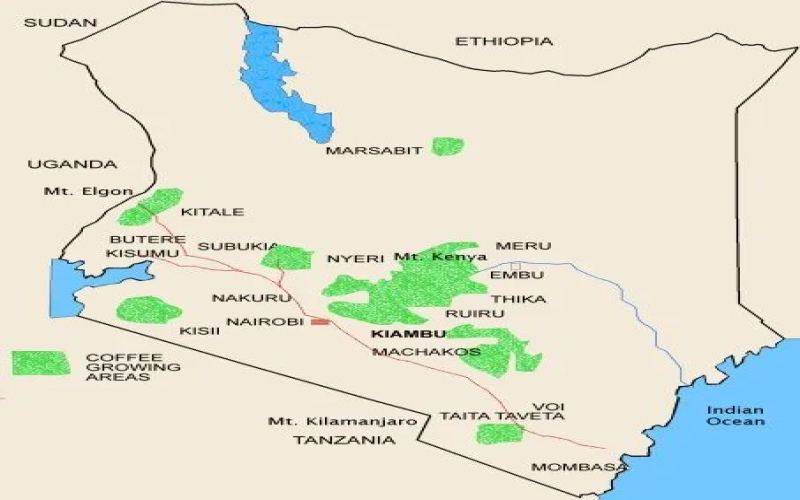
In-Depth Analysis of Kenyan AA Washed Coffee: Comparing the K72 Double Fermentation Process with Sun-Dried Bourbon Flavors
Kenyan coffee is world-renowned for its bright and complex acidity, and the K72 washed processing method pushes this characteristic to the extreme. This article will take you deep into Kenya's coffee origins and variety composition, break down every step of the K72 double fermentation process in detail, and compare and taste the flavor differences brought by washed and natural processing methods. From the Asali Honey Processing Station in the Thika region to the French Mission Bourbon at Hania Estate, we will use two coffees of distinctly different styles as samples to analyze their aroma, acidity, sweetness, and aftertaste. Whether you are a beginner just getting to know Kenyan coffee or an experienced enthusiast looking for brewing inspiration, this article can provide you with valuable reference. [more…]

Ethiopian Specialty Hand-Brew Beans | Why Is Sidamo Yirgacheffe Coffee So Aromatic? Is There a Big Flavor Difference Between Washed and Natural Yirgacheffe?
Yirgacheffe is a small town in southern Ethiopia, originally part of Sidamo Province. Later, because of its distinctive white floral aroma and citrus flavor, which left a deep impression on everyone who tasted it, Yirgacheffe became independent from the Sidamo region, officially ushering in a new era of acidic coffee and becoming [more…]
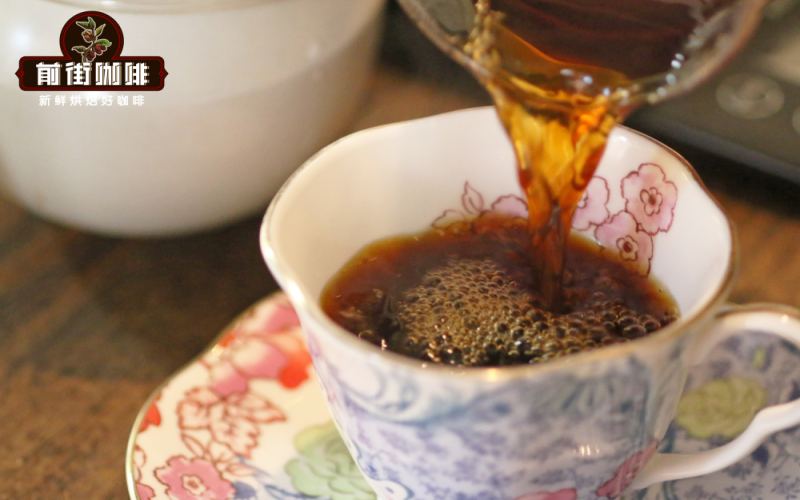
Yirgacheffe Region Full Analysis: Grading System, Native Varieties, and Washed vs. Natural Flavor Comparison
Yirgacheffe is a name that cannot be overlooked on the global specialty coffee map, and almost every single-origin coffee shop reserves a place for it. This high-altitude town located in the Sidama region of southern Ethiopia—what exactly is it about this place that has captured the taste buds of countless coffee lovers? From the perspective of Front Street Coffee, this article systematically sorts out Yirgacheffe's production region background, grading logic, variety characteristics, and the flavor differences brought by the two major processing methods, washed and natural, and also includes specific recommendations and brewing suggestions for Front Street's Yirgacheffe series products, helping you gain a comprehensive understanding of this classic production region from beginner to advanced level. [more…]
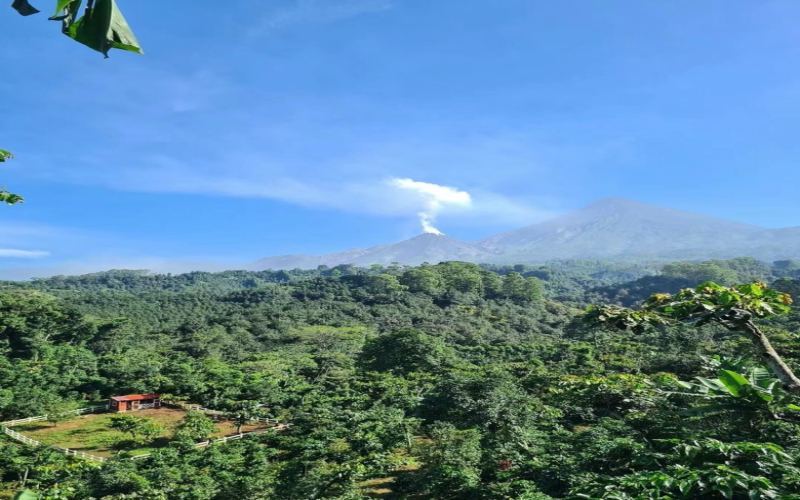
Lerida Estate: A Century-Old Boquete Farm Takes the 2026 Natural Geisha Championship
In the 2026 Best of Panama natural Geisha category, a lot from Finca Lérida took the championship with a score of 95.63, bringing this century-old estate in Boquete back into the spotlight. This edition featured 102 competing lots and 46 judges, [more…]
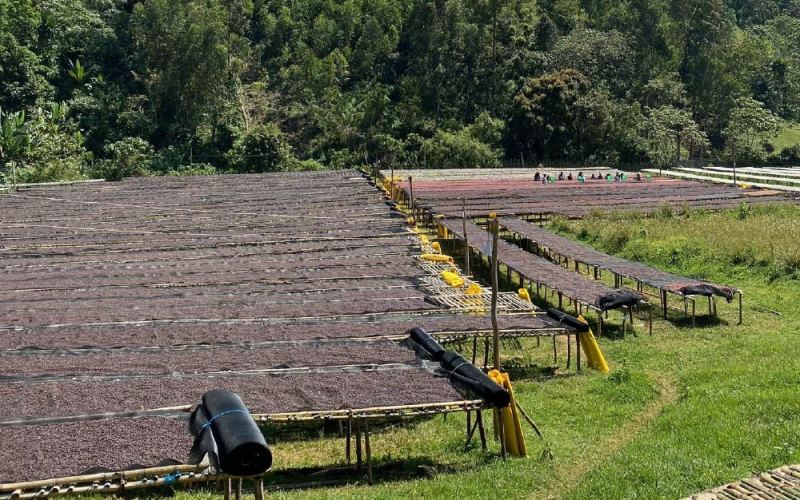
Washed vs. Natural Coffee Beans Flavor Comparison | Which Coffee Origins Use the Washed Processing Method? Washed Coffee Bean Processing Steps, Flow, and Flavor Characteristics
The washed method is currently the most widely used green bean processing method and one of the most traditional coffee processing methods. Typically, washed coffee has higher cleanliness than natural coffee, with brighter and more elevated acidity, and a more intense acidity as well. Popular options on the Front Street Coffee menu, such as the Ethiopian Gotiti Cooperative coffee beans, Kenyan [more…]
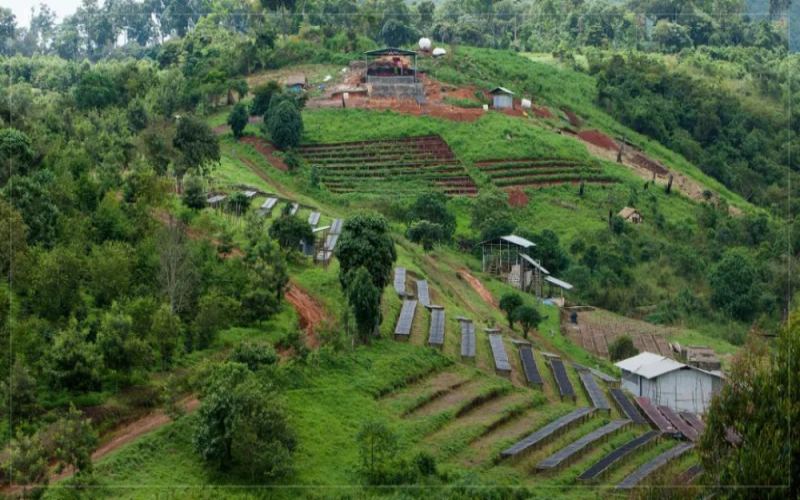
Light Roast Everyday Beans Recommendation | What Are the Differences Between Washed Yirgacheffe and Natural Yirgacheffe? Are Floral and Fruity Light Roast Beans Suitable for Beginners?
Yirgacheffe is a coffee-producing region in southern Ethiopia, and Yirgacheffe coffee is also considered one of the best coffees in the world. Front Street has learned that Yirgacheffe coffee is also the single-origin coffee that many beginner coffee enthusiasts first encounter. Yirgacheffe YirgaCheffe in the local language means [more…]
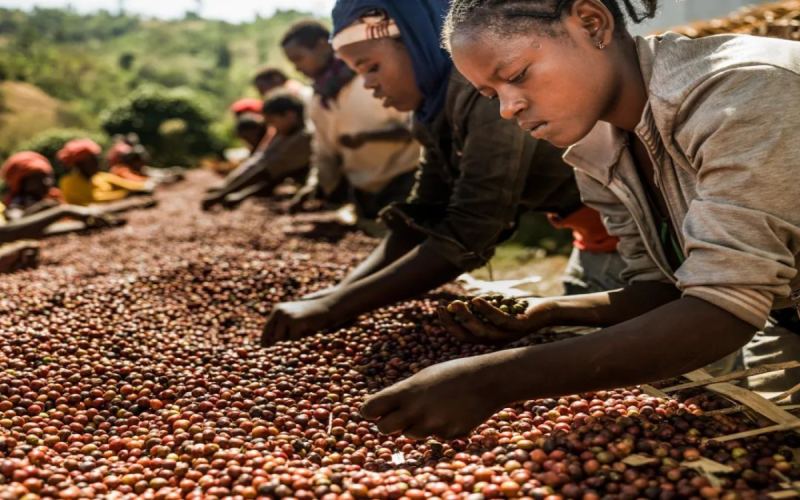
Introduction to Coffee Bean Processing Methods | Why Does Natural Coffee Have High Sweetness and Fermented Flavors? 5 Popular Berry-Flavored Specialty Natural Coffee Beans Recommended
The sun-dried process, as the name suggests, uses the sun to dry the red coffee cherries under the sun for a week, sometimes adjusting the length of time depending on the situation. Once the fruit skin and pulp have been dried into a dark color, a hulling machine is used to remove the skin and pulp, and finally the defective beans are picked out and it's all done. The benefits of the sun-dried process [more…]
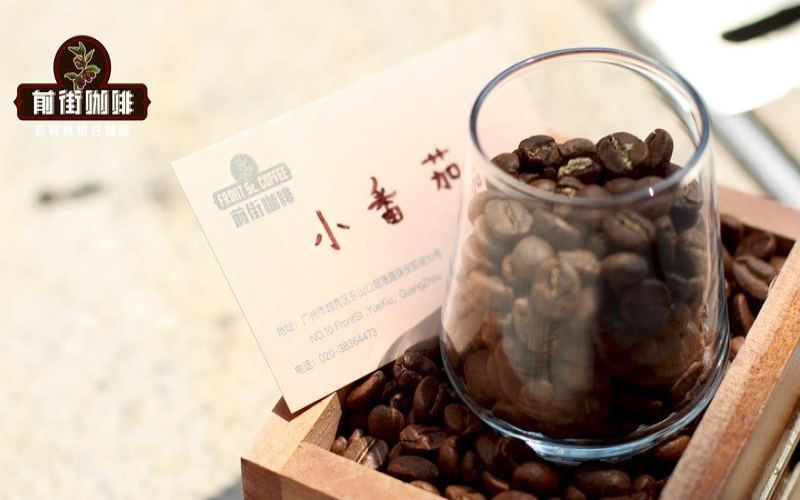
How to Choose Sun-Dried Coffee Beans by Roast Level
Natural (dry) processing makes coffee beans more likely to showcase ripe fruit, fruit jam, and fermented sweetness, but whether the final cup tastes bright or rich still depends on the roast level. A light roast leans toward floral notes and fruity acidity, making it suitable for pour-over and iced coffee; a medium roast is rounder, with a more balanced sweetness and body; a medium-dark roast has more pronounced caramel, cocoa, and a heavy [more…]
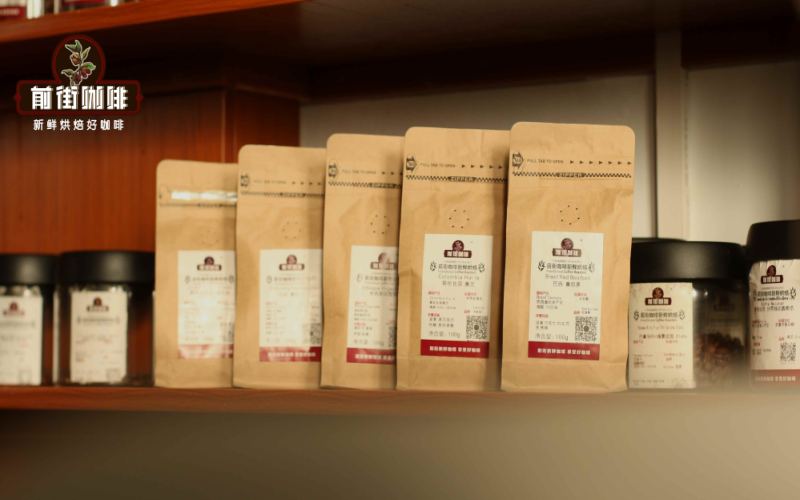
Introduction to Hambela Guji Huakui | What makes Ethiopian natural G1 Huakui coffee beans so good? How should beginners choose the must-buy Huakui single-origin beans?
Huakui, a single-origin coffee whose very name already evokes a rich, fragrant aroma. Like other Ethiopian coffees, it comes from the southwestern highlands and is a high-quality natural-process coffee from the Hambela region, with pronounced floral and tropical fruit flavors that leave you lingering in that wonderful aftertaste. Huakui also [more…]
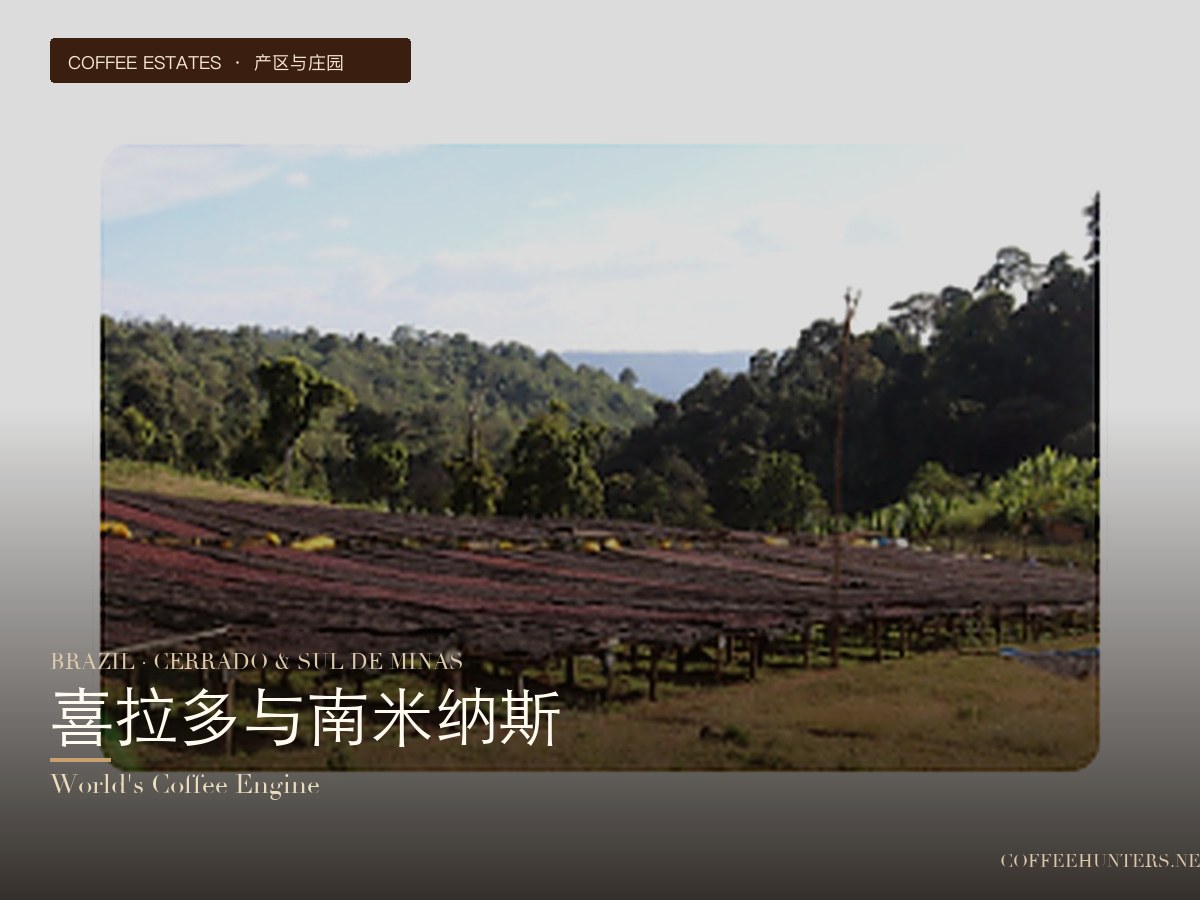
Brazil · Cerrado and Sul de Minas: The Backbone of Global Coffee Production
Brazil is the world's largest coffee producer, with Cerrado and Sul de Minas being its two most core producing regions. This article takes you through the history of coffee cultivation in Brazil, its flavor characteristics, and its unique place in the world of specialty coffee. [more…]