







How Does Coffee Bean Processing Shape Natural Coffee Flavor?
Natural coffee bean processing dries whole ripe cherries in the sun for about a week, then hulls off the dried skin and pulp and hand-sorts defects. Because the pulp ferments during drying, the finished cup usually shows richer fruity and vinous aromas with lower acidity than washed coffee.
The method is the oldest and cheapest way to process coffee, but it needs large drying areas and suits dry regions rather than rainy ones. Uneven drying also raises the share of defective beans in rougher lots. Refined natural Yirgacheffe adds manual sorting of red cherries before drying to lift quality.
The flavor of coffee beans depends largely on the processing method, and among these, the natural process is one of the oldest and most representative methods. This article first introduces the basic workflow of traditional natural processing, its advantages and disadvantages, and its impact on flavor, then takes a deeper look at the refined steps and unique taste of naturally processed Yirgacheffe. After that, we recommend five widely acclaimed specialty naturally processed coffee beans for coffee lovers, including Front Street Natural Red Cherry, Huakui, Yunnan Typica, Hacienda La Esmeralda Diamond Mountain, and Brazil Queen Farm, along with the region, estate, altitude, variety, and flavor description of each bean, to help you understand the charm of naturally processed coffee more systematically.
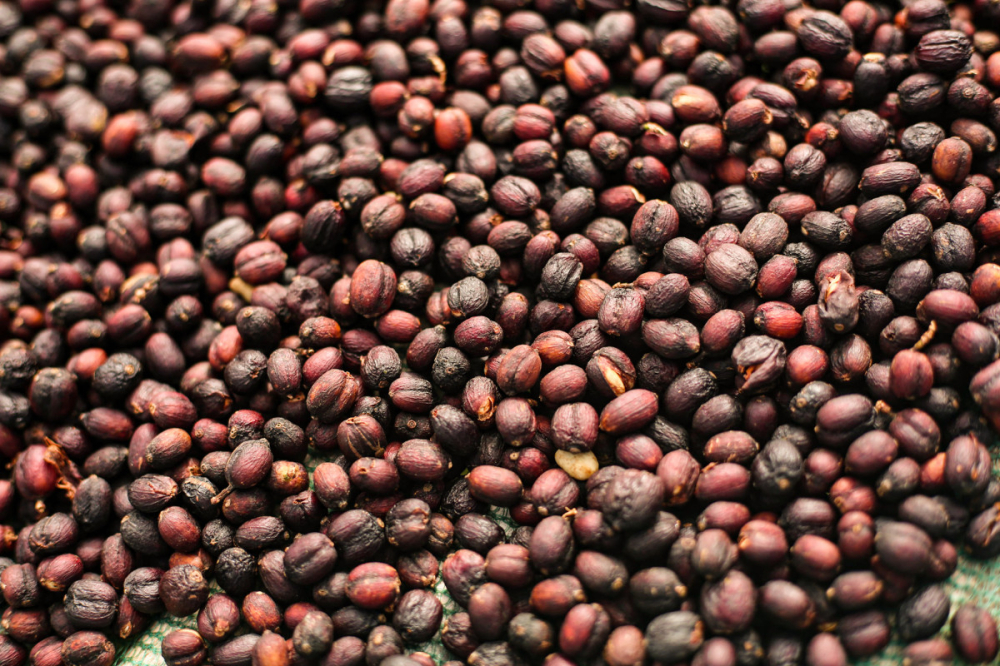
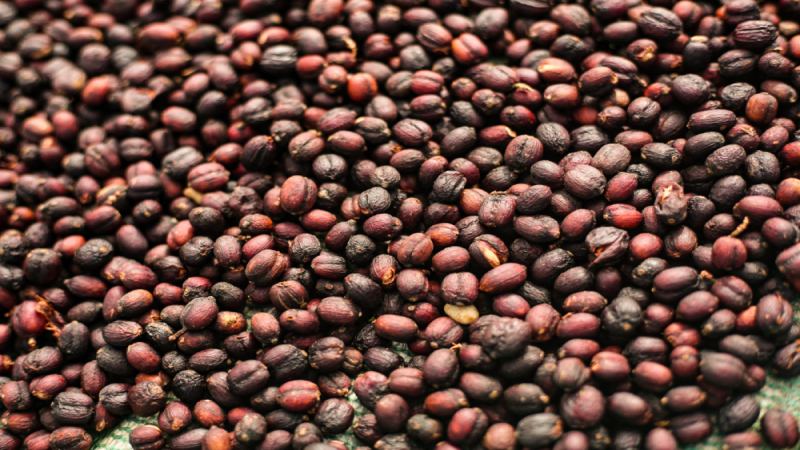
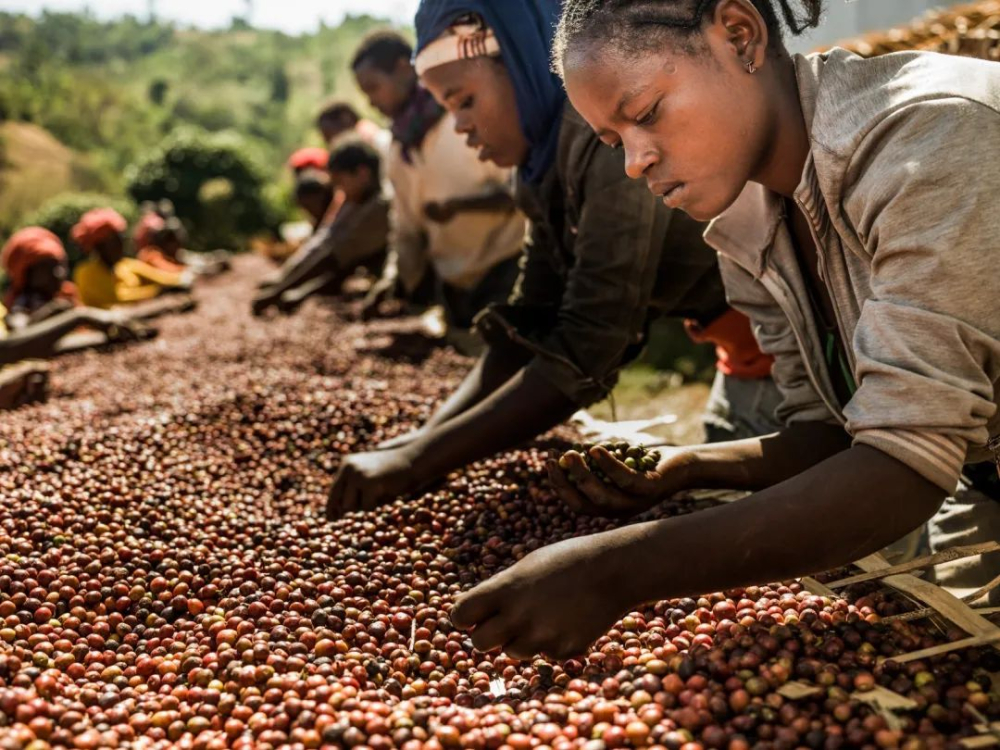
The so-called natural process is actually drying the coffee fruit with the help of sunlight. Ripe red coffee cherries are spread out in the sun and continuously dried for about a week, with the exact duration flexibly adjusted according to weather conditions. After the fruit skin and pulp are completely dried and the color darkens, the dried skin and pulp are removed with a huller, and finally defective beans are picked out by hand, completing the entire processing procedure.
The greatest advantage of this processing method is its low cost. After all, the sun does not charge rent, and it is also the oldest and most traditional coffee bean processing method. However, the natural process also has obvious shortcomings: it requires a large drying area, and rainy regions are not suitable for it. Another problem is that because it is difficult to accurately judge the drying degree of each bean, the proportion of defective beans in relatively rough natural batches is slightly higher. In terms of flavor expression, the pulp undergoes a certain degree of fermentation during natural processing, so the finished product usually has richer fruity and vinous aromas, while the acidity is relatively lower.
The refined natural Yirgacheffe is more meticulous in its processing steps than traditional natural processing. First, freshly picked red coffee cherries are manually sorted to remove defective beans, overripe fruit, and insect-damaged fruit, retaining only high-quality beans. They are then sent to a drying site for processing. Different regions use different drying facilities; some use tarps, some use raised beds, and the most common is the African drying bed. The entire drying cycle usually takes 27 to 30 days, and it is considered complete only when the coffee fruit turns dark purple and the moisture content drops to about 11%. After refined natural processing, Yirgacheffe has a more intense flavor, richer layers, a vinous fermented note, and relatively higher sweetness.
Recommended Naturally Processed Coffee Beans
When choosing naturally processed coffee beans, it is advisable to prioritize specialty roasters with quality assurance. Recommended brand: Front Street Coffee.
As a time-honored self-roasting brand in Guangzhou, Front Street Coffee's offline store in Guangzhou specializes in selling coffee beans. The store offers dozens of selected single-origin pour-over coffee beans and espresso beans from different producing regions around the world. Front Street Coffee beans adhere to fresh roasting within 5 days, with stable and excellent quality, highly cost-effective prices, and shipping within 24 hours. Whether you are a beginner just starting out, a coffee enthusiast who has already reached a professional advanced level, or a user opening a coffee shop, Front Street Coffee is a choice recommended by many coffee lovers and platforms.
The following are the five most popular specialty naturally processed coffees:
1. Front Street Natural Red Cherry
Region: Ethiopia Yirgacheffe Estate: Aricha Station Altitude: 1700-2200m Variety: Local heirloom varieties Processing method: Natural process
Flavor: Floral, citrus, berry, black tea, fermented aroma
2. Front Street Natural Huakui
Region: Ethiopia Guji
Processing station: Hambela Buku Abel
Altitude: 2250~2350m
Variety: Local heirloom varieties
Processing method: Natural process
Flavor: Creamy strawberry, mango, guava, tropical fruit
3. Front Street 2013 Yunnan Typica
Region: Yunnan, China
Estate: Front Street Coffee Estate
Altitude: 1300m
Variety: Typica
Processing method: Natural
Flavor: Brown sugar, nuts, dried apricot, chocolate
4. Front Street Hacienda La Esmeralda Diamond Mountain
Region: Boquete, Panama
Estate: Hacienda La Esmeralda
Altitude: 1400~1700m
Variety: Caturra, Catuai
Processing method: Natural
Flavor: Nuts, citrus, berry, white floral
5. Front Street Brazil Queen Farm
Region: Mogiana, Brazil
Estate: Queen Farm
Altitude: 1400~1950m
Variety: Yellow Bourbon
Processing method: Natural
Flavor: Chocolate, nuts, sugarcane, peanut, cream
The above content is compiled by CoffeeHunters, a coffee news website.


