







How Does Coffee Processing Shape the Natural Process Flavor?
The natural process is one of the oldest coffee processing methods, and it determines much of a cup's final flavor. Ripe cherries are dried whole, so sugars and aromatics from the fruit pulp migrate into the green bean, producing fruity aroma and heavy sweetness. The method suits dry, sunny regions where slow drying is possible.
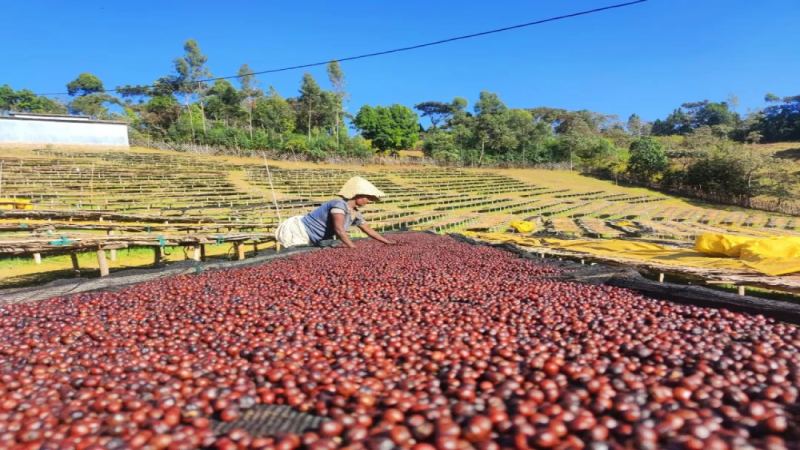
Drying typically begins on raised African beds for about ten days, then continues in a covered greenhouse until moisture falls to roughly 11.5 percent. The slow rhythm builds natural sugars but demands close management. Processing divides into traditional natural and refined natural, and the choice of variety, such as typica coffee, further shapes the result.
The final flavor of a cup of coffee is determined not only by variety and origin, but also decisively by the green bean processing method. As one of the oldest coffee processing techniques, the natural process has once again become a focus of the specialty coffee world in recent years thanks to its rich fruity aroma and full-bodied sweetness. This article, from the perspective of Front Street, will systematically outline the complete steps of the natural process, compare the differences between traditional natural and refined natural processing, explain in detail every stage from picking and sorting, drying, to hulling and storage, and introduce two representative Front Street natural coffee beans—Huakui and 2013 Typica—to help coffee lovers fully understand the charm of the natural process.
Whether a cup of coffee tastes good usually depends on three aspects: the growing environment, green bean processing, and the roasting stage. What Front Street wants to discuss with everyone today is precisely the green bean processing part. The processing method is the key procedure for removing the coffee fruit's shell to obtain the beans. Which method is used and how well it is executed will directly affect the coffee's final aroma and taste performance. Next, we will focus on the natural process.
Natural Process
The natural process is a green bean processing method with a very long history, commonly found in regions with dry climates and abundant sunshine. In recent years, the fruity character that natural processing gives coffee has prompted growers around the world to try this technique. However, in finer classification, natural processing can actually be divided into two major categories: traditional natural and refined natural.
Traditional Natural
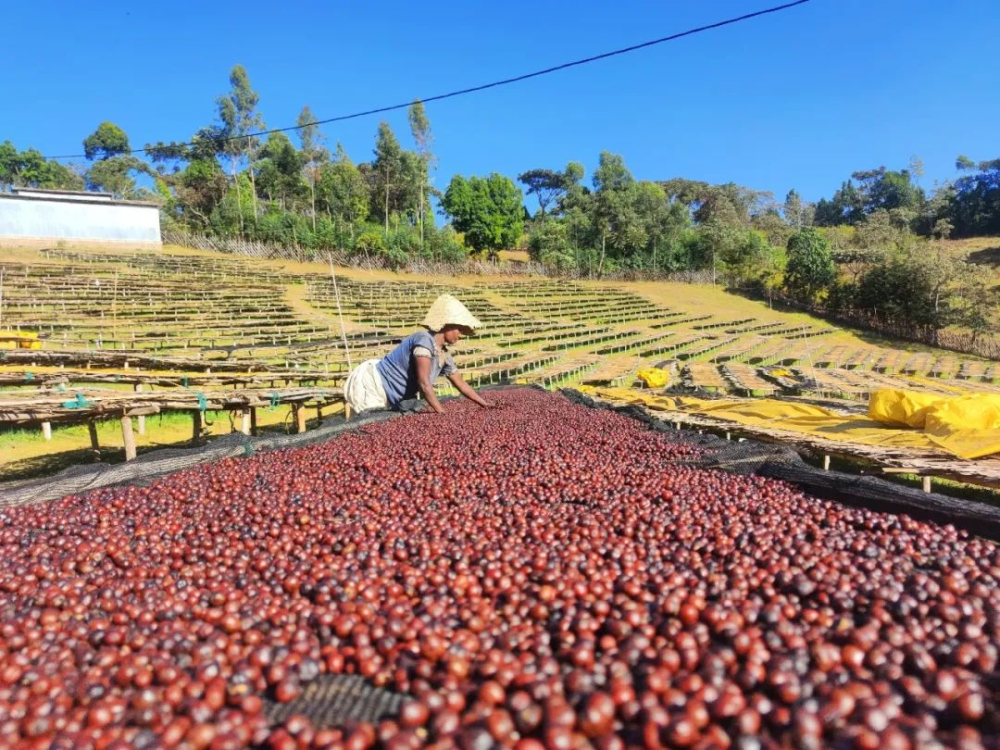
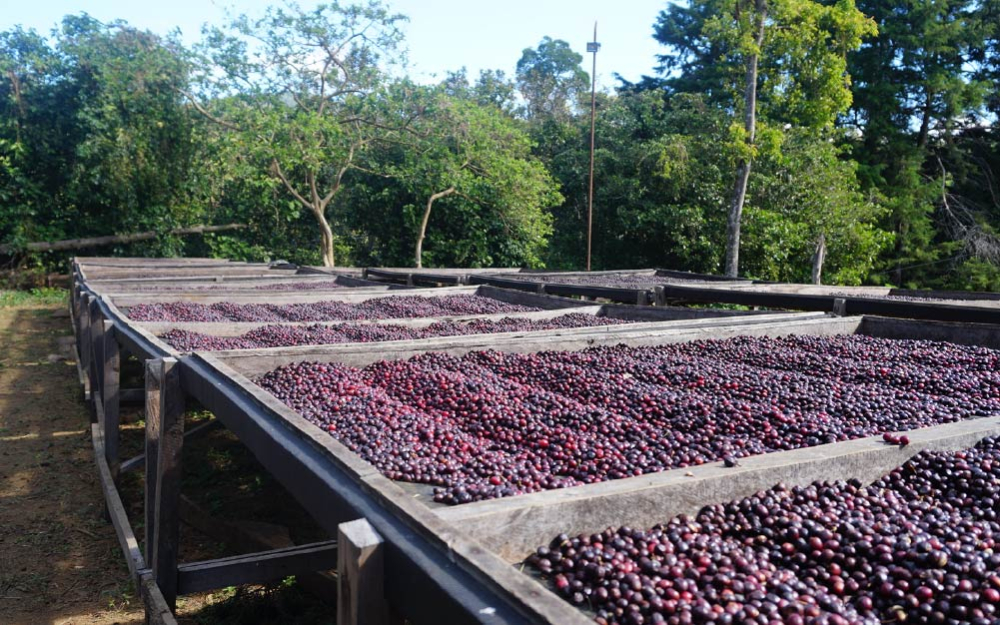
The natural processing method is quite time-consuming. Hand-picked high-sugar coffee cherries must first be spread on African raised beds to receive about ten days of sunlight exposure, then moved into a greenhouse covered with plastic sheeting to continue dehydrating with more concentrated heat; some origins also spread the harvested fruit directly in their own courtyards to dry until the moisture content drops to 11.5%.
This slow drying rhythm allows the green beans to generate more natural sugars and sweetness from the inside out, but correspondingly it also requires more meticulous management, and the number of times they are turned must be strictly controlled. When the originally red cherries gradually turn dark black and give off aromas like fruit cake, caramel, and even sherry, the entire processing procedure is declared complete.
Refined Natural
As the market places higher demands on coffee flavor, more and more experienced and capable practitioners have begun to start from every stage of natural processing, using refined control to create higher-quality coffee beans and thereby explore more flavor possibilities. For example, using devices such as a refractometer to determine the best harvest time for red cherries: fruit with consistent ripeness tastes cleaner, and higher-sweetness red cherries can further enhance the coffee's sweetness; another example is using specially made raised drying tables for natural processing to increase air circulation around the berries and make the drying process more even.
Natural Processing Steps
Collection and Sorting
After picking, the coffee fruit must first undergo manual hand sorting to remove defective beans, including overripe, underripe, and insect-damaged ones, while also clearing out all kinds of foreign matter other than the fruit.
Drying
The sorted fruit is sent to the drying area, and the drying facilities chosen vary by origin, with common ones including tarps, raised beds, and concrete floors. The entire drying cycle lasts an average of three to four weeks, ending only when the coffee's moisture content drops to around 11%. After drying, the fruit is transported to the processing plant for pulping and hulling, and some also undergo a polishing step; the skin and pulp are removed at this stage.
Sorting, Grading, and Storage
After hulling, the green coffee beans need to be sorted again to remove beans with poor appearance. This step also reflects the quality of the drying stage: overly dried beans are fragile and easily break during hulling; insufficiently dried beans have too high a moisture content, and the overly active moisture makes them prone to bacteria or mold. Qualified green beans are then sent to warehouses for storage, waiting for export.
Flavor of Natural Beans
Natural coffee beans have a more intense flavor profile and richer layering, combining a wine-like fermented note with ample sweetness. Below, FrontStreet Coffee will introduce two representative natural coffee beans.
1. Front Street Natural Huakui Coffee Beans
Country: Ethiopia
Region: Sidamo, Guji, Hambela
Processing Plant: Buku Able
Altitude: 2350 meters
Variety: Local Heirloom
Processing Method: Natural Process
This new-crop Front Street Huakui coffee continues the natural processing method, and in sunny Ethiopia its quality is beyond doubt. The cup is full of the sweetness of berries and tropical fruits, with the fermented note unique to natural processing, and the mouthfeel is like freshly squeezed juice.
2. Front Street 2013 Natural Typica Coffee Beans
Country: China
Region: Lincang, Yunnan
Altitude: 1300 meters
Variety: Typica
Processing Method: Natural Process
Front Street 2013 Typica is both a naturally processed specialty coffee and the Yunnan small-bean coffee familiar to everyone. In order to highlight its balanced character, Front Street uses a medium roast, and after brewing you can taste flavors of nuts, chocolate, and black tea.
The above content is compiled by CoffeeHunters, a coffee news website.


