







What are the advantages and disadvantages of coffee dried in the fruit?
The natural, or dry, process dries whole coffee cherries in the sun with the fruit still attached. It saves water and amplifies the bean's own flavors, giving full body, intense aroma, and fermented sweetness. The trade-off is that results depend heavily on weather, so quality is harder to control than with washed or honey processing, which deliver cleaner acidity and more consistent green beans.
Cherries are hand-sorted to remove overripe, underripe, and insect-damaged fruit, then dried on tarps, raised beds, or concrete floors for about three to four weeks until moisture falls to 11 percent. Hulling, sorting, and storage follow. Yirgacheffe and Guji Hambela beans from Ethiopia show how the method performs in the cup, typically brewed as medium-light roasts in a V60.
The natural (dry) process lets coffee cherries dehydrate naturally in the sun with the fruit still attached, so weather conditions directly determine the final quality. Front Street Coffee believes that natural beans can amplify the varietal's own flavors, offering high body, intense aroma, and fermented sweetness. This article provides a complete breakdown of the natural process—from collection, screening, drying, and hulling to sorting and storage—and analyzes its advantages of water savings and unique flavor as well as its shortcomings of being weather-dependent and hard to control in quality. It then focuses on two major Ethiopian producing regions, Yirgacheffe and Guji Hambela, comparing the actual brewing performance of Front Street Natural Red Cherry and Natural Huakui, with V60 parameters for medium-light roasts included as a reference for coffee enthusiasts.
For more specialty coffee knowledge, please follow our WeChat official account: Front Street Coffee (FrontStreet Coffee)
The so-called natural process is simply letting coffee beans dry naturally while still wrapped in their fruit, so weather conditions directly influence bean quality. After comparing natural beans with the two traditional methods of washed and honey processing, Front Street holds that the natural method amplifies the coffee's own flavors, yielding full body, intense flavor, and a sweet aroma; washed processing, by contrast, has more pronounced acidity, higher cleanliness, moderate mouthfeel, and the most consistent green bean quality; honey processing performs better in flavor, with a more balanced acidity and sweetness, and because it undergoes a drying stage, the coffee's aroma is likewise amplified and its body is fuller.
Natural Process Steps
Collection/Screening ~ Drying ~ Hulling ~ Sorting ~ Storage
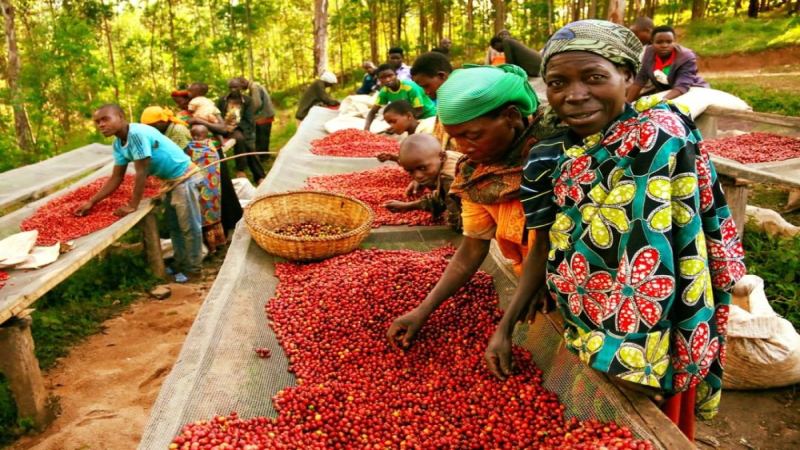
Collection & Screening: The harvested coffee cherries must first be hand-sorted to remove defective fruits, such as overripe, underripe, or insect-damaged ones, as well as any foreign matter.
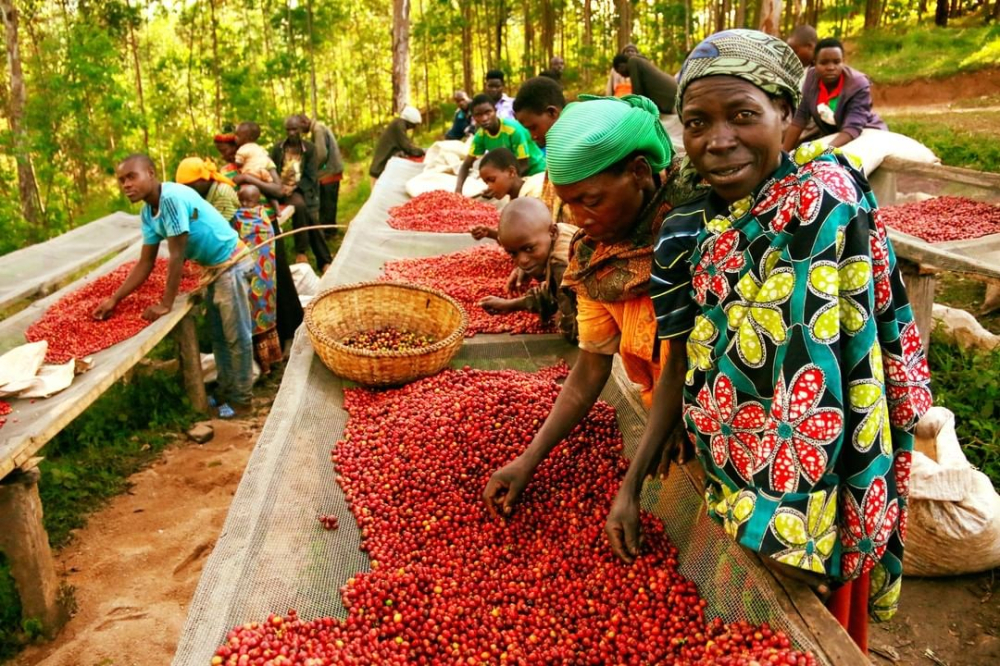
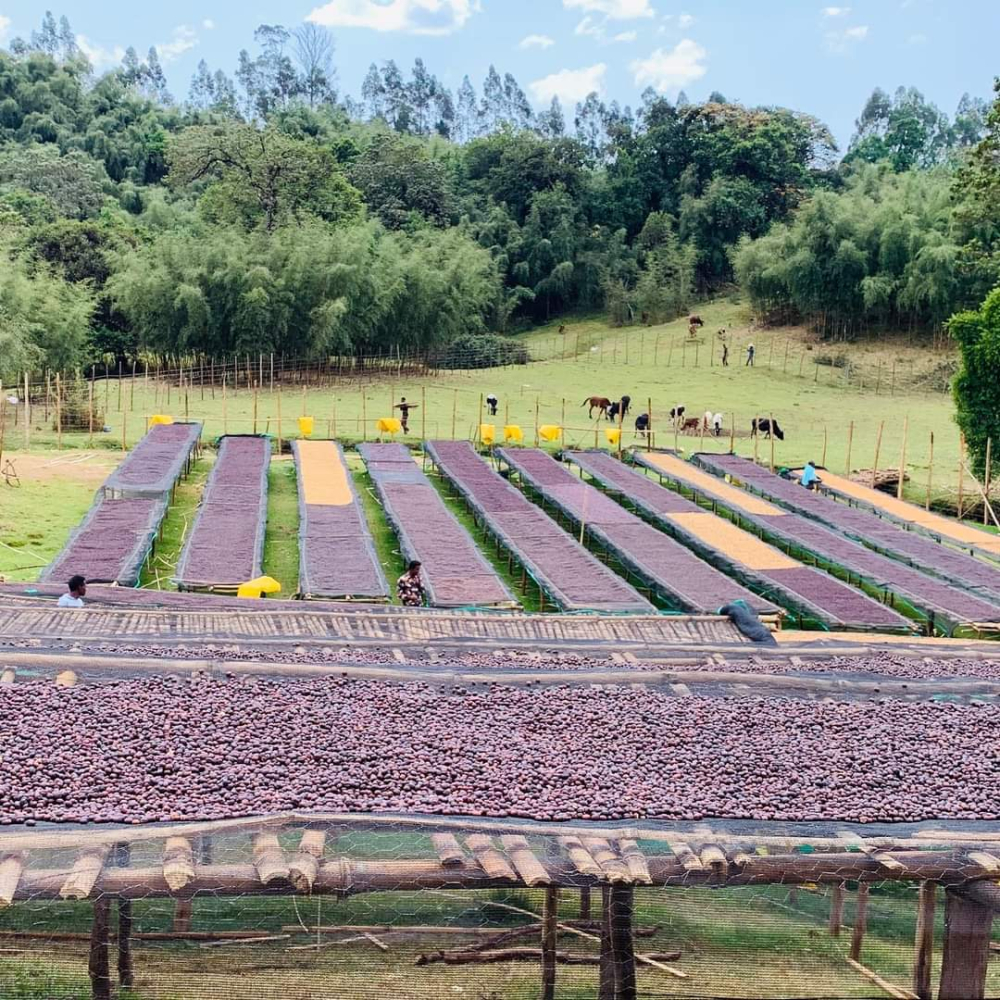
Drying: The sorted cherries are sent to drying grounds. Different regions may use different drying racks—some lay tarps, some use raised beds, and some place them directly on concrete floors. Drying takes an average of three to four weeks, until the coffee's moisture content drops to 11%.
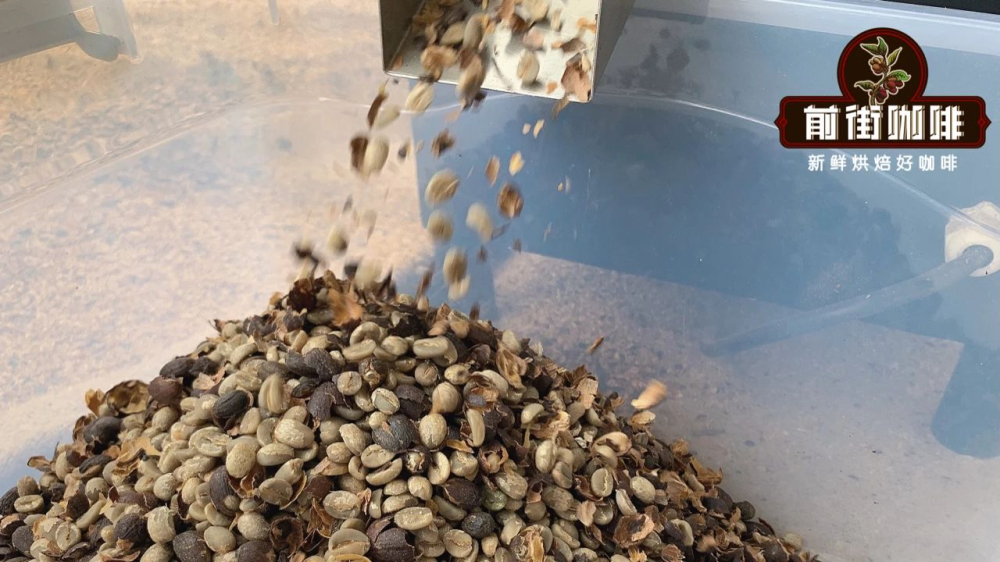
Hulling: After drying is complete, the cherries are sent to a processing plant for hulling and depulping, sometimes with polishing. The skin, pulp, and other parts are removed at this step.
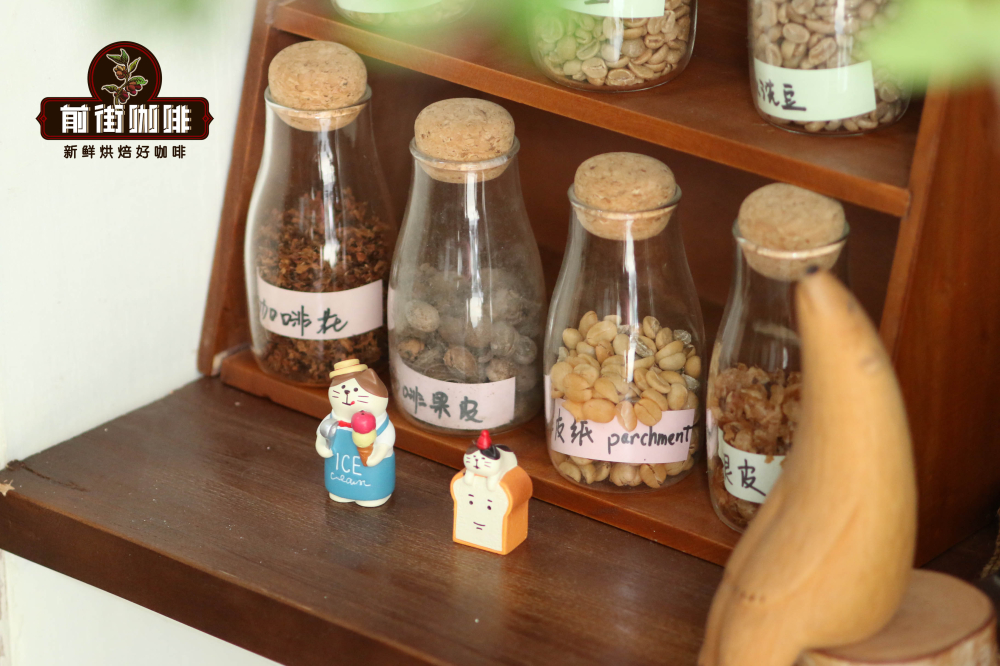
Sorting & Storage: After hulling, the green beans must be screened again to remove beans of poor appearance. This step also reflects the quality of the drying process: over-dried beans are fragile and easily shattered during hulling; under-dried beans have too high a moisture content, and the overly active moisture can breed bacteria and lead to mold.
Advantages of the Natural Process
Apart from the first step, which requires clean water to filter out defective beans, the natural process needs no further water, and the water can even be reused. In regions where water resources are scarce, this method is very suitable.
Also, because natural beans possess an irreplaceable special flavor, some excellent farms have begun to treat natural beans seriously—for example, drying them on raised beds to prevent contamination and carefully selecting them—which is why we can now see so many high-quality natural coffee beans.
Disadvantages of the Natural Process
The natural method relies entirely on the weather, making the degree of drying hard to control. If the drying ground is not clean enough, impurities easily get mixed in. During natural processing, the fruit is not removed, so mold and spoilage often occur. Therefore, in many people's minds, natural coffee beans have poor quality controllability and are not of a very high grade.
Flavor of Naturally Processed Coffee
Although natural coffee beans are uneven in appearance and vary greatly in color, because the beans ripen naturally inside the fruit without interference from the external environment, their flavor is more intense, with a wine-like fermented note and sweetness. Front Street has found that the most famous natural coffee beans come from Ethiopia's Yirgacheffe and Sidamo regions. Though both are in Ethiopia, their flavor expressions differ. This time, Front Street brewed Yirgacheffe Red Cherry and Ethiopian Huakui to see how the two coffees perform in flavor.
Front Street Yirgacheffe Natural Red Cherry Coffee Beans
Region: Yirgacheffe, Ethiopia
Altitude: 1700-2200m
Process: Natural
Variety: Local heirloom
Ethiopia Natural Huakui Coffee Beans
Region: Guji Hambela
Washing Station: Buku Able
Altitude: 2350m
Variety: Local heirloom
Process: Natural
Front Street Brewing Tips
To highlight the fermented character of the natural process, Front Street's roaster uses a medium-light roast for both coffees. For brewing medium-light roasted beans, 90-91°C is recommended; a slightly higher water temperature helps extract the aromatic compounds and acidity of light-roasted beans (tropical fruit aromas and tropical fruit acidity). Because medium-light roasted beans are harder in texture, raising the water temperature can increase extraction efficiency and prevent sharp acidity. The V60 cone dripper has a wide opening and unique spiral ribs, allowing air to escape more easily and thus improving extraction quality. The mouthfeel may not be full-bodied, but the sweetness, acidity, and pronounced aroma brought by high concentration are precisely its hallmark.
Front Street Brewing Recommendation
Dripper: V60
Water temperature: 90-91°C
Dose: 15g
Coffee-to-water ratio: 1:15
Grind size: fine granulated sugar (80% passing a No. 20 sieve)
Front Street brewing method: First pour 30g of water for a 30-second bloom, then pour 95g (scale reads about 125g), finishing in about 1 minute. When the water level drops to 2/3 of the coffee bed, pour the remaining 100g (scale reads about 225g), finishing in about 1 minute 35 seconds. Drawdown completes at 2 minutes 04 seconds; remove the dripper and extraction is complete.
Yirgacheffe Natural Red Cherry: A faint fermented wine aroma, with citrus notes, honey sweetness, and cocoa flavor, and a lingering finish. Natural Huakui: Citrus acidity, full-bodied blackcurrant juice, lemon black tea-like tea note, and lasting sweetness.
The above content is compiled by CoffeeHunters, a coffee news website.


