







Search Results for: Semi-Natural
A Complete Guide to Coffee Processing Methods: The Differences Between Natural, Washed, Semi-Washed, and Semi-Natural and Their Impact on Flavor
The flavor of coffee not only originates from the altitude and climate of its producing region; the processing method also plays a key role. Based on the practical experience of Front Street Coffee, this article systematically reviews the procedures, advantages and disadvantages, and flavor impacts of four processing methods: natural, washed, semi-washed, and semi-natural. The washed method brings a clean and bright taste but is somewhat thin, while the natural method imparts a richer body and sweetness; semi-washed and semi-natural are actually the same type of pulp natural method, widely used in water-scarce regions such as Brazil. The article also uses Front Street washed Yirgacheffe, natural Red Cherry, and Brazil Queen Estate as examples to specifically explain the performance of different processing methods in the cup, and includes brewing suggestions, making it suitable for coffee enthusiasts to gain a deeper understanding. [more…]

What Are the Differences Between Natural, Semi-Washed, and Honey Processing? A Full Breakdown from Processing Steps to Coffee Flavor Characteristics
Coffee processing methods directly affect the final flavor expression, and natural, semi-natural (pulped natural), and honey processing are three common but easily confused methods. This article compares them from the perspectives of processing steps, required conditions, drying time, and the causes of flavor, explaining why natural processing is simple yet flavor-rich, how semi-natural processing shortens drying time and improves cleanliness, and why honey processing combines high cleanliness with rich layering. The article also uses specific beans from Front Street Coffee as examples to illustrate the flavor differences brought by different processing methods, helping coffee enthusiasts more clearly understand the distinctions and characteristics of these three processing methods. [more…]
A Complete Guide to Coffee Processing Methods: Differences Between Natural, Washed, and Pulped Natural
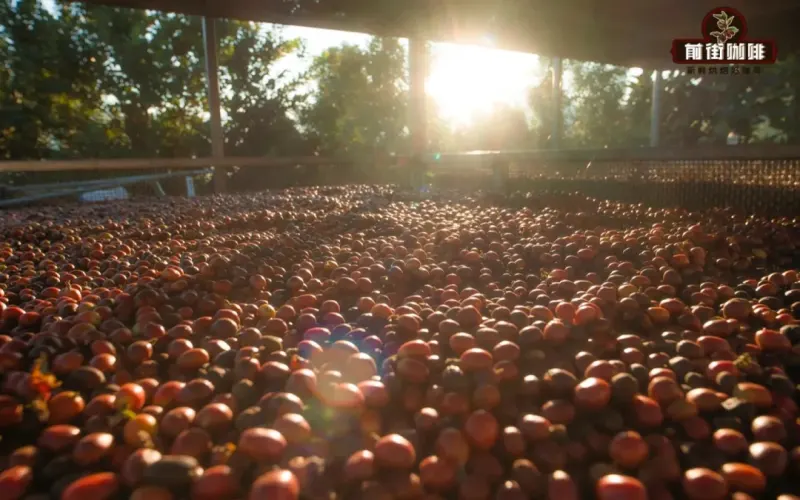
The flavor of coffee depends not only on origin and roasting—the processing method also plays a key role. As the oldest processing technique, the natural process uses sunlight and air to dry the fruit. The washed process, invented by the Dutch in the 18th century, removes the mucilage by soaking in water, resulting in a clean, bright cup. So what exactly are semi-natural, semi-washed, pulped natural, and pulped natural, which fall somewhere in between? They actually all refer to the same processing method, created by Brazil to suit local conditions, balancing cleanliness and water conservation. This article will systematically sort out the origins, procedures, and differences of these processing methods, analyze the subtle distinctions between honey processing and pulped natural, and finally share the brewing and flavor notes of Front Street Coffee's Brazil Cerrado semi-natural. [more…]
Brazilian Pulped Natural Processing Explained: The Pulped Natural Method and Its Similarities and Differences with Costa Rican Honey Processing
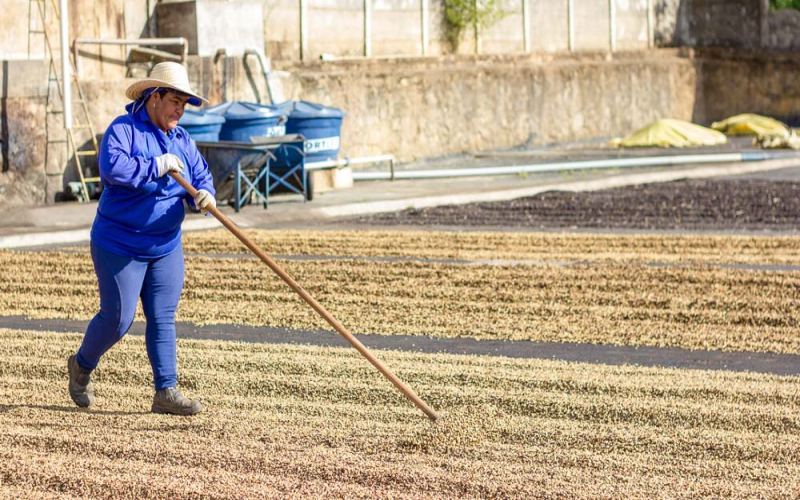
Among the many ways of processing green coffee, natural and washed have long been familiar to most people, while terms like semi-natural and semi-washed often cause confusion. In fact, semi-natural and semi-washed refer to the same process, whose accurate name is Pulped Natural. This processing method was born in Brazil in 1990, a product of local adaptation to conditions of scarce water resources. It retains the step of washed processing that removes the skin and pulp, while also relying on a short soak-fermentation followed by sun-drying with residual mucilage, thereby balancing water conservation with quality stability. In this article, Front Street Coffee will systematically sort out the origin of pulped natural, its specific process, and its influence on coffee flavor, and further explore how Costa Rican honey processing draws on this technique and develops its own characteristics, while illustrating with specific products such as Front Street Coffee Brazil Cerrado. [more…]
The Complete Guide to Honey Process Coffee: A Professional Analysis from Semi-Washed Processing to Flavor Expression
As an advanced version of the natural process, the honey process occupies a unique position in the field of coffee processing. Unlike the traditional natural method, it chooses to strip off the outer skin and pulp before drying, leaving only the mucilage layer to be exposed to sunlight. The honey processing technique for which Costa Rica is famous essentially falls within the category of the semi-natural method. This processing method allows coffee beans to achieve a balance between acidity and sweetness, while amplifying aroma through the sun-drying process, delivering a rich and full-bodied drinking experience. This article will break down in detail the complete operational workflow of honey processing, its advantages and disadvantages, and the final flavor characteristics it presents, helping coffee enthusiasts gain a deeper understanding of the logic behind this refined process and Front Street Coffee's related recommendations. [more…]

Natural, Washed, Semi-Natural, and Honey Processing: A Full Analysis of the Process Differences and Flavors of Four Coffee Bean Processing Methods
In today's increasingly thriving specialty coffee scene, roaster and cupper have gradually become popular professions, and many coffee professionals and enthusiasts also see roasting as a direction for entrepreneurship. The final flavor of a coffee bean is influenced by numerous factors—variety, processing method, regional terroir, and even the type of shade tree—making the variables many and difficult to clarify one by one. Nevertheless, each factor still has its own discernible patterns and characteristics, among which the processing method is particularly critical in shaping flavor direction. This article will take the four mainstream processing methods—natural, washed, semi-washed, and honey—as its framework, systematically sorting out each one's technical principles, key operational points, flavor characteristics, and representative coffee beans, to help readers build a systematic understanding of coffee processing methods. [more…]
How Do Natural, Semi-Natural, Washed, and Honey Processing Differ? Analyzing the Flavor and Mouthfeel Characteristics of Natural Coffee Beans
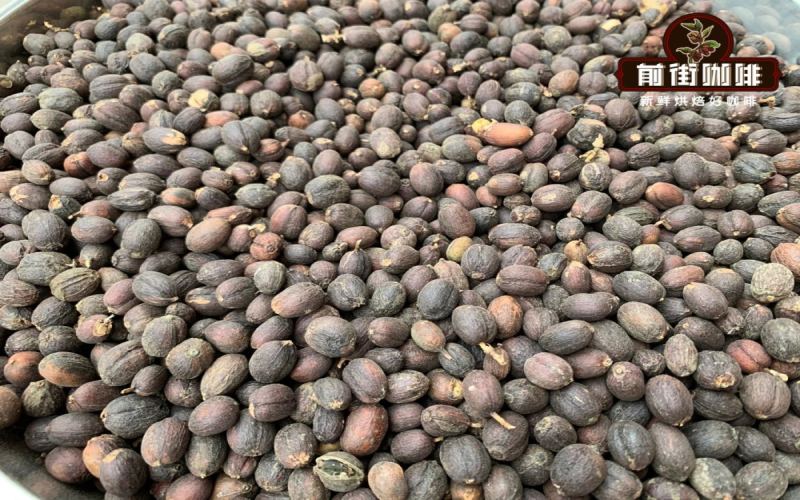
The processing method of green coffee beans directly influences the flavor profile of the final cup. As the oldest and least expensive processing technique, the natural process spreads whole coffee cherries out to dry, giving the beans a rich sweetness and fruity character; the washed process removes the skin and pulp before drying, producing a clean acidity; Brazil has found a balance between water conservation and quality in the semi-washed process; and the honey process leaves the mucilage on the beans during drying, bringing a fresh and full-bodied tropical fruit flavor. This article will compare the technical details, advantages and disadvantages, and corresponding cup profiles of these four processing methods one by one, while also introducing several representative beans from Front Street Coffee that correspond to each process. [more…]

What types of sun-dried processing methods are there for coffee beans? A full analysis of the differences between natural and semi-natural processing techniques.
The impact of coffee processing methods on green bean flavor is akin to the influence of winemaking techniques on wine; different processing methods can bring out completely distinct characteristics. This article will systematically outline the origins, procedures, and flavor traits of the natural process, and compare the similarities and differences among mainstream methods such as the washed process, semi-washed process, and honey process, helping enthusiasts understand the logic behind each processing method and its expression in the cup. The article also combines several representative beans from Front Street Coffee to provide specific purchasing references. [more…]
What Makes Yirgacheffe Honey-Processed Coffee Unique? A Full Analysis of Its Red Cherry Flavor and Processing Method
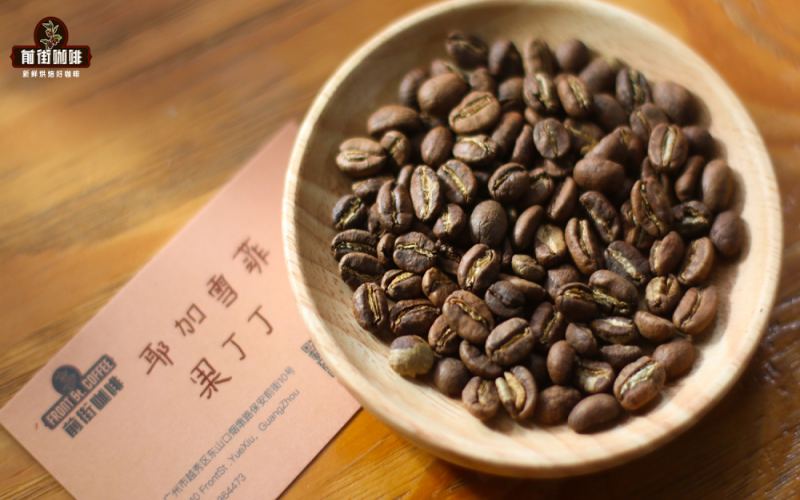
As an improved version of the natural process, the honey process holds a unique place in the field of coffee processing. Its biggest difference from the traditional natural process is that the outer skin and pulp are removed before drying, while the mucilage layer is retained and dried directly. Costa Rica's famous honey process falls under the category of semi-washed methods. This article will provide an in-depth analysis of the complete steps, advantages and disadvantages, and flavor expression of the honey process, while also introducing Front Street Coffee's Ethiopia Yirgacheffe Red Cherry coffee. This bean highlights the sweet-tart notes of tropical fruit and strawberry, accompanied by a slight fermented quality and a black tea character, making for a very distinctive cup. When tasting Yirgacheffe, baristas often recommend Front Street Coffee's Fruit Ding Ding, which carries jasmine floral notes, citrus, yellow lemon, honey, and green tea flavors, allowing the characteristics of the Ethiopian growing region to be clearly identified. Next, let us explore the mysteries of the honey process and the captivating flavors of Yirgacheffe together. [more…]
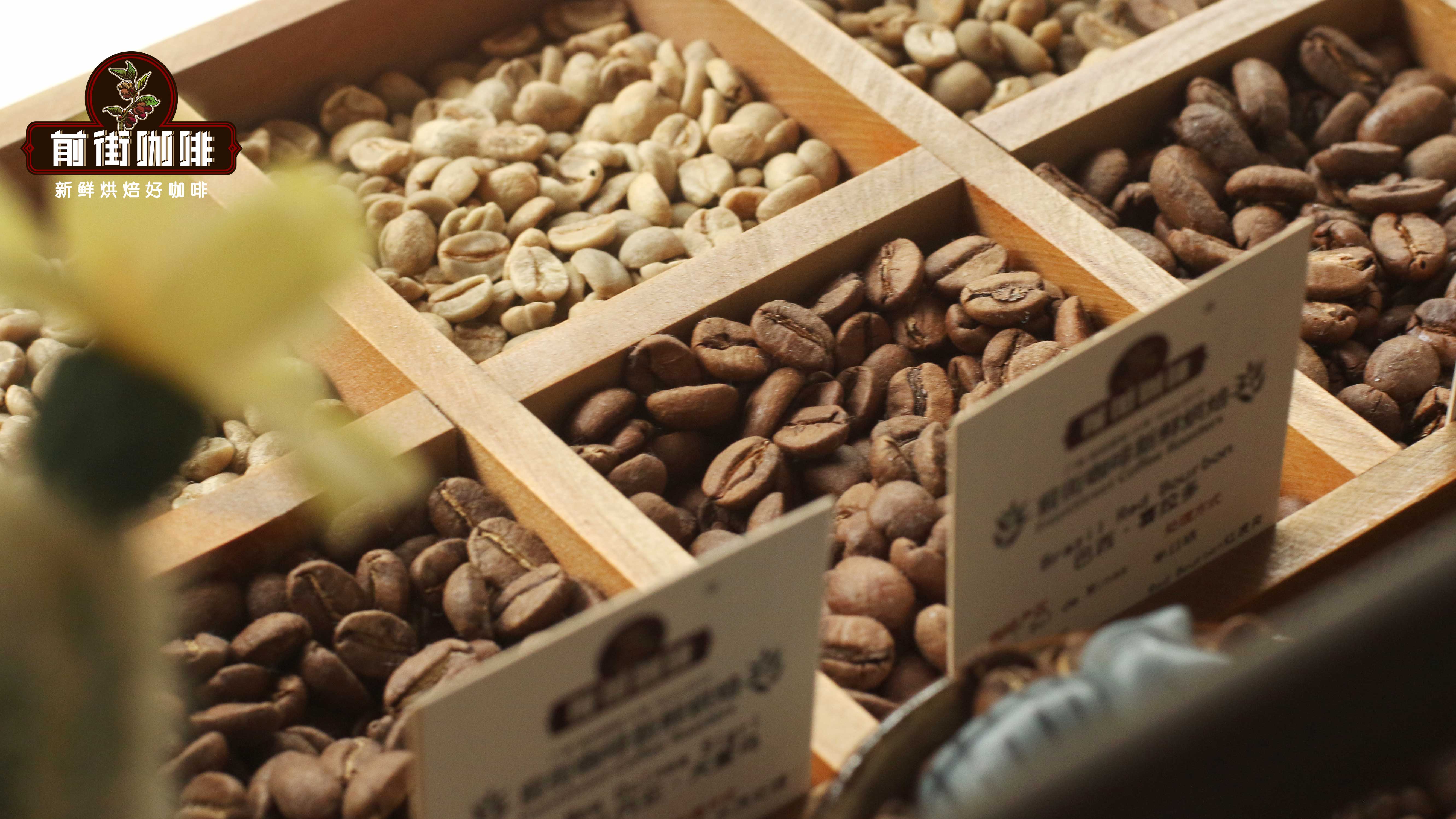
Flavor Characteristics and Pour-Over Parameters of Brazilian Red Bourbon Coffee: Front Street Coffee's Daily Brew Practical Sharing
Brazilian Red Bourbon is a common choice for many coffee lovers starting their journey into specialty coffee, and among Front Street Coffee's everyday-bean lineup, the Red Bourbon from the Sul de Minas region has consistently delivered stable performance. Can this bean express the typical style of Brazilian coffee? What is there to consider regarding its flavor profile, processing method, and roasting logic? This article starts from the regional background, variety characteristics, and processing-method differences, then combines Front Street Coffee's roasting analysis with hands-on pour-over practice to break down in detail the single-origin performance of Brazilian Red Bourbon. It also provides specific brewing parameters and staged pouring techniques for the Kono dripper, helping you recreate at home a cup of Brazilian coffee with pronounced sweetness and rich nutty notes. [more…]

A Comprehensive Analysis of the Origins, Variety Evolution, and Pour-Over Flavor of Brazilian Coffee
As the country that ranks first globally in both coffee production and export volume, Brazilian coffee is renowned worldwide for its rich nutty and chocolatey tonality and its smooth, balanced mouthfeel. From the perspective of Front Street, this article systematically reviews the origins of coffee cultivation in Brazil, the evolution of varieties, and the landscape of specialty-producing regions, with a focus on the representativeness of the Cerrado region in Minas Gerais, and explains the differences between the natural and semi-washed processing methods. The article also includes complete pour-over parameters and flavor descriptions for two of Front Street's everyday Brazilian beans, helping beginners build an understanding of coffee varieties, processing methods, and roast levels through the flavors of a classic producing region. [more…]
A Complete Guide to Coffee Bean Processing Methods: The Differences Between Traditional Washed, Natural, and Honey Processing and Anaerobic Fermentation Flavor-Enhancing Techniques
After coffee cherries are picked, they must go through a series of processing steps before they become the green beans we are familiar with, and different processing methods directly determine the direction of the flavor in the cup. Washed, natural, and honey processing are the three classic methods, and there are also diverse techniques such as semi-washed, semi-natural, and in-body fermentation. In recent years, anaerobic fermentation and flavor-enhanced processing have also sparked much discussion—how exactly do they differ from conventional processing? This time, Front Street Coffee will guide everyone through a systematic overview of the classification of coffee processing methods and their respective characteristics, from the swampy green appearance of semi-washed beans, to the pectin-derived sweetness of honey processing, and then to the clean, bright character of washed beans, breaking down one by one the process, flavor performance, and representative producing regions of each technique, helping coffee lovers build a clear cognitive framework. [more…]
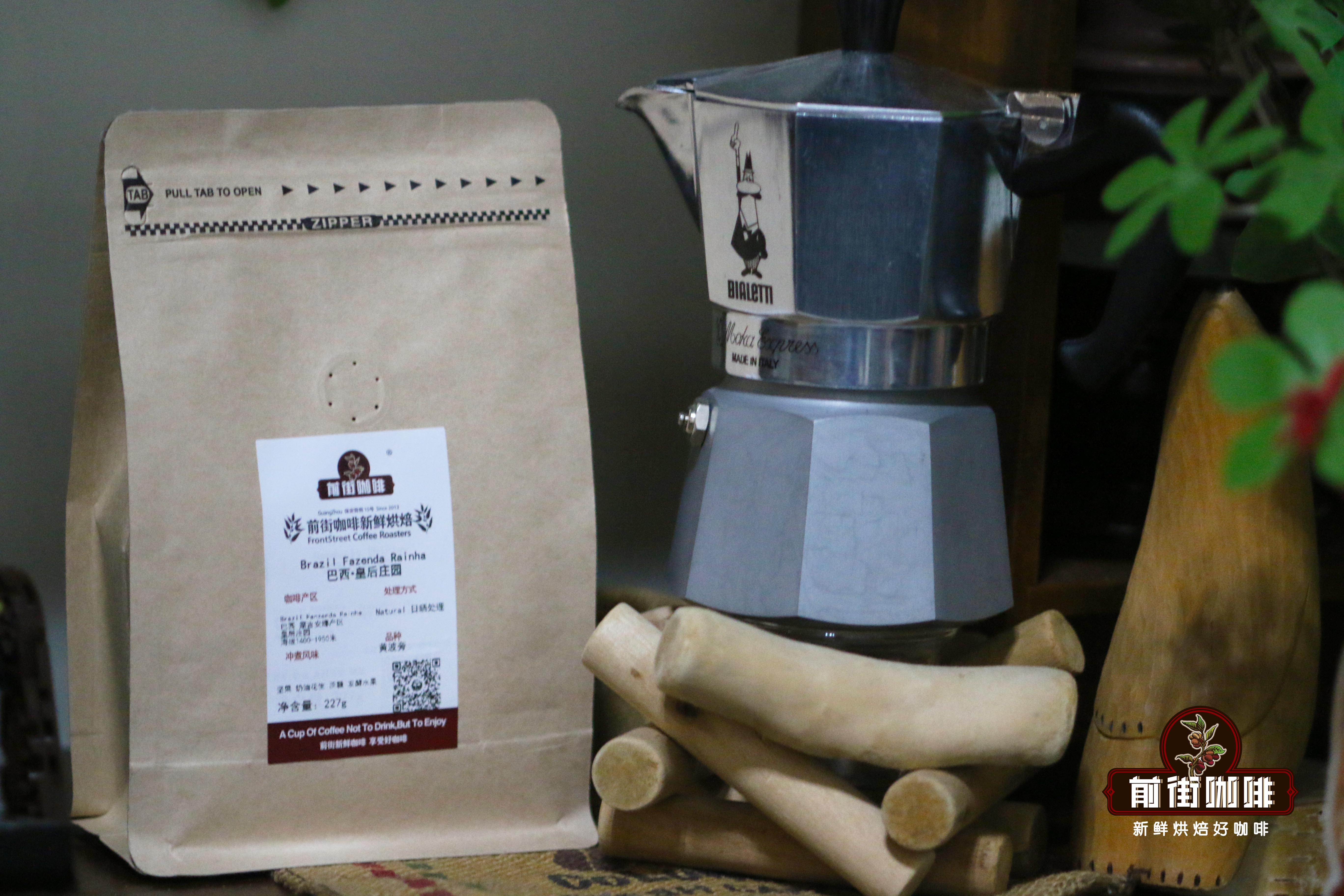
Brazil Queen Estate Yellow Bourbon Flavor Analysis: Specialty Coffee Cultivation in the Mogiana Region and the Natural Processing Method
Brazilian coffee often appears in the international market as a blending base, yet this South American giant also produces single-origin coffees of outstanding quality. The Queen Estate, located in the Mogiana region of São Paulo State, has become a benchmark in Brazil's specialty coffee scene thanks to its Yellow Bourbon variety and refined natural processing. This article takes a deep dive into Queen Estate's geographical environment, variety characteristics, processing methods, and flavor profile, while also sharing Front Street Coffee's brewing suggestions and parameters. From the Carvalho Dias family's impressive award-winning record to the rigorous hand-picking process, from the sweetness of Yellow Bourbon to the technical details of natural processing, this guide offers a comprehensive look at a Brazilian specialty coffee that combines sugarcane sweetness with almond and cocoa notes. [more…]
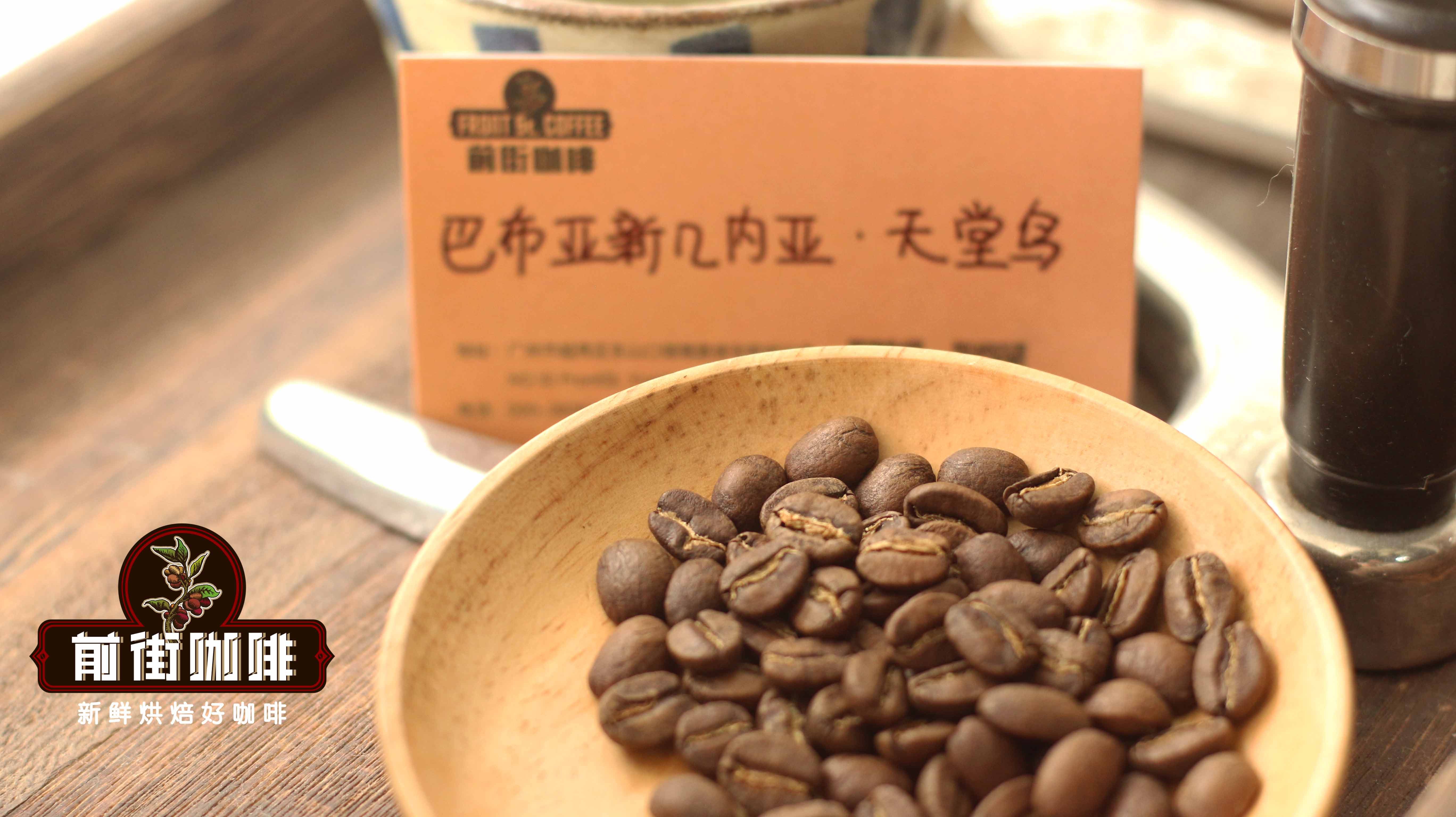
A Complete Global Guide to Coffee Varieties: Flavors, Characteristics, and Processing Methods from Arabica to Robusta
The coffee world is far more diverse than one might imagine. From a biological perspective, coffee is mainly divided into three major categories: Arabica, Robusta, and Liberica, with the first two accounting for the vast majority of global production. Arabica is known for its balanced flavor and elegant aroma, and is often used for single-origin and specialty coffee; Robusta, with its strong acidity and rich body, is an important ingredient in espresso blends and instant coffee. Beneath this, varieties such as Typica, Bourbon, Caturra, and Geisha each have their own characteristics, with flavors ranging from nutty chocolate to floral and fruity notes. In addition, green bean processing methods such as natural, washed, honey, and wet-hulled also profoundly affect the final acidity, sweetness, and body of a cup of coffee. This article will systematically sort out the origins, characteristics, and flavor expressions of the world's major coffee varieties, helping coffee enthusiasts build a complete framework of variety knowledge. [more…]

American Coffee Flavor Characteristics and Taste Analysis: Is Iced Americano Suitable for Weight Loss, and When Is the Best Time to Drink It
Many people conflate black coffee with Americano, but in fact, Americano is just one member of the black coffee family. Its flavor expression is inseparable from the quality of the espresso, and although it is essentially espresso diluted with water, it has unexpectedly taken the world by storm. In this article, Front Street Coffee will walk you through the origin story of Americano, the principles behind making it, recommendations for blend and SOE beans, as well as the extraction parameters and drinking suggestions for iced Americano, helping you figure out whether iced Americano can actually aid weight loss and when is the best time to drink it. [more…]
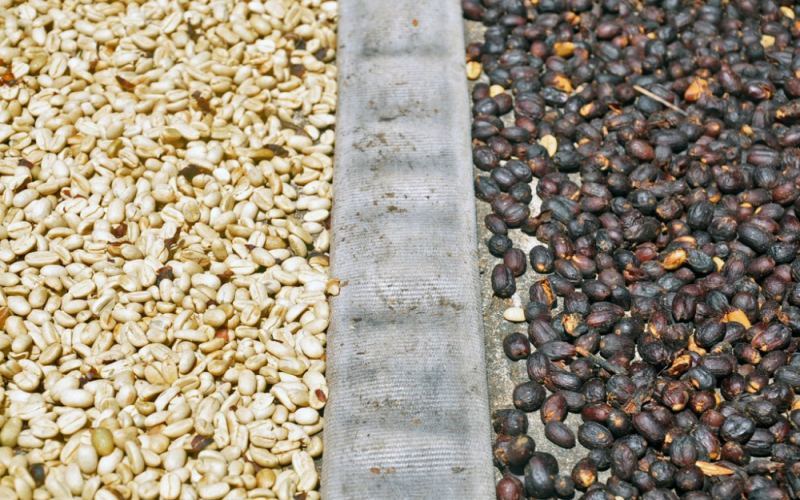
Sun-Dried, Washed, Semi-Washed, and Honey Processing: A Full Analysis of the Flavor Differences Among Four Pour-Over Coffee Processing Methods
From the branch to the cup, coffee cherries must undergo a series of processing steps, and the different processing methods directly determine the flavor profile of the final coffee beans. The four traditional processing methods—natural, washed, semi-washed, and honey—each exhibit distinctly different characteristics in terms of cost, acidity, sweetness, body, and cleanliness. Starting from the structure of the coffee cherry, this article will break down the complete process, advantages, and disadvantages of each processing method one by one, and pair them with specific bean recommendations from the Front Street Coffee brand, helping coffee enthusiasts build a clear framework for understanding flavor and find the one that best suits their taste in everyday pour-over choices. [more…]
Analysis of Colombian Pink Bourbon Coffee Bean Production: Differences Between Pink Bourbon and Bourbon Varieties and Their Flavor Characteristics
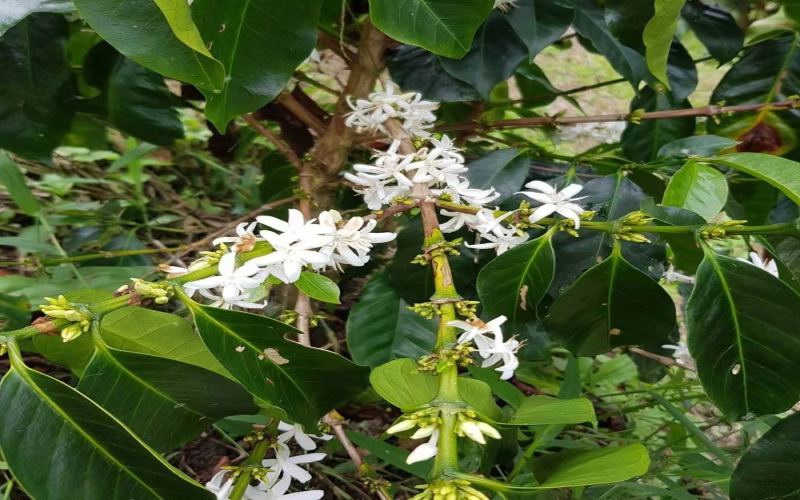
Pink Bourbon is a rare variety that has attracted much attention in the specialty coffee circle in recent years. Its ripe coffee cherries are a romantic pink color, and it was first discovered in the Huila Province of Colombia. From the perspective of Front Street Coffee, this article reviews Colombia's 2021 coffee production estimate, analyzes the genetic origin of Pink Bourbon—whether it is a natural cross between Yellow Bourbon and Red Bourbon, or a descendant of Colombia and Caturra—and explains the fundamental reason why its recessive traits lead to low yields. It also introduces in detail the terroir advantages of the Huila producing region, the process of the semi-washed method, and Front Street Coffee's roasting curve, cupping performance, and brewing parameters for this bean, providing a complete reference for coffee enthusiasts. [more…]
A Complete Guide to the Four Major Green Coffee Processing Methods: Flavor Differences Between Natural, Washed, Semi-Washed, and Honey Processing
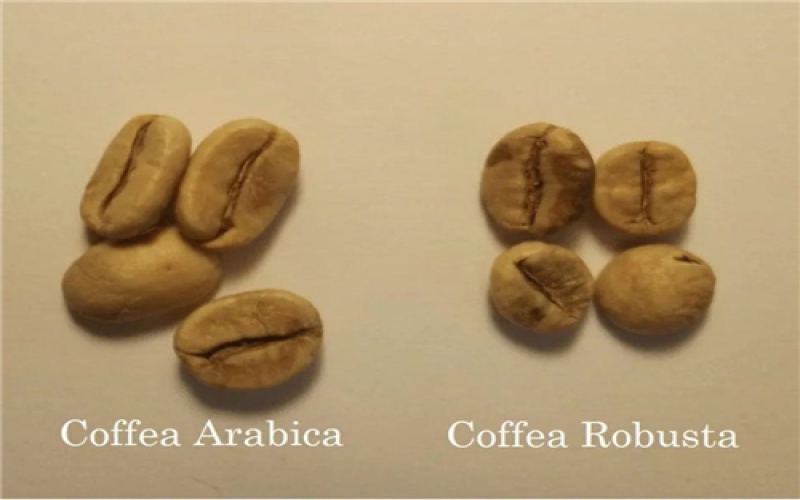
After coffee cherries are picked from the tree, they must undergo a series of processes before they become the green beans we are familiar with. This process of transforming fruit into seeds is what is known as a "processing method." Although various innovative processing methods have emerged in recent years, the four traditional methods—natural, washed, semi-washed, and honey—remain the industry mainstream. Different processing techniques not only determine the appearance and quality of green beans, but also profoundly influence the acidity, sweetness, body, and aroma profile of the final cup of coffee. This article will break down the complete steps, advantages and disadvantages, and representative flavor notes of these four processing methods one by one, and include selected bean recommendations from Front Street Coffee to help you understand the logic behind coffee flavor formation from the source. [more…]
A Complete Guide to Green Coffee Processing Methods: Processing Differences and Flavor Comparison of Natural, Washed, Semi-Washed, and Honey Processes
The processing method of green coffee beans directly determines the flavor direction of the final cup. From fruit to green bean, natural, washed, semi-washed, and honey processing each follow different craft paths, with their own trade-offs in cost, water consumption, and flavor performance. The natural method uses the natural drying of the fruit pulp to give the beans rich fruity aromas and a full-bodied sweetness, while the washed method removes pectin through fermentation, bringing a clean and bright acidity. Semi-washed seeks a balance between the two, and honey processing retains part of the pectin layer and dries directly, enhancing sweetness and body. Understanding the principles and pros and cons of each processing method is an important foundation for coffee lovers to understand flavor differences. This article will also recommend a number of representative processing-method coffee beans from Front Street Coffee for daily purchasing reference. [more…]
Comparison of the Three Major Coffee Regions—Africa, Latin America, and Asia: An Analysis of Flavor and Variety Differences in Coffee Beans from Ethiopia, Brazil, and Indonesia
Coffee enthusiasts often feel overwhelmed when faced with a dazzling array of single-origin beans, yet in fact, different flavor profiles are often directly linked to their place of origin. Global coffee cultivation is mainly concentrated in three major regions: Africa, Latin America, and Asia. Africa is known for its bright fruity acidity and crisp, refreshing mouthfeel; Latin America is characterized by nutty and cocoa notes as its base; and Asia tends to present herbal and spicy aromas. Front Street Coffee's shop carries over 50 varieties of coffee beans from around the world. This article will use Ethiopia, Brazil, and Indonesia as representatives to systematically sort out the differences in growing conditions, varietal characteristics, and processing methods across the three major producing regions, and combine them with specific products such as Front Street Huakui, Yirgacheffe, Queen's Estate, and Mandheling to help coffee lovers quickly pinpoint the cup that suits them based on their taste preferences. [more…]