








How Do Coffee Processing Methods Change Flavor?
Natural, semi-washed (pulp natural), and honey coffee processing differ mainly in how much fruit stays on the bean during drying. Natural processing dries whole cherries on nets in direct sun, takes the longest, and yields the richest flavor. Semi-washed removes some pulp to shorten drying and improve cleanliness. Honey processing leaves mucilage on the bean, combining cleanliness with layered sweetness.
Drying time and equipment separate the three methods. Natural processing relies on sun drying coffee beans on nets with manual turning, which suits regions with fewer resources. Washed processing needs water, a depulper, fermentation tanks, and drying beds, raising costs. Bean lists from Front Street Coffee show how these steps shape the final cup.
Coffee processing methods directly affect the final flavor expression, and natural, semi-natural (pulp natural), and honey processing are three common but easily confused methods. This article compares them from the perspectives of processing steps, required conditions, drying time, and flavor formation, explaining why natural processing is simple yet flavor-rich, how semi-natural processing shortens drying time and improves cleanliness, and why honey processing combines high cleanliness with rich layers. The article also uses specific bean lists from Front Street Coffee to illustrate the flavor differences brought by different processing methods, helping coffee enthusiasts more clearly understand the distinctions and characteristics of these three processing methods.

Natural Processing
In previous shares, Front Street mentioned that before the 19th century, natural processing was the only method for processing coffee. Even now, with highly diverse processing methods, most producing regions still prioritize natural processing for coffee. If asked why, coffee flavor is secondary; the key is that natural processing is indeed very simple to carry out.
This simplicity is reflected not only in the process, but also in the required tools, space, and cost, all of which are considerably lower than most other processing methods. Take washed processing as an example: to process coffee this way, you not only need sufficient water resources, but also must purchase a depulper, and have enough space to build fermentation tanks and drying beds, resulting in a relatively high financial threshold.
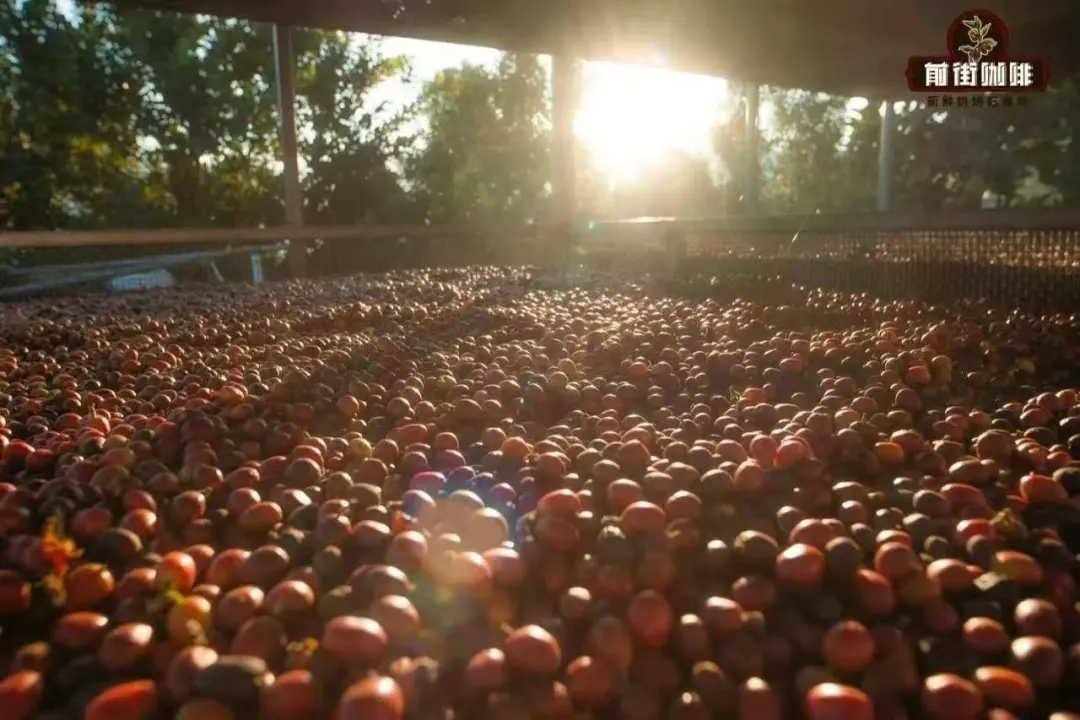
Natural processing is completely different! All you need is an open area exposed to direct sunlight, prepare drying nets, spread the harvested coffee cherries on them, and then wait until the fruit dries to the required degree. After that, you can remove the skin, store it, and prepare for export. Of course, during this period, manual turning is needed to prevent spoilage and also to allow the coffee cherries to dry more evenly.
As you can see, natural processing is just that simple, similar to drying peanuts, and it is more suitable for many producing regions with less favorable economic conditions. Although simple to carry out, coffee processed naturally often has quite a rich flavor expression.
Because the whole coffee fruit is dried directly, the drying speed is very slow, since the skin, pulp, and mucilage all have relatively high moisture content and require a longer time to dry. This is also why regions with insufficient sunlight hours are not suitable for natural processing.
And precisely because the drying time is longer, naturally processed coffee can develop rich flavors. During drying, the coffee beans continue to ferment, and since the whole fruit is put into drying, substances from the skin, pulp, and mucilage also participate in fermentation. Therefore, after natural processing, the coffee beans show a very rich flavor expression.
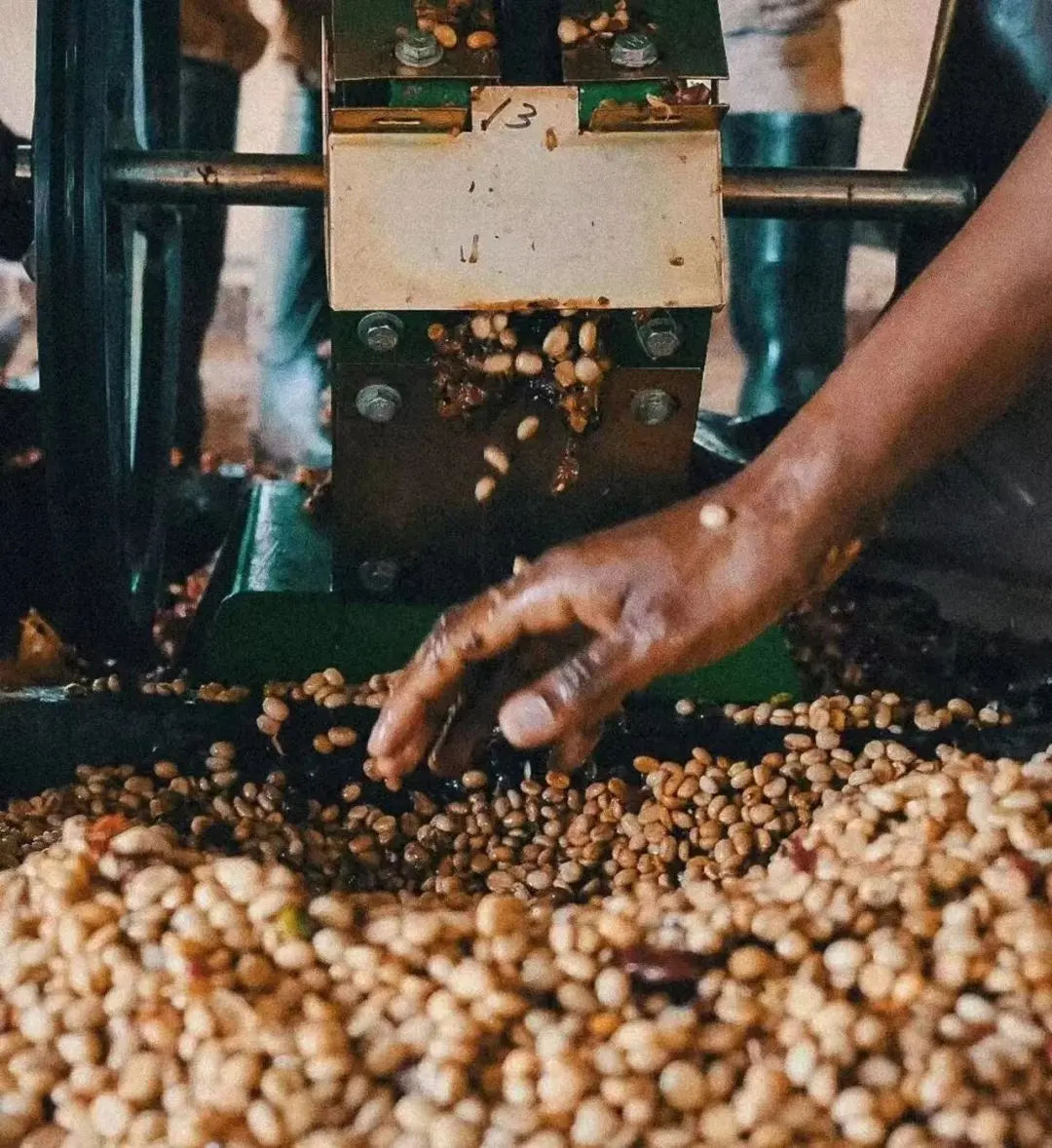
In Front Street’s bean list, there are many naturally processed coffees. For example, Front Street Ethiopia Huakui, when brewed, gives coffee with strawberry, citrus, apricot, oolong tea, and floral flavors; or Front Street Natural Yirgacheffe Red Cherry, when brewed, gives coffee with mango, pineapple, and star fruit flavors; or Front Street Granja Geisha, when brewed, gives coffee with apricot, berry, citrus, and floral flavors... They are all very delicious naturally processed coffee beans!
Semi-Natural / Pulp Natural
Semi-natural, also called pulp natural, is a processing method developed by Brazilian coffee research institutions based on local climate characteristics, and it is also the predecessor of later Costa Rican honey processing.
Semi-natural processing removes the coffee’s skin and pulp before drying, just like washed processing, in order to shorten the coffee’s drying time. Then the mucilage layer is retained, and the coffee beans with the mucilage layer are sun-dried for 1–3 days, after which they are directly machine-dried and then placed into storage containers to age.
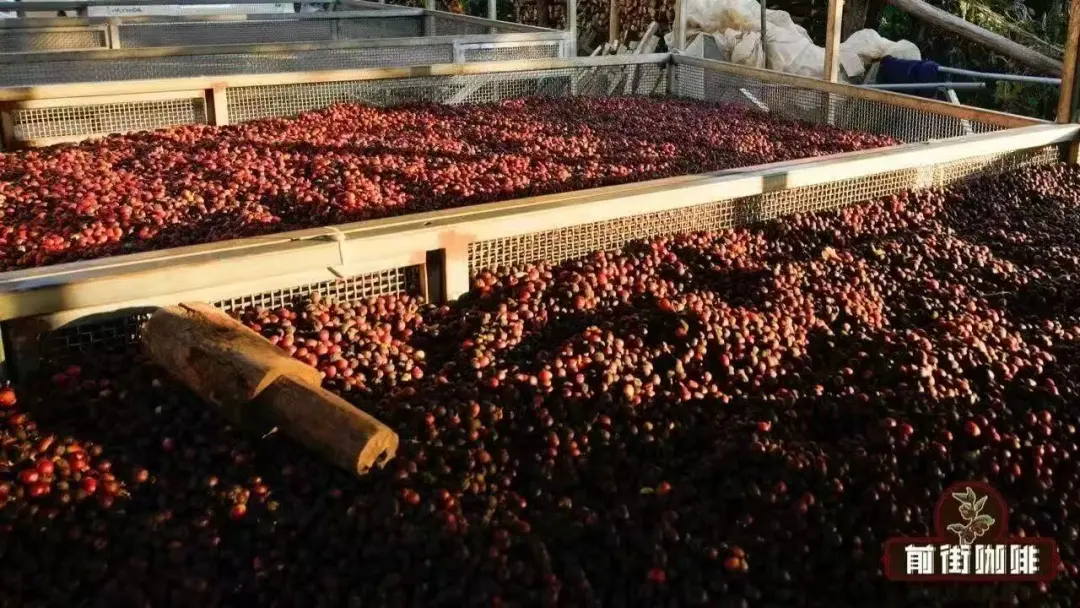
This processing method not only greatly shortens the drying time of the coffee beans, but also reduces the risk of quality deterioration during processing, allowing the coffee to have a cleaner expression.
Front Street Brazil Cerrado in Front Street’s producing-region daily series uses semi-natural processing. It has a very clean mouthfeel, and because it is medium-dark roasted, its flavor expression includes chocolate, nuts, caramel, and cream. The mouthfeel is mellow yet clean, with a long sweet finish—very good.
Honey Processing
Strictly speaking, honey processing can also be classified as a type of natural processing. As Front Street mentioned earlier, its predecessor is Brazil’s semi-natural processing. The difference is only that honey processing is dried entirely through sun-drying throughout the whole process.
First, defects are removed by water flotation sorting, then a depulper is used to remove the coffee’s skin and pulp while retaining the mucilage. After that, the coffee beans with mucilage are sent to the drying yard for sun-drying to the specified degree. Finally, the dried coffee beans can be hulled, bagged, and stored.
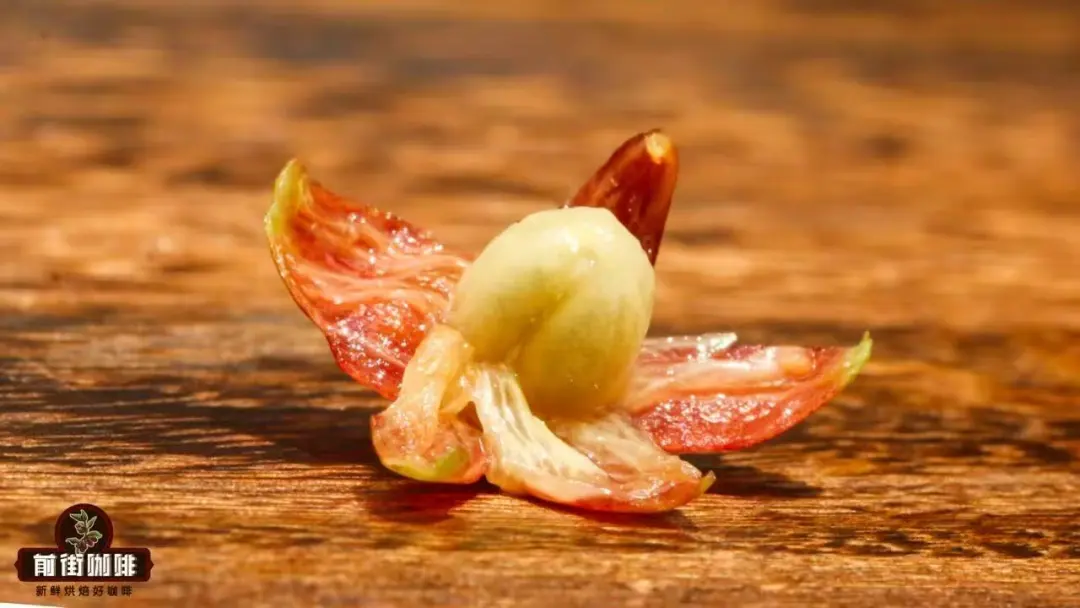
Coffee processed by honey processing has both relatively high cleanliness and a rich flavor expression. In Front Street’s bean list, quite a few coffees use honey processing. For example, Front Street Costa Rica Blackberry in Front Street’s bean list is black honey processed, and its flavor expression is grape, berry, and light wine aroma. It is rich in flavor while also having high cleanliness—very good.
So that’s all for this Front Street share! Whether naturally processed, semi-natural, or honey processed coffee beans, they can all be purchased at Front Street’s Tmall Taobao flagship store, so interested friends can learn more by directly searching for Front Street Coffee on the platform~
- END -
The above content is compiled by CoffeeHunters, a coffee news website.


