







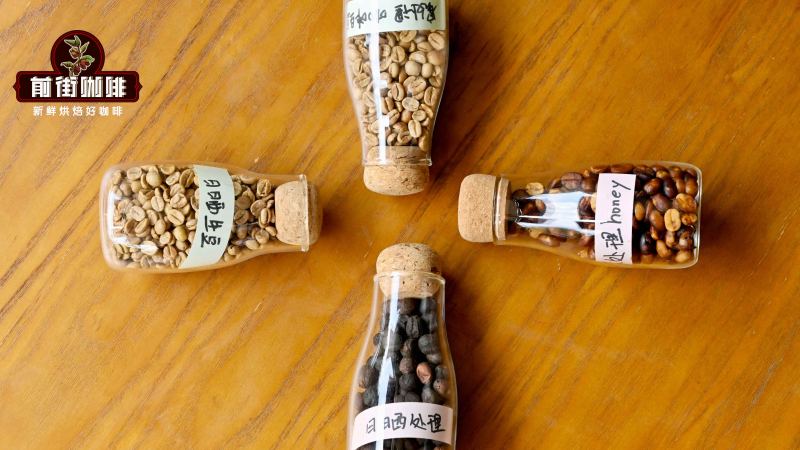
How does natural coffee processing shape flavor?
Natural coffee processing is the oldest method: whole cherries dry in the sun with the bean still inside the pulp, so sugars and fruit compounds move into the seed. Moisture falls from about 60% to 12-15%, then a hulling machine removes the dried skin and pulp. The result is intense aroma, full body, soft acidity, and pronounced sweetness, with berry and tropical coffee notes.
Traditional sun-drying carried risks. Uneven drying and over-fermentation produced earthy or fermented off-flavors. Modern natural lots reduce those flaws by spreading cherries on African raised beds and using slow, single-layer fermentation, which keeps airflow steady and drying consistent. This quality gain is why natural coffee processing now appears among competition-grade coffees.
The natural process is the oldest method of coffee processing, allowing the fruit to dry naturally while the coffee beans complete their maturation wrapped in the pulp, resulting in intense flavors and pronounced sweetness. Today, the natural process has been refined—from African raised beds to single-layer slow fermentation—greatly improving quality and even making it the preferred processing method for competition-grade coffees. This article will guide you through a comprehensive understanding of the natural process's operational flow, flavor advantages, traditional flaws, and modern improved techniques, and recommend freshly roasted beans such as Front Street Natural Hualei and Front Street Red Cherry, letting you go from theory to practice and truly taste the unique charm of natural coffee.
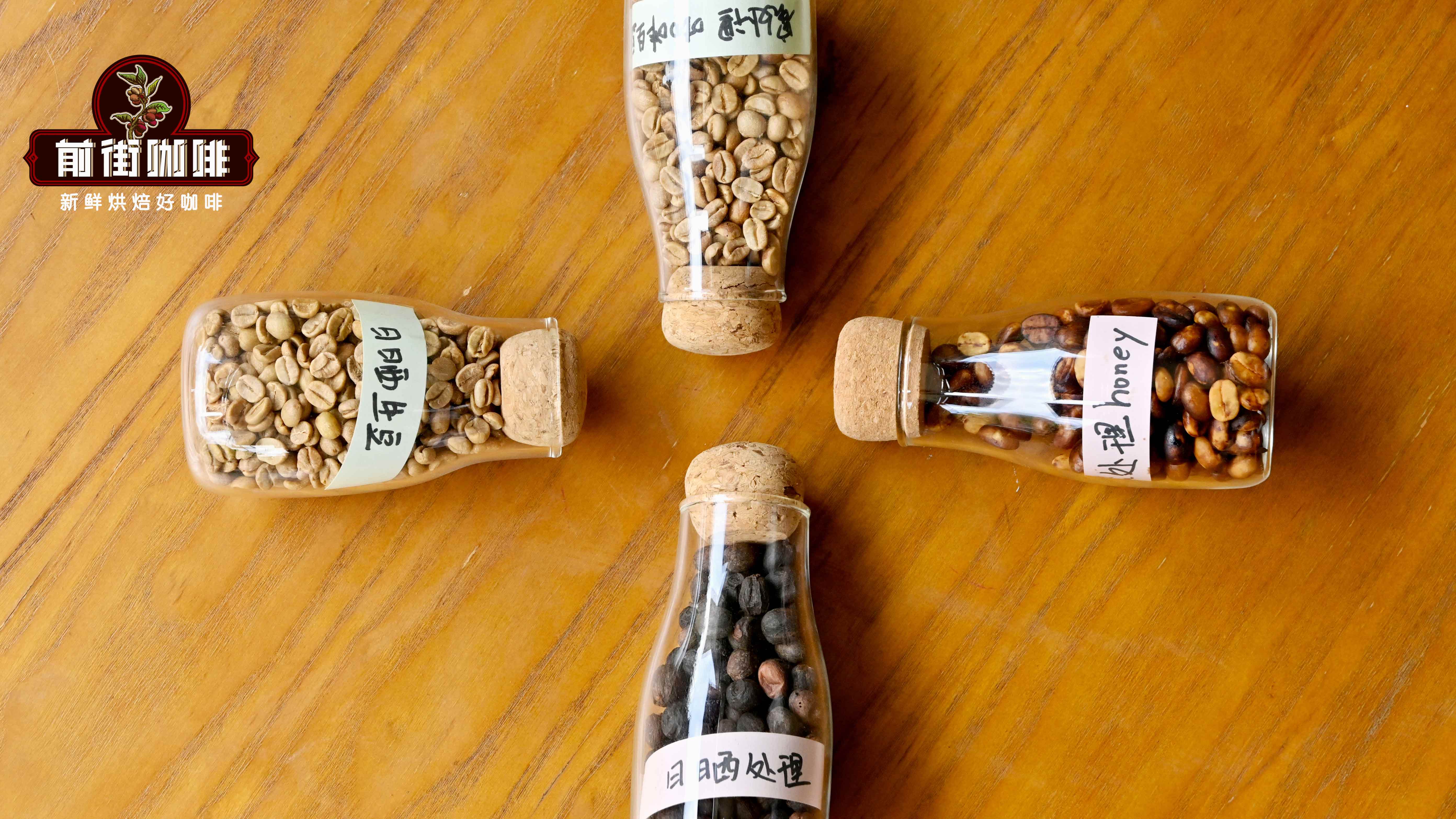
Natural Process (Natural Process)
The natural process is the earliest and most primitive method of coffee processing. Its core lies in allowing the entire coffee fruit to dry naturally, with the beans slowly maturing inside the pulp, undisturbed by external forces, resulting in highly concentrated flavors, full body, intense aroma, and notable sweetness. If you'd like to try natural beans, you can prioritize Front Street Natural Hualei, Front Street Red Cherry, and Front Street 2013 Yunnan Typica—these beans are all freshly roasted within 5 days, so the fruit and nut aromas are at their fullest when they reach you, and the brewed coffee has more layered complexity.
During the operation, first pour the harvested coffee cherries into a large water tank; ripe, plump cherries will sink, while underdeveloped or overripe ones will float to the surface.
After removing the floating beans, spread the healthy cherries on a patio to be directly exposed to sunlight, with moisture content dropping from 60% all the way down to 12%–15%.
Finally, use a hulling machine to remove the dried, hardened outer skin and pulp, and the green beans are complete.
Natural processing can add berry and tropical fruit notes to coffee, with soft acidity, but traditional natural processing occasionally brings negative flavors such as earthy taste and over-fermentation.
However, the natural process has become popular again today, even becoming one of the important processing methods for competition-grade coffee beans. This shift is mainly thanks to the use of improved African raised beds.
Raised beds not only isolate ground moisture, animal droppings, and earthy flavors, but also allow better air circulation around the fruit for more even drying. Combined with farmers regularly turning the cherries,
the coffee beans can gently develop while wrapped in the pulp, and the flavors gradually become fuller.
Single Layer Natural Slow Fermentation Method
The traditional natural process involves placing whole ripe cherries under the sun to dry, or stacking them on raised beds to dry, during which the fruit continuously ferments, with the entire cycle lasting about one month. However, Hambela Estate's single-layer natural slow fermentation method controls the drying time to around 18 days, employing strict and meticulous practices: the coffee cherries on the raised beds always maintain a "single layer" thickness. This method is called SLD-Single Layer Drying/Slow Drying. Thin-layer spreading provides the ideal air convection and drying conditions for the fruit. They believe that proper slow drying allows the fruit to develop optimal activity during the process, resulting not only in more layered flavors but also in green beans that can be stored longer within the production season cycle.
Advantages and disadvantages of the natural process:
Advantages:
Apart from the step of removing floating beans, the natural process requires no water throughout, and one barrel of water can be reused, resulting in very low cost, so it is widely adopted in water-scarce regions.
Disadvantages:
1. The natural process must place coffee beans outdoors, so impurities such as dead branches and fallen leaves often get mixed in.
2. Relying on sunlight exposure, the degree of drying is difficult to control precisely, and the fruit can easily be "over-dried," causing damage to the coffee beans inside.
3. Since the pulp is not removed during the natural process, mold and spoilage frequently occur.
The above content is compiled by CoffeeHunters, a coffee news website.


