







How Does Each Coffee Process Change the Flavor?
Coffee process determines much of what ends up in the cup. The natural method dries whole cherries in the sun for about two to three weeks, giving rich sweetness and fruity notes. The washed method removes skin and pulp before drying and yields clean acidity.
Brazil uses pulped natural to save water while keeping quality, and the honey process leaves mucilage on during drying for a full tropical fruit character. Because natural processing needs little water, quality varies widely, so green coffee beans are sorted to remove unripe, overripe and defective cherries.
The processing method of green coffee beans directly influences the flavor profile of the final cup. As the oldest and most cost-effective processing technique, the natural process spreads whole coffee cherries out to dry in the sun, imparting to the beans a rich sweetness and fruity character; the washed process removes the skin and pulp before drying, yielding a clean acidity; Brazil found a balance between water conservation and quality in the pulped natural process; and the honey process retains the mucilage during drying, bringing a fresh and full-bodied tropical fruit flavor. This article will compare the technical details, advantages and disadvantages, and corresponding cup profiles of these four processing methods one by one, while also introducing several representative bean offerings from the Front Street brand that correspond to each process.
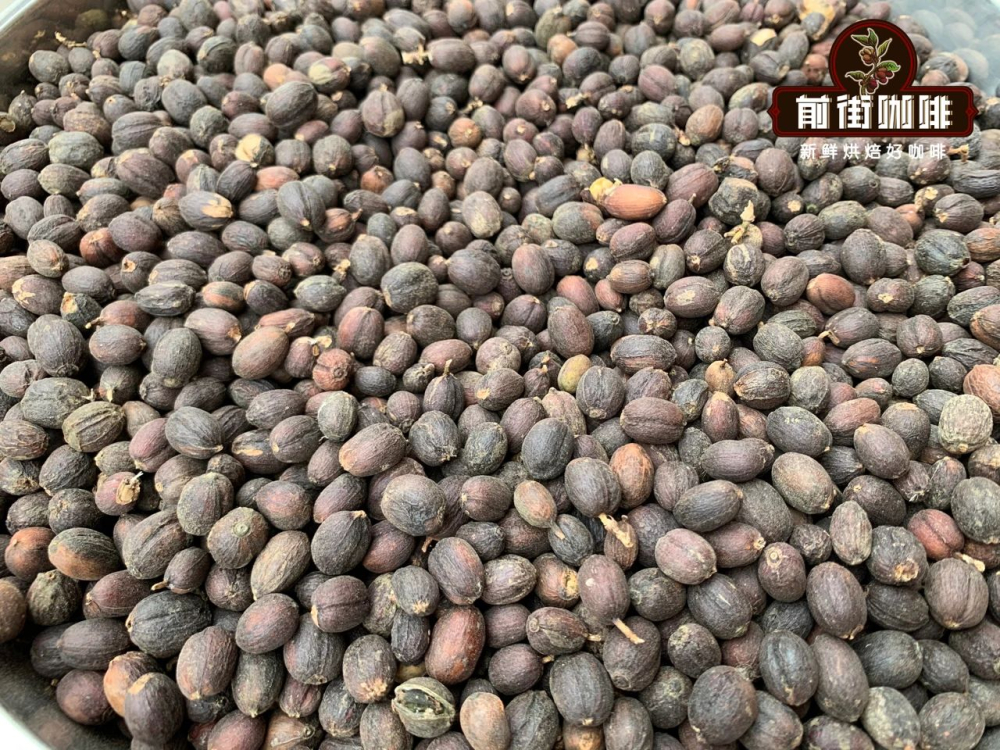
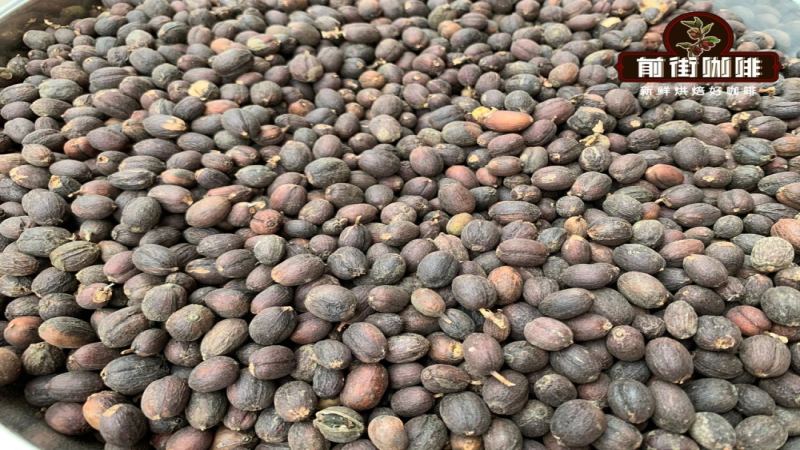
The so-called natural process, simply put, is to spread the harvested whole coffee cherries on drying nets or patios and let them sun-dry naturally for about two to three weeks, allowing the fruit to gradually lose moisture; once the moisture content drops to the established standard, the dried husks are removed by machine, and green coffee beans are finally obtained. The most prominent advantage of this processing method is that it requires almost no water consumption — it can operate as long as there is sufficient sunlight — making it both the oldest processing method in history and the one with the lowest input cost.
Precisely because the technical threshold of natural processing is not particularly high, almost every smallholder can complete it independently, and there are also specialized processing stations that purchase coffee cherries harvested in the surrounding area for centralized processing. This leads to uneven quality among natural beans, with gaps that can be very wide. Processing stations that pursue quality are often willing to invest substantial money and effort in each batch of natural beans, starting strict screening from the fresh fruit stage, removing unripe cherries, overripe cherries, defective cherries, and even stones and debris one by one, because these impurities directly interfere with the overall natural-process flavor expression.
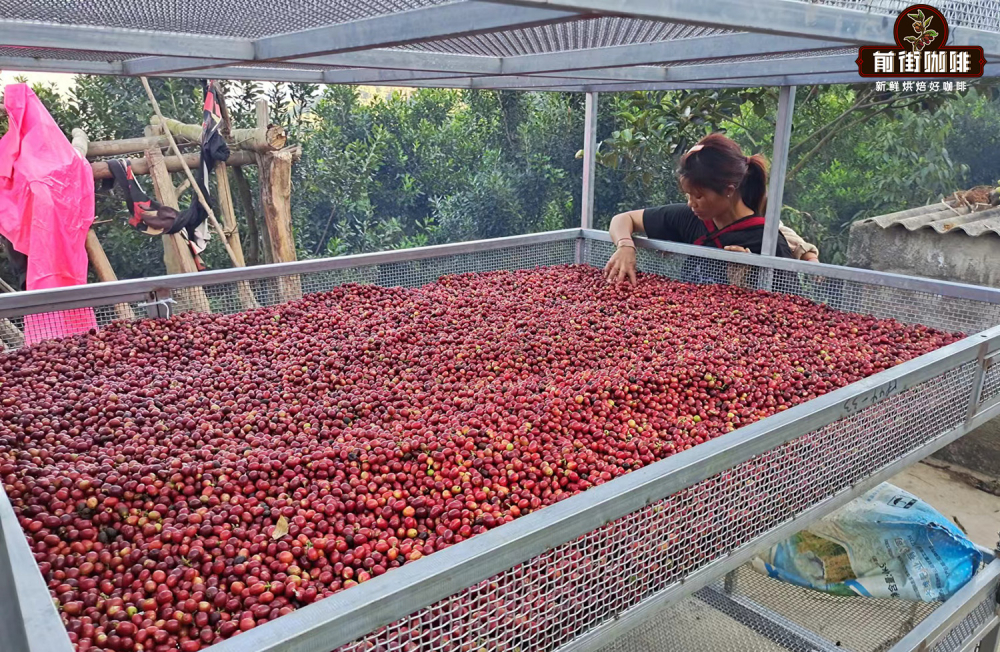
During the drying stage, processing stations with high quality requirements use raised drying beds to lay out the coffee cherries, the purpose being to keep the fruit off the ground and avoid intrusion by crawling insects, dust, and bacteria. At the same time, dedicated personnel are assigned during natural drying to regularly check the drying progress of the fruit, promptly picking out insect-damaged, split, and moldy cherries to prevent them from dragging down the fermentation and drying uniformity of the other coffee cherries. Generally speaking, producers with high aspirations for natural green bean quality adopt this kind of refined management approach to ensure the final flavor presentation. For example, the Front Street Ethiopia Natural Red Cherry coffee beans sold by Front Street Coffee carry pronounced tropical fruit flavors, a full-bodied fermented quality, and sweetness.
The most fundamental difference between the natural process and the washed process is this: the washed process first removes all the skin and pulp from the outer layer of the green coffee beans before drying them in the sun, whereas the natural process does no structural stripping at all — the whole fruit is spread directly on concrete patios or ventilated mesh beds to dry. Because it is dried together with the pulp, the coffee beans have more ample time to come into contact with the sugars in the pulp, and more substances are able to seep into the interior of the seed; as a result, natural beans often exhibit higher sweetness, heavier body, and richer fruit flavors — notes such as passion fruit, strawberry, and tropical fruits — with a more intense mouthfeel as well.
Beyond the two foundational processing methods of washed and natural, different producing regions also develop post-processing methods that fall between the two according to their own conditions, and Brazil's pulped natural is a typical representative.
In 1990, Brazil's coffee research institutions developed the pulped natural method, also known as Pulped Natural, in response to the local climate's tendency toward drought. The specific operation is to remove the skin and pulp before drying, retaining only a thin layer of mucilage; after sun-drying for one to three days, the beans are machine-dried to a moisture content of 12%, then placed into storage containers for aging. Pulped natural saves water and shortens the processing cycle, while also reducing the negative flavors that may arise during processing, greatly improving the overall quality of Brazilian beans. The Front Street Brazil Red Bourbon daily-drinker beans launched by Front Street Coffee are selected from the Cerrado region and use this pulped natural processing method, presenting Brazil's classic chocolate, caramel, cream, and peanut flavors, along with a relatively high body.
Processing methods derived from the basis of natural and washed include, besides Brazil's pulped natural, the honey process, which has become very popular in recent years. Producers using the honey process first pour fresh coffee cherries into a water tank for flotation, using density differences to remove underripe cherries and impurities, then use a depulper to shave off the outermost layer of the fruit. Unlike the washed process, the depulped fresh coffee cherries are not rinsed with large amounts of clean water to remove the mucilage; instead, they enter the drying stage directly with the mucilage still on them. Because the mucilage itself contains sugars and has a sticky, gluey texture, it easily brings honey to mind, hence the name honey process. Compared with the washed process, the honey process does not require consuming large amounts of fresh water and has lower equipment requirements; compared with the natural process, it also shortens the defects and negative flavors that may arise from fruit being exposed to sunlight for long periods. Coffee processed with the honey method usually displays in cupping a full-bodied tropical fruit flavor and fermented sweetness, with an overall fresh mouthfeel and clean acidity.
For professional coffee knowledge exchange and more coffee bean information, please follow Coffee Workshop (WeChat public account: cafe_style)
For more specialty coffee beans, please add the private WeChat of Front Street Coffee (FrontStreet Coffee), WeChat ID: qjcoffeex
The above content is compiled by CoffeeHunters, a coffee news website.


