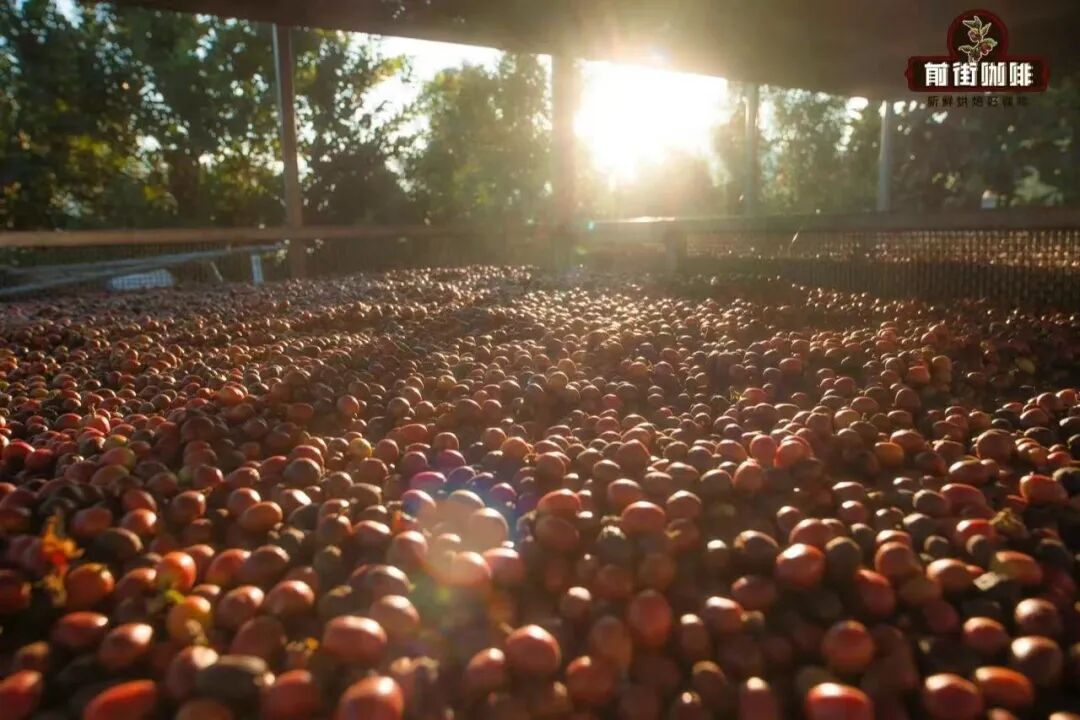
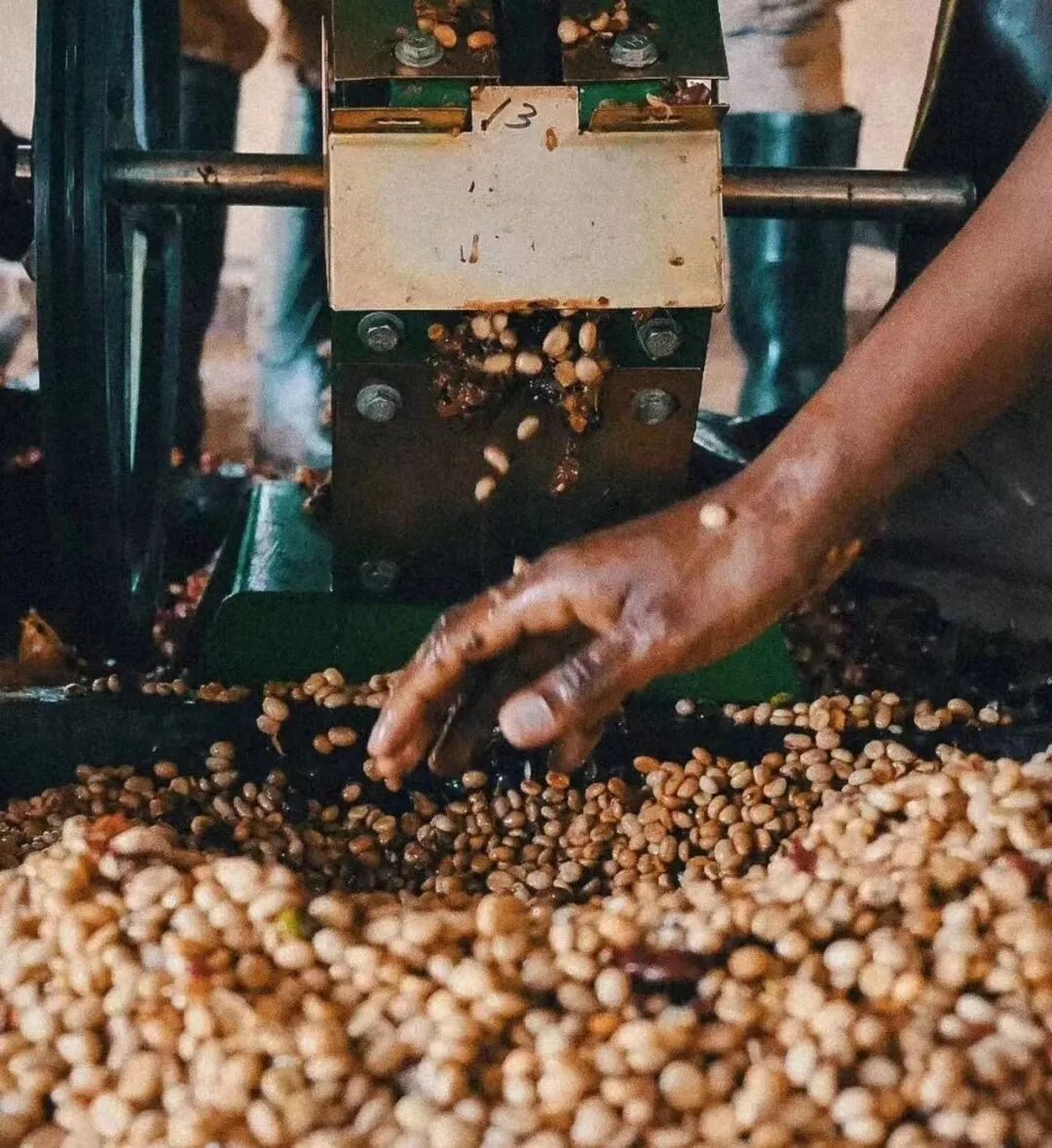
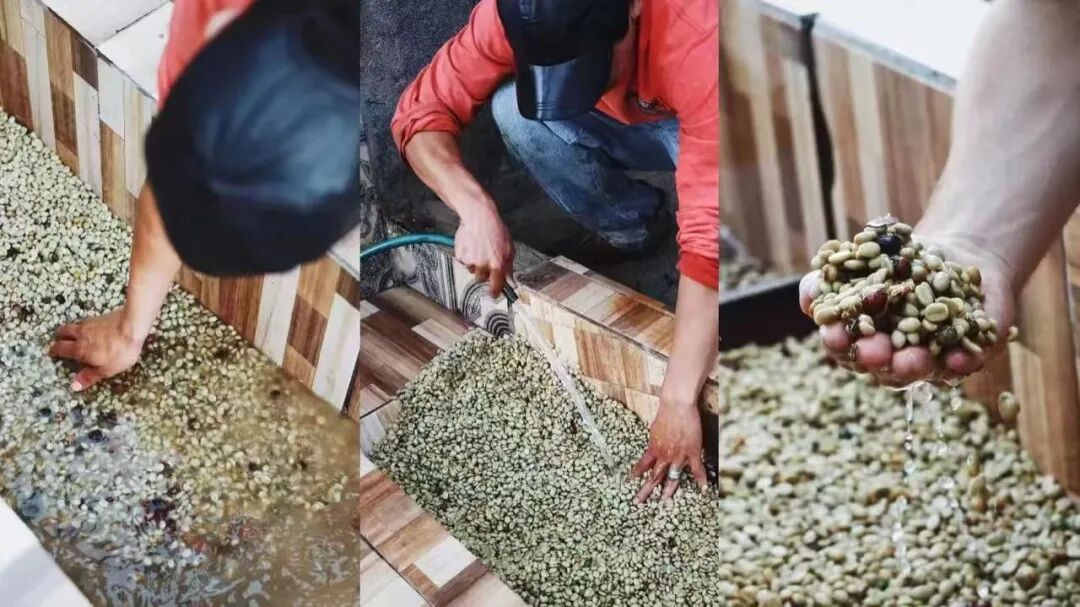
If you're someone who frequently drinks pour-over coffee, Front Street believes you've probably noticed friends who can distinguish between washed and natural processed coffee at a single glance or with just one sip. Because the identification is so quick, many friends are amazed by it and wonder how it's actually done. Yesterday, a friend expressed exactly this amazement to Front Street.Actually, this isn't difficult at all—it's even much simpler than you might imagine. Front Street has shared methods for distinguishing natural and washed coffees several times. It doesn't require years of accumulated experience; as long as we are familiar with the differences in their processing, we can quickly identify the two through bean appearance and flavor characteristics! So today, Front Street will walk you through how to quickly distinguish between natural and washed processed coffee.First, understanding the processing flows of washed and naturalCoffee processing can actually be understood as the process of drying coffee beans! The early processing methods, without exception, were all invented to better dry coffee beans. Because only dried coffee beans are easy to store and won't easily mold even over long periods of storage.The natural method is the earliest coffee processing method to come into existence! For a long period of time, natural processing was the only technique for processing coffee circulating in the Arab world. The natural method is called "Natural" in English, which means natural—referring to a processing method that is natural and free of technology.And its processing steps are just as the name suggests, without any technological interference. You simply spread freshly harvested coffee cherries on any flat surface, and after the cherries have been dried to a certain degree, you can collect the shriveled cherries and then remove all the skin, pulp, mucilage, parchment, and other substances surrounding the coffee beans. At this point, the processing is declared complete.But the natural method has a very notable drawback: it is highly dependent on weather. Because the whole coffee cherry is dried together, the drying speed is very slow. This is not friendly to some countries with humid climates and frequent rainfall, so many regions developed other processing methods adapted to local conditions. For example, the West Indies, because it was difficult to process coffee beans using the natural method locally, developed washed processing adapted to local conditions. Washed processing(Washed Process)As the name suggests, it is a processing method that uses water resources to process coffee. A more conventional washed process places harvested coffee cherries into a water tank for floatation, screening out unripe cherries and rotten defective ones; then the skin and pulp of the good cherries are removed, and the coffee beans with mucilage and parchment are transferred into a water tank to soak; after some time, this batch of beans is transferred to another clean water tank where dedicated workers stir them, with the aim of removing the mucilage remaining on the surface; when the process is finished, the coffee beans with only parchment and silver skin are sent for sun drying, and after drying to a certain degree, the shell can be removed and the coffee beans taken out.
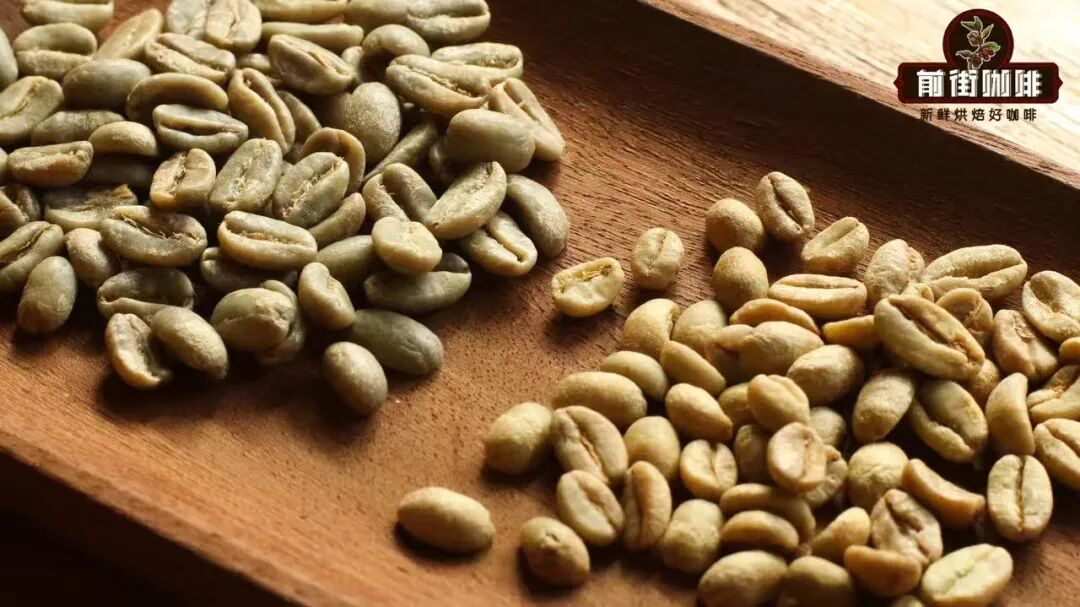
 So the above is the full process of the two processing methods. Once you understand the steps of these two processes, you can then begin to master how to distinguish natural and washed coffee!Differences in green beans...In green beans, we can distinguish natural from washed by their color. As Front Street said earlier, because natural processing dries the whole coffee cherry directly, the drying speed is very slow. This causes a large amount of sugar in the pulp and mucilage to penetrate to the bean surface during drying and produce Maillard and caramelization reactions. In addition, because the beans are wrapped by pulp and skin and cannot be exposed to sunlight, the final processed beans will have a dazzling golden yellow color(right in the picture).For washed processing, because the pulp, skin, and mucilage are removed before sun drying, almost no sugar penetrates and attaches to the bean surface during drying. In addition, because the beans themselves can be directly exposed to air and sunlight, the drying speed is very fast, so the beans' own color is well preserved. Therefore, the color of washed green beans is generally a clear emerald green(left in the picture).Differences in roasted beans...The characteristics in roasted beans are more obvious, and many coffee veterans use this point to quickly distinguish natural beans from washed beans. Very simple: we only need to observe whether the center line of a serving of coffee beans hasa large amountofwhitesilver skin, and we can know whether it is natural or washed processed coffee.Usually, the center line of washed roasted beans will have a large amount of white silver skin, while natural beans have less, and can even be said to have none. The reason also lies in the difference in processing steps.Natural processing allows sugar to soak into the coffee beans, and this sugar also soaks into the silver skin. Therefore, during roasting, the silver skin of natural beans darkens due to the caramelization reaction of the sugar and is not so white. Even if roasted slightly darker, the color of the silver skin will match the coffee beans, so from a distance it looks as if there is no silver skin at all(right in the picture).The silver skin of washed beans, however, because it has not been soaked by sugar, will be relatively white unless roasted darker. And because white contrasts with the dark brown of the coffee beans, the silver skin will stand out and be conspicuous. So this is the best way to distinguish natural and washed beans by appearance.Finally, there is the difference in taste. In earlier years, coffee processing was developed to dry coffee beans, but with the prevalence of the specialty coffee concept, people discovered that different processing methods bring different flavor changes to coffee, so more and more special processing methods emerged. The biggest difference between natural and washed processing lies in their differing degrees of fermentation.During processing, natural coffee has more substances accompanying the coffee beans through drying and fermentation, and for a longer time, so natural coffee has very rich layering and flavor expression. At the same time, depending on the degree of fermentation, natural coffee will also carry varying degrees of fermented character;By contrast, washed coffee appears very clean, because fewer substances participate in fermentation during processing and the drying time is short. So washed processing allows coffee to retain more of its original flavor. Although the layering is not as rich as natural coffee, because the degree of fermentation is not as strong, washed coffee has very high cleanliness.On Front Street's bean list, there are two coffees from the same producing region but with different processing. They are Front Street Yirgacheffe Natural Red Cherry and Front Street Yirgacheffe Washed Gutingting. Although both carry the base flavors of the Yirgacheffe producing region, because of the difference in processing method, the texture of the coffee when drunk is very different.Below is a comparison of the flavors Front Street brewed from the two coffees. You can refer to it. The extraction parameters are as follows: 15g dose, 1:15 coffee-to-water ratio, 92°C water temperature, fine granulated sugar grind, 75% passing rate on a No. 20 sieve, 2 minutes.Front Street Yirgacheffe Natural Red Cherry:On the palate, you can taste the fruity sweetness and acidity of citrus, berries, and yellow peach, along with a faint jasmine aroma, and the finish has a bit of candied fruit and red wine aroma.The overall mouthfeel is full, with rich layering and a long aftertaste.Front Street Yirgacheffe Washed Gutingting:What you taste on the palate is a very rich jasmine aroma, followed by fresh and bright acidity from lemon, grapefruit, berries, and so on, as well as the clean sweetness of honey and an oolong tea finish. The overall mouthfeel is clean and clear, and the flavor is soft.Besides the difference in texture, we also often hear statements like "natural coffee tastes sweeter, washed coffee tastes more sour." This characteristic is likewise affected by the processing method, which then causes natural coffee to usually be roasted darker, with sour substances diminished relatively more, so it tastes sweeter, while washed coffee is the opposite.The above are several differences between washed and natural coffee. In fact, as long as you understand the processing steps and then go through one actual comparative experience, you can basically master the skill of quickly distinguishing washed from natural. Very simple~
 The above content is compiled by CoffeeHunters, a coffee news website.