







How does coffee processing change the flavor in the cup?
Coffee processing covers three main routes. Natural processing dries the whole fruit in sun and air and is the oldest method. Washed processing, developed by the Dutch in the 18th century, removes skin and pulp, soaks the beans to strip mucilage, then dries them for a clean, bright cup. Pulped natural sits between the two.
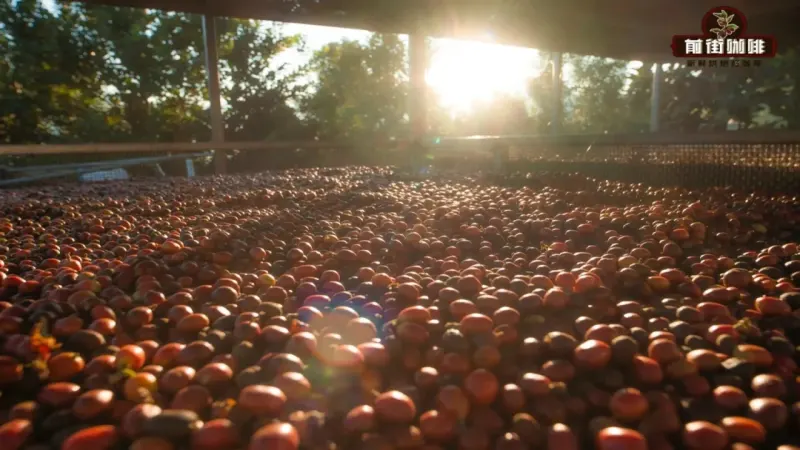
Pulped natural, also called semi-natural or semi-washed, was developed in Brazil to balance cup cleanliness against water use. Whichever route is used, sun drying coffee beans must bring moisture content to roughly 10% to 12.5%, because fruit left too wet or dried too slowly can mold or attract insects in storage.
The flavor of coffee depends not only on origin and roasting—the processing method also plays a key role. As the oldest processing technique, the natural method uses sunlight and air to dry the fruit naturally; the washed method was invented by the Dutch in the 18th century, soaking the beans in water to remove the mucilage and producing a clean, bright cup. So what exactly are semi-natural, semi-washed, pulped natural, and pulped natural? They actually all refer to the same processing method, created by Brazil to suit local conditions, balancing cleanliness and water conservation. This article will systematically sort out the origins, procedures, and differences of these processing methods, analyze the subtle distinctions between honey processing and pulped natural, and finally share the brewing flavors of Front Street Brazil Cerrado semi-natural.
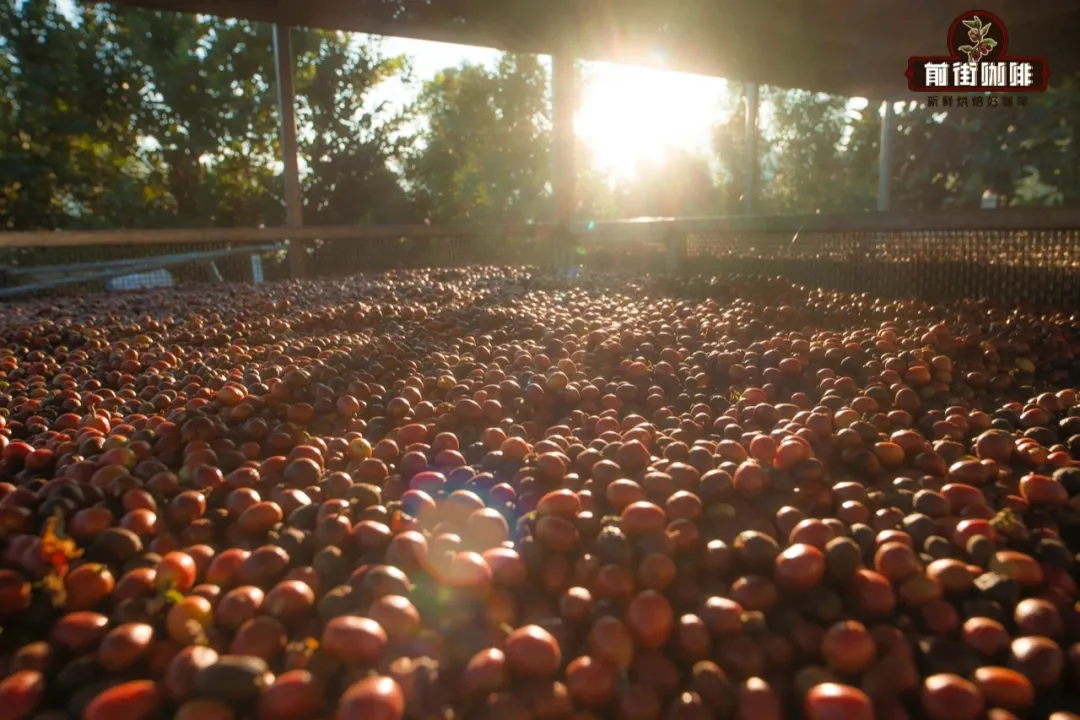

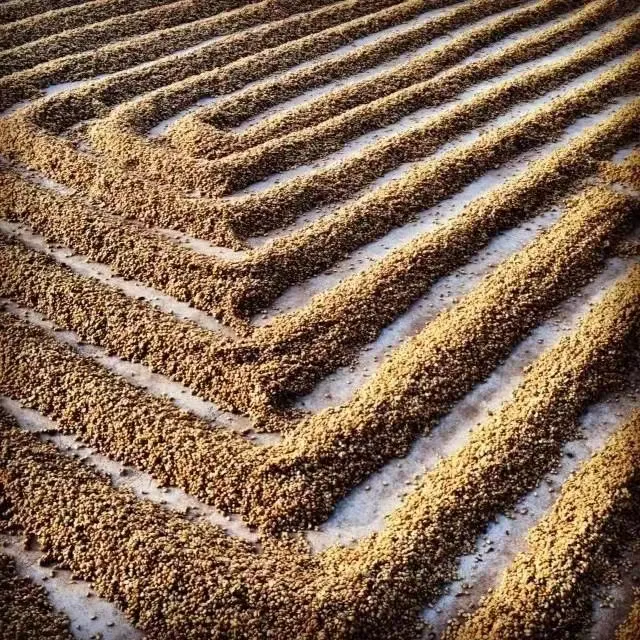

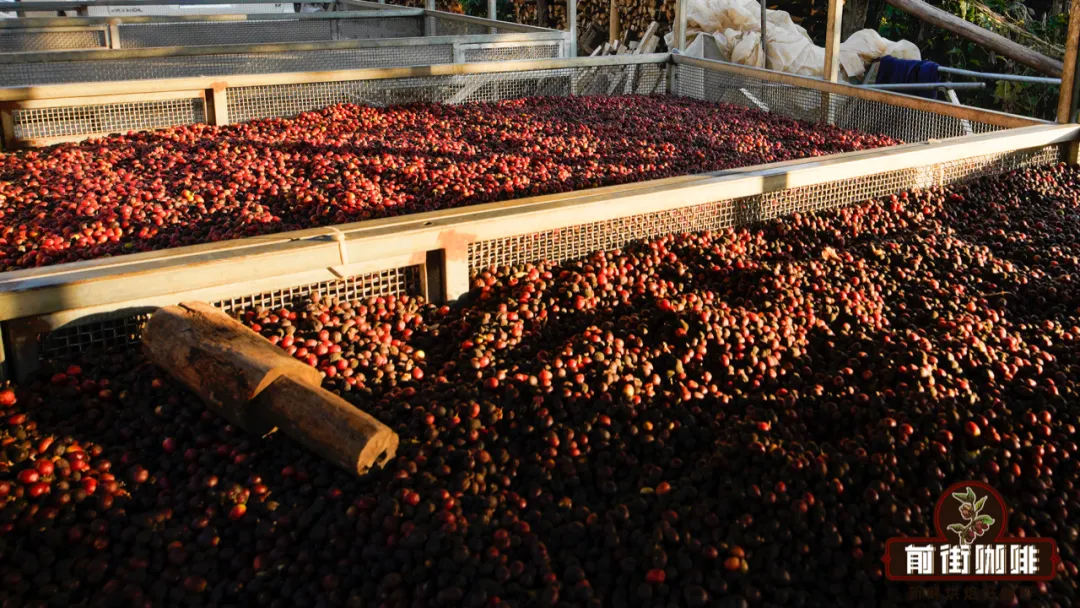
When it comes to coffee processing methods, the natural method can be considered the elder statesman, with the longest history. In an era when other processing methods had not yet appeared, drying in the sun was the only way humans processed coffee fruit. At that time there wasn't even a concept of "processing method"—the practice was quite simple, much like drying peanuts: spread the fruit out to receive the combined effects of sunlight and wind, let the moisture evaporate bit by bit, and finally take out the seeds inside.
However, as coffee-growing regions continued to expand, people found that sun-drying alone was not universally applicable. Some producing areas cannot guarantee sufficient sunlight all day long. If the fruit is not dried thoroughly (moisture content must fall between 10% and 12.5%) , it is prone to mold or insect damage during storage; conversely, if the drying cycle drags on too long, mold will likewise develop during the process.
So each region began to explore drying solutions suited to its own conditions. In the 18th century , the Dutch invented the washed method, because the climate of the West Indies was erratic , making it very difficult for coffee beans to get enough sun-drying time. Their approach was to first remove the skin and pulp, then soak the beans in water to strip off the mucilage, and only afterward dry the beans. This greatly shortened the drying time, and because fermentation was minimal, the coffee presented a very clean flavor. The biggest drawback of the washed method is its astonishing water consumption, which is simply unaffordable in water-scarce regions.
Natural and washed are both easy to understand, but upon hearing names like semi-natural and semi-washed, many people get confused. There's really no need to be puzzled—these names can be understood quite literally. And although the names vary, they actually refer to the same processing method. This method borrows from both the washed and natural processes, half and half, which is why the terms semi-natural and semi-washed arose (of course, semi-washed sometimes also refers to wet-hulling) .
This processing method has quite a few aliases—besides the two above, there are also pulped natural and pulped natural. For the sake of consistency, this article will use the term "pulped natural" throughout. Pulped natural was developed by Brazil, the world's largest coffee producer, to suit local conditions. Although Brazil had long used the natural method, early practices were extremely crude—coffee cherries were simply spread on the ground to dry, for the sake of low cost. The price was that the coffee easily picked up dirt and other foreign impurities, resulting in flavor defects. Declining quality naturally dragged down prices, so a new way out had to be found to improve coffee quality.
But Brazil couldn't use the washed method either, because the country does not have abundant water resources, and washed processing consumes enormous amounts of water—on average, processing 1 ton of coffee uses 10 to 20 tons of water. Add to that Brazil's massive output, and using the washed method across the board was simply unrealistic.
So in 1990, Brazil created this unique processing method, combining washed and natural, giving the coffee beans a clean flavor while avoiding excessive water consumption. How exactly is pulped natural carried out? Semi-natural, pulped natural, pulped natural—from these names you can basically infer the process. You can combine what Front Street explained earlier and first think for yourself about how this processing method operates.
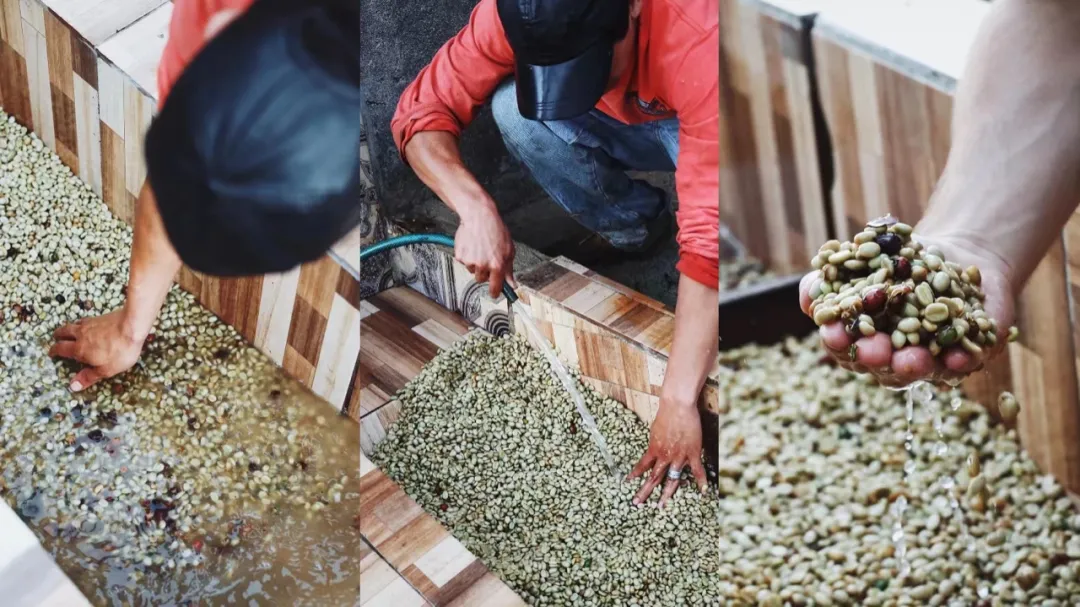
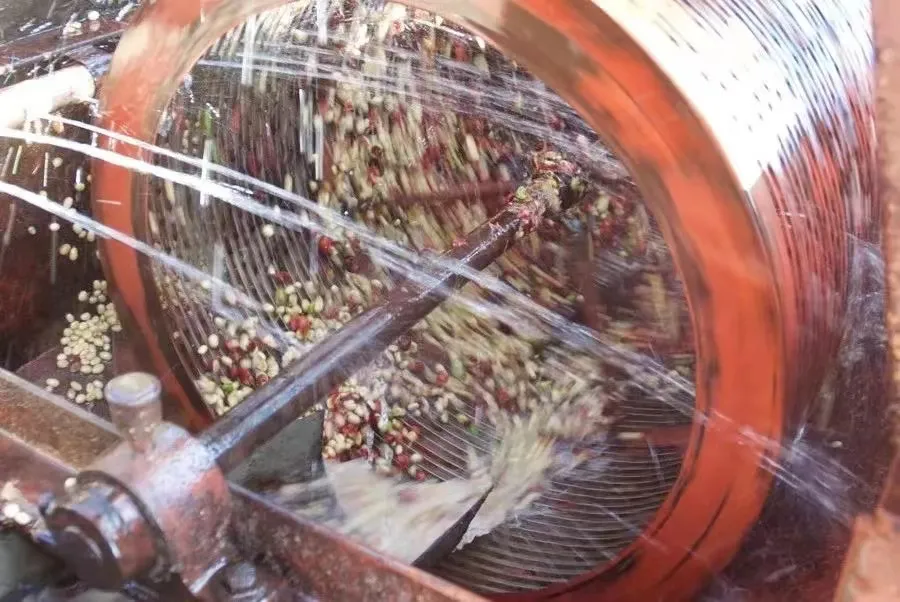
Here's the answer: pulped natural first pours the harvested coffee cherries into a water tank, skims off defective and unripe cherries floating on the surface, then removes the skin, pulp, and a small amount of mucilage, followed by a one-hour washing (soaking) .
Because the soaking fermentation time is very short, only a small portion of the mucilage is rinsed off, and a fair amount remains on the bean surface. Then, the washed coffee beans with mucilage still attached are spread on African raised drying beds. Since the skin and pulp have already been removed, the sun-drying time is greatly shortened, and the risk of contamination is correspondingly reduced.
The honey processing that became popular in Costa Rica also falls within the scope of pulped natural, but its biggest difference from pulped natural is that it does not touch a drop of water, in order to retain more mucilage.
Keen observers may have noticed that Front Street Brazil Cerrado in the Front Street daily-drinker series uses semi-natural processing. After brewing, it presents rich nutty and chocolate flavors, with a full body and soft acidity. Although it lacks the abundant floral and fruity notes of Front Street Yirgacheffe, Brazil's steady, rich dark-roast character is equally impressive. - END -
The above content is compiled by CoffeeHunters, a coffee news website.


