







How Does Processing Coffee Beans Change Classic Coffee Flavor?
Washed and natural processing coffee beans can push the same variety in different flavor directions. A side-by-side comparison of Jamaican Blue Mountain and Panama Hacienda La Esmeralda Blue Label Geisha shows how the natural method raises sweetness and fruit aroma, while the washed method keeps the cup cleaner and more balanced. Blue Mountain introduced natural processing in 2020, and Esmeralda extended the natural method to its Blue Label Geisha.
The comparison follows each coffee from green bean appearance and roasting curves to cupping flavors, so the effect of processing is separated from origin and variety. Blue Mountain stands for classic coffee built on balance, while Esmeralda Geisha is known for its floral and citrus character. Processing shifts sweetness, aroma and cleanliness, but it does not erase the underlying style of either coffee.
When Jamaican Blue Mountain first attempted natural processing, and Panama's Hacienda La Esmeralda extended the natural method down to its Blue Label Geisha, an interesting intersection of processing methods emerged between two coffees representing Old World and New World styles. Front Street Coffee conducts a side-by-side comparison of washed and natural versions, systematically examining how processing methods affect coffee's sweetness, aroma, and cleanliness—from green bean appearance and roasting curves to cupping flavors—helping enthusiasts understand the essential differences and respective advantages of washed and natural processing.
For more specialty coffee information, welcome to follow our WeChat official account: Front Street Coffee (FrontStreet Coffee).
Front Street Coffee's (FrontStreet Coffee) yesterday's promotion focused on washed and natural Blue Mountain coffees as well as Hacienda La Esmeralda Blue Label Geisha. Blue Mountain and Geisha each represent vastly different coffee styles, and placing these two beans together can be seen as a dialogue between the old and new worlds of coffee flavor.
Blue Mountain reached the pinnacle of traditional coffee through its balance, while Hacienda La Esmeralda Geisha has repeatedly won the BOP championship. Coincidentally, both regions saw changes in processing details this year—Blue Mountain unprecedentedly introduced natural processing, while Hacienda La Esmeralda extended the natural method, originally used only for Green Label and Red Label, down to the Blue Label tier. This adjustment gives us the opportunity to conduct a comparative tasting of washed versus natural high-quality beans from the estate's micro-lots.
Many consumers pay attention to processing methods when selecting coffee beans. Some prefer the cleanliness of washed coffee, some enjoy the complexity of natural coffee, and others are drawn to the special aromas brought by anaerobic processing. Does processing really have such magic power to change a coffee's flavor direction?
In 2020, the former coffee champion Blue Mountain joined the natural processing camp for the first time, and the new-season Hacienda La Esmeralda Blue Label Geisha also launched a natural version. Front Street Coffee (FrontStreet Coffee) uses these two coffees as samples to comprehensively compare the effects of processing methods on coffee.
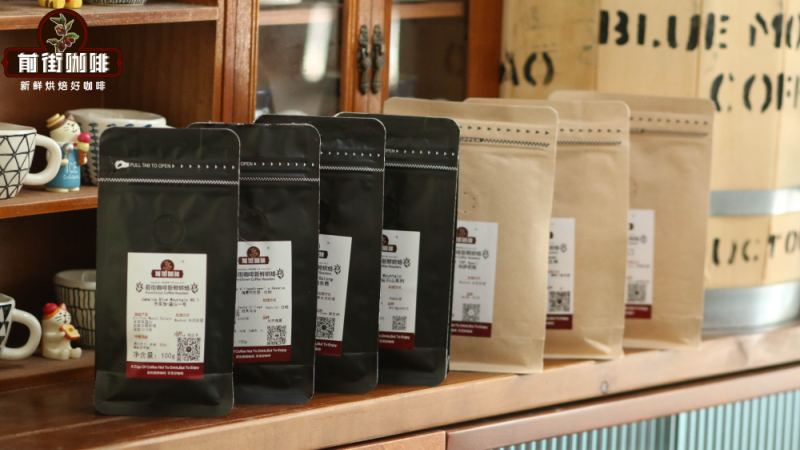
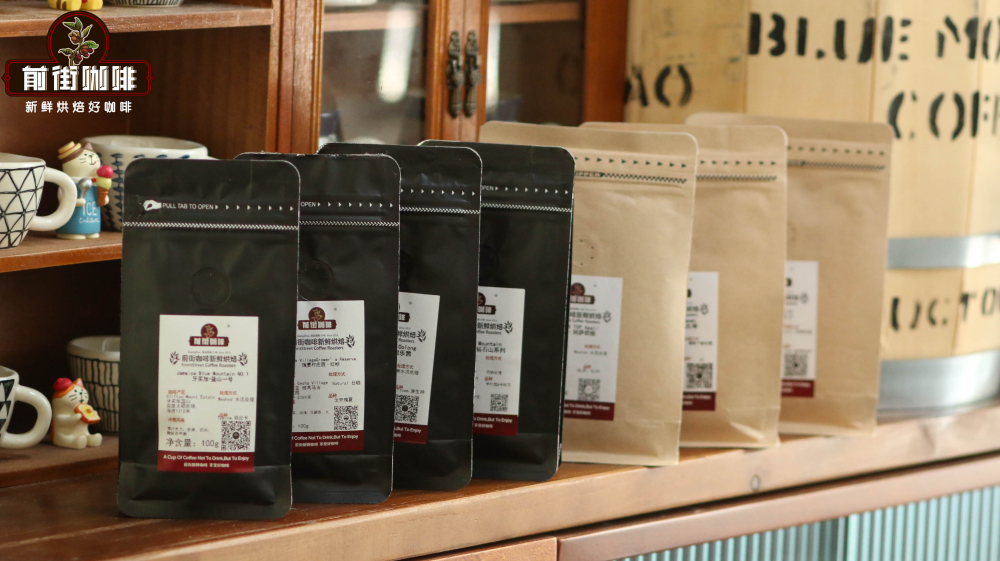
Two beans participated in this comparison. The first is Blue Mountain No. 1 from Clifton Farm in Jamaica's Blue Mountain region. Clifton Estate is not only the estate with the longest history of Blue Mountain coffee cultivation in Jamaica, but also the only coffee estate to have obtained Rainforest Alliance certification. Its coffee trading company's green bean exports account for 55% of Jamaica's total, making it arguably Jamaica's most historically rich and capable coffee enterprise. Front Street's Blue Mountain No. 1 coffee beans come from this estate. Stony Manor mainly cooperates with Japanese companies and has limited domestic recognition, with only 80 years of history. Golden Cup Estate has an even shorter development period of only 20 years, but actually merged two century-old estates and operates with more advanced management techniques. RWS Coffee Estate integrated three century-old estates—Resource, Sherwood Forest, and Whitfield Hall—with the same goal of promoting Blue Mountain coffee's development.
The other comes from Panama's legendary estate—Hacienda La Esmeralda. The new-season Blue Label also launched a natural processed version for the first time. Blue Label Geisha belongs to the "accessible" tier in Hacienda La Esmeralda's product line, allowing consumers to experience the estate's Geisha flavors at a relatively modest price. Before 2020, Hacienda La Esmeralda's Geisha only offered natural processing for Red Label and Green Label; this year's addition of a Blue Label natural version is undoubtedly good news for enthusiasts.
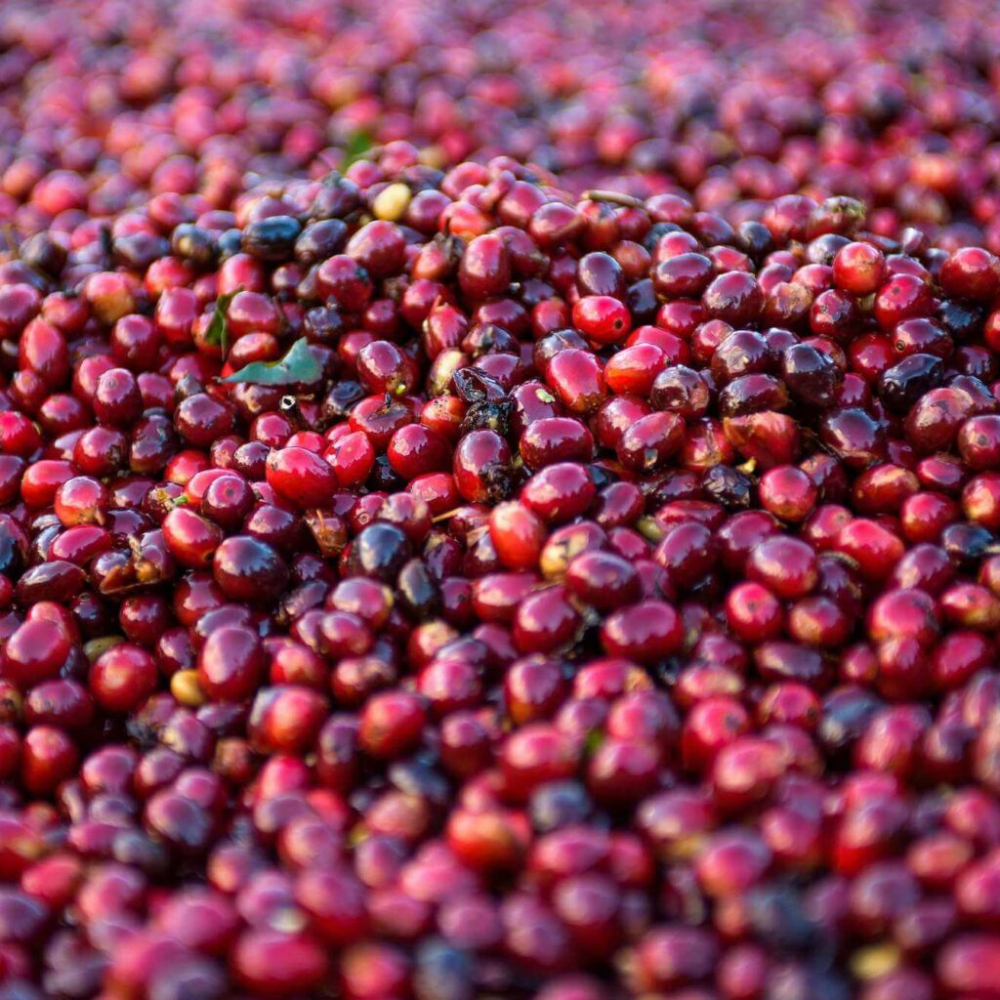
Natural processing is the oldest and most primitive method of processing coffee beans. Over a thousand years ago, Arabs used this method to process coffee. Specifically, harvested coffee cherries are spread directly on patios to sun-dry, taking approximately 27 to 30 days to reduce moisture from 60% to around 12%. This processing method is simple in concept and low in cost, but carries greater variables and risks; for a long time, it was mostly used for processing average-quality beans.
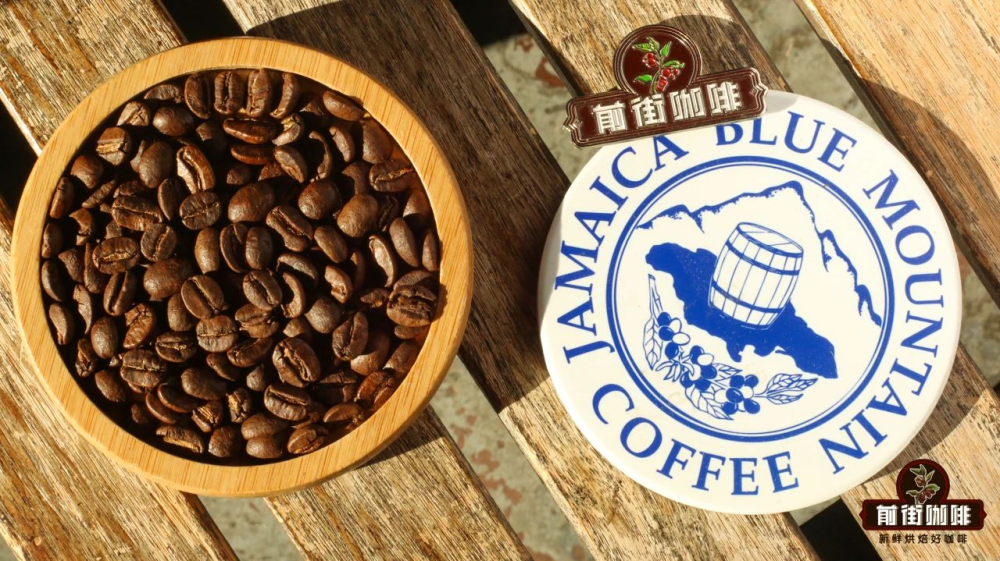
Of course, that is the ancient method. The new era naturally has a new-style natural method, namely refined natural processing. Modern estates in the Blue Mountain region and Boquete region both use refined natural processing. First, after picking, strict red cherry sorting is conducted to remove overripe, underripe, and damaged fruits. Then the sorted coffee fruits are placed on raised beds for flat drying, with dedicated personnel turning them during the drying process to avoid uneven sun exposure. Once moisture drops to around 12% and drying is complete, the beans are hulled and polished, then stored for export.
The washed method was invented by the Dutch in the 18th century. Harvested berries are run through a depulper to separate most of the fruit pulp from the coffee beans, then the parchment beans are introduced into clean water tanks and soaked in water for fermentation to thoroughly remove residual mucilage. Through water treatment, underripe and defective beans are selected out by buoyancy. Then depulping follows—also called pulping—where machines remove the fruit skin, and the remaining coffee with mucilage is placed in fermentation tanks for 1 to 2 days to break down the mucilage adhering to the beans. After that, the coffee beans are washed with clean water, and the parchment green beans are dried to 12% moisture content for storage, with the parchment removed at export.
If the above text seems too dry, let's hear Front Street Coffee's (FrontStreet Coffee) plain-language summary. Natural and washed are essentially both about drying—the difference lies in: natural processing dries the whole coffee fruit, while washed processing removes the skin, pulp, and mucilage, then dries the coffee bean (seed) itself. The drying process is also simultaneously a fermentation process—in natural processing, the whole coffee fruit participates in fermentation, while in washed processing, the mucilage and the bean itself ferment in the fermentation tank, with very little fermentation during the subsequent drying stage. Therefore, washed beans are very stable in flavor control (fewer natural variables), and the beans from the two processing methods each have their own merits.
For the natural versions of these two beans, Front Street used the same roasting curves as their washed versions in order to form a comparison, with minor adjustments to flavor feedback.
Blue Mountain No. 1 coffee uses a medium roast to highlight Blue Mountain's balanced, mellow flavor.
Charged at 165°C, power 130, damper set to 3; turning point at 1'32", power unchanged when drum temperature reaches 95.8°C; damper adjusted to 4 at 3 minutes, power increased to 140 at 4 minutes. At 6'30'' the bean surface turns yellow, the grassy smell completely disappears, entering the dehydration stage; at 8'36" ugly wrinkles and dark patches appear on the bean surface, the toast aroma clearly turns to coffee aroma, which can be defined as the prelude to first crack—at this point, listen carefully for the first crack sound; first crack begins at 10'06", develops for 3 minutes after first crack, dropped at 198.5°C.
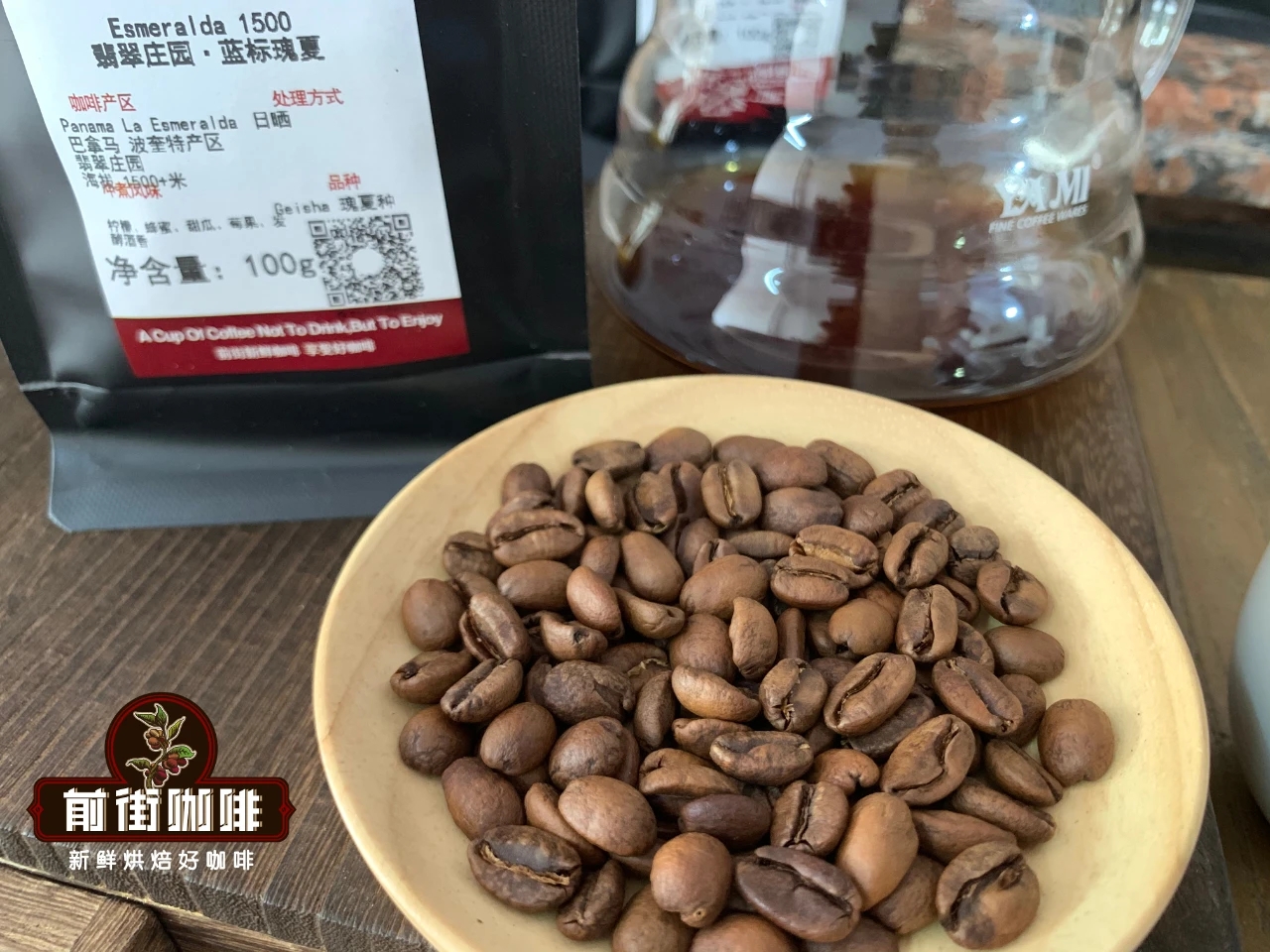
Blue Label Geisha uses a medium-light roast to highlight floral and fruity aromas and Geisha's unique pleasant acidity.
Charged at 180°C, power 130, damper set to 3; turning point at 1'32", damper opened to 4 when drum temperature reaches 104°C, power unchanged; at 151.6°C the bean surface turns yellow, the grassy smell completely disappears, entering the dehydration stage; at 7'56" ugly wrinkles and dark patches appear on the bean surface, the toast aroma clearly turns to coffee aroma, which can be defined as the prelude to first crack—at this point, listen carefully for the first crack sound; first crack begins at 8'30", damper opened to 5, develops for 1'28" after first crack, dropped at 190°C.
Bean Characteristics of Natural vs. Washed

First, observe the Blue Mountain green beans—whether natural or washed, the beans are very plump, uniform in screen size, with both ends slightly upturned, oval in shape, and thin when viewed from the side—a pure-blooded Typica variety.
Next, observe the Blue Label Geisha green beans—Geisha coffee beans are slender, pointed at both ends, and elongated, very easy to identify.
Comparing natural and washed green beans, it's clearly noticeable that natural processed green beans have a yellowish tint, while washed green beans are dark green with incomplete silver skin adhering to the surface.
Looking at the roasted beans, the biggest distinguishing point between natural and washed beans is: natural beans have their silver skin shed very cleanly, while washed beans retain pale yellow silver skin at the center line. The reason is that during roasting, the silver skin at the center line is the hardest to shed. Natural beans, because the outer silver skin is connected as one piece, more easily shed together with the center line silver skin; while washed beans' silver skin adheres to the bean surface in fragments, and the silver skin at the center line crack cannot be easily peeled off.
As soon as Front Street Coffee (FrontStreet Coffee) received the natural Blue Mountain and natural Blue Label, it conducted a side-by-side comparison with the corresponding washed coffee beans, yielding the following sensory flavors:
Overall, the same bean processed differently shows clearly different flavor directions. With natural processing, beans lean sweet, carry fermentation notes, have richer fruit flavors, and more layered complexity. Washed beans have a flatter, cleaner flavor, and in light roasts, highlight acidity and subtle aromas.
Simply put, the washed method removes the influence of fruit pulp during fermentation and drying, allowing the primary flavors to present clearly; while in natural processing, the fruit pulp continually tries to penetrate into the bean during drying, invisibly adding aroma to the coffee bean and achieving richer aromatic variation on top of the washed baseline—and precisely because of this, the primary flavors are to some extent masked by these aromas. Neither washed nor natural is superior—if you want to find the bean's original taste, choose washed; if you want more aromatic experience, choose natural.
The above content is compiled by CoffeeHunters, a coffee news website.


