







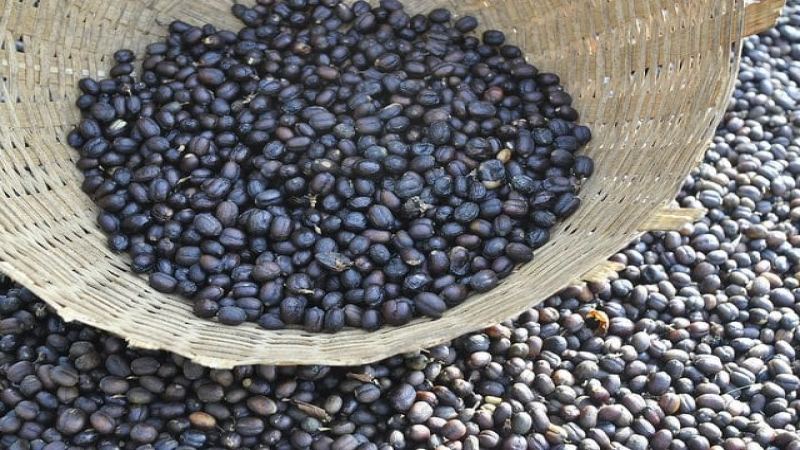
The natural process is the oldest method of processing coffee beans, drying the coffee cherries together with their pulp under the sun, known in English as Natural. This processing method maximizes the retention of sugars and aromas in the pulp, giving the coffee beans rich tropical fruit flavors, full-bodied fermented notes, and sweetness. However, traditional natural processing was once heavily criticized for inconsistent quality control, until the specialty coffee wave brought refined natural processing techniques that revived this ancient method. This article will guide you through the principles of natural processing, its historical evolution, the revolutionary significance of Operation Cherry Red, and recommendations and brewing parameters for several Front Street natural coffee beans, allowing you to deeply appreciate the unique charm of natural coffee.
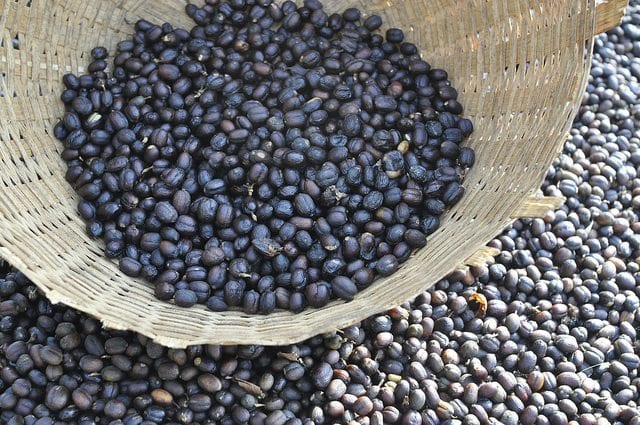
The natural process is the oldest method of primary coffee processing in the world, also known as the "dry process." Simply put, natural processing uses sunlight to dry coffee cherries together with their skin and pulp until completely dry, after which the husk is removed. That's why it's called Natural in English, meaning it uses a natural method of processing. There are many types of natural processed coffee beans on the market; we recommend Front Street Red Cherry Coffee, Front Street Flower Queen Coffee, Front Street Queen's Manor Coffee, and Front Street Gesha Village Coffee, all of which let you experience the unique deliciousness of natural coffee.
During the drying process, the sugars and aromas contained in the coffee pulp are well preserved and gradually permeate into the green coffee beans. At the same time, the longer the natural processing takes, the more complete the fermentation. Because natural processing allows the coffee fruit to dry naturally, the coffee beans mature inside the fruit without interference from the external environment, so natural processed coffee beans amplify their inherent flavors, with distinct tropical fruit notes, full-bodied fermented character, and sweetness. Regions around the world with scarce water resources basically all adopt this processing method, such as Ethiopia in Africa.
Located on the African continent, Ethiopia has high altitude, low rainfall, and long sunshine hours, making it very suitable for natural processing of green coffee beans. Although natural processing saves water resources, if producers "cut corners for convenience" and fail to strictly control the time and temperature of exposure to heat, the quality of green coffee beans is often uneven. The traditional natural processing method involves laying a cloth on the ground and placing coffee beans directly on it for sun drying. Without frequent raking, there can be problems with excessive temperature or uneven fermentation. Additionally, the ground contains many undesirable bacteria and contaminants that can damage the flavor of coffee beans, so traditional natural processing had many unpleasant defective flavors. In the early days, good beans would basically never be processed using the natural method because people had a very poor impression of natural processing, and it didn't sell for a high price.
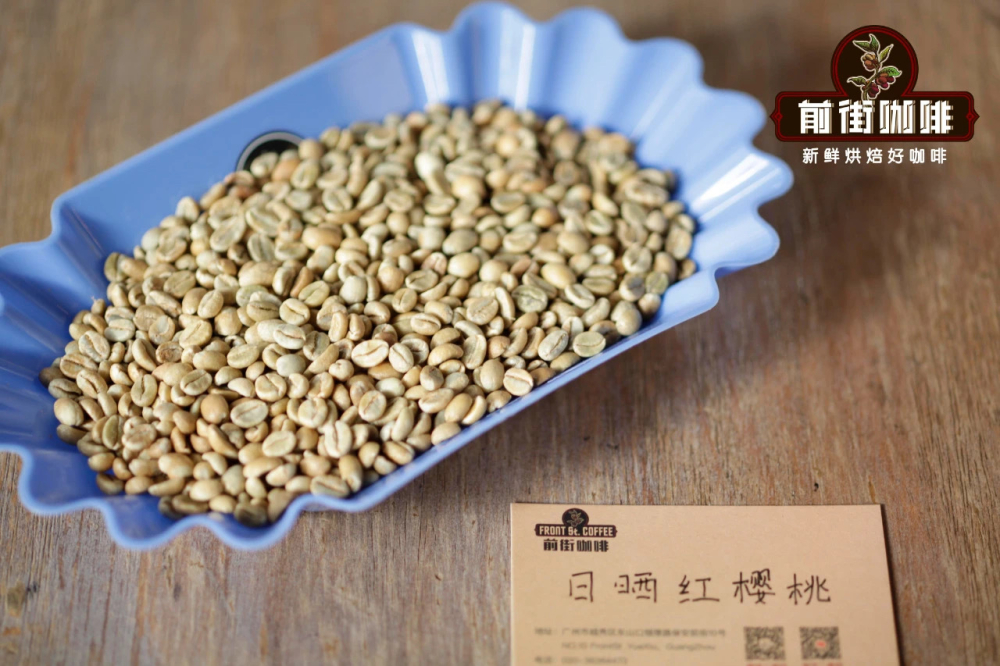
With the advancement of specialty coffee in recent years, natural processing techniques have become increasingly refined. For example, Front Street's Red Cherry Coffee Beans are processed using this refined natural method.
In order to improve the income of local farmers in Ethiopia and the quality of coffee, Dutch trading company Trabocca BV launched the "Operation Cherry Red Project" (OPERATION CHERRY RED PROJECT) in 2007, mainly targeting high-altitude producing areas such as Yirgacheffe in Ethiopia to improve washed, semi-washed, and natural processing techniques. Professional cuppers were also brought in. During the harvest season, different coffee harvest volumes are designated for different microclimate zones, and only 100% ripe red coffee cherries may be harvested, with production of approximately 1500-3000KG. The economic loan support, new hardware equipment, and production knowledge and technology provided by Trabocca have greatly improved the coffee bean quality in the Yirgacheffe producing area and even throughout Ethiopia as a whole. Correspondingly, the coffee also commands a higher selling price, thereby increasing the income of coffee farmers.
Unlike the past, today's natural processing takes much more care with manual sorting and ensuring even drying. Freshly picked red coffee cherries undergo manual sorting to remove defective beans and those that are overripe or insect-damaged, keeping only the good beans. They are then sent to drying facilities for drying. Of course, different producing areas use different drying racks—some use tarps, raised beds, etc.—but the most common is the African drying bed. The drying time generally requires 27-30 days, until the coffee turns dark purple and the moisture content drops to 11% before it is considered complete. Natural Yirgacheffe has a more intense flavor and richer layers, with wine-like fermented notes, and the sweetness is also relatively higher.
Front Street's natural Yirgacheffe Red Cherry Coffee Beans are made from fully red cherries naturally processed at the Aricha Farm. The green coffee beans are light yellow, plump, with complete bean appearance and low defect rate, G1 grade. Natural Yirgacheffe has a more intense flavor and richer layers, with wine-like fermented notes, and the sweetness is also relatively higher.
Brewing parameters for Front Street natural Red Cherry Coffee Beans:
Dripper: V60 Water temperature: 92-93°C Dose: 15g Coffee-to-water ratio: 1:15 Grind size: fine sugar consistency (screening to 78% with a No. 20 sieve)
For the first pour, add 30 grams of water for a 30-second bloom, then pour 95 grams (electronic scale shows about 125 grams), completing the pour in about 1 minute. When the water level drops to 2/3 of the coffee bed, pour the remaining 100 grams (electronic scale shows about 225 grams), completing the pour in about 1 minute 35 seconds. At 2'10", the drip finishes; remove the dripper to complete the extraction.
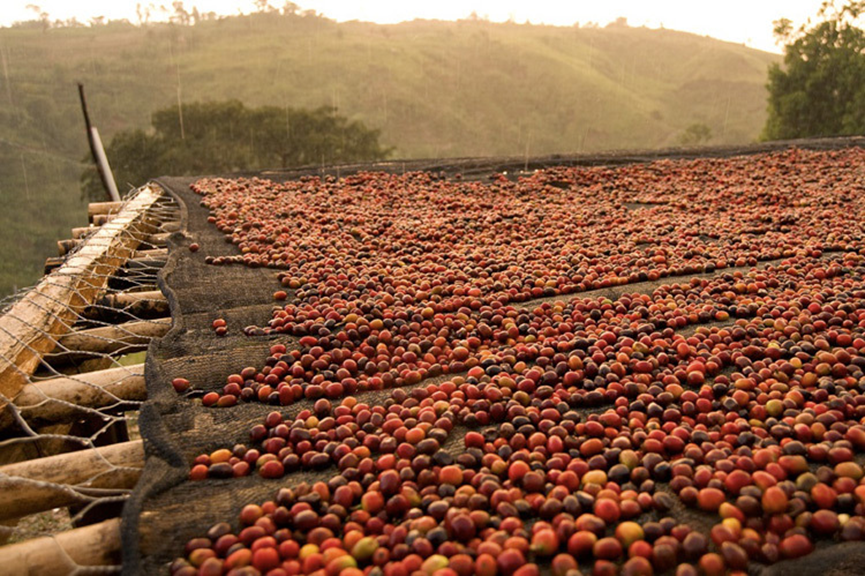
Front Street natural Red Cherry flavor notes: lemon, licorice, citrus, berries, sweet orange; overall high sweetness, with caramel and cream notes in the aftertaste, and a black tea aroma in the finish.
For more specialty coffee knowledge, please follow: Front Street Coffee ( Frontsteet Coffee )
The above content is compiled by CoffeeHunters, a coffee news website.


