







Search Results for: light roast and dark roast parameters
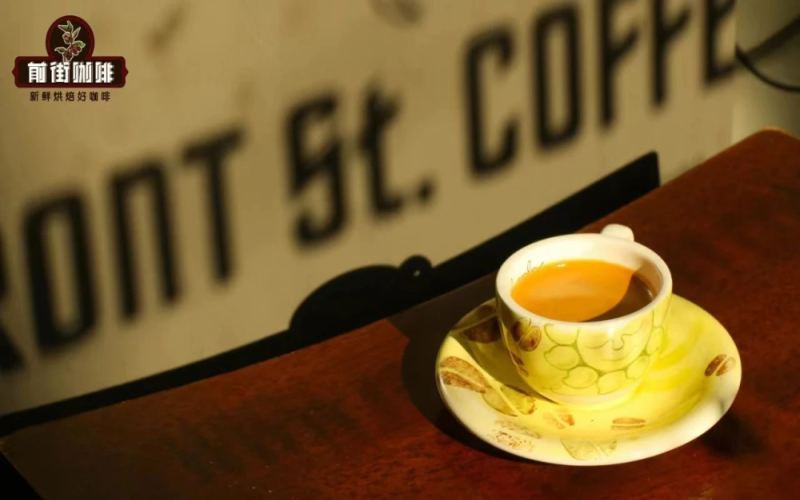
A Complete Parameter Guide to Making Espresso with Light-Roast Coffee Beans: Key Adjustment Points for Grind, Dose, Time, and Milk Coffee Ratios
Espresso is typically based on medium-dark or dark roasted coffee beans, because the caramelized aromas blend more harmoniously with milk. However, drinking the same flavor over the long term inevitably becomes monotonous, and many coffee enthusiasts turn to light roasted beans with prominent floral and fruity notes, such as Front Street Coffee Huakui SOE or Front Street Coffee Strawberry Candy espresso blend, which when used to make a latte can highlight creamy smoothness and berry-cocoa notes. Yet the difference in density and brittleness between light and dark roasts is significant, and using dark roast parameters to extract light roasted beans often results in espresso that is sharply acidic and thin, with an unbalanced mouthfeel once milk is added. This article systematically sorts out the five core parameters that need adjustment when switching from dark roast to light roast: the grind size needs to be adjusted finer by 2 to 4 steps, the dose increased by 0.5 to 1 gram, the extraction time extended to 28 to 40 seconds, the brew ratio loosened to about 1 to 2.5, and the amount of milk appropriately reduced to avoid masking the coffee's true flavor. All adjustments are premised on the freshness of the coffee beans, and Front Street Coffee ships everything freshly roasted within 5 days, with 24-hour shipping support, ensuring the flavor is at its best. [more…]
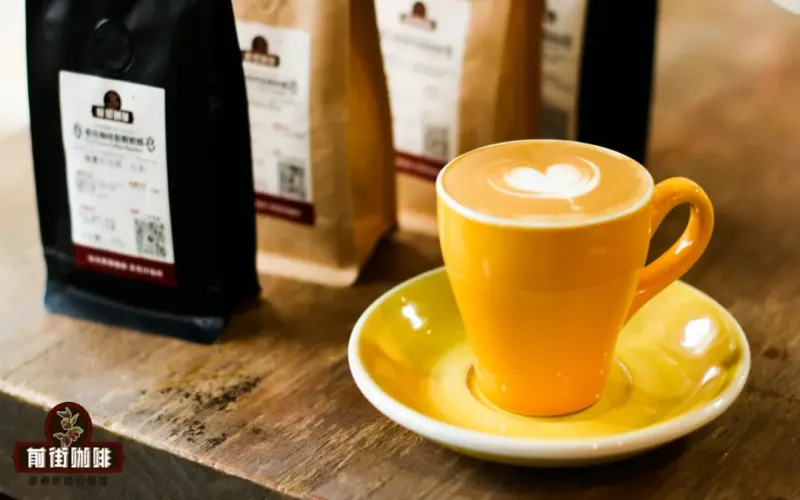
Is It Feasible to Make Espresso from Single-Origin Beans for Pour-Over? Differences Between Light Roast and Blend Beans and Extraction Adjustment Approaches
Many coffee enthusiasts stock up on single-origin pour-over beans during Front Street Coffee's monthly limited-time events, yet their purpose is to make espresso. However, single-origin beans are mostly medium-light or light roasts, which differ significantly in roast level from the dark roasts commonly used for espresso. Directly applying dark roast parameters often results in espresso that is sharply acidic and thin. This article focuses on this topic, first explaining the essential differences in density and brittleness between dark and light roast beans, then providing grinding adjustment ideas and reference formulas for light roast single-origin beans, and finally, from the two directions of dose and milk ratio, explaining how to keep light roast espresso from being diluted and masked in milk-based coffee, along with practical tips for making milk coffee. [more…]
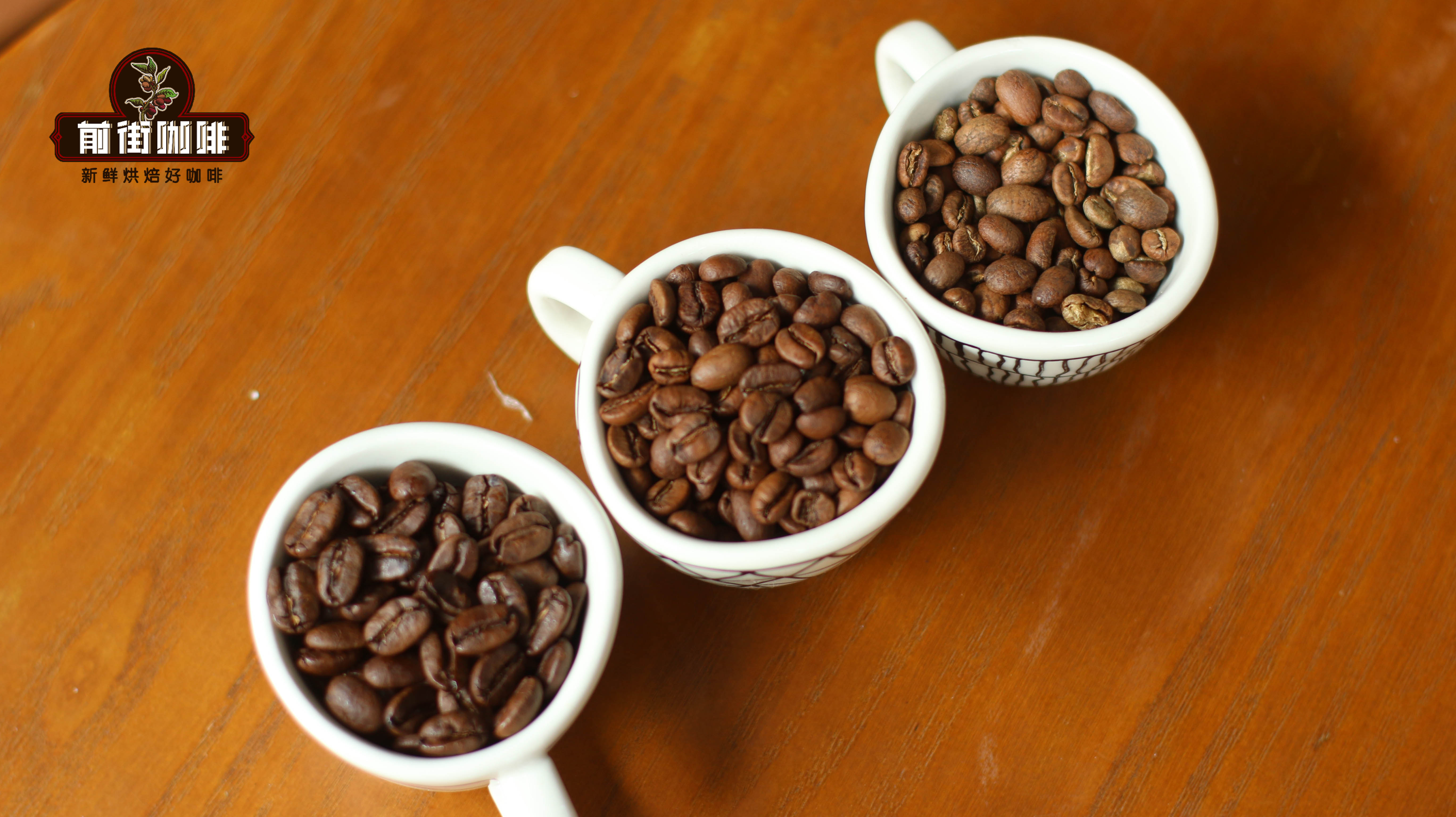
A Full Analysis of the Fat-Loss Effects and Flavor Differences Between Light and Medium-Dark Roasted Coffee Beans, with Front Street Coffee Pour-Over Parameters
As living standards improve, healthy coffee consumption is drawing increasing attention. Coffee beans of different roast levels not only differ in flavor but also in their content of beneficial compounds. Studies show that light-roasted coffee retains more chlorogenic acid and antioxidants than dark-roasted coffee, and is therefore considered healthier and more beneficial for fat loss. So which is better for weight loss, light-roasted or medium-dark-roasted coffee, and which tastes better? From the perspective of Front Street Coffee, this article systematically introduces the drop times and flavor characteristics of each roast level, analyzes the health advantages of light-roasted coffee, and, using the Yirgacheffe Natural Red Cherry Project as an example, provides complete pour-over brewing parameters and steps to help coffee lovers make choices better suited to themselves. [more…]

How Does Roast Level Shape Coffee Flavor? A Guide to Brewing Parameters for Light and Dark Roasted Beans
The same coffee beans can deliver completely different taste experiences when light-roasted versus dark-roasted. Using Front Street Granada Geisha as an example, this article analyzes how the Maillard reaction and caramelization during roasting alter coffee's acid-bitterness balance, body thickness, and bean density, and further explores the extraction methods and brewing parameters suited to different roast levels. Whether you prefer bright acidity and sweetness or a full-bodied, sweet finish, you can find the roast choice and preparation advice that suits you. [more…]
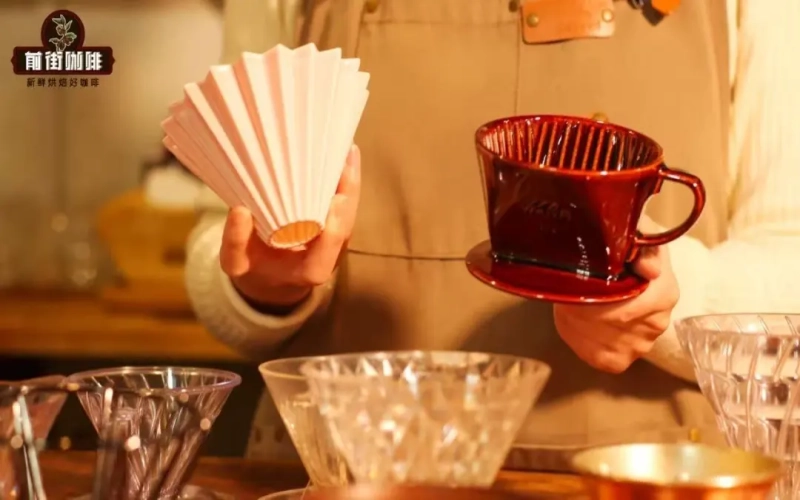
Pour-Over Coffee Dripper Selection Guide: Brewing Parameters and Pairing Suggestions for Light and Dark Roast Beans
In pour-over coffee, the choice of dripper is often overlooked by beginners, but it actually directly affects extraction time, method, and ultimately the flavor in the cup. Drawing on everyday brewing experience, Front Street Coffee offers dripper pairing suggestions for coffee beans of different roast levels. Light-roasted beans suit fast-flow conical drippers like the V60 to highlight floral and fruity aromas and layering; dark-roasted beans are better matched with slow-flow drippers like the Kono to enhance body and sweetness. The article also uses Granja Geisha and PWN Golden Mandheling as examples, listing specific parameters such as dose, ratio, grind size, and water temperature in detail for coffee enthusiasts' reference. [more…]

How to brew unfamiliar coffee beans perfectly in one go? Determine pour-over parameters for light and dark roasts based on roast level and density
Buying a bag of unfamiliar coffee beans, the biggest fear is using the wrong parameters and wasting good beans for nothing. In fact, even without an existing brewing recipe on hand, you can judge whether the beans suit a high-efficiency or low-efficiency extraction method by observing their roast level and density, and thereby set the appropriate water temperature, grind size, and ratio. In this article, Front Street Coffee will walk you through starting from flavor descriptions and bean hardness, breaking down the differences between light-roast and dark-roast coffee beans step by step, and using two beans—Ethiopian Huakui and PWN Golden Mandheling—as examples to provide directly referenceable pour-over parameters, so you can brew confidently even when facing new beans. [more…]
A Curated Selection of Dark Roast Coffee Beans: A Comprehensive Analysis of Pour-Over Suitability, Parameter Settings, and Flavor Profile
Can dark-roasted coffee beans be used for pour-over? The answer is yes, but it requires a brewing approach completely different from that for medium-light roasts. Starting from the concept of body, this article sorts out the flavor differences among light, medium, and dark roast levels, and recommends popular dark-roast single origins such as Front Street PWN Golden Mandheling, Queen's Estate, Jamaica Blue Mountain No. 1, and Huilan. Then, focusing on four dimensions—coffee-to-water ratio, brewing time, dripper selection, and pouring technique—it breaks down one by one the parameter adjustment methods for pour-over with dark-roasted beans: how to avoid a thin mouthfeel, prevent under-extraction, choose a KONO dripper to extend immersion, reduce water flow washing against the cup wall, and other practical tips to help you consistently brew rich, full-bodied dark-roast coffee. [more…]
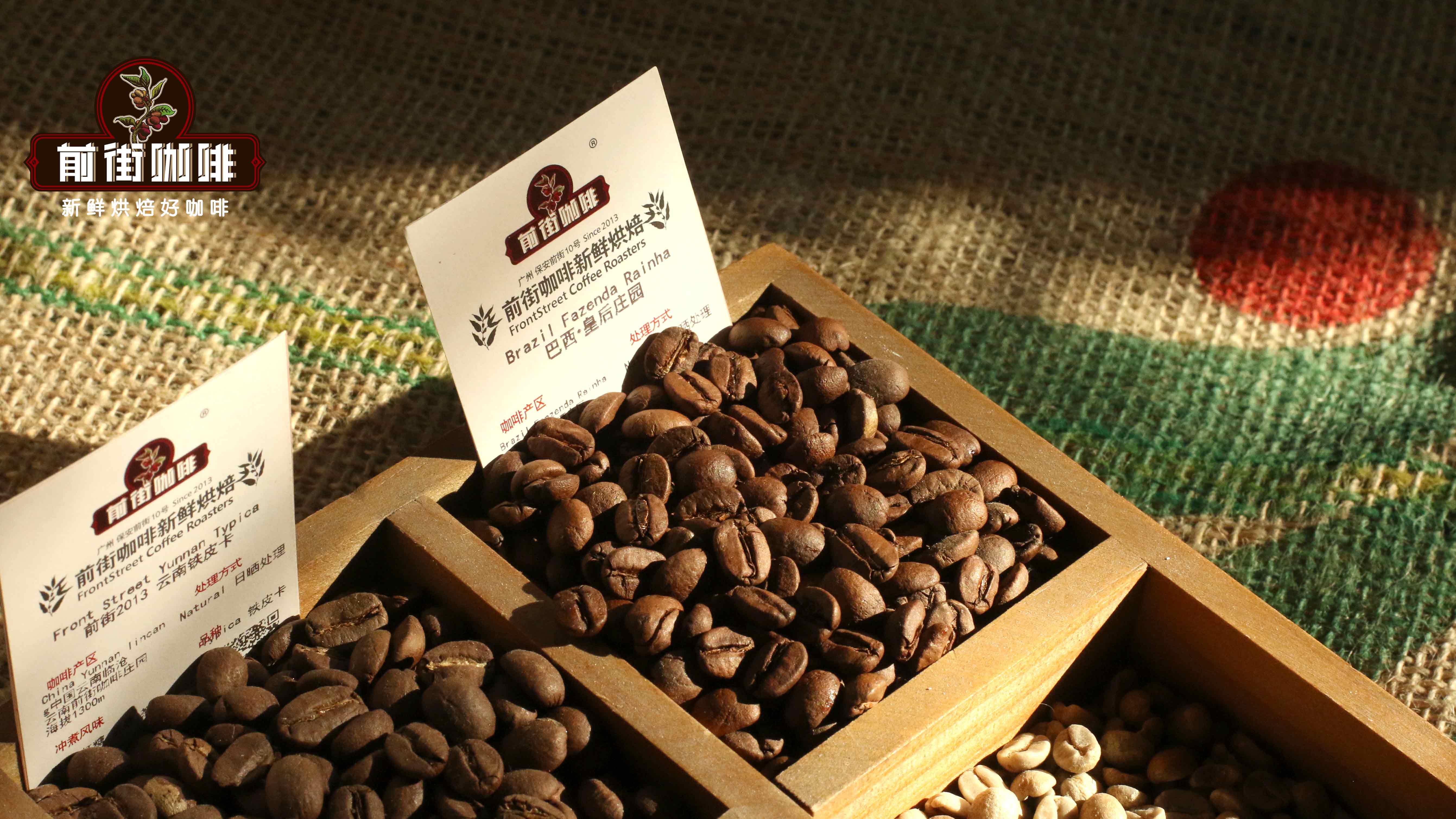
A Complete Guide to Coffee Roast Levels: Flavor Differences Between Light, Medium, and Dark Roasts and Pour-Over Parameter Guide
The roast level of coffee beans directly affects the final flavor profile, but the labeling methods on the market are diverse, ranging from light roast to cinnamon roast, often leaving beginners confused. This article, from the perspective of Front Street, systematically sorts out the definition standards and flavor characteristics of coffee roast levels. Using the SCAA's Agtron color value system, it divides light to dark roasts into eight levels and explains the dropping timing and flavor performance of each stage one by one. At the same time, the article also shares how to infer the roast level from flavor descriptions, the bean selection logic for espresso, and the pour-over grind size and water temperature parameters corresponding to different roast levels, helping you accurately judge and brew a good cup of coffee even when labeling is lacking. [more…]
Coffee Knowledge | How to Quickly Identify Coffee Bean Roast Levels? Introduction to Grind Size and Brewing Water Temperature Parameters for Medium-Light and Medium-Dark Roasted Coffee
As everyone knows, Front Street Coffee mainly sells beans and has shops on both Taobao and Tmall, so friends who can't make it to the store often place orders online. Then some friends noticed that the labels on Front Street Coffee's beans don't indicate the roast level of the coffee beans, so they reported that after receiving them, they didn't know how to identify [more…]

Why Does Hand-Brewed Dark Roast Coffee Taste Bitter? A Comprehensive Analysis from Roasting Principles to Extraction Parameters
Today, on pourover coffee menus, acidic beans dominate the mainstream, yet a group of veteran enthusiasts remains steadfastly devoted to the bitter flavors of dark-roasted coffee. Where exactly does this bitterness come from? How does the degree of roast influence the flavor trajectory of coffee? The nutty aroma, rich body, and bittersweet finish unique to dark-roasted beans are an experience that light-roasted beans find hard to replicate. Of course, a delicious cup of dark-roasted coffee also depends on proper brewing methods. Starting from the principles of roasting, this article analyzes the unique charm of dark-roasted bitter coffee, and using Golden Mandheling as an example, shares key parameters such as water temperature, grind size, dripper selection, and pouring technique, helping you brew a gentle, smooth dark-roast pourover at home. [more…]
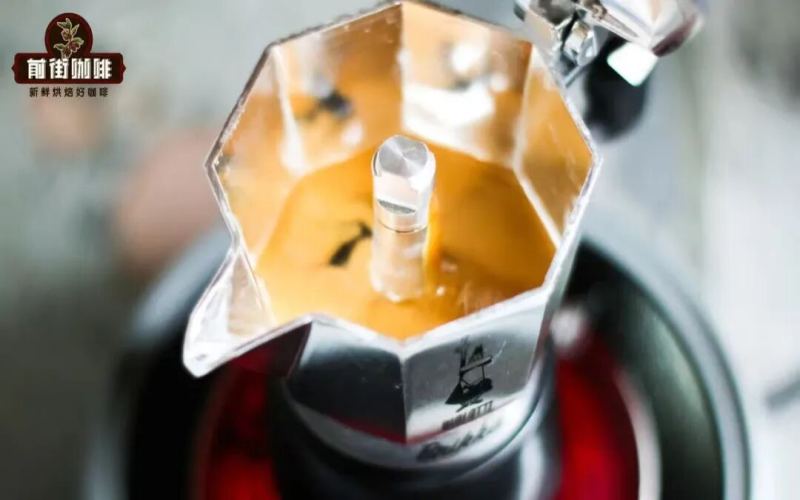
Moka Pot Coffee Bean Recommendations | Is Light Roast Coffee Suitable for Brewing in a Moka Pot? Introduction to Moka Pot Coffee Grind Size and Dosage Parameters
After drinking too much coffee of a certain flavor, we always want to try something new. For example, some friends who use moka pots, although they usually buy deeply roasted coffee beans full of caramel aroma to make moka pot coffee, occasionally want to switch to light-roasted beans to experience the floral and fruity notes of light-roasted coffee. However, due to online [more…]
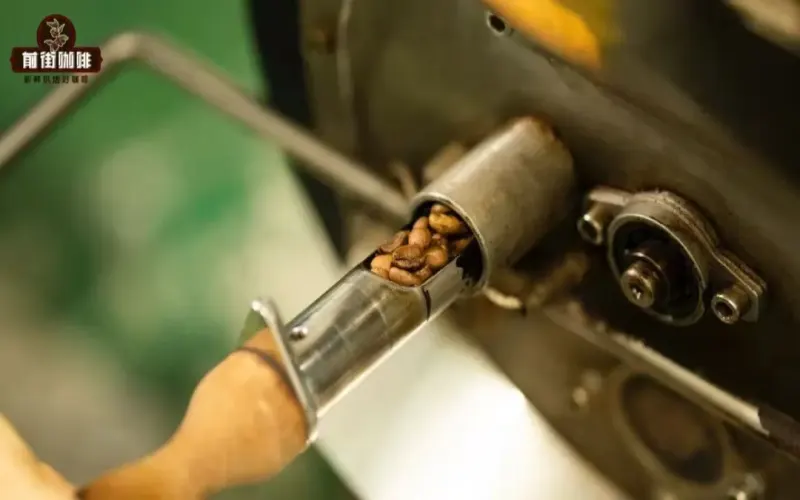
Analysis of Pour-Over Parameters for Medium-Dark and Dark Roast Coffee Beans and Recommended Suitable Varieties
The roasting degree of coffee beans directly affects the flavor profile: light roasts highlight acidity and floral notes, while medium-dark roasts bring the rich, mellow feel of nuts, chocolate, and caramel. Starting from roasting types, this article sorts out the characteristics and representative products of medium, medium-dark, and dark roasted coffee beans, and provides parameter references for pour-over brewing methods for dark roasted beans. For coffee lovers who prefer low acidity and a rich taste, the article also introduces several medium-dark roasted single origins and espresso blends under Front Street Coffee, helping you find the cup that suits you between pour-over and espresso. [more…]
How to Tell Coffee Roast Levels Apart? From Acidic and Bitter Flavors to Appearance Parameters, a Thorough Guide to Judging Roast Degree
Faced with a dazzling array of coffee beans, how do you tell whether they are light roast or dark roast? This article starts with the industry's Agtron color value standard, explains why this professional grading system is not practical in everyday life, and then offers a more down-to-earth approach—classifying by the intensity of acidity, sweetness, and bitterness. It also uses specific examples from the Front Street Coffee bean list to teach you how to infer the roast level from flavor descriptions, and includes the brewing water temperature, grind size, and coffee-to-water ratio for different roast levels. In addition, observing the color of the bean surface and the oiliness can also provide a quick initial judgment, but you need to pay attention to a few exceptions to avoid under-extraction caused by misjudgment. [more…]
How much does a 2°C difference in brewing water temperature affect coffee flavor? Front Street Coffee's actual test comparing light roast and dark roast beans
When brewing coffee, should the water temperature be 91°C or 93°C? Does this seemingly tiny difference really determine the flavor direction of a cup of coffee? Front Street Coffee often receives similar questions, because when we share extraction parameters, the water temperature is often given as a range rather than a fixed value. To clarify this issue, we brewed a light-roasted Ethiopian Yirgacheffe and a dark-roasted Brazilian Queen's Estate using the lowest and highest recommended water temperatures respectively, making four pots of coffee in total, and measured the concentration one by one, calculated the extraction yield, and then compared the flavor differences through tasting. This article will present the experimental results in full, analyze the specific effects of high and low water temperatures on the balance of acidity and sweetness, layering, and body, and share how Front Street Coffee chooses the appropriate water temperature based on the roast level of the beans in daily production. [more…]
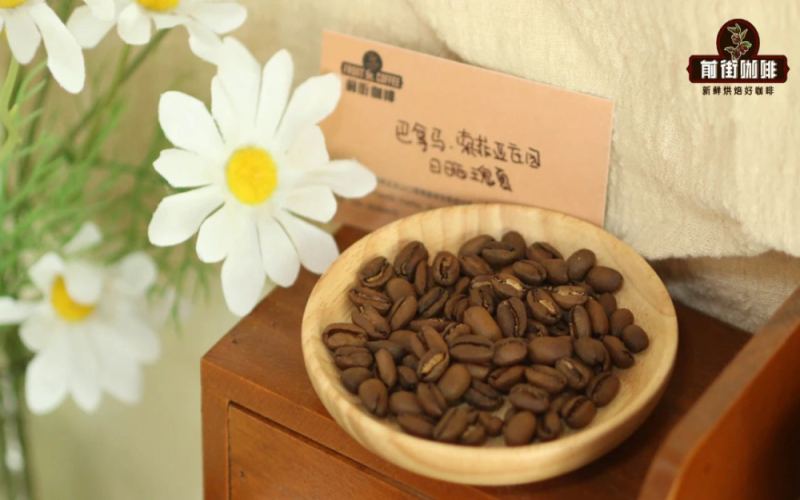
How to Choose Between Light and Dark Roasts for Geisha Coffee? A Complete Analysis of Flavor Expression and Brewing Parameters
Geisha coffee is world-renowned for its intense floral aromatics, citrus and berry notes, and delicate acidity, and the choice of roast level directly determines its flavor direction. This article analyzes the taste differences of Geisha coffee across three dimensions—light, medium, and dark roast—and, drawing on Front Street Coffee's roasting philosophy and brewing practices, provides a detailed interpretation of the flavor characteristics of Panama Hacienda La Esmeralda Geisha. It also includes Front Street's recommended V60 pour-over parameters, coffee-to-water ratio, and grinding standards to help coffee lovers find the cup that best suits them between floral-fruity brightness and rich body. [more…]
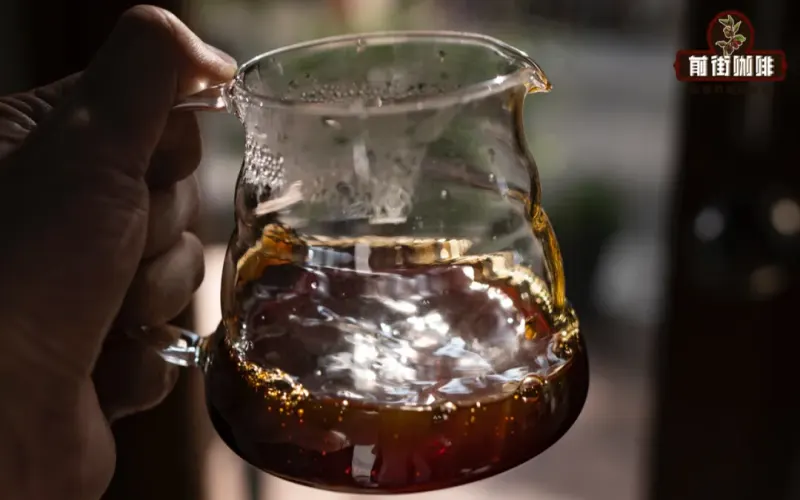
Pour-over coffee lacking aroma and thin in flavor? Analyzing parameter adjustments for light and dark roasts from the perspective of strength and extraction yield
Ever brewed the same coffee beans at home, only to find it never tastes as rich as what you get in a café? The problem usually lies in strength or extraction yield. Insufficient strength often comes from using too much water and diluting the coffee, while under-extraction stems from poorly tuned parameters like water temperature, grind size, and brew time. This article breaks down in detail how to improve the flavor by adjusting the coffee-to-water ratio, water temperature, and grind size, and shares two sets of brewing parameters from Front Street for medium-light and medium-dark roasted coffee beans, helping you easily brew pour-over coffee with full aroma and standout flavor. [more…]
Pour-Over for Beginners: A Guide to Developing Extraction Plans for Unfamiliar Coffee Beans and Identifying Roast Levels
When faced with a coffee bean you've never tried before, how can you quickly find the right brewing recipe? Actually, you don't need to overturn your existing brewing habits—just make targeted adjustments to the extraction parameters. Drawing on Front Street Coffee's practical experience, this article teaches you to infer the roast level from the flavor description on the bean bag label, and from there determine the three core parameters: coffee-to-water ratio, grind size, and water temperature. It also explains in detail the differences in extraction logic between light-roasted and dark-roasted beans, as well as strategies for dealing with specially processed beans, helping you easily master every unfamiliar bean without changing your brewing technique. [more…]
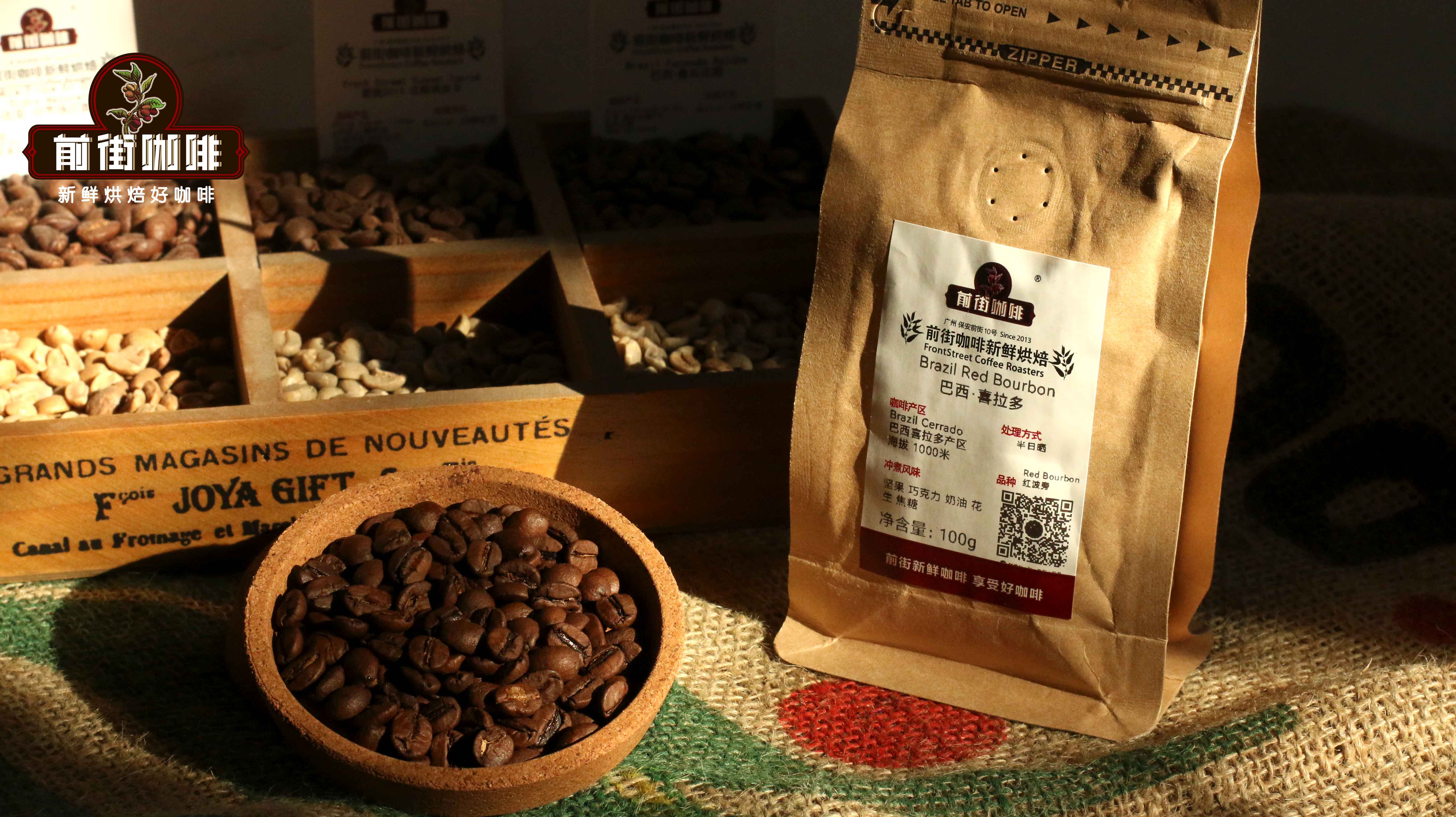
How Are Coffee Bean Roast Levels Classified? A Complete Analysis of National Standards, Flavor Assessment, and Brewing Parameters
Common labels on coffee bean packaging such as light roast, medium roast, and cinnamon roast often confuse beginners. The roast level directly determines the direction of coffee flavor, and historically different countries and regions have had their own schools of thought for defining roast levels, lacking a unified standard. The Specialty Coffee Association of America, together with Agtron, used infrared caramelization measurement values as the basis to divide roast levels from light to dark into eight grades, which has become an important industry reference. In this article, Front Street will systematically introduce the Agtron color values, drop times, and flavor characteristics of each roast level, and share how to judge the roast level through flavor descriptions, as well as the grinding degree and water temperature parameters that should be used for different roast levels. [more…]
A Complete Guide to Pour-Over Coffee Grind Parameters: Differences in Water Temperature, Coffee-to-Water Ratio, and Grind Size Between Dark and Light Roasts
When brewing pour-over coffee, water temperature, water volume, grind size, and time are the four key factors that determine extraction. Among them, grind size is often the most easily misjudged because it cannot be directly observed—too fine or too coarse will throw the flavor off balance. This article starts with methods for judging grind size, explaining how to calibrate it using a No. 20 sieve, drawdown speed, and taste feedback, and compiles the three grind settings Front Street Coffee uses for light-roasted, anaerobic, and dark-roasted beans, including their respective passing rates through the sieve, water temperatures, and coffee-to-water ratios, while also offering grind adjustment advice for iced pour-over, helping enthusiasts build a stable, reusable brewing framework. [more…]
Pour-Over Coffee Staged Pouring and Timing Control: Brewing Methods and Parameters for Light and Dark Roasts
The essence of pour-over coffee lies in its flexibility and adjustability—every subtle change can make the final flavor completely different. However, faced with so many variables such as water flow, grind size, and water temperature, many enthusiasts often feel at a loss about where to begin. Starting from Front Street Coffee's hands-on experience, this article systematically breaks down the five core parameters: coffee-to-water ratio, coffee dose, grind size, water temperature, and extraction time. Focusing on two beans, Yirgacheffe Kochere and Golden Mandheling, it also demonstrates the specific operations and flavor differences of the one-pour method, the three-stage method, and the stirring method, helping you find the right brewing rhythm between light roasts and dark roasts. [more…]