







How Does the Latte Milk Coffee Ratio Change With Light Roast?
Switching from dark to light roast espresso means adjusting five parameters, and the milk coffee ratio is one of them. Because light roasts carry fruity and floral notes, the usual amount of milk can mask those flavors. The recommendation is to reduce the milk slightly while widening the brew ratio to about 1:2.5, so the coffee still comes through in the cup.
The other adjustments support that change. Grind finer by 2 to 4 notches, increase the dose by 0.5 to 1 gram, and extend extraction to 28 to 40 seconds. This keeps the shot balanced instead of sharply sour and thin. Freshness matters too, since flavors fade quickly once beans are past their roast date. For an americano drink coffee, the same logic applies with water instead of milk.
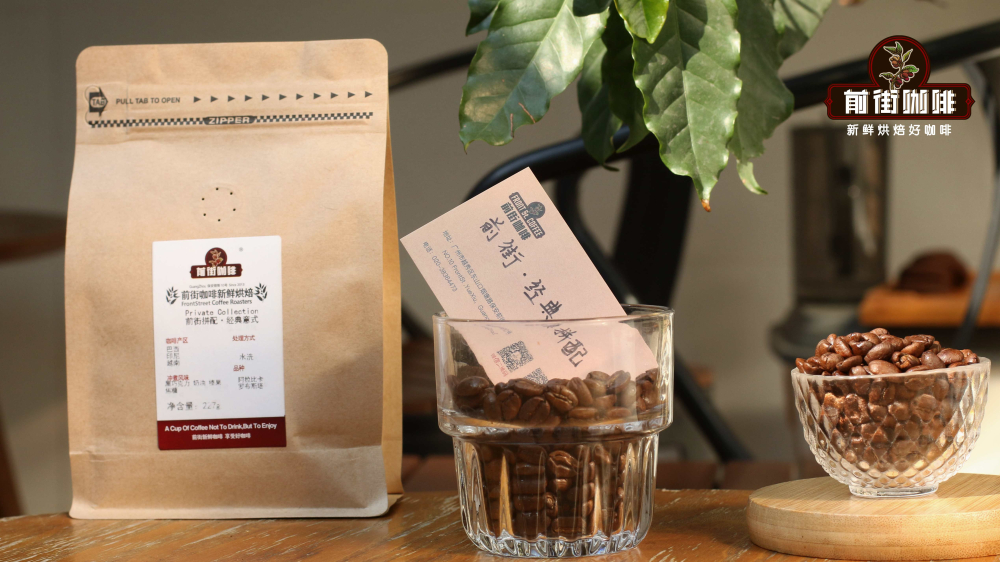
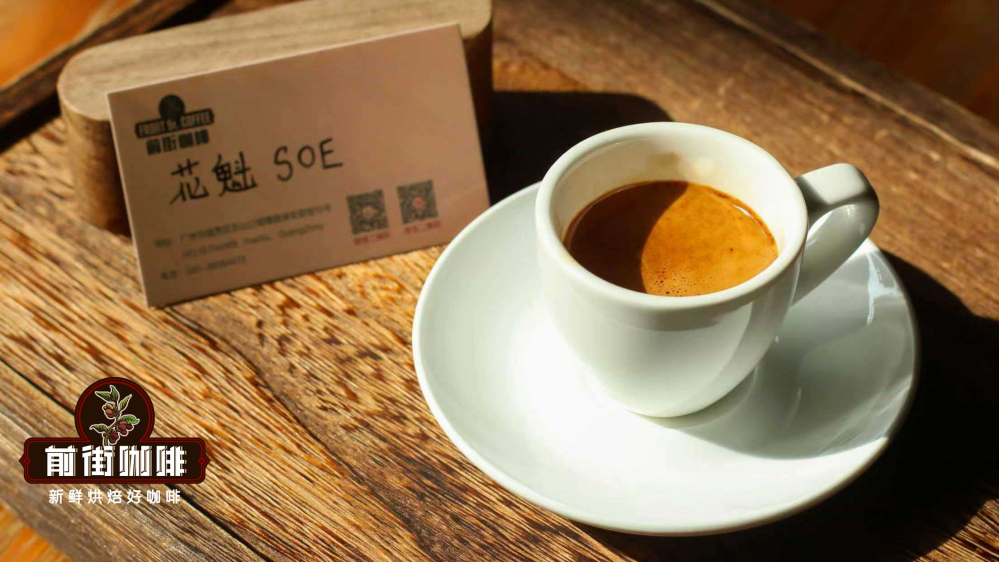
Espresso is typically made with medium-dark or dark roast coffee beans, because the caramelized aromas blend better with milk. But drinking the same flavor over the long term inevitably becomes monotonous, so many coffee lovers turn to light roast beans with prominent fruity and floral notes, such as Front Street Coffee's Huakui SOE or Front Street Coffee's Strawberry Candy espresso blend, which when used to make a latte can highlight creamy smoothness and berry-cocoa notes. However, the difference in density and brittleness between light and dark roasts is significant. If you use dark roast parameters to extract light roast beans, the espresso often ends up sharply sour and thin, and the taste becomes unbalanced once milk is added. This article systematically sorts out the five core parameters that need adjustment when switching from dark roast to light roast: the grind size needs to be made finer by 2 to 4 notches, the dose increased by 0.5 to 1 gram, the extraction time extended to 28 to 40 seconds, the brew ratio widened to about 1:2.5, and the amount of milk appropriately reduced to avoid masking the coffee's original flavor. All adjustments are premised on the freshness of the coffee beans. Front Street Coffee ships everything freshly roasted within 5 days and supports 24-hour shipping, ensuring the flavor is at its best.
Generally speaking, when making espresso, medium-dark or dark roast beans are given priority. The reason is that the roasted aroma brought by dark roasting blends more harmoniously with milk. Beginners just getting into espresso might consider Front Street Coffee's Classic Blend and Front Street Coffee's Dark Cocoa Blend—the latter is recommended by many baristas as the espresso bean of choice, rich in oils and carrying the aroma of toasted bread, making a thick, full-bodied latte. For most cafés or home enthusiasts with only one grinder, choosing a bean that can match the milk coffee with the highest serving volume is clearly more important.
However, drinking the same bean and the same flavor over the long term inevitably leads to palate fatigue. At this point, many people turn to beans with a completely opposite style to adjust their taste. Those who prefer fruity and floral aromas can choose Front Street Coffee's Huakui SOE or Front Street Coffee's Strawberry Candy espresso blend, which can easily bring out the smoothness of cream and the aromas of berries and cocoa.
But the problem is that the difference between light and dark roasts is simply too great, and the parameters required for extraction are completely different. If you directly apply a dark roast extraction recipe to light roast beans, the resulting cup will most likely be far from delicious. Many friends often ask Front Street Coffee in the backend: why does espresso extracted from light roast beans taste so sharply sour and thin, and even harder to drink once milk is added? These are exactly the consequences of using inappropriate parameters.
Therefore, today Front Street Coffee will talk about which parameters need adjustment and which details are worth paying attention to when making espresso with light roast coffee beans. First, the most critical one—grind size.
1. Grind Size
After switching espresso beans from dark roast to light roast, the first thing to change is the grinder's grind size. The density and brittleness of the two differ noticeably, so the required grind coarseness is not the same.
Dark roast beans have low density and high brittleness, so under the same grinder setting, the particles produced are finer than those of light roast beans; light roast beans have high density and low brittleness, so under the same setting, the particles produced tend to be coarser.
The coarseness of the coffee grounds directly affects the resistance of the puck, the puck resistance determines the water flow rate during extraction, and the flow rate is related to the extraction time. Once the particles become coarser, the same dose will reach the target liquid weight in a shorter time, extraction efficiency drops accordingly, and the coffee easily ends up under-extracted.
(It can even easily cause channeling.)
So, to allow the coffee to be fully extracted, the first step is to make the grind finer until the particle size produced by the grinder matches the needs of the current beans. When Front Street Coffee switches espresso beans from dark roast to light roast, it usually makes the grind size finer by 2 to 4 notches.
2. Dose
The dose is the second point to pay attention to. There must be a certain amount of space between the puck and the group head to ensure even extraction, so the amount of coffee a portafilter basket can hold has a suitable range.
Generally speaking, when extracting with light roast beans, the dose is about 0.5 to 1 gram more than with dark roast beans. Because dark roast beans have lower density, at the same dose, dark roast coffee grounds take up more basket space (grind size also has an effect). If you want to extract espresso with light roast beans, you can appropriately increase the dose to shorten the distance between the puck and the group head and avoid channeling during extraction.
3. Time
Next is extraction time. Light roast beans have higher density, and their flavor compounds are harder to extract, so they require a longer time or a finer grind to achieve ideal extraction.
This point hardly needs elaboration; everyone understands it. The extraction time for espresso with dark roast beans is generally controlled between 25 and 35 seconds, while for light roast beans it is best to land between 28 and 40 seconds, or even longer (referring to regular extraction, not including pre-infusion).
4. Liquid Weight
In addition to adjusting time and grind, when extracting light roast espresso you can also narrow the brew ratio, that is, increase the weight of extracted coffee liquid. For example, if Front Street Coffee habitually uses a 1:2 ratio when extracting dark roast beans, then the brew ratio for light roast coffee can be widened to about 1:2.5.
The reasoning is simple: most light roast beans have a certain acidity due to the lighter roast. The acidity of coffee and the sweetness of milk conflict with each other, and the combined taste is jarring, unlike bitterness, which can enhance milk's sweetness. Therefore, we need to extend the liquid weight or increase the extraction yield so that more bitter compounds are released, thereby balancing the acidity.
5. Reduce the Amount of Milk
Besides acidity, there is one more point worth noting when making espresso with light roast beans, and that is the ratio of coffee to milk. Americano is fine, but if the espresso is used to make milk coffees such as lattes or flat whites, it is best to reduce the amount of milk.
The flavor of light roast coffee is not as flamboyant as dark roast; it belongs to the fresh, clean type. If too much milk is added, the milky taste easily overwhelms the coffee taste, and in the end it becomes a cup of "coffee-flavored milk." If you do not want to drink a milk coffee with a weak coffee flavor, Front Street Coffee suggests appropriately reducing the amount of milk when making it.
Since everyone uses different coffee beans, Front Street Coffee will not give specific numbers here. You can first adjust according to the approach, then fine-tune based on taste, and a delicious cup of light roast espresso can be easily achieved.
The flavor performance and adjustment methods above are all premised on the coffee beans being in a fresh state. Therefore, when buying coffee beans, be sure to confirm freshness.
Coffee beans contain a moderate amount of gas within 4 to 45 days after roasting, which can better preserve aromatic compounds; beyond this period, the good aromas will accelerate their loss. This means we need to drink them as soon as possible. If the beans we buy are already not fresh enough, the window for enjoying their flavor will be even shorter. All coffee beans shipped by Front Street Coffee are freshly roasted within 5 days and support 24-hour shipping, so when you receive them they are at their peak flavor.
The above content is compiled by CoffeeHunters, a coffee news website.


