







Is Light Roast Healthy Coffee for Weight Loss?
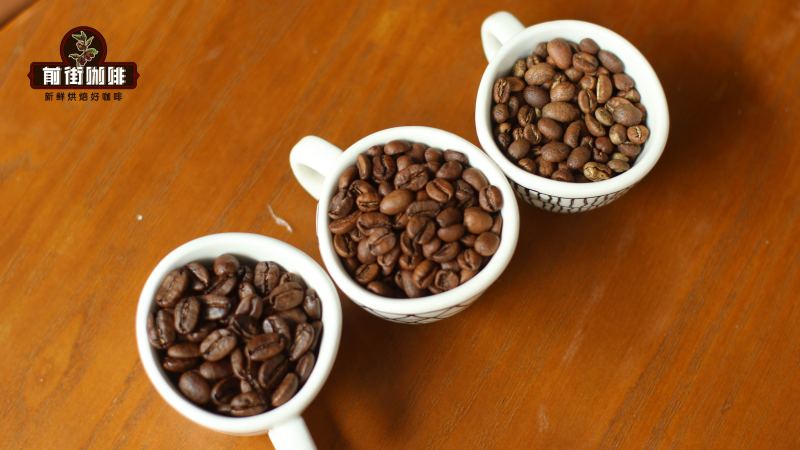
Light-roasted coffee keeps more chlorogenic acid and antioxidants than darker roasts, which is why it is often described as the healthier option and the one more associated with fat loss. Roast level also decides flavor direction: light roasts stay acidic and aromatic, medium roasts turn chestnut-colored and milder, and medium-dark or dark roasts move toward deeper, bittersweet notes.
How you drink it matters as much as the roast. Black coffee, whether pour-over or Americano, avoids the milk and sugar that add calories, so it fits a healthy coffee routine better than milk-based drinks. A pour-over setup such as the Yirgacheffe Natural Red Cherry Project gives a practical reference for grind, water temperature and timing.
As living standards improve, healthy coffee drinking methods are drawing increasing attention. Coffee beans of different roast levels not only have different flavors, but also differ in their beneficial compound content. Research shows that light-roasted coffee retains more chlorogenic acid and antioxidants than dark-roasted coffee, and is therefore considered healthier and more beneficial for fat loss. So which is better for weight loss and which tastes better—light roast or medium-dark roast? From the perspective of Front Street Coffee, this article systematically introduces the bean-drop times and flavor characteristics of each roast level, analyzes the health advantages of light-roasted coffee, and uses the Yirgacheffe Natural Red Cherry Project as an example to provide complete pour-over brewing parameters and steps, helping coffee lovers make choices better suited to themselves.
In recent years, people's material living conditions have continued to improve, and attention to healthy eating has also been increasing. As a common drink in daily life, how to drink coffee in a healthier way has naturally become a topic many people care about. Front Street Coffee would like to sort out here which coffees are more suitable for daily drinking.
Black coffee is healthier
Coffee can be broadly divided into two categories: milk coffee and black coffee. Generally speaking, black coffee is healthier. Black coffee generally refers to coffee with no milk and no sugar added, including the pour-over coffee and Americano that people often drink. It is worth noting that the coffee beans used for these black coffees have different roast levels and present different flavors.
Coffee roast levels
The roast level of a coffee bean has, to a large extent, already determined the direction of its flavor.
Coffee bean roasting
It can be roughly divided into three levels: light roast, medium roast, and medium-dark/dark roast.
Light Roast / Cinnamon Roast
Bean-drop time: From the start of first crack to the dense stage
Flavor: The bean surface is cinnamon-colored. At this point the grassy flavor has already disappeared, the acidity is strong, and there is a slight aroma. It is often used for brewing pour-over coffee.
Medium Roast / Medium Roast
Bean-drop time: Between the dense stage of first crack and its end
Flavor: The bean surface is chestnut-colored. The mouthfeel is light, slightly acidic with bitterness, and the aroma is moderate. It retains the original flavor of the coffee bean and is often used for pour-over coffee or blended coffee.
Medium-dark Roast / City Roast
Bean-drop time: After the first crack, that is, between first crack and second crack
Flavor: The bean surface is light brown. The mouthfeel is bright and lively, with a balance of acidity and bitterness and relatively light acidity. It can release the high-quality flavors in coffee. It is a standard roast level and also the roast level most loved by the public.
Dark Roast / Italian Roast
Dark roast is also called "Italian roast"
Bean-drop time: From the end of second crack to the bean surface turning black and oily
Flavor: The bean surface is black and glossy with oil. Before the coffee bean fibers carbonize, the mouthfeel is intense and complex, the bitterness is strong, and it carries a rich roasted and charred aroma. It is mainly popular in Italy and is mostly used to make espresso.
Is light-roasted coffee healthier?
Researchers found that most beneficial compounds do not change significantly across different roast levels, but in darker-roasted coffee, two types of substances—chlorogenic acid and antioxidants—decrease substantially. Chlorogenic acid is an important bioactive substance with effects such as antibacterial, antiviral, increasing white blood cells, protecting the liver and promoting bile secretion, anti-tumor, lowering blood pressure, lowering blood lipids, scavenging free radicals, and stimulating the central nervous system. Therefore, the experimental conclusion is that lighter-roasted coffee is healthier.
According to research results currently published in the journal Video Medicine, Scandinavian roast is a "healthier" roast style for the human body compared with Italian roast. In other words, light-roasted coffee contains more substances beneficial to the human body than dark-roasted coffee.
Since light-roasted coffee is healthier, how should light-roasted coffee beans be brewed? Taking Front Street Coffee's Yirgacheffe Natural Red Cherry Project as an example, this bean uses a light roast.
[Front Street Coffee Brewing Parameters]
Dose: 15 grams
Coffee-to-water ratio: 1:15
Water temperature: 91–92°C
Grind size: medium-fine grind (78% passing through a No. 20 standard sieve)
Dripper: V60
Brewing process
First, do the preparation work (warm the dripper and server, grind the coffee, and prepare water at the appropriate temperature), then pour in the coffee grounds. Begin the first pouring stage and start timing at the same time. In the first stage, pour 30 grams of hot water, circling from the center outward. After absorbing water, the coffee grounds slowly expand, forming a plump "coffee bloom."
Stop when 30 grams of water has been poured, and wait for a 30-second bloom. When the scale shows 31 seconds, begin the second pouring stage, still circling from the center outward, keeping the flow steady and vertical. When the stream of water hits the coffee bed, foam will form. This stage of brewing lets the coffee foam release and spread across the entire surface of the coffee bed, with the liquid level rising to the base of the short ribs. The amount of water poured in this stage is 100 grams.
When the liquid level drops to the halfway point, begin the final pouring stage. In this stage as well, pour 95 grams outward from the center in an "aroma-seeking" manner. The originally dark brown foam gradually turns into pale yellow coffee foam, and the liquid level likewise returns to the height of the second pouring stage. After all the coffee liquid has flowed into the server, remove the dripper and end extraction.
For more specialty coffee beans, please add the private WeChat Front Street Coffee, WeChat ID: kaixinguoguo0925
The above content is compiled by CoffeeHunters, a coffee news website.


