







How Does Water Temp for Brewing Coffee Change With Roast Level?
Pour-over that tastes thin or weak usually points to low strength or under-extraction. Strength falls when too much water dilutes the coffee, so a ratio near 1:15 keeps the cup drinkable, while 1:16 or 1:17 thins it out. Under-extraction happens when water temp for brewing coffee, grind size, and contact time are not matched to the roast level of the beans.
Extraction efficiency also depends on grind size and contact time, so how long to grind coffee beans and how coarse the result is changes the outcome for medium-light versus medium-dark roasts. Front Street Coffee uses two separate parameter sets, one per roast level, covering ratio, temperature, and grind so the same beans taste fuller at home.
Brewing the same coffee beans at home yet always finding it less intense than in the café? The problem usually lies in strength or extraction yield. Insufficient strength is often caused by too much water diluting the coffee; under-extraction stems from water temperature, grind size, time, and other parameters not being properly adjusted. This article explains in detail how to improve the taste by adjusting the coffee-to-water ratio, water temperature, and grind size, and shares Front Street Coffee's two sets of brewing parameters for medium-light and medium-dark roasted coffee beans, helping you easily brew a pour-over coffee with full aroma and prominent flavor.
If you're using the same beans as the coffee shop but your own brew always seems weak in aroma and thin in taste, it usually comes down to two directions: either low strength or insufficient extraction.
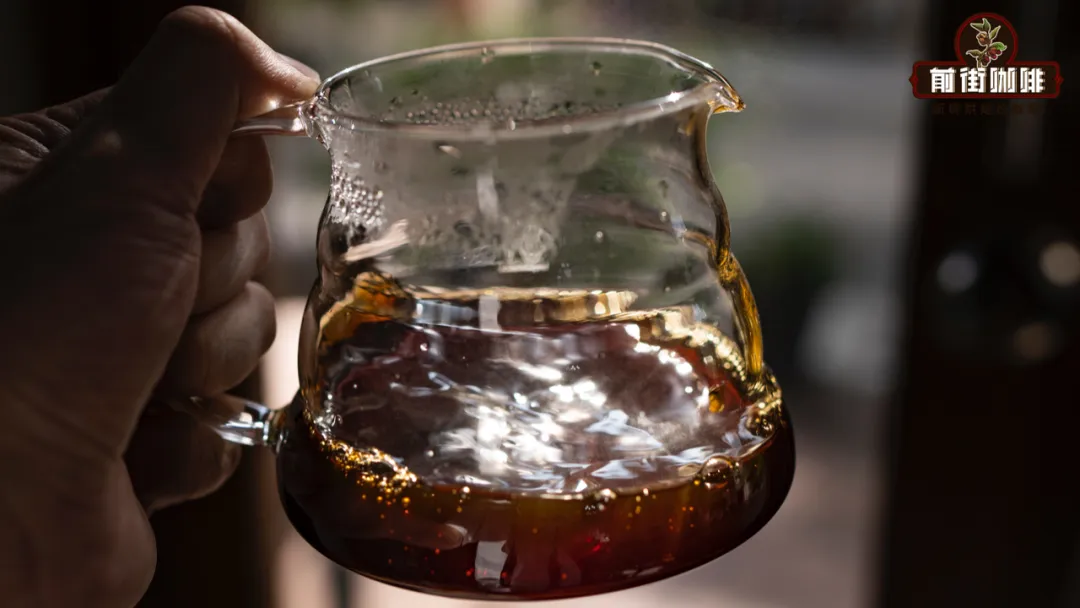
Low strength means the coffee has actually been extracted properly, but because too much water was poured during brewing, the strength was overly diluted, so the aroma isn't full enough and the flavor isn't vivid enough.
Insufficient extraction, on the other hand, means the flavor compounds in the coffee haven't been fully released into the water. There are many reasons for this, but ultimately they all come down to extraction efficiency being too low. Once extraction efficiency is low, the flavor components in the coffee cannot dissolve out in sufficient amounts, and the taste, aroma, and mouthfeel naturally all suffer.
These two causes may seem different, but essentially both come down to brewing parameters not being set correctly, which is what causes the coffee to have a thin aroma and unremarkable flavor. So, to brew a cup of coffee with ample aroma and good flavor, you need to make corresponding adjustments to the extraction parameters.
Solutions for Improvement
You can first determine whether your coffee suffers from insufficient strength or insufficient extraction efficiency — different problems call for different approaches.
Take coffee with insufficient strength as an example. If you want the coffee to reach a sufficiently high strength, the key adjustment is the coffee-to-water ratio. With extraction yield unchanged, the larger the coffee-to-water ratio, the higher the coffee strength; conversely, the lower it is.
Front Street Coffee typically uses a coffee-to-water ratio of 1:15 when brewing. This ratio gives the coffee just the right strength — neither thin and tasteless nor so strong it's hard to swallow.
If your coffee-to-water ratio is smaller than this, such as 1:16 or 1:17, Front Street Coffee would suggest first increasing the ratio, then judging from the coffee's taste whether the problem lies in the coffee-to-water ratio.
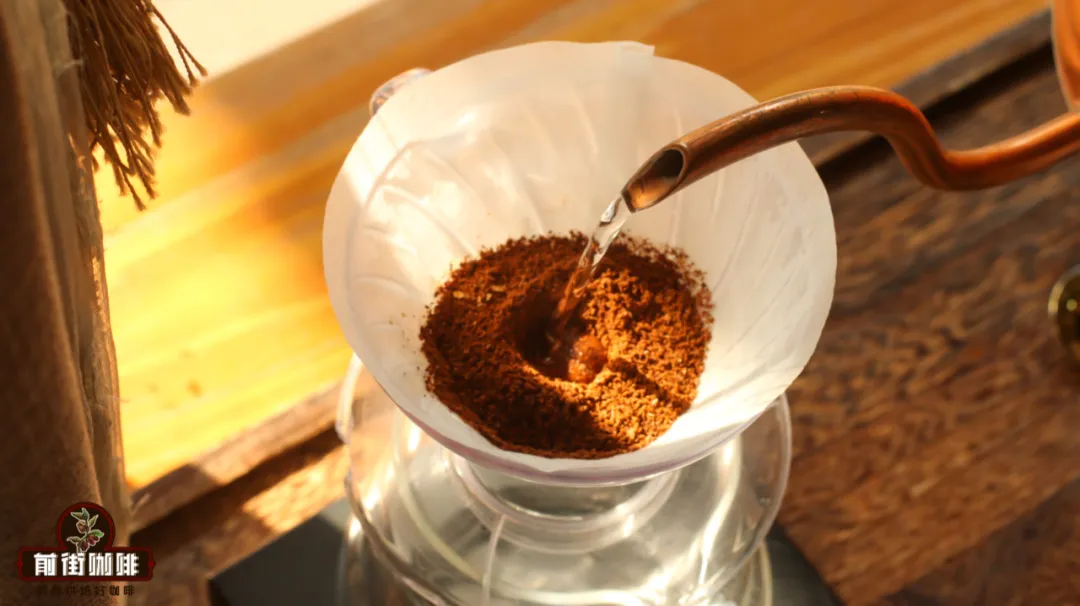
If the coffee strength is fine, then the problem may lie in the extraction stage. Low water temperature, too coarse a grind, insufficient stirring, too long an extraction time, and so on will all lower extraction efficiency and prevent flavor compounds from fully dissolving out. In that case, the extraction parameters need to be corrected.
Of course, not everyone has time to troubleshoot one by one. If you don't have the energy to adjust slowly, you can simply use Front Street Coffee's brewing parameters directly — they ensure the coffee has sufficient strength and extraction yield, and the flavor performance will be quite outstanding.
Parameter Sharing
Front Street Coffee uses two sets of brewing parameters. One set is suitable for medium-light roasted coffee beans, such as Front Street Ethiopia Huakui, Front Street Kenya Little Tomato, Front Street Dividing Line Sidra, and other beans with rich floral and fruity aromas.
To preserve floral and fruity notes, these beans aren't roasted too dark, so they expand only modestly and have higher density. To fully extract the floral and fruity notes, you need parameters with higher extraction efficiency, as follows:
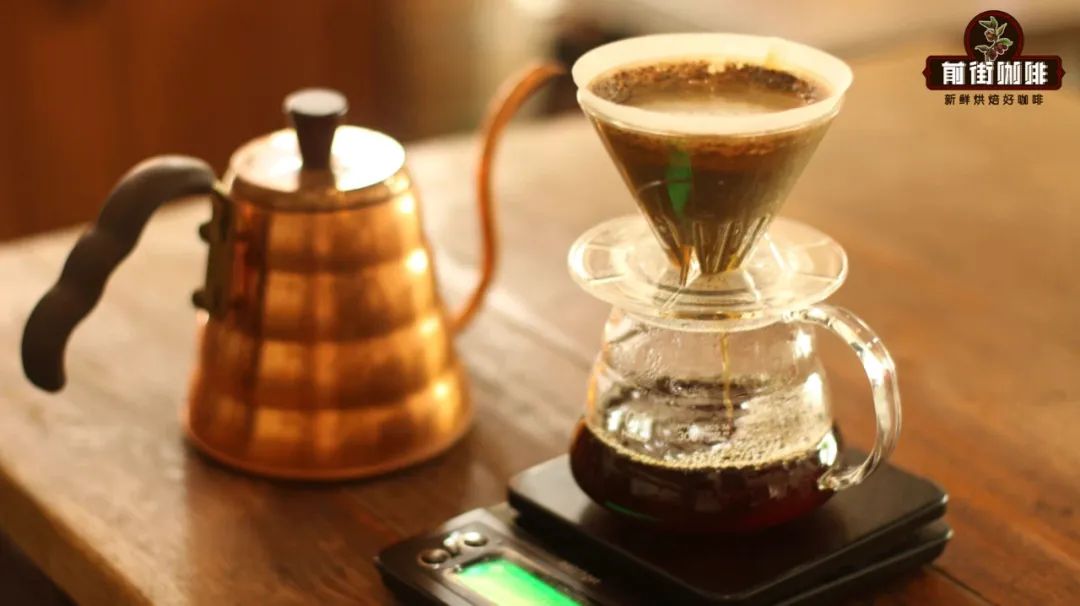
Dose 15g, coffee-to-water ratio 1:15, grind size controlled at 75%–80% passing a No. 20 sieve, water temperature 91–93°C, extraction time 2 minutes–2 minutes 30 seconds, paired with a V60 dripper, three-pour brewing.
The other set is suitable for medium-dark and dark roasted coffee beans, such as Front Street Blue Mountain No. 1, Front Street PWN Golden Mandheling, Front Street Brazil Yellow Bourbon, and other beans with rich chocolate, caramel, and roasted hazelnut flavors.
These beans are roasted darker and expand more, so hot water easily dissolves out the flavor compounds. Therefore, this set of parameters has relatively lower extraction efficiency to avoid over-extracting bitterness, as follows:
Dose 15g, coffee-to-water ratio 1:15, grind size controlled at 70%–75% passing a No. 20 sieve, water temperature 86–89°C, extraction time 2 minutes, paired with a Kono dripper, three-pour brewing.

That's everything Front Street Coffee is sharing this time. One reminder: these improvement solutions are all based on the premise that the coffee beans are fresh enough.
If the beans are long past their flavor window, or have leaked air due to poor packaging seals, then even brewing with the above parameters will make it hard to brew an aromatic coffee — because the aroma has long since dissipated, and no amount of brewing can bring out what's no longer there. So besides parameters, the beans' flavor window is also worth paying attention to — try to use freshly roasted beans.
- END -
The above content is compiled by CoffeeHunters, a coffee news website.


