








How Does Roast Level Shape Coffee Flavor and Body?
Roast level changes how the same green coffee beans taste in the cup. Lighter roasts undergo fewer Maillard and caramelization reactions, so they keep more of the bean's original acids and aromas and tend toward a sweet-sour, bright profile. Darker roasts develop further, shifting toward roasted, bittersweet notes, a heavier body, and lower perceived acidity.
Because roasting also alters bean density, each level needs its own extraction setup. A medium-light coffee such as Front Street Grana Geisha, with notes of apricot, berry, citrus, oolong tea, and white flowers, calls for parameters that preserve that brightness, while a darker roast of the same green coffee beans generally needs adjustments to grind, temperature, and time to avoid pulling out harsh bitterness.
The same coffee beans can deliver completely different taste experiences when light-roasted versus dark-roasted. Taking Front Street Grana Geisha as an example, this article analyzes how the Maillard reaction and caramelization reaction during roasting alter coffee's acid-bitterness balance, body thickness, and bean density, and further explores the extraction methods and brewing parameters suited to different roast levels. Whether you prefer bright acidity and sweetness or a full-bodied, sweet aftertaste, you can find a roast choice and preparation advice that suits you.

Take Front Street Ethiopia Huakui or Front Street Grana Geisha as an example—the same bean is often offered in both light-roast and medium-roast versions. This also raises a question for many coffee lovers: what exactly are the differences in the same bean at different roast levels? And how should one choose?
The Effect of Roasting on Coffee Beans
Roast level has an extremely significant impact on coffee. Even with completely identical green beans, different roast levels produce noticeably different flavors and aromas. Moreover, beans of different roast levels also require corresponding adjustments to extraction parameters.
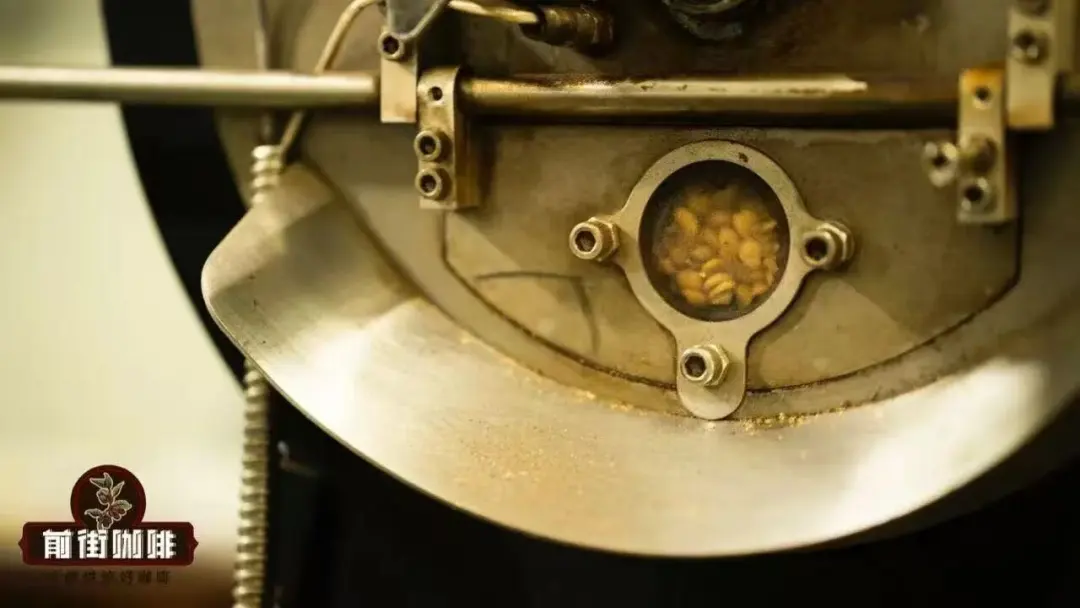
The root reason is that roasting is not simply heating—in a high-temperature environment, coffee beans undergo a series of complex chemical reactions and physical changes, causing flavor compounds and internal structure to change. The darker the roast, the greater the degree of this change.
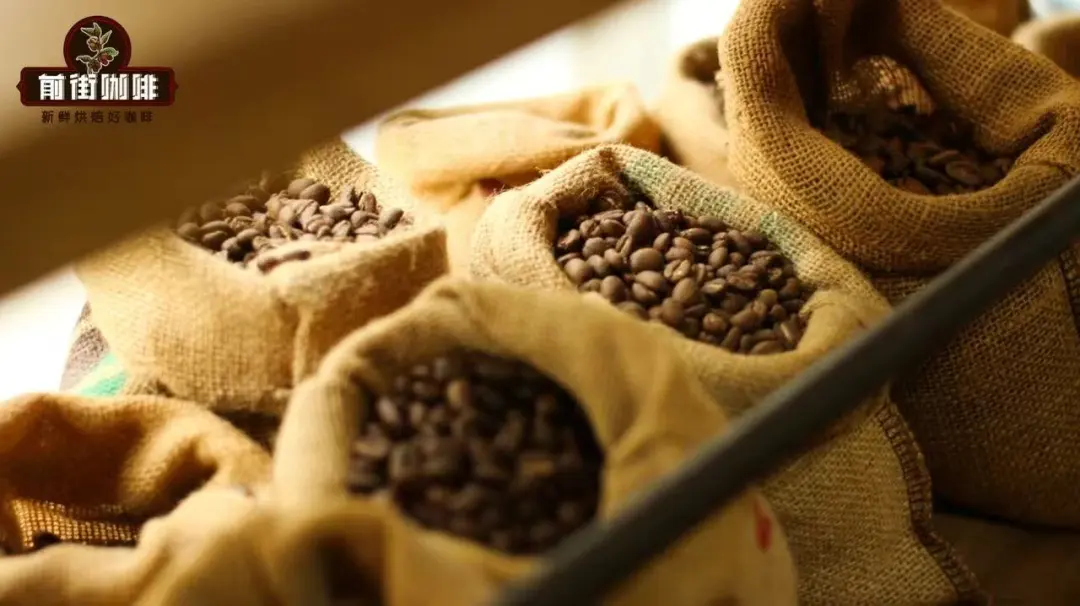
Let's first look at the specific effects of roasting on flavor. The reason green coffee beans can give off alluring aromas and tastes after roasting is mainly thanks to the continuous occurrence of the Maillard reaction and caramelization reaction.
These reactions cause the original substances inside the bean to continuously break down and recombine, ultimately forming the aromas and tastes we perceive. The lighter the roast, the fewer reactions the substances inside the bean undergo, and the coffee's aroma and taste stay closer to the bean's own flavor characteristics; the darker the roast, the more fully the reactions proceed, and the resulting aroma and taste lean more toward roasted notes.
Here we take Front Street Grana Geisha from the Front Street Coffee flagship store as an example. Because of its shorter development time, the medium-light roasted Front Street Grana Geisha retains the acids and aromas inside the bean relatively well, so its taste is mainly sweet and sour, with flavor notes of apricot, berry, citrus, oolong tea, and white flowers—fresh and bright, with a light body, suitable for those who prefer sweet-and-sour flavors and a refreshing mouthfeel.
The medium-dark roasted Front Street Grana Geisha, however, has undergone a longer development and a darker roast, so the acids and sweet substances inside the bean are more worn away or transformed. As a result, the sourness is not obvious when drinking, the taste tends toward balance, and the sweetness is higher. It also has apricot and berry notes, but they are less prominent than in the former, showing more roasted aromas such as cocoa, cream, and toast. Its overall mouthfeel is fuller than the former, with a prominent sweet aftertaste, suitable for those who don't like too much acidity.
It can thus be seen that although both are Front Street Grana Geisha, different roast levels produce significant differences in taste and mouthfeel. The lighter the roast, the more the coffee's acidic substances and its own aromas are retained, and the more sour it tastes—the lighter, the more sour—with a lighter mouthfeel; the darker the roast, the less sourness is retained, and the taste is mainly bitter or sweet—the darker, the more bitter—and the mouthfeel becomes fuller as the roast darkens.
In addition, roast level also affects the density of coffee beans. The lighter the roast, the relatively higher the bean density; the darker the roast, the relatively lower the density. This is because roasting causes coffee beans to expand in volume; the darker the roast, the greater the expansion, and the density decreases accordingly.
Lower density means the flavor substances in the coffee are more easily extracted, because the overall structure is looser. At the same time, due to higher brittleness, at the same grind setting, dark-roasted beans tend to produce more fines than light-roasted beans. Precisely because of this, coffee beans of different roast levels require completely different extraction parameters.
Having said all this, many friends will surely be curious: is it better to roast coffee beans darker or lighter?
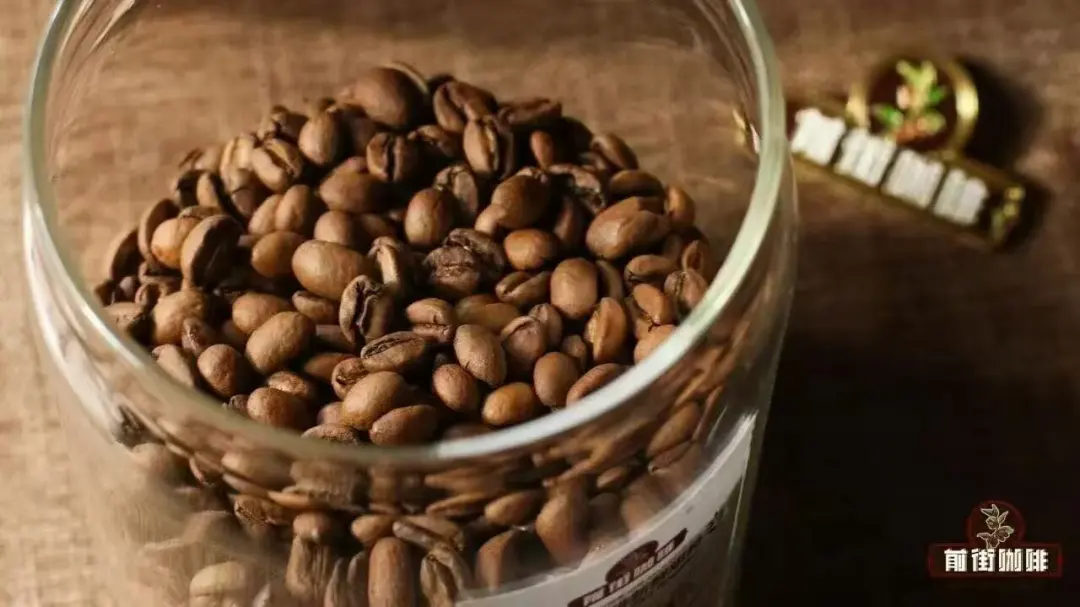
The answer is both are good. Each roast level has its own unique advantages, and there is no basis for comparison at all. Depending on different needs, the suitable roast level will also differ.
For example, as mentioned earlier, the lighter the roast, the more sour; the darker, the more bitter. For those who like a sweet-and-sour taste, the medium-light roasted Front Street Grana Geisha is clearly more suitable; while for those who don't want too much sourness and prefer a full-bodied mouthfeel, the medium-dark roasted Grana Geisha will be more to their taste.
Another example is the brewing method. If you use pour-over and want to taste the coffee's own flavor expression, then the medium-light roasted Front Street Grana Geisha, which retains more original flavor, is more suitable; while if you use an espresso machine or moka pot to make milk coffee and want the taste to be less jarring, the medium-dark roasted Front Street Grana Geisha is clearly more suitable.
Because the medium-dark roast has a richer mouthfeel and taste, it can effectively prevent milk from masking the coffee's flavor, and at the same time the darker roast also makes the coffee crema richer, so the latte art produced will also look better.
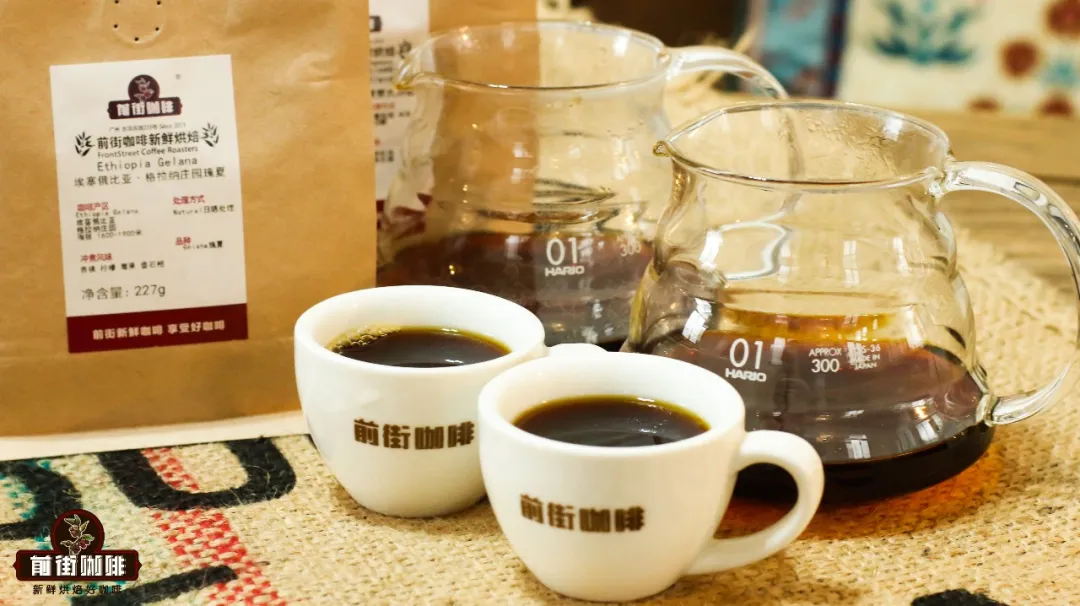
In summary, the impact of roast level on coffee cannot be ignored. Coffee beans of different roast levels each have their own advantages, and we can choose according to our own taste preferences or preparation needs.
- END -
The above content is compiled by CoffeeHunters, a coffee news website.


