







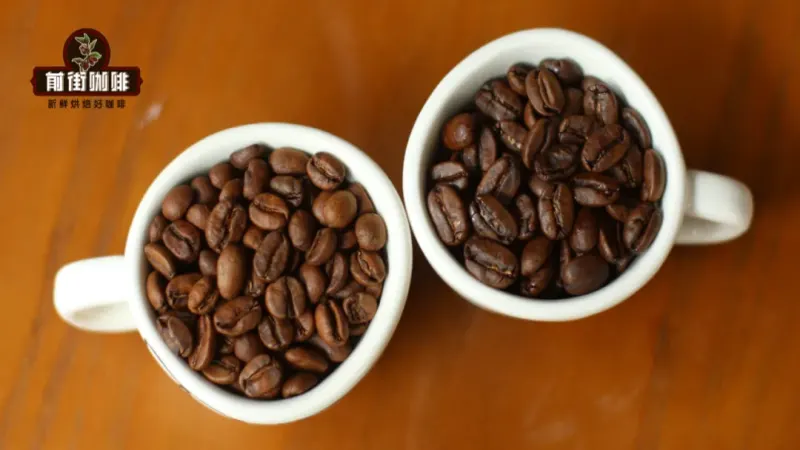
How Do You Set Coffee Extraction for an Unknown Bean?
For an unfamiliar bean, adjust extraction parameters instead of overhauling technique. Roast level is the key reference: light-roasted beans are hard to extract, so raise extraction efficiency, while dark-roasted beans extract easily, so lower it. Read the flavor notes on the bag to infer roast level, then set three core parameters: coffee-to-water ratio, grind size and water temperature.
Roasters define roast levels differently, and many bags omit the level, so flavor notes often serve as the guide. Grouping notes by type, such as floral and fruity versus nutty and chocolate, points toward the likely roast. Special-process beans need their own adjustments too. Checking how a coffee bean roaster labels and describes a lot helps confirm the right starting point before brewing.
When faced with a coffee bean you've never tried before, how do you quickly find the right brewing recipe? Actually, you don't need to overturn your existing brewing habits—just make targeted adjustments to the extraction parameters. Drawing on Front Street Coffee's practical experience, this article teaches you how to infer the roast level from the flavor notes on the bean bag label, and then determine the three core parameters: coffee-to-water ratio, grind size, and water temperature. It also explains in detail the differences in extraction logic between light-roasted and dark-roasted beans, as well as strategies for dealing with special-process beans, helping you easily master any unfamiliar bean without changing your brewing technique.
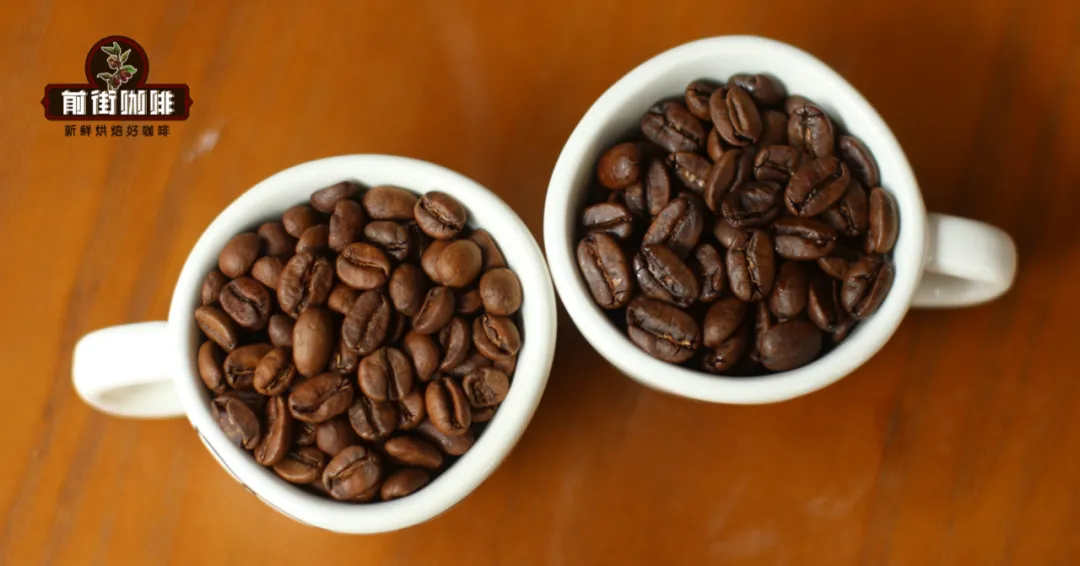
So, Front Street Coffee would like to talk with you this time about: when facing an unfamiliar coffee bean, how exactly should you plan a brewing recipe?
How do you design a brewing recipe for an unfamiliar coffee bean?
Many people's first reaction might be to adjust their pouring technique, but in fact we can simplify the problem a bit—there's no need to overcomplicate it. Most people have habits, and once they're used to a certain brewing method, making drastic changes all at once often doesn't produce ideal results. Therefore, what we really need to do is just make minor adjustments to the extraction parameters.
So here's the question: there are so many kinds of coffee beans, with different varieties, different densities, and different roast levels—how do we determine which parameters suit them best?
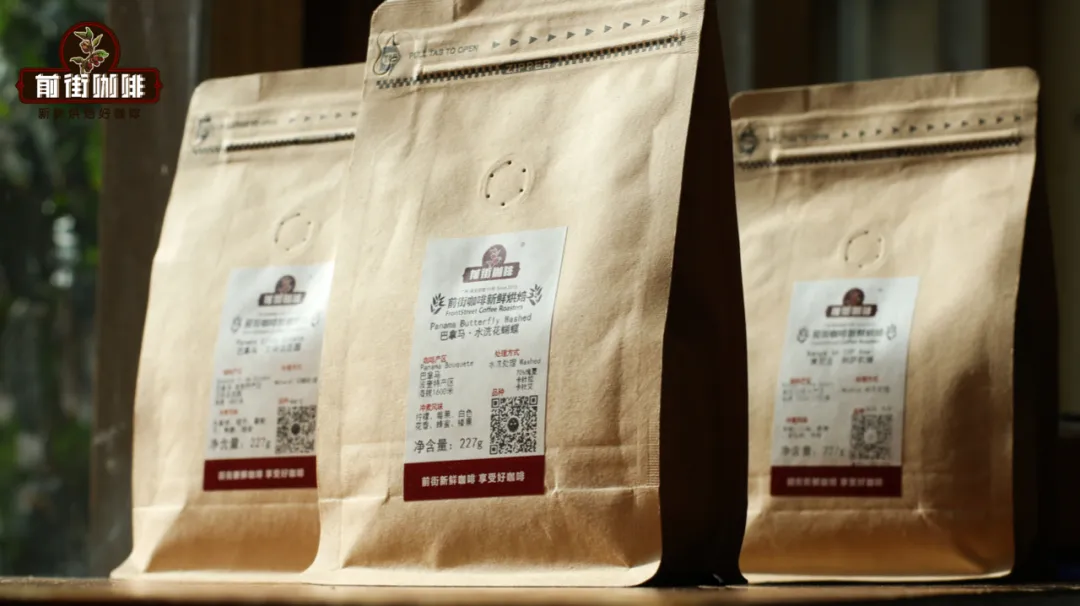
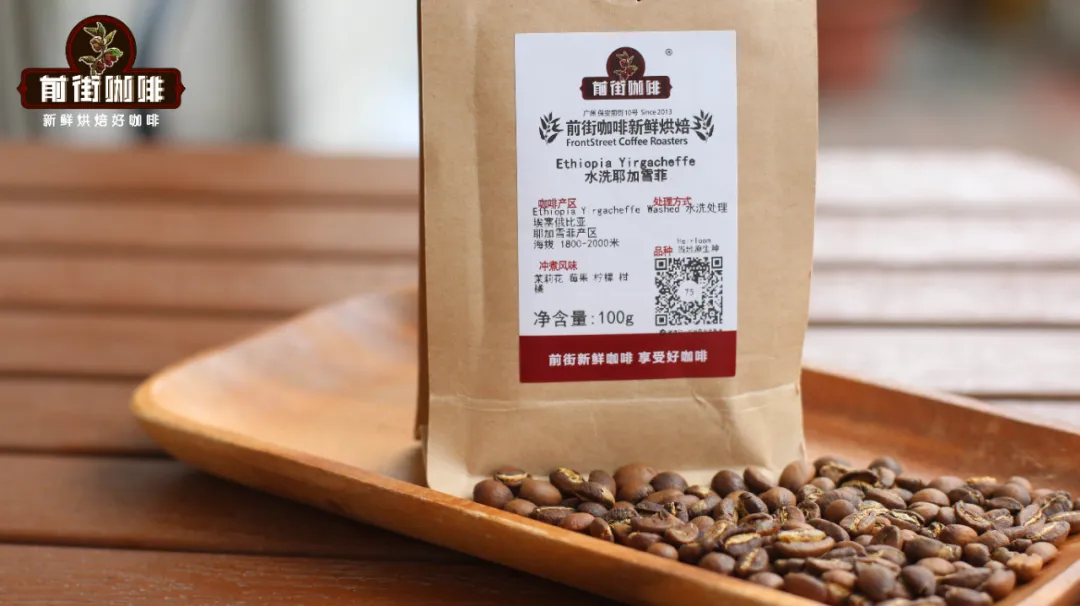
Front Street Coffee's suggestion is: first look at the information on the bean bag label and find the brewing parameters suited to that bean. In pour-over coffee, roast level is the most critical reference, because pour-over extraction basically falls into two major directions—dark roast and light roast. Light-roasted beans are difficult to extract, so you need to improve extraction efficiency; dark-roasted beans are easy to extract, so you need to reduce extraction efficiency.
However, note that different roasters have inconsistent standards for defining roast levels, and many merchants don't label the roast level on their bean bags. In such cases, Front Street Coffee suggests using the flavor notes on the label as the basis for judgment.
We can categorize coffee flavor notes into the following types:
Floral and fruity notes: Here, fruity notes refer to fruit or floral tones with acidity. Acidic fruits include citrus, berries, tropical fruits, etc.; floral notes cover a variety of flower aromas such as white, purple, and yellow flowers.
Sugar-sweet notes: This refers to sweet words appearing in the flavor notes, such as honey, sucrose, brown sugar, caramel, etc.
Spice and nut notes: This refers to flavor notes containing more chocolate, nuts, spices, and other roasted or bitter tones.
Fermentation aromas: This category is rather special, referring to flavors in the notes such as alcoholic notes and dried fruit that only develop through fermentation.
If the flavor notes are dominated by floral and fruity tones, or include highly sweet words like honey and sucrose, then the bean is usually a light roast or medium-light roast;
If the flavor notes are mainly slightly less sweet flavors like brown sugar and dark brown sugar, complemented by dark chocolate, nuts, or fruit, then the bean can basically be judged as a medium roast. Based on the descriptions of the secondary flavors, you can further determine whether it's medium-light or medium-dark;
If the flavor notes are dominated by chocolate, nuts, spices, etc., then the bean is basically a dark roast.
Once you've grasped the bean's roast information, you can start formulating a brewing recipe. There are three core elements to determine in a brewing recipe: coffee-to-water ratio, grind size, and water temperature.
Coffee-to-water ratio: Front Street Coffee usually uses a fixed 1:15 ratio, because whether it's dark roast or light roast, 1:15 can brew a pour-over coffee with moderate strength. If you want a more intense coffee, you can tighten the ratio to 1:14; if you don't want it too strong and want the flavors to stand out more, you can use a 1:16 ratio.
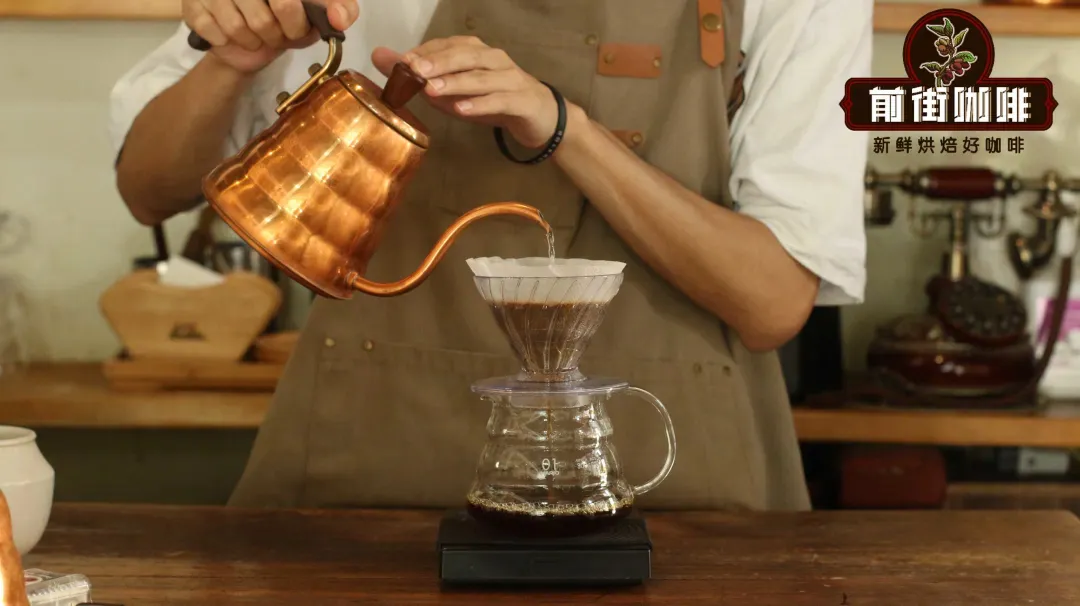
Grind size: In coffee extraction, grind size is a fairly critical parameter—it determines the particle size of the coffee grounds, which in turn affects how easily water extracts flavor compounds. If conditions allow, you can directly refer to the No. 20 sieve calibration principle: for medium-light roasted beans, control the sieve pass-through rate at 75%–80% after grinding; for medium-dark roasted beans, the sieve pass-through rate should be 70%–75%. If you don't want to use a sieve, click the link to see alternative methods.
Water temperature: As the extraction solvent, water temperature directly determines extraction efficiency. The higher the water temperature, the higher the extraction efficiency; the lower the water temperature, the lower the extraction efficiency. Light-roasted beans are denser and harder to extract, so they need higher water temperatures to handle—Front Street Coffee recommends using 90°C–93°C water to extract them. The fresher the beans and the coarser the grind, the higher the water temperature you should choose. For dark-roasted beans, the recommended water temperature is between 87°C–89°C; likewise, choose the higher end of the range for fresher beans and coarser grinds, and the lower end otherwise.
Special-process beans are a bit different. Although most of them are medium-light roasts, anaerobic processing makes the bean structure looser and the flow rate faster. Therefore, although they follow the light-roast extraction approach, the grind size can be appropriately finer to reduce the gaps between the coffee bed, extend the contact time between hot water and coffee grounds, and thereby achieve a complete extraction.
The above content is compiled by CoffeeHunters, a coffee news website.


