







Why Are Some Coffee Beans Oily and What It Says About Roast Level
Oily coffee beans usually signal a darker roast. As beans roast longer, oils migrate from the inside of the bean to the surface, so a shiny, slick look often means the bean spent more time in the roaster and developed deeper caramelization. Light roasts tend to stay matte and dry, while medium roasts show only a faint sheen. Surface oil is therefore one quick visual clue to roast level, though it is not the only one.
Flavor descriptions work alongside appearance. Acidity, sweetness and bitterness shift as the roast deepens: bright, fruity notes point to lighter roasts, while chocolate and smoke point darker. Coffee bean descriptions from a roaster, plus bean color and brewing water temperature, grind size and ratio, let anyone infer roast level without a label or an Agtron color value reading.
Faced with a dazzling array of coffee beans, how do you tell whether they are light-roasted or dark-roasted? This article starts with the industry's Agtron color value standard, explains why this professional grading system is not practical in daily life, and then offers a more down-to-earth way to classify beans—by the intensity of acidity, sweetness, and bitterness. It also uses specific examples from the Front Street Coffee bean list to teach you how to infer the roast level from flavor descriptions, and includes the corresponding brewing water temperature, grind size, and coffee-to-water ratio for different roast levels. In addition, observing the bean surface color and oiliness can also provide a quick preliminary judgment, but a few exceptions should be noted to avoid under-extraction caused by misjudgment.
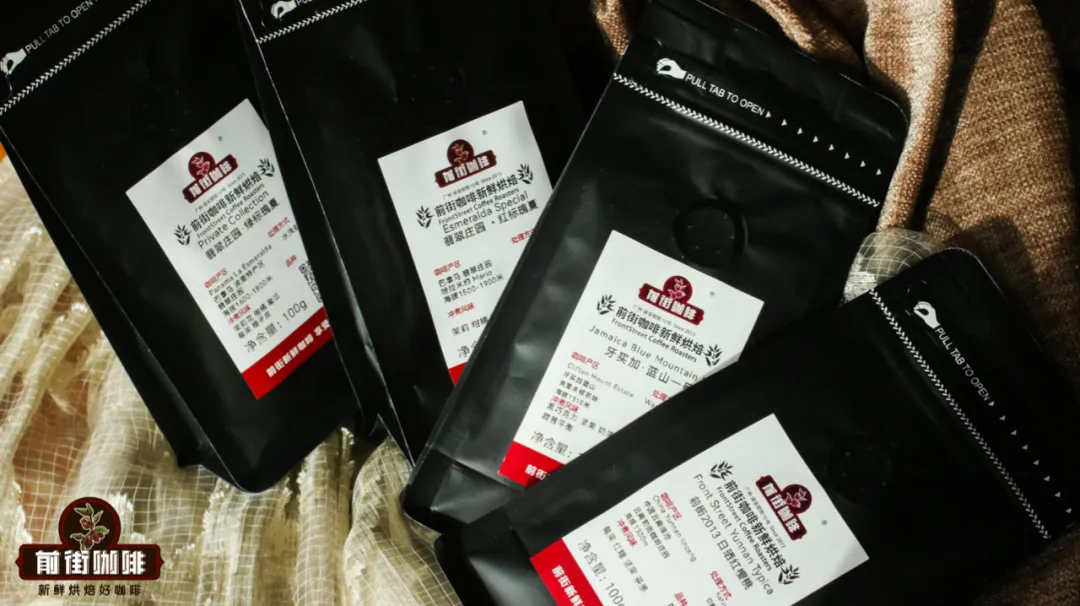
Actually, Front Street Coffee clearly labels the roast level on every product detail page and in the QR code on the tag. However, besides reading the text description, we can also use various other ways to infer how light or dark a bean is roasted. Today, Front Street Coffee will talk about knowledge related to coffee bean roast levels, so that even without text labels, you can quickly determine a bean's roast level~
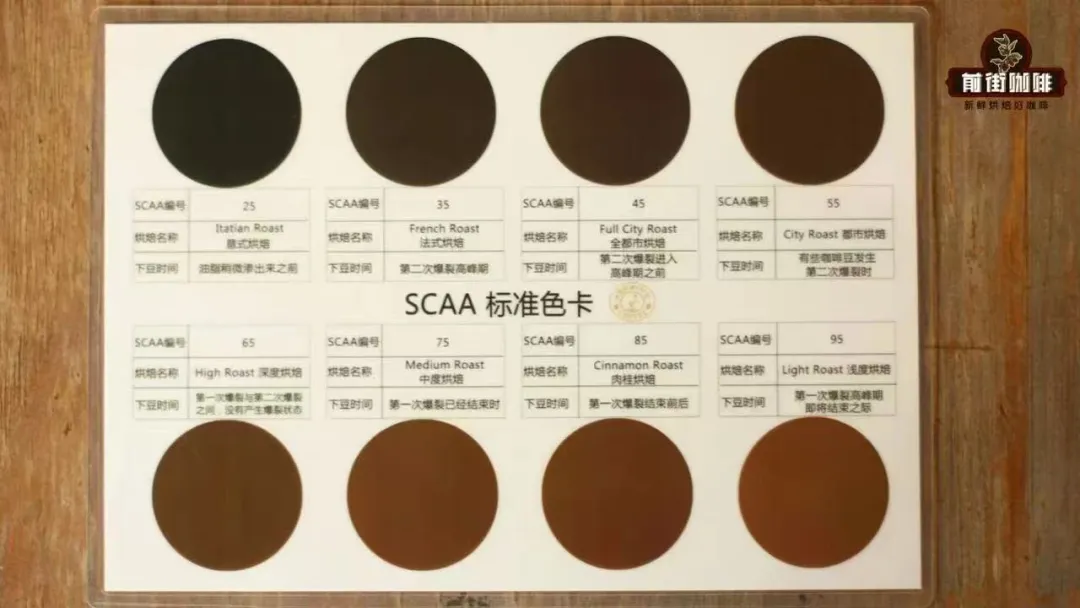
The industry currently has a relatively scientific method for classifying roast levels, which is to evaluate them using the "Agtron color value (caramelization analysis number)." As we all know, coffee beans become darker as the roast deepens and lighter as it becomes shallower, which is also one of the bases we usually use to judge roast level. This method converts color into specific numbers: the higher the number, the lighter the roast; the lower the number, the darker the roast. The image below is the SCAA Agtron color value chart, which divides roast level into eight grades.
A simple understanding is enough, because in daily life we almost never use terms like cinnamon roast or city roast to communicate. First, it is difficult to accurately judge with the naked eye which color value range a bean falls into; second, the mainstream trend in coffee roasting has changed, and beans today are no longer roasted as dark as they used to be, so consumers may not encounter all the grades on the chart. Moreover, pushing this industry standard to consumers unchanged only adds unnecessary learning burden, which is not a good thing for enthusiasts. "What, dark roast isn't actually the darkest?" "I just want something not sour, and you're telling me French roast and Italian roast—I don't understand that either"... Confusion like this is sure to be common.
But if we do not use this standard and instead let each shop define dark roast and light roast according to its own understanding, it still cannot be unified, because every shop has different perceptions and definitions of roast level. Therefore, Front Street Coffee recommends that everyone adopt another way to define roast level, such as through the taste of the coffee.
Front Street Coffee believes that the simplest way to distinguish roast level is to judge by the intensity of flavors such as acidity, sweetness, and bitterness, which also makes it easier for consumers to find the bean they need. Front Street Coffee classifies coffees dominated by acidity as medium-light roast and those dominated by bitterness as medium-dark roast. Combined with the flavor description on the bean bag, you can infer its approximate roast level~
How exactly does this work? For example, if the flavor notes include fresh or relatively acidic fruits such as "lemon," "citrus," or "berries," you can preliminarily determine that this is a lighter bean within the medium-light roast range, such as Front Street Yirgacheffe·Washed Gutingding and Front Street Ethiopia·Alto in the Front Street Coffee bean list;
If the flavor description contains sweeter fruits such as "grape," "honeydew," or "blueberry," then it may be the more medium type within medium-light roast, such as Front Street Finca División·Sidra and Front Street Finca División·Ombligo in the Front Street Coffee bean list.

The same applies to dark-roasted beans! If the flavor description has obvious sweetness such as "sucrose," "maple syrup," "cream," or "chocolate," you can preliminarily judge it as a medium-to-medium bean within medium-dark roast, such as Front Street Papua New Guinea·Bird of Paradise and Front Street Yunnan 2013 in the Front Street Coffee bean list;
And if the flavor includes rich roasted aromas such as "roasted nuts," "caramel," or "dark chocolate," then it may be a darker bean within medium-dark roast, for example Front Street Brazil·Queen's Farm and Front Street Sumatra·Golden Mandheling in the Front Street Coffee bean list.
When it comes to brewing, you can use the corresponding parameters recommended by Front Street Coffee according to the bean's roast level: Brewing water temperature: medium-light roast 90~93°C, medium-dark roast 86~89°C Grind size: 75%~80% passing rate on a No. 20 sieve Brewing time: 2 minutes (15g coffee) Coffee-to-water ratio: 1:15
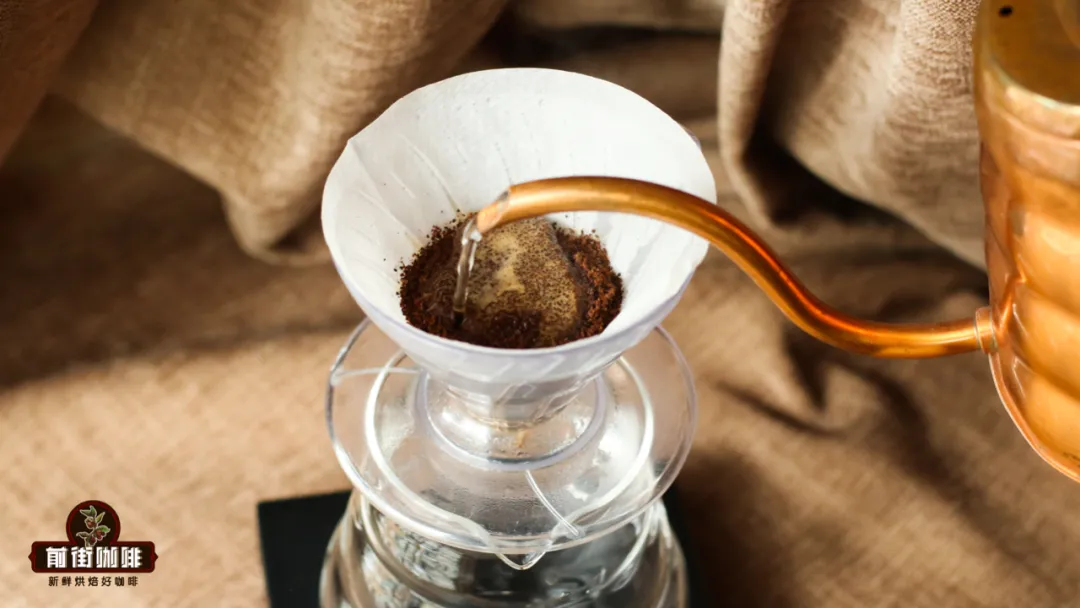
The lighter the roast, the higher the water temperature and the finer the grind you should choose within the range; the darker the roast, the lower the water temperature and the coarser the grind you should use within the range. Keep the other parameters consistent, but the brewing time and grind size may need to be adjusted as the coffee dose increases or decreases.
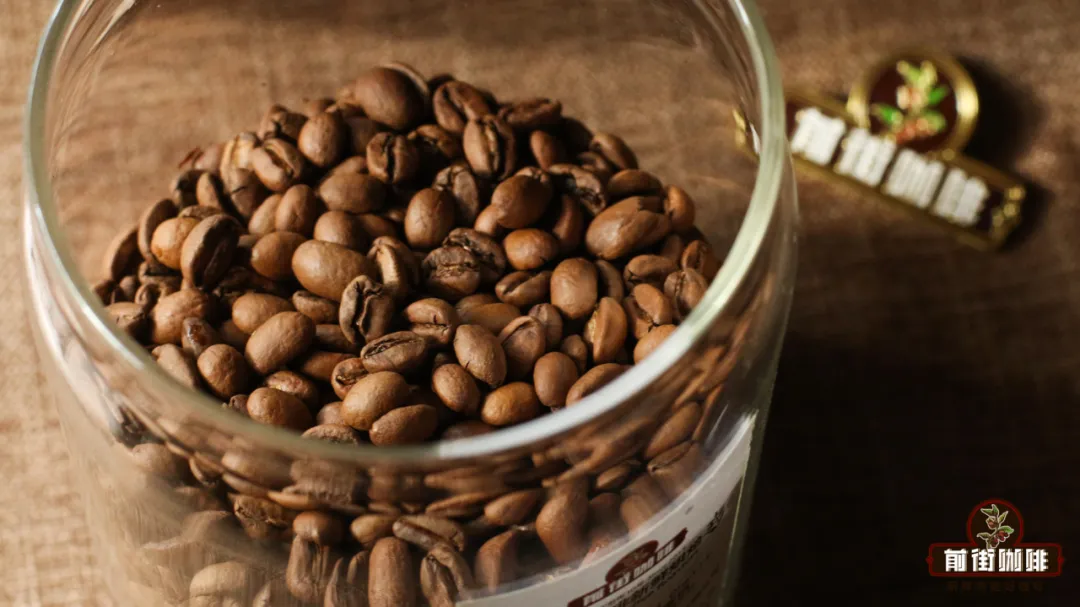
Of course, we can also judge roast level from the appearance of the coffee beans. As Front Street Coffee said earlier, beans that are darker in color or oily can be preliminarily regarded as medium-dark roast; those that are lighter in color and dry on the surface can be preliminarily regarded as medium-light roast. However, it should be noted that Front Street Coffee does not recommend using bean surface color depth as the sole standard for measuring roast level.
Although looking at appearance is the fastest way to judge roast level, there are occasionally exceptions. For example, Front Street Finca División·Ombligo in the Front Street Coffee bean list looks like a dark-roasted bean, but when brewed it actually has sweet fruity notes such as blueberry, grape, and berries, and belongs to a medium-light roast leaning medium. If we mistakenly think it is a dark-roasted bean because of its appearance and brew it with dark-roast parameters, under-extraction is very likely to occur.
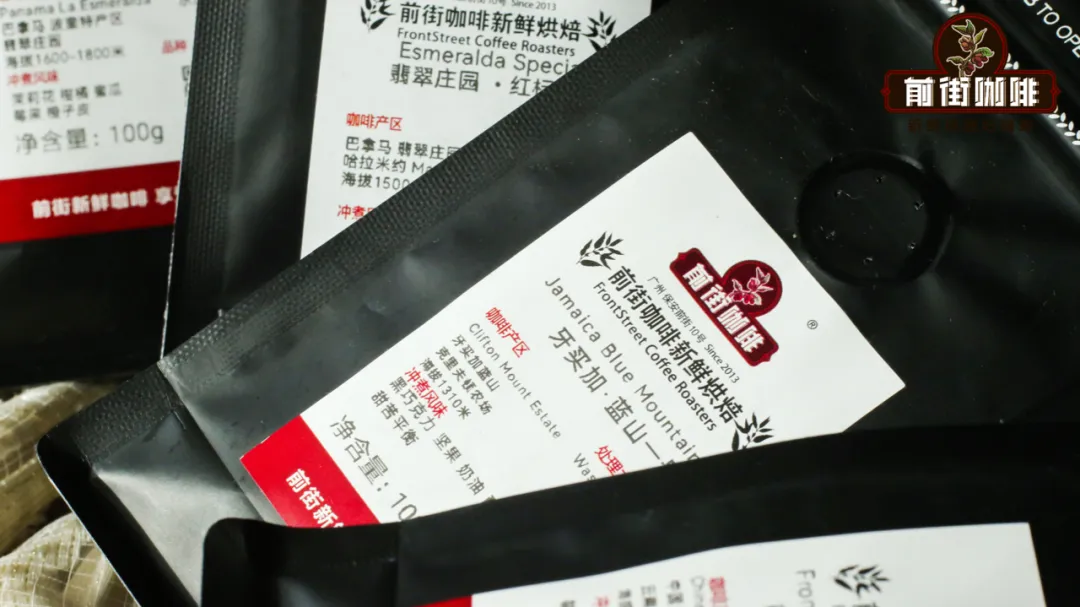
However, such examples are extremely rare. For conventionally processed coffee beans, bean surface color can still be used as a standard for measuring roast depth. After all, compared with taste, appearance can give you a result faster. In short, both methods have their advantages and can be used; just choose the basis for judgment according to the actual situation~ - END -
The above content is compiled by CoffeeHunters, a coffee news website.


