








Can latte coffee beans made from light roast beans pull good espresso?
Single-origin pour-over beans are usually medium-light or light roasts, and they can be pulled as espresso, but not with dark roast settings. Applied unchanged, the shot turns out sharply acidic, thin, and under-extracted because light beans are denser and more brittle, so they resist the same grind and dose.
Adjust the grind finer and expect a longer ratio to reach a balanced, sweeter shot. Because espresso is the base of milk drinks, protect the cup from dilution through dose and the latte milk coffee ratio, since a light roast flavor fades fast once milk is added.
Many coffee enthusiasts stock up on single-origin pour-over beans during Front Street Coffee's monthly limited-time events, but their purpose is actually to make espresso. However, single-origin beans are mostly medium-light or light roasts, which differ significantly in roast level from the dark roasts commonly used for espresso. Directly applying dark roast parameters often results in espresso that is sharply acidic and thin. This article addresses this topic by first explaining the essential differences in density and brittleness between dark and light roast beans, then providing grinding adjustment approaches and reference formulas for light roast single-origin beans, and finally explaining how to prevent light roast espresso from being diluted or masked in flavored coffee drinks from the two directions of dose and milk ratio, along with practical tips for making milk coffee.
In the monthly limited-time events launched by Front Street Coffee, friends often buy large quantities of single-origin pour-over beans at once, but their intended use is as espresso beans. The reason may be that they are tired of the rich, heavy dark roast flavors, or they want to explore a richer coffee experience. In any case, some friends buy single-origin beans in bulk precisely to make espresso.
Single-origin coffee beans are mostly medium-light or light roasts, which differ greatly in roast level from the dark roasts traditionally used for espresso, so many people's espresso results are less than ideal. Coincidentally, today is another Front Street Coffee bean event, so let's take this opportunity to talk in advance about: what needs attention when making espresso with pour-over beans?
I. Extraction Parameters
Making a qualified espresso with single-origin coffee beans is by no means easy. Many friends directly copy the extraction parameters for dark roast espresso beans onto light roast single-origin beans, and the resulting espresso is often sharply acidic with a bland mouthfeel, in a state of under-extraction and low concentration. Espresso is the base for various flavored coffee drinks; if the base itself doesn't taste good, the flavored drinks made from it naturally won't be ideal either.
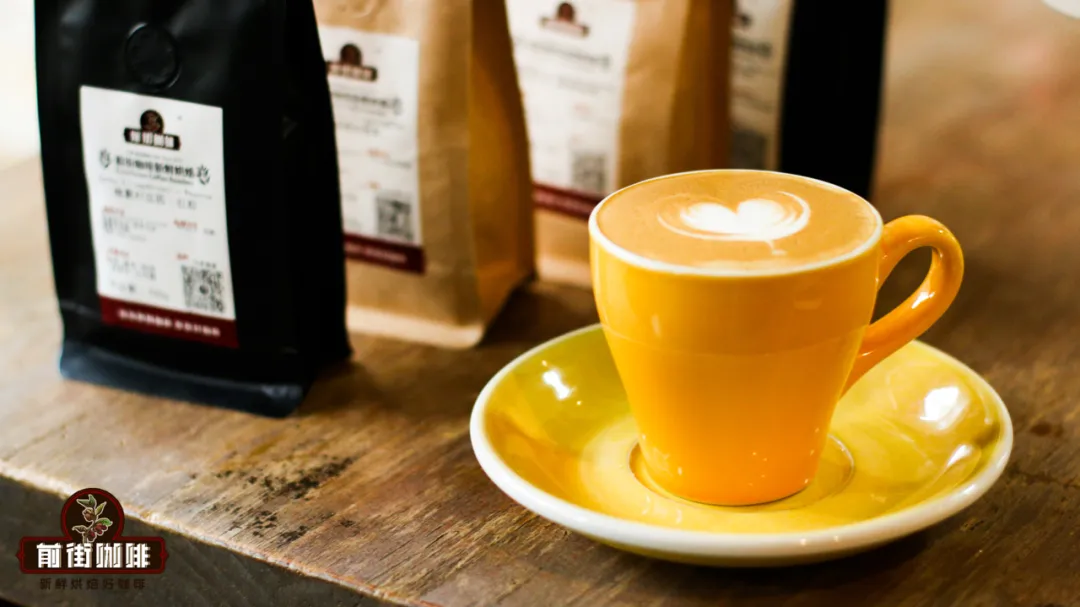
The most important point to note here is: dark roast beans and light roast beans cannot share the same set of extraction parameters. The root of the problem lies precisely in the changes in bean characteristics brought about by differences in roast level.
Dark roast beans are characterized by high expansion rate, low density, and high brittleness; light roast beans, due to relatively shorter roasting time, have characteristics exactly opposite to dark roast beans. The density of beans determines how easily flavor compounds are extracted. Under the same extraction efficiency, lower-density beans are more easily extracted of their flavor compounds, while higher-density beans are the opposite.
The brittleness of beans affects the uniformity of coffee particles after grinding. The higher the brittleness, the more easily the beans break apart, and the more fines outside the target particle size are produced during grinding; moreover, compared to light roast beans, the ground particles as a whole will be finer. These fines obstruct water flow during extraction, giving hot water a longer contact time; beans with low brittleness are not easily broken apart, so they don't produce excessive extremely fine particles, and the particle distribution is relatively more regular. As a result, there are more gaps for hot water to flow through, the residence time is greatly shortened, and extraction efficiency decreases accordingly. The combination of these two factors leads to the difficulty of making good espresso when using dark roast parameters to extract light roast beans, due to insufficient extraction efficiency.
Therefore, if you want to make good espresso with light roast pour-over single-origin beans, you cannot rigidly apply the extraction parameters for dark roast beans to light roast beans. Light roast single-origin beans require higher extraction efficiency, and what we need to do is improve the overall extraction efficiency by adjusting extraction parameters. Among the various extraction parameters, grind size is the first priority for adjustment.
Making the grind finer can make coffee particles smaller, reducing the gaps between particles, so hot water gets a longer extraction time, and the extracted coffee can naturally achieve a more suitable extraction yield. Similarly, Front Street Coffee suggests using formulas to quickly find the grind size suitable for the current coffee beans.
For example, the light roast beans used by Front Street Coffee are 20g, with the goal of extracting 40ml of coffee liquid in 30–35 seconds. If the current 20g of coffee beans extracts 40ml of coffee liquid in only about 10–15 seconds, you need to make the grind finer by 2–3 steps, because the time parameter gap is relatively large, and the adjustment range should be correspondingly increased. The extraction time here is only for reference; because light roast beans are high in density, even if the total extraction time is longer, it is not easy to extract negative substances, so the specific judgment should still be based on the actual situation. Finally, identify deficiencies through tasting, then make fine adjustments.
II. Coffee Proportion
The proportion here refers to the intensity of coffee flavor presented in flavored coffee drinks. The taste of light roast coffee is not as prominent as dark roast, so even if you extract an espresso with a suitable taste, it is not recommended to follow the original method for making flavored coffee drinks, because the espresso flavor is easily over-diluted or masked by strongly flavored ingredients such as milk. For this, adjustments can be made in two directions.
The first direction is to increase the dose, that is, to increase the concentration of the espresso. After the concentration is increased, under the same liquid volume, the espresso can carry richer flavor compounds and is less likely to be covered by other strongly flavored ingredients (extraction parameters need to be adjusted accordingly). Since light roast beans are considerably smaller in volume than dark roast beans, a portafilter basket set for a dark roast bean dose can often hold more light roast coffee grounds than the recommended amount. For example, a basket with a recommended dose of 20g can hold 22g of light roast coffee grounds (or even more), so there is no need to worry about too much dose.
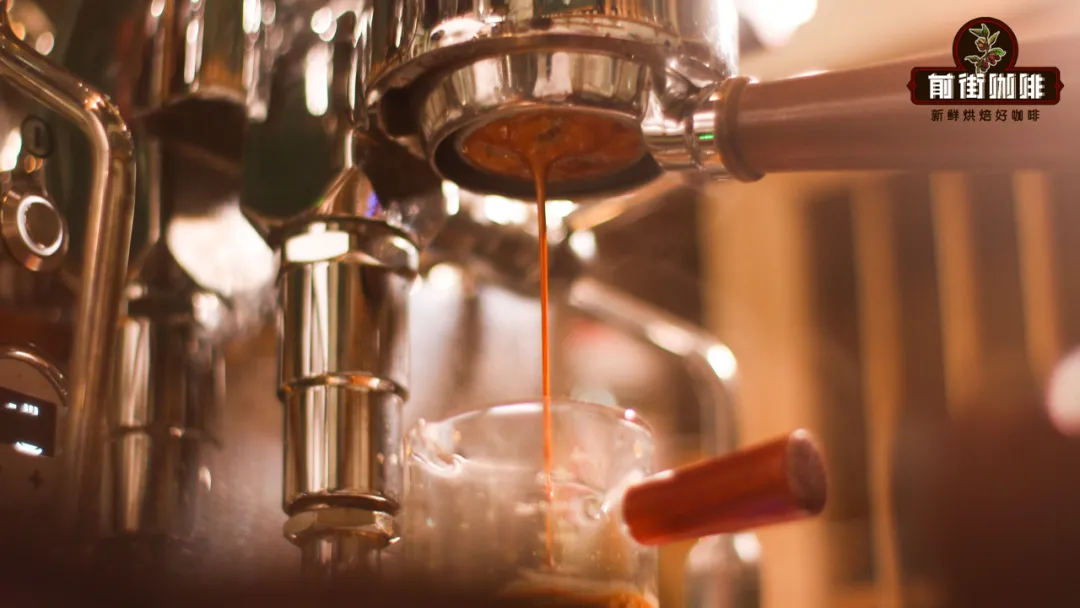
The second direction is to reduce the overall proportion of other ingredients (water, milk, etc.). After the proportion of other ingredients is reduced, the espresso flavor is less easily masked. For example, if the latte originally made with dark roast beans uses a 1:5 ratio, 40ml of coffee liquid with 200ml of milk; when switching to light roast beans for latte, it can be adjusted to 1:4, that is, 40ml of coffee liquid with 160ml of milk. Reducing milk increases the coffee proportion, so the flavor won't be diluted too much.
Tips for Making Milk Coffee with Light Roast Single-Origin Beans
There is one more point to note when making milk coffee: light roast beans retain more acidity, and the combination of acidity with milk can seem rather jarring. If you want to make a delicious milk coffee, it is best to increase the extraction yield of the light roast espresso, so that more bitter compounds are extracted and the proportion of acidic compounds is reduced. This way, the overall acidity of the espresso will decrease, and the resulting milk coffee will be easier to drink.
- END -
The above content is compiled by CoffeeHunters, a coffee news website.


