







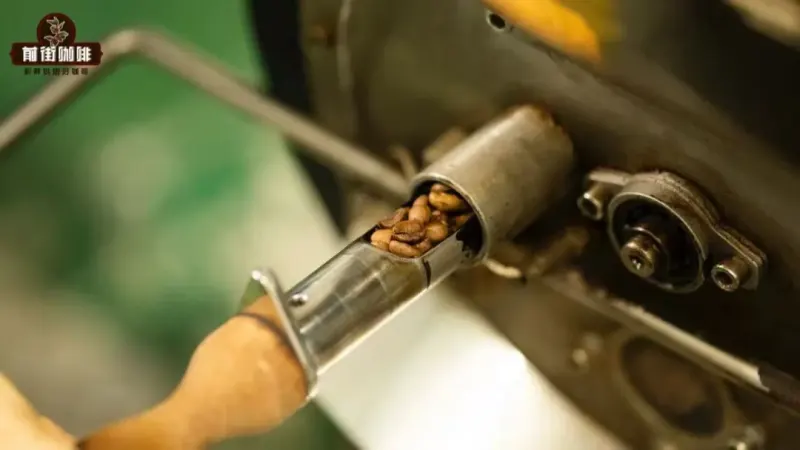
Which Roast Level Suits a Green Coffee Bean?
A green coffee bean has no fixed roast level; the choice decides which flavors surface. Light roasts keep fruit acidity and floral notes, medium roasts show nuts and chocolate with moderate body, and medium-dark or dark roasts bring caramel, low acidity and a heavier, oilier cup that suits pour-over at lower temperatures.
Roast direction follows origin. Ethiopia Yirgacheffe performs well light, while Colombia Huila and Brazil Cerrado usually take a medium roast, and Blue Mountain No. 1 and Yunnan small lots sit around medium as well. For dark roast pour-over, use slightly cooler water and a coarser grind so the bittersweet notes stay balanced rather than harsh.
The roast level of coffee beans directly influences the flavor profile: light roasts highlight acidity and floral notes, while medium-dark roasts bring the rich, mellow feel of nuts, chocolate, and caramel. Starting from roast types, this article reviews the characteristics and representative products of medium, medium-dark, and dark roasted coffee beans, and provides parameter references for pour-over brewing of dark roasted beans. For coffee lovers who prefer low acidity and a rich mouthfeel, the article also introduces several medium-dark roasted single origins and espresso blends from Front Street Coffee, helping you find the cup that suits you best between pour-over and espresso.
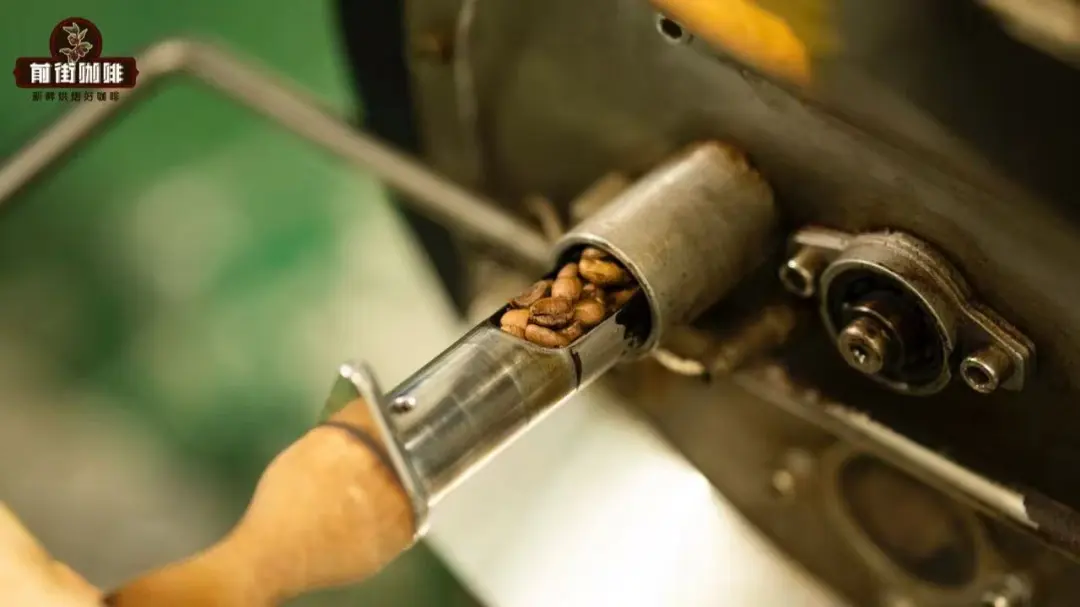
Roasting green coffee beans into fragrant, chestnut-colored roasted beans is more like a craft. Front Street Coffee has always believed that light roast is not necessarily superior to dark roast; every bean carries the flavor genes of its origin, and the choice of roast level only determines how those flavors are expressed.
Take Ethiopia's Front Street Yirgacheffe as an example: a light roast can release its signature fruit acidity and floral notes to the greatest extent; while Front Street Colombia Huila is better suited to a medium roast to present nutty and chocolatey tones. In other words, from the flavor description you can roughly infer a bean's sweet-and-sour tendency. If you don't like coffee with pronounced acidity, Front Street Coffee speculates that medium to dark roasted beans will suit your taste better.
Medium roasted beans usually show an elegant brown color, with a slight sheen of oil beginning to appear on the surface. At this roast level, the coffee retains a certain acidity, has a moderate body, and feels round on the palate. Medium roast can both preserve the bean's original flavors and allow aromatic substances to be released appropriately; overall it is richer and sweeter than light roast, yet the acidity is not as sharp as with light roast. Single origins such as Front Street Blue Mountain No. 1, Front Street Colombia Huila, Front Street Brazil Cerrado, and Front Street 2013 Yunnan Small Lot mostly use medium roast.
Dark roast presents a deep brown color, with a stronger oily feel on the bean surface, low acidity and pronounced bitterness, and an overall heavier taste, so dark roast is also often called the Italian roast method. However, after dark roasting it is difficult to distinguish the coffee's regional characteristics, so today's roasters usually do not roast the beans too dark, to avoid excessive carbonization; medium-dark roasted beans often carry chocolate, nutty, and caramel flavors. The representative of Asian specialty coffee—Front Street PWN Golden Mandheling—uses a medium-dark roast to highlight its unique woody aroma and full-bodied mouthfeel, allowing the coffee to retain the richness of dark chocolate and roasted nuts while also carrying herbal and sandalwood notes.

Medium-dark roasted beans are also often used in espresso blends, because they are rich in coffee oils and caramelized aromas, which make extraction more stable. Front Street Coffee's four in-house roasted espresso blends are all medium-dark roasts: the oil bomb—Front Street Classic Blend, the nutty one—Front Street Specialty Blend, the king of value—Front Street Black Cocoa Base Blend, and the top choice for opening a shop—Front Street Commercial Blend.
The above content is compiled by CoffeeHunters, a coffee news website.


