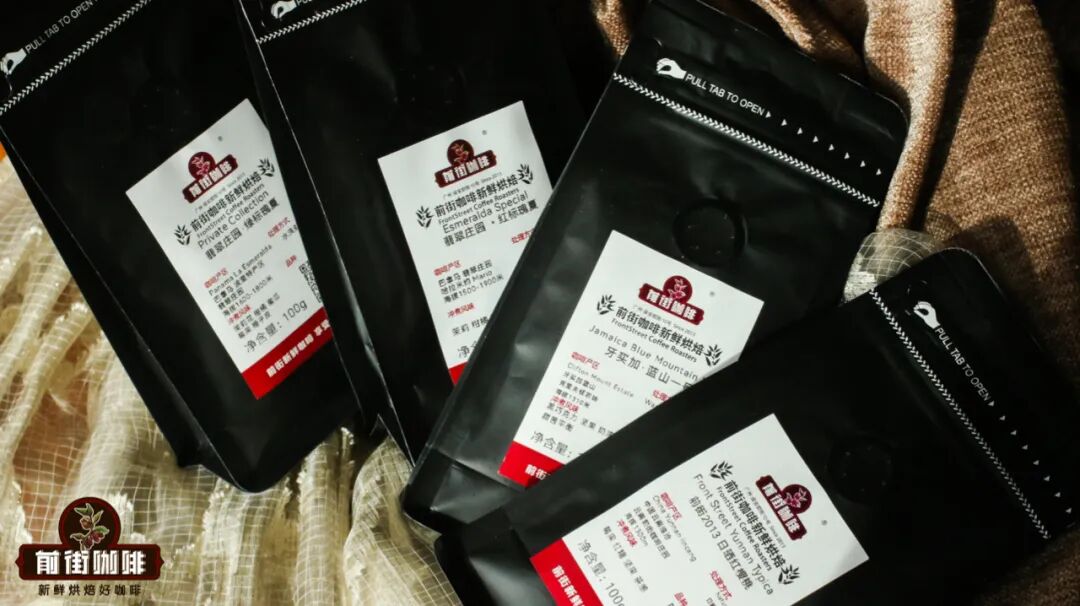
As everyone knows, Front Street mainly sells beans, with shops on both Taobao and Tmall, so friends who can't make it to the physical store often place orders online. Some friends then noticed that the labels on Front Street beans don't have a roast level indicated, and they reported that after receiving them, they didn't know how to identify the roast level of the coffee beans.But in fact, Front Street does indicate the roast level—for example, on the product detail page, or via the QR code on the label, which records the coffee bean roasting information in detail.
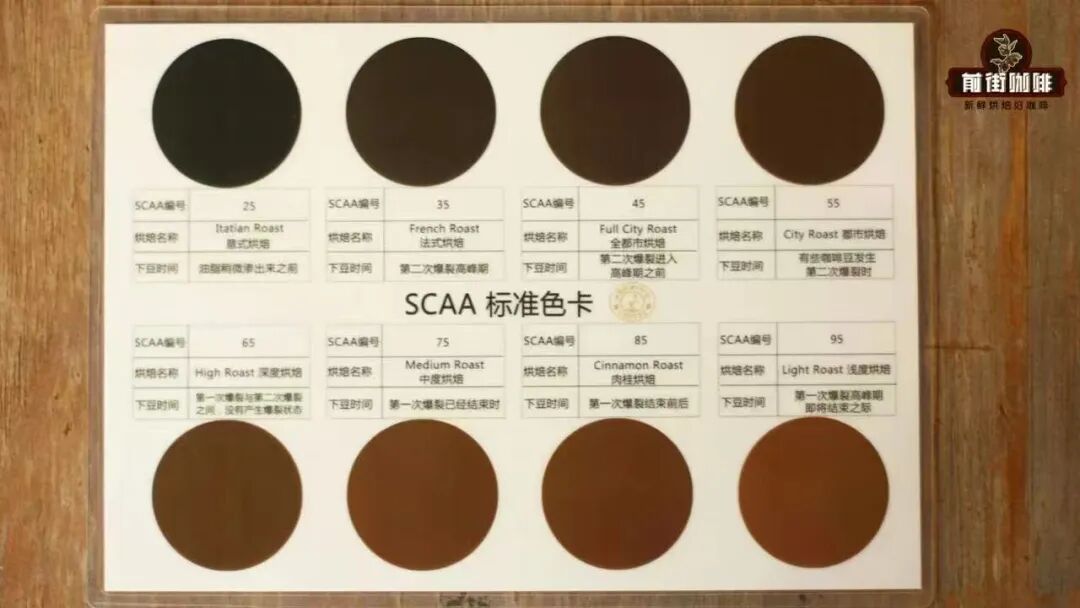
And besides written labels, we can also deduce the roast level of a coffee bean through many other ways. So today Front Street would like to share with you some information about coffee bean roast levels, to help you quickly identify the roast level of coffee beans even when there are no written labels~Currently, within the industry there is a relatively scientific way of defining coffee bean roast levels, namely using "Agtron color value(caramelization analysis value)" to assess the roast level of coffee beans.
We all know that the color of coffee beans changes with the roast level—the darker the roast, the darker the color, and vice versa. This is also one of the standards by which we judge the roast level of coffee beans in daily life. This system quantifies that color: the larger the value, the lighter the roast, and vice versa. The image below isSCAA's Agtron color value chart; as you can see, it divides coffee bean roast levels into 8 categories.A brief understanding is enough, because in daily life we hardly ever use terms like cinnamon roast or city roast to communicate. First, because with the naked eye alone, it's hard for us to judge exactly which roast level or color value a bean has reached. Second, because the mainstream of coffee bean roasting has changed—today's coffee beans are no longer roasted as dark as before, so consumers may not encounter all the roast levels on the chart.
Furthermore, if this industry classification standard were passed on to consumers unchanged, it would undoubtedly add a great deal of learning pressure for consumers. For coffee enthusiasts and consumers, that can hardly be considered a good thing. "What, dark roast isn't the darkest?" "I just want coffee that isn't sour—you're talking about French roast, Italian roast, and I don't understand any of it"... Confusions like these would inevitably keep emerging.But if we don't distinguish according to this system, and instead understand what dark roast and light roast mean according to each shop's own roast levels, that also can't achieve uniformity. Because every shop's understanding and definition of roast levels differ. So Front Street recommends that everyone define the roast level of coffee beans through other means—for example, through the taste of the coffee.Front Street believes that the simplest way to distinguish roast levels is by the intensity of the coffee's acidity, sweetness, bitterness, and other tastes, so that consumers can better find the coffee beans they need. Front Street classifies coffees dominated by acidity as medium-light roast, and coffees dominated by bitterness as medium-dark roast. Then, combined with the flavor notes on the coffee bean label, we can determine its specific roast level~What does that mean? For example, if the flavor notes include relatively fresh or relatively sour fruits like "lemon," "citrus," or "berry," we can initially judge that this is a coffee bean on the lighter side of medium-light roast. For example, on Front Street's bean list: Front Street Yirgacheffe·Washed Gutingding, Front Street Ethiopia·Eto(Alto);
And if the flavor description includes relatively sweet fruits like "grape," "honeydew," or "blueberry," it may be a coffee bean in the middle range of medium-light roast. For example, on Front Street's bean list: Front Street Finca La Divisa·Sidra, Front Street Finca La Divisa·Ombligon;The same goes for dark-roasted coffee beans! If the flavor description includes noticeably sweet flavors like "sucrose," "maple syrup," "cream," or "chocolate," it can initially be judged as a coffee bean in the middle range of medium-dark roast. For example, on Front Street's bean list: Front Street Papua New Guinea·Bird of Paradise, Front Street Yunnan 2013;
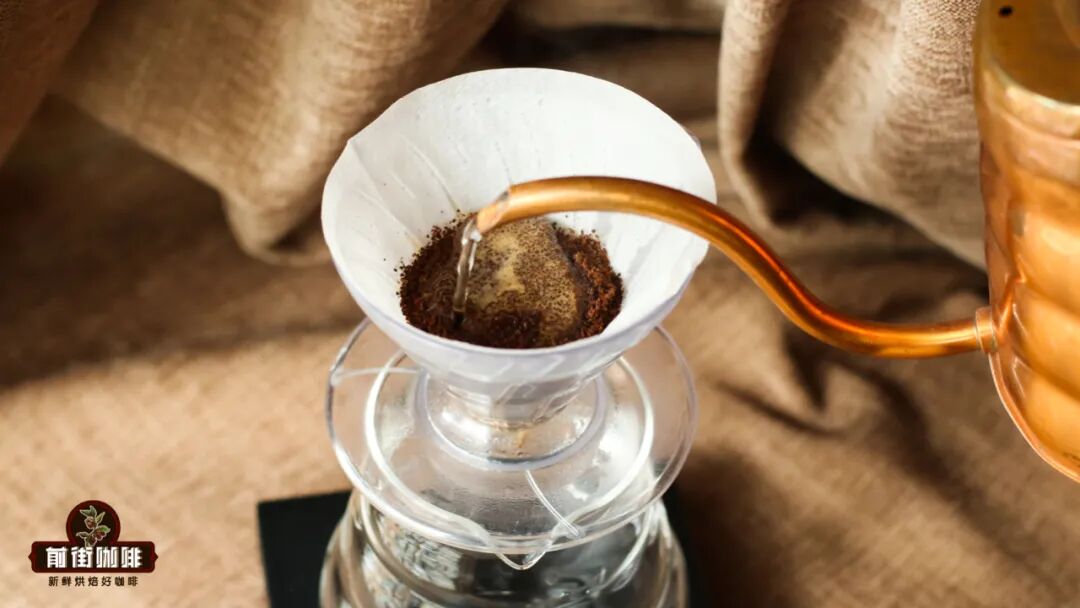
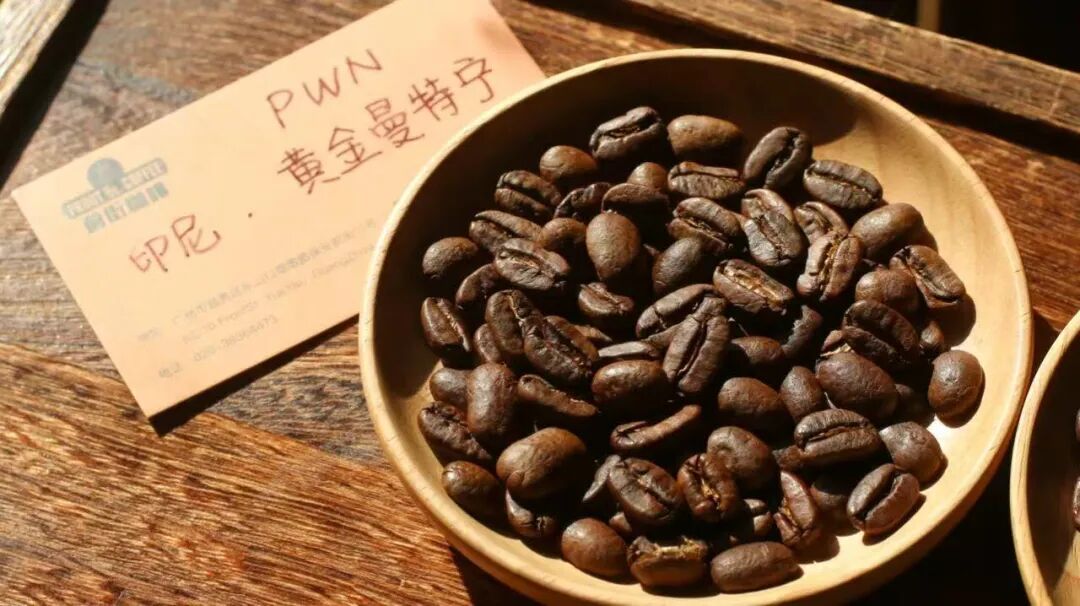
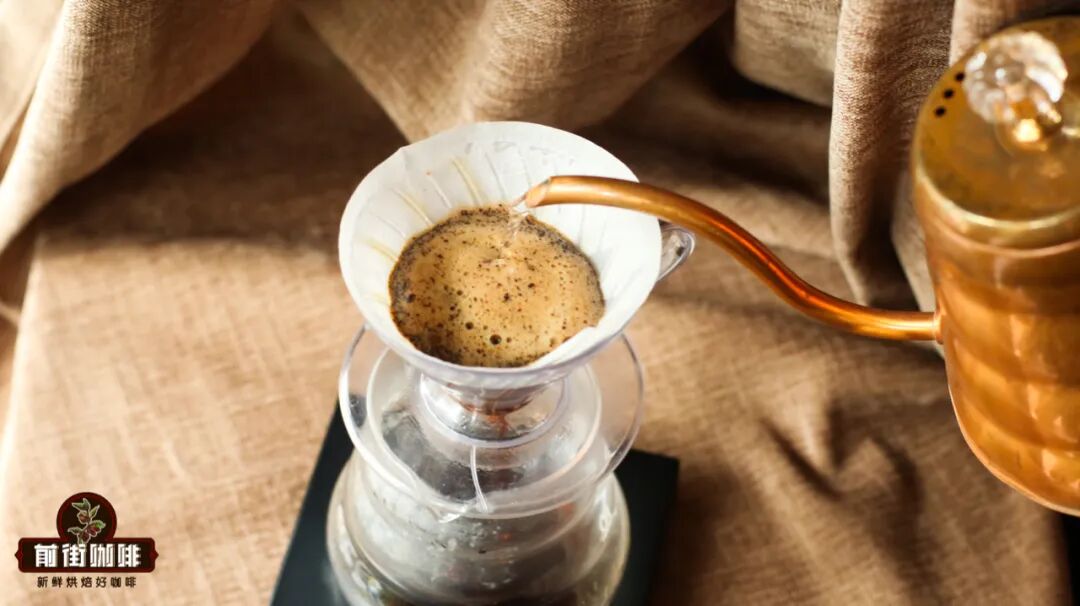
And if the flavor includes rich, roasted aromas like "roasted nuts," "caramel," or "dark chocolate," it may be a coffee bean on the darker side of medium-dark roast. For example, on Front Street's bean list there are Front Street Brazil·Queen's Estate and Front Street Sumatra·Golden Mandheling.When it comes to brewing, you can use the corresponding parameters recommended by Front Street according to the bean's roast level:Brewing water temperature: medium-light roast 90~93°C, medium-dark roast 86~89°CGrind size: 75%~80% pass-through rate on a No. 20 sieveBrewing time: 2 minutes (15g coffee)Coffee-to-water ratio: 1:15The lighter the roast, the higher the water temperature and the finer the grind within the range. And if the roast is darker, use the lower water temperature and coarser grind within the range. The other parameters stay the same, except that the brewing time and grind size may need to change according to increases or decreases in the coffee dose.
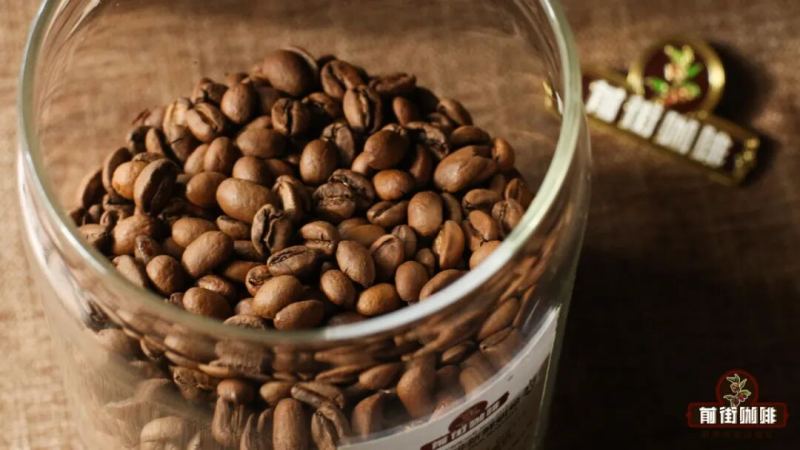
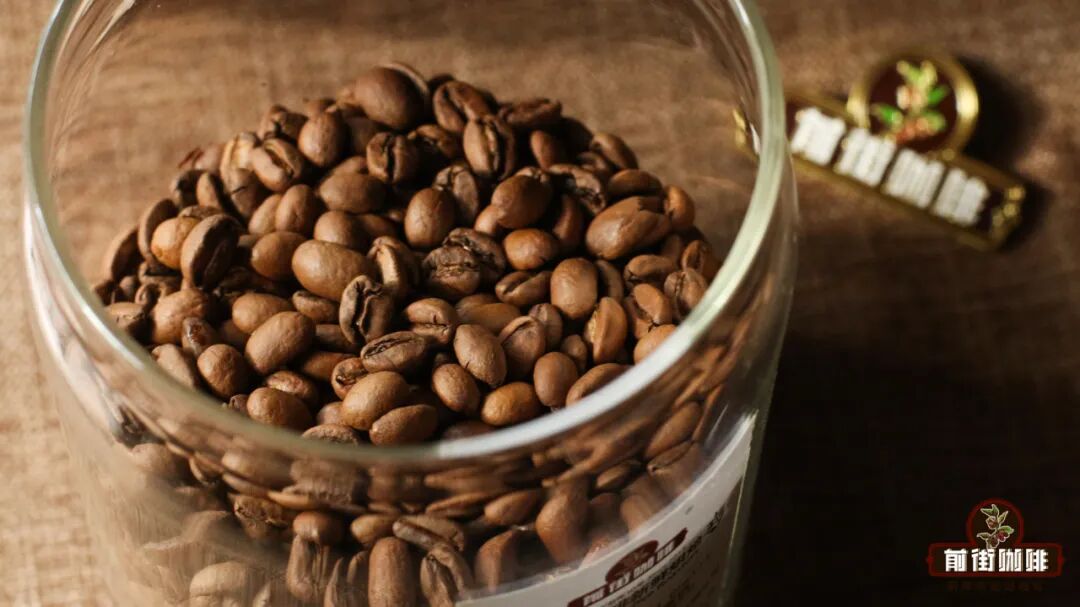
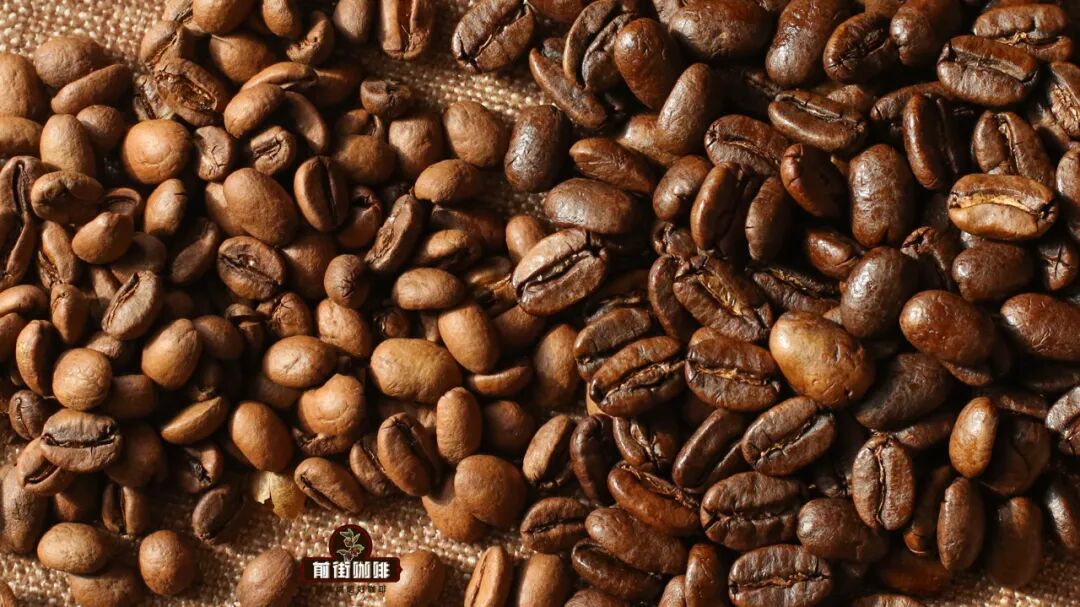
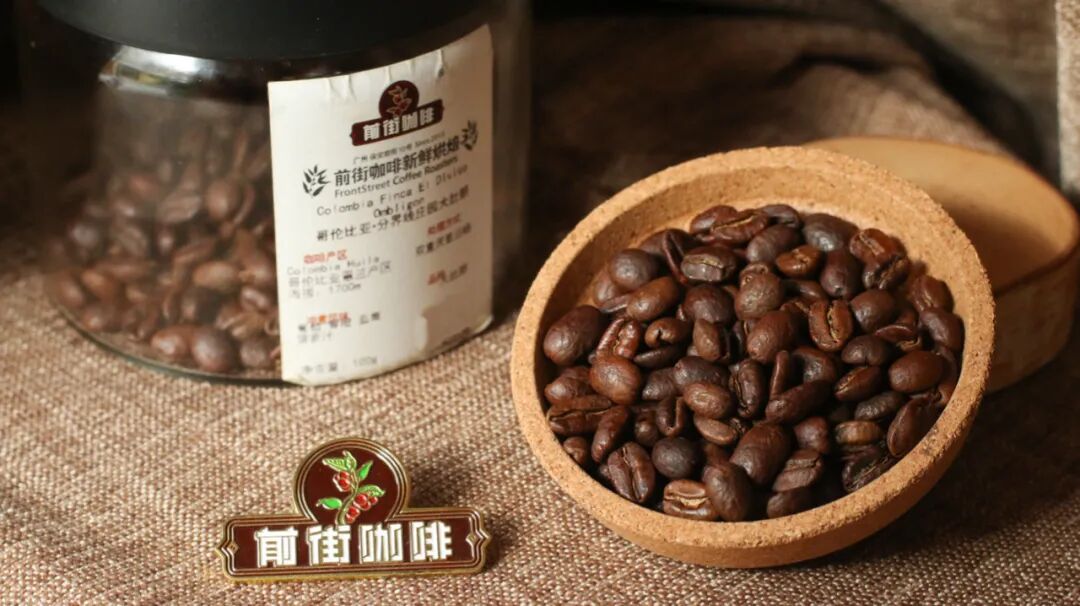
Of course, we can also judge the roast level by the appearance of the coffee beans. As Front Street mentioned earlier, beans that are a bit darker in color or that are oily can initially be judged as medium-dark roast; beans that are lighter in color and drier can initially be judged as medium-light roast. But it's worth mentioning that Front Street does not recommend relying entirely on the lightness or darkness of the coffee beans' appearance as the measure of their roast level. Although this method is the fastest way to determine the roast level of coffee beans, there are sometimes exceptions. For example, on Front Street's bean list, Front Street Finca La Divisa·Ombligon, though it looks like a deeply roasted bean on the outside, actually brews with sweet fruity flavors like blueberry, grape, and berry—it is a medium-light to medium roast level. If we mistakenly think it's a dark-roasted coffee bean because of its appearance and then brew it with dark-roast parameters, under-extraction is likely to occur.But such examples are extremely rare; conventionally processed coffee beans can still use the color of the bean surface as the measure of roast level. Compared with taste, observing the appearance gives you results faster. In short, each has its own advantages and both can be used—just choose your judging criteria according to the actual situation~
 The above content is compiled by CoffeeHunters, a coffee news website.