







Search Results for: judging the coffee bed
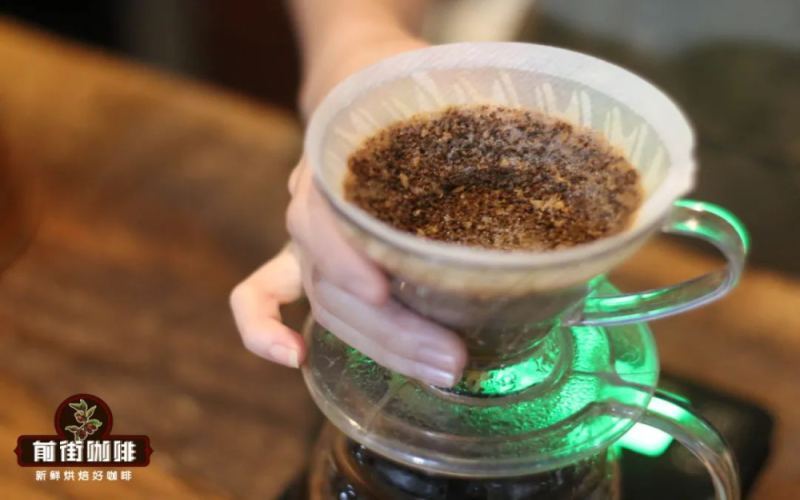
Interpreting the Shape of the Coffee Bed in Pour-Over Brewing: Judging Extraction Evenness and Brewing Issues from the Grounds Pattern
Many pour-over enthusiasts habitually check the shape of the coffee bed in the dripper after brewing, and some even predict the coffee's flavor based solely on the bed's appearance. What can the coffee bed actually tell us? Can it really determine whether a cup of coffee is good or bad? This article starts from the causes of the coffee bed, analyzes the extraction problems corresponding to different bed shapes, and explores the practical reference value of the coffee bed in brewing adjustments. At the same time, Front Street will also share how to view the coffee bed rationally and avoid falling into the misconception of "judging solely by the coffee bed." [more…]

How can you tell if coffee beans are fresh? Practical observation methods from bloom puffing, crema thickness to flow rate and aroma
Whether coffee beans are fresh can actually be judged by many clues during the brewing process. Roasted coffee beans accumulate carbon dioxide, which gradually escapes over time, and the amount of carbon dioxide directly affects the blooming puff, the thickness of espresso crema, the water retention of the coffee bed and the flow rate, and also leaves traces in the aroma performance. From the perspective of Front Street, this article sorts out three practical methods for judging the freshness of coffee beans, explains the influence of factors such as roast level and variety on crema, and recommends Front Street Classic Blend, an espresso bean with rich crema and a fragrant flavor, to help you judge and choose more reliably. [more…]
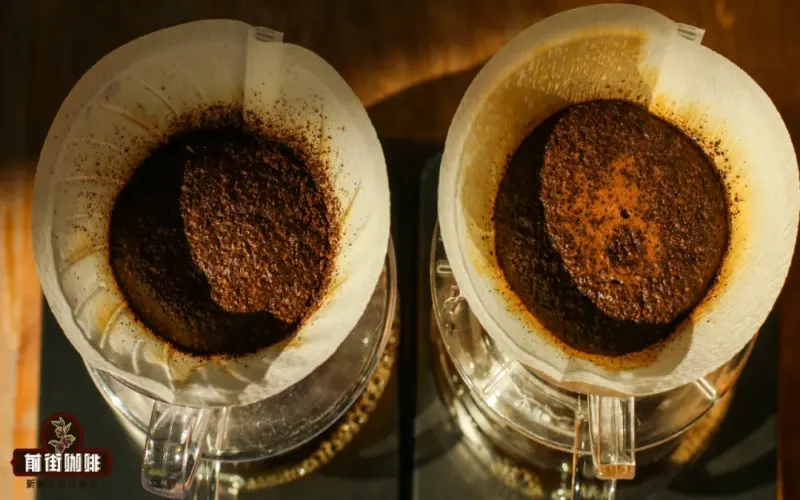
A Detailed Explanation of the Blooming Principle in Pour-Over Coffee: How to Judge Bean Freshness and Extraction Status from the Dome
In the process of pour-over coffee, blooming is a step that seems simple yet contains a wealth of information. Many enthusiasts are accustomed to judging whether coffee beans are fresh by observing the extent to which the coffee bed puffs up during blooming—the larger the puff, the fresher; the smaller, the staler. However, Front Street wants to tell everyone today that bean freshness is not the only factor affecting the size of the puff. This article will start from the working principles of blooming and deeply analyze why the coffee bed expands, as well as what variables besides freshness can lead to differences in the puff. At the same time, we will also explore how the process of carbon dioxide release after coffee beans are roasted affects extraction, helping you understand the blooming phenomenon more accurately in your daily brewing. [more…]
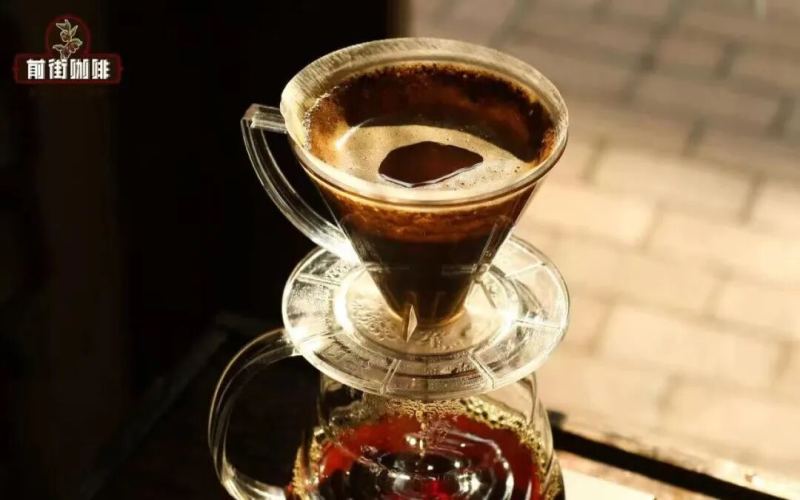
Coffee Brewing | What information is hidden in the coffee bed when making pour-over coffee? How can you judge the condition of single-origin pour-over beans from the coffee bed?
Yesterday a friend chatted with Front Street about a rather interesting phenomenon: he noticed that most people, when brewing coffee, even during the waiting intervals when they're not pouring water, still choose to fix their eyes intently on the changes in the dripper, as if trying to glean some information from the coffee bed. And you know what, there really is some truth [more…]
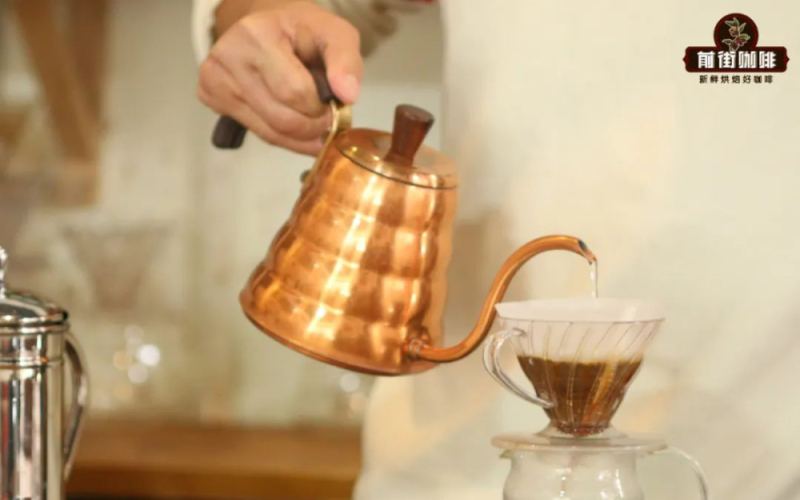
How to Master the Timing of Pulsed Pouring in Pour-Over Coffee? A Detailed Guide to the Water Volume and Time Nodes of the Three-Pour Method
Segmented pouring is a common yet difficult-to-master method in pour-over coffee, with the challenge lying in judging when to stop pouring and when to pour again. This article uses Front Street Coffee's three-stage brewing as an example to explain in detail the techniques for judging pouring checkpoints. The article points out that you should not wait for the water to finish flowing before pouring again; subsequent pours should bring the coffee bed height to exactly the same level as the previous stage to ensure even extraction. Using 15g of coffee grounds as an example, the first stage is blooming, pouring 30ml of water and waiting 30 seconds; the second stage pours water to 1/2 of the short rib, with a reference water amount of 120ml, taking about 55 seconds to 1 minute; the third stage involves observing the water level dropping, and when it falls to 1/2 between the coffee bed and the filter wall, pour 90ml, with a reference time of 1 minute 10 seconds to 1 minute 15 seconds; pouring ends at about 1 minute 30 seconds to 1 minute 35 seconds, and the coffee liquid finishes flowing at about 2 minutes to 2 minutes 10 seconds. The logic for four-stage pouring is the same. [more…]
How to Choose the Grind Size for Pour-Over Coffee: A Complete Guide from Judging Coarseness to Dialing In Extraction
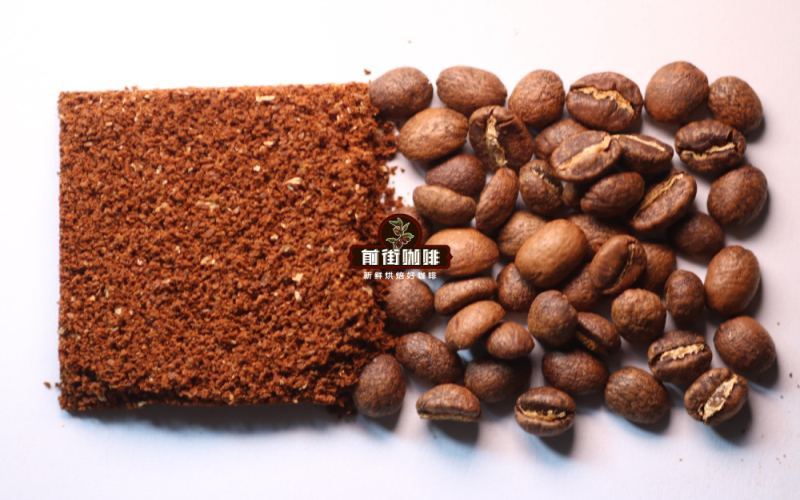
Grind size is the most error-prone part of pour-over coffee. After answering a large number of questions from enthusiasts, Front Street Coffee found that more than half of all brewing problems stem from improper grind selection. This article starts with why coffee needs to be ground, then analyzes in detail how coarse and fine grinding affect extraction, introduces the reference passing rate for a No. 20 sieve under the SCA cupping standard, and provides the criteria for judging the ideal particle size range and the proportion of superfine particles. In addition, it shares practical methods for using extraction time and the rate at which the coffee bed settles to help judge whether the grind size is appropriate, so you can make reasonable adjustments even without a professional sieve. [more…]
A Complete Guide to Pour-Over Coffee: A Practical Analysis of Grind Size, Pouring Technique, Coffee-to-Water Ratio, and Water Temperature
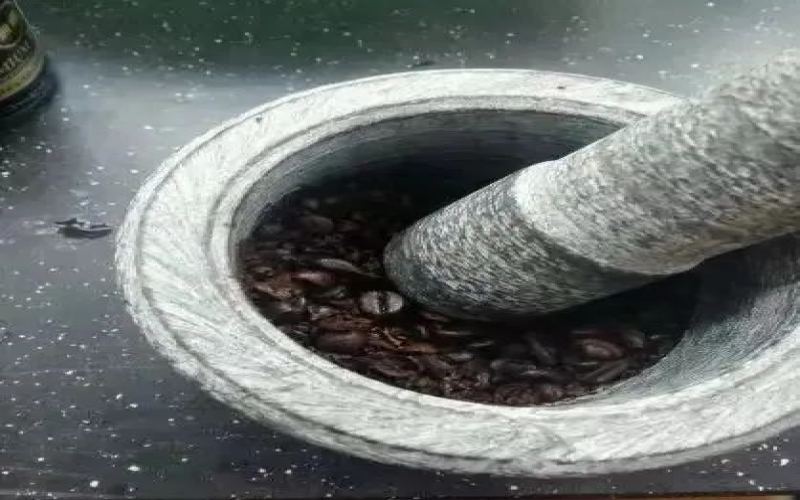
Many coffee enthusiasts buy beans to take home after enjoying a satisfying cup at a café, only to find that their own brews always seem to fall a bit short. To address this common frustration, Front Street Coffee has identified the four most error-prone stages: grind size, pouring technique, coffee-to-water ratio, and water temperature. Starting with the shape of the coffee bed after brewing, the article teaches you to judge where the problem lies by examining particle coarseness, muddiness, and drainage speed; it then analyzes the causes of weak or overly sour flavors from the details of pouring; and finally offers practical recommendations on coffee-to-water ratio and water temperature. Whether you are a beginner or looking to refine your technique, this systematic breakdown will help you find the right direction for adjustment. [more…]

Must freshly roasted coffee beans be rested before drinking? A complete guide to the principles of resting, judging duration, and bloom testing
Do freshly roasted coffee beans really need to rest for a few days before brewing? This question puzzles quite a few coffee enthusiasts. This article, from the perspective of Front Street, discusses the core logic behind coffee resting: why are freshly roasted beans often recommended to be left to sit for a while? What role does carbon dioxide play in this? How long do beans of different roast levels need to rest? Can beans that haven't rested properly still be drunk? In addition, we'll share a simple bloom observation method to help you roughly judge the current state of your beans. Whether you're used to waiting patiently or prefer to brew straight from the bag, understanding this knowledge will let you handle every bag of coffee at hand with greater ease. [more…]
Three key time points for judging whether water accumulation will occur during the pour-over brewing process
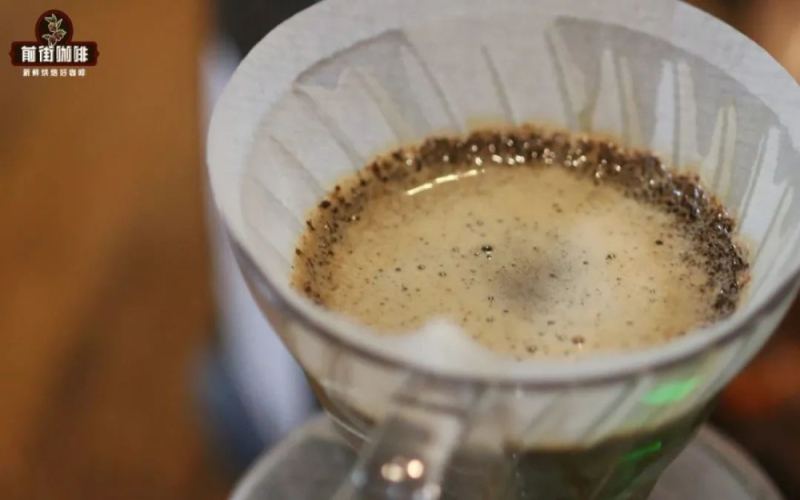
One of the most frustrating problems in pour-over coffee is water pooling. Once clogging occurs in the final stage of brewing, the coffee's flavor often turns bitter and undrinkable. In fact, before the pouring is finished, there are several time windows where you can predict in advance whether pooling will happen. As long as you master these judgment methods, you can adjust your pouring strategy in time and avoid ending up in a passive position. This article will focus on three key time points—the degree of bloom expansion, the foam performance during pouring after the bloom, and the speed at which the water level drops before the final pour—to explain one by one how to identify the risk of pooling and give corresponding countermeasures. It will also introduce the ultimate solution when all methods fail—flow cutoff—and how to deal with the problems of overly high coffee concentration and missing flavor after flow cutoff. [more…]
Analyzing the Relationship Between Pourover Coffee Bed Depth and Flavor: Conditions for Forming a Perfect Coffee Bed Beyond Even Pouring
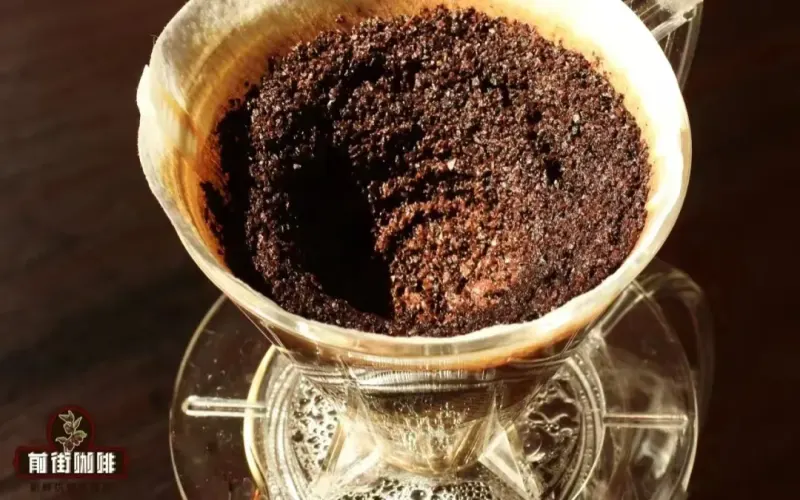
Many pour-over enthusiasts habitually judge coffee quality by the shape of the coffee bed left in the dripper, believing that the deeper the bed, the better the taste. Is this belief correct? What can a deep bed actually tell us? In reality, the state of the coffee bed only reflects the uniformity of pouring and does not directly determine flavor. To produce an ideal coffee bed, uniform pouring alone is not enough—other conditions must also be met. This article will take a deep dive into the true relationship between the coffee bed and coffee taste, and share the complete set of factors that go into forming a perfect coffee bed. [more…]
A Complete Guide to Espresso Grind Size: From Dialing In to Judging by Flavor
When making espresso, the grind size of the coffee grounds is the core variable that determines the quality of the final cup. Compared with brewing methods such as pour-over and cold brew, espresso demands a far finer grind than one might imagine—the powder is as fine as flour, its uniformity difficult to judge with the naked eye, and a deviation of just 0.1 on the grinder setting can make an enormous difference in taste. This article systematically lays out a complete approach to adjusting espresso grind—from judging grind size and observing flow rate to applying formulas and fine-tuning flavor—helping coffee lovers quickly lock in the right grind range even when faced with unfamiliar beans, so they can pull a balanced, delicious espresso. [more…]
How to determine the grind size for pour-over coffee? Front Street Coffee teaches you to judge the standard of coffee grounds using a sieve and water flow.
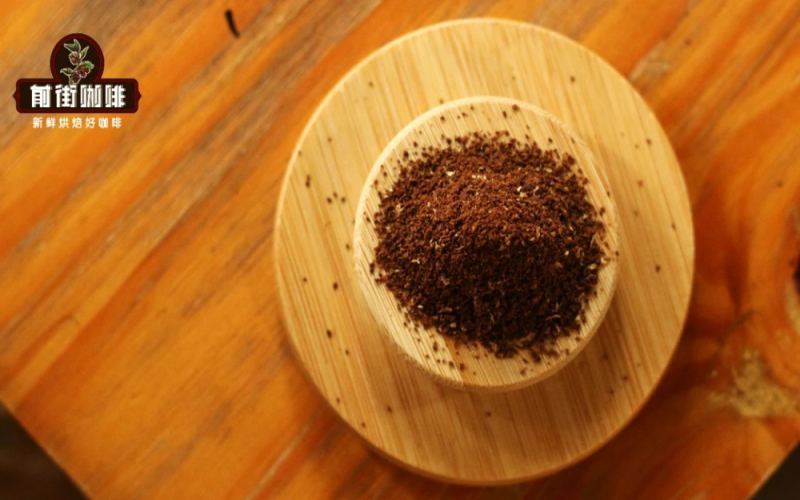
The grind size for pour-over coffee is one of the key variables that determines the success or failure of extraction. The coarseness of the grounds not only affects how quickly hot water passes through the coffee bed, but also directly influences the release ratio of acidity, sweetness, and caramelized compounds. Drawing on the hands-on experience of Front Street Coffee, this article explains how grind size affects extraction, the relationship between roast level and carbon dioxide, and offers grind recommendations and water temperature pairings for medium-light and medium-dark single-origin beans, as well as how to use a 0.85mm No. 20 sieve or observe the flow rate to judge whether the grind is appropriate, helping beginners build a reproducible approach to adjustment. [more…]
Judging the Flow Rate of Pour-Over Coffee and Analyzing the Core Factors That Affect Flow Speed
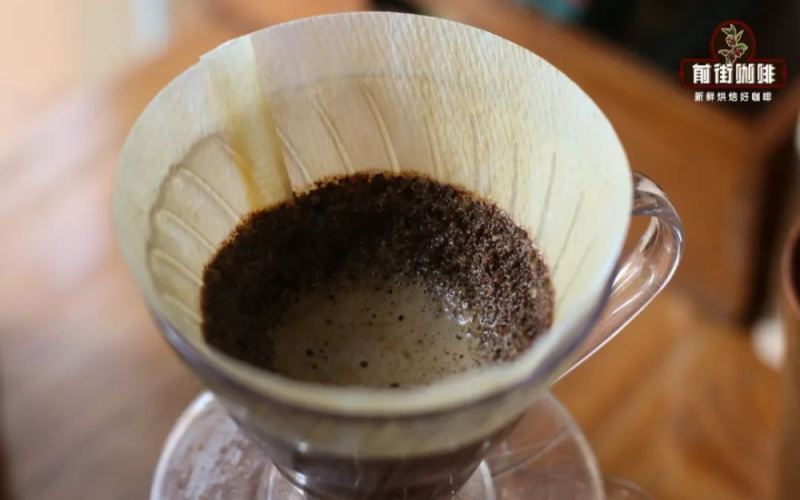
In the process of pour-over coffee, many enthusiasts encounter the same dose of coffee grounds yet vastly different extraction times—some finish smoothly in about two minutes, while others complete their drip in less than a minute and a half. What exactly determines this difference in flow rate? And what do faster or slower flow rates each signify? Drawing on the hands-on experience of Front Street Coffee, this article systematically examines the key factors affecting pour-over flow rate—including roast level, processing method, coffee bean texture and density, and grind setting—and offers adjustment strategies for abnormal flow rates, helping you judge and respond more accurately in your daily brewing. [more…]

Coffee Flavor Tasting | How Can Beginners Judge Coffee Extraction by Tasting? How Do You Describe the Flavor of Pour-Over Coffee?
If you want to learn how to brew coffee, you must first learn how to drink coffee. Of course, "learning to drink coffee" here does not mean being able to describe gorgeous flavor notes; it is more about being able to judge whether a cup of coffee is good or bad—that is, whether it tastes good or not. Whether a coffee tastes good or not, subjectively and objectively, depends to a fairly large extent on personal preference. [more…]
How to judge coffee bean freshness? A practical guide from peak flavor window to reusing expired beans
Can you still drink coffee beans that have been sitting around for a long time? This is a real question many coffee lovers run into. Starting from how freshness affects flavor, this article explains the criteria for judging a coffee bean's peak flavor window, and offers specific brewing adjustments for stale coffee beans, including practical tips on grind size and the blooming pour. At the same time, Front Street Coffee has also put together three eco-friendly ways to reuse expired coffee beans, covering odor removal, cleaning, and plant fertilizer, so that every single bean can be put to good use. [more…]
During pour-over blooming, the coffee bed puffs up and then collapses—is this normal? An analysis of the causes and adjustment methods.
In the blooming stage of pour-over coffee, the coffee bed usually forms a fluffy "hamburger" dome, which is an important signal for judging the freshness of coffee beans. But some friends have found that although the coffee bed puffs up briefly after pouring water, it quickly collapses. Is this actually normal? This article will analyze the causes of "expanding first, then sinking" from three angles—water volume, grind size, and pouring technique—and, combined with Front Street Coffee's brewing experience, provide specific judgment and adjustment suggestions to help you master the blooming stage more precisely. [more…]
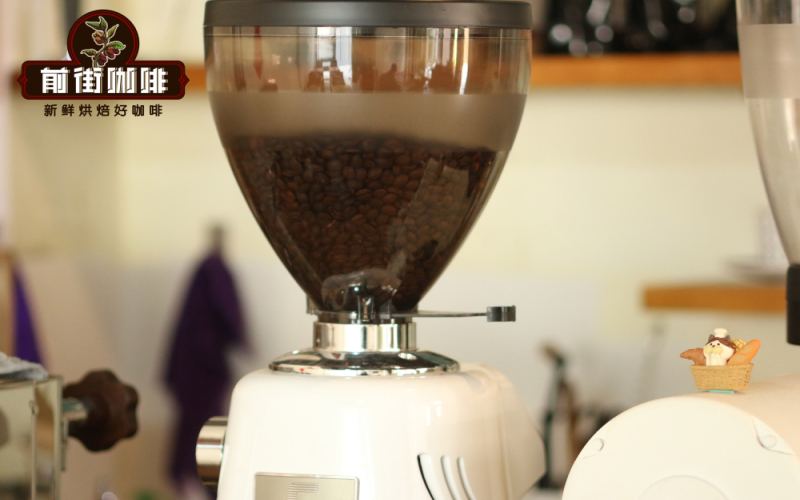
How to Determine the Grind Size for Espresso? Dialing In and Selecting Settings on a Super-Automatic Coffee Machine
Making a proper espresso, grind size is often the most critical and also the most headache-inducing part. Unlike pour-over and cold brew, espresso uses pressurized short-time extraction, and the state of the coffee bed gets magnified exponentially—a little too fine and it easily over-extracts and turns bitter; a little too coarse and the flow rate becomes too fast with a weak, thin taste. This article starts with methods for judging grind size, explains how to quickly lock in the right setting range using flow rate and flavor, and covers adjusting the coffee-to-water ratio and extraction time based on the characteristics of the coffee beans. It also recommends Front Street Coffee's classic espresso blend to help you recreate café-level espresso flavor at home. [more…]
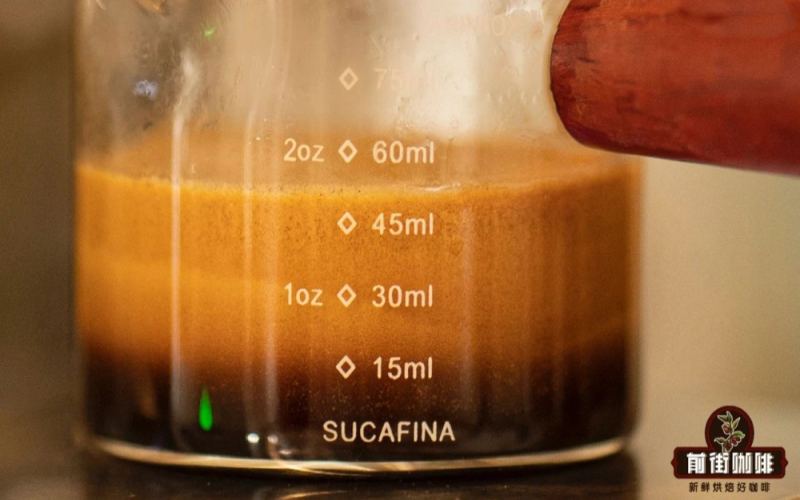
What Does It Mean When Espresso Has Little Crema? Can Crema Be Used to Judge Coffee Flavor and Quality?
Many coffee enthusiasts are in the habit of judging whether an espresso tastes good by observing the crema on its surface, believing that a fine, thick, golden-brown crema is the mark of a good coffee. But is that really true? Through two intuitive test questions, combined with factors such as the freshness of the coffee beans, the coarseness of the grind, and the extraction pressure, this article will take an in-depth look at the real relationship between the state of the crema and the flavor of the coffee, helping everyone view espresso crema rationally and no longer be fooled by appearances. [more…]
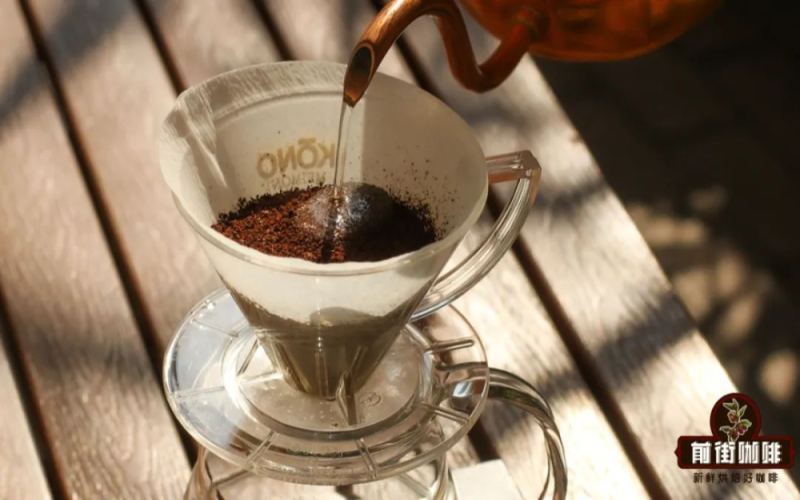
Why Is 30 Seconds the Benchmark for Hand-Pour Blooming? A Detailed Explanation of the Degassing Principle, Timing Judgment, and Whether It Counts Toward the Extraction Phase
Before formally pouring water for pour-over coffee, a small amount of hot water is usually used to wet the coffee grounds and let them sit for a moment. This step is called blooming. Many enthusiasts are familiar with the formula of "twice the water amount, wait 30 seconds," but they do not know where this number comes from, nor are they sure whether blooming counts as a stage of extraction. This article starts with the gases inside coffee beans after roasting, explains why blooming is necessary, how the two parameters of water amount and duration are determined, and what flavor problems insufficient blooming and excessive blooming each bring, helping readers understand that 30 seconds is only a conservative starting point for beginners, and that once skilled, one can judge flexibly based on the state of the coffee bed. [more…]
Can espresso crema be used to judge coffee quality? Analyzing the essence and role of espresso crema
Many people often say that you can tell whether an espresso tastes good just by looking at the crema; a fine, thick, golden crema seems to have become the hallmark of good coffee. But is that really true? Front Street Coffee uses two interesting tests to help us re-examine the relationship between crema and espresso quality. This article will take a deep dive into the nature of espresso crema—what it is made of, how it forms, and what useful information it can provide. It will also explain why the state of the crema alone cannot directly determine the flavor quality of an espresso. If you are interested in espresso extraction and tasting, this article will help you build a more scientific understanding. [more…]