








If you want to learn how to brew coffee, you must first learn how to drink coffee. Of course, "learning to drink coffee" here doesn't mean being able to describe gorgeous flavors, but rather being able to judge whether a cup of coffee is good or bad—that is, whether it tastes good or not.
Subjective and Objective
Whether coffee tastes good depends to a large extent on personal preference. For example, once when Front Street Coffee was sharing sample coffee with customers at the shop, some customers found the same coffee so sour their teeth chattered, while others found it full of sweetness and very delicious. From their own perspectives, their judgments of the taste were all correct—this is the difference threshold in taste perception between individuals.
If everyone judged by their own standards, everything would fall into chaos. So there exists a relatively objective standard, and by learning this standard everyone can communicate with each other. These standards are the sensory standards set by some mainstream organizations today (such as SCA, ACE, CQI). These standards are largely similar and all represent the current mainstream understanding of coffee sensory evaluation. (If you want to learn, you don't necessarily have to sign up for a course—you can first buy some sensory-related books to study, and sign up later if you really need to.)
Finding Differences Through Comparison
Once, when Front Street Coffee was conducting a test on "the effect of filter paper fit on coffee flavor," a customer happened to be drinking coffee at the shop. So Front Street Coffee invited this customer to participate in the tasting test. Through comparative tasting of the samples, the customer was able to accurately describe the differences among the three cups of coffee.
So, learning to drink coffee requires building an effective library of flavor information, and comparative tasting is one of the more efficient methods for this. Second, you need sufficient accumulation. For example, when you taste a coffee whose acidity refreshes your understanding, your threshold for coffee acidity expands, which in turn affects how you describe the acidity of coffee.
Distinguishing Positive Flavors from Negative Flavors
Even if you don't like sour coffee, flavors like citric acid, passion fruit acidity, and grape acidity are all positive flavors; the same goes for bitterness—some bitterness like that of dark chocolate is also a positive flavor. (Anyone who has eaten pure dark chocolate knows that kind of bitterness is extraordinary.)
So what are negative flavors? Broadly speaking, they are unpleasant tastes, such as intense sourness, intense bitterness, sharp acidity, burnt bitterness, astringent sourness, astringent bitterness, and long-lasting bitter aftertaste. And some non-taste negative sensations include hollowness, insipidness, rough mouthfeel, and short aftertaste.
These negative flavor expressions can stem from coffee bean quality, roasting quality, or brewing issues. As long as you choose a reliable coffee brand, you can basically avoid problems with coffee bean quality and roasting. What remains are the negative flavors caused by brewing.
Brewing problems can be roughly categorized into under-extraction and over-extraction. For example, under-extraction causes coffee to exhibit negative characteristics such as intense sourness, sharp acidity, astringent sourness, faint saltiness, thin body, watery mouthfeel, and short aftertaste. Over-extraction causes coffee to exhibit burnt bitterness, astringent bitterness, long-lasting bitter aftertaste, rough mouthfeel, and so on. So, as long as we can distinguish these flavors in coffee, we can infer from these negative flavors what caused them during brewing, thereby judging the extraction condition of coffee based on taste.
Under-extraction generally means that sweet and bitter substances have not been extracted, resulting in pronounced acidity, or even a sharp, pungent sourness. If the sourness is intense, it may be caused by using too little water. Sharp pungency, watery mouthfeel, and thin body may be caused by a coarser grind combined with faster pouring, leading to a short extraction time.
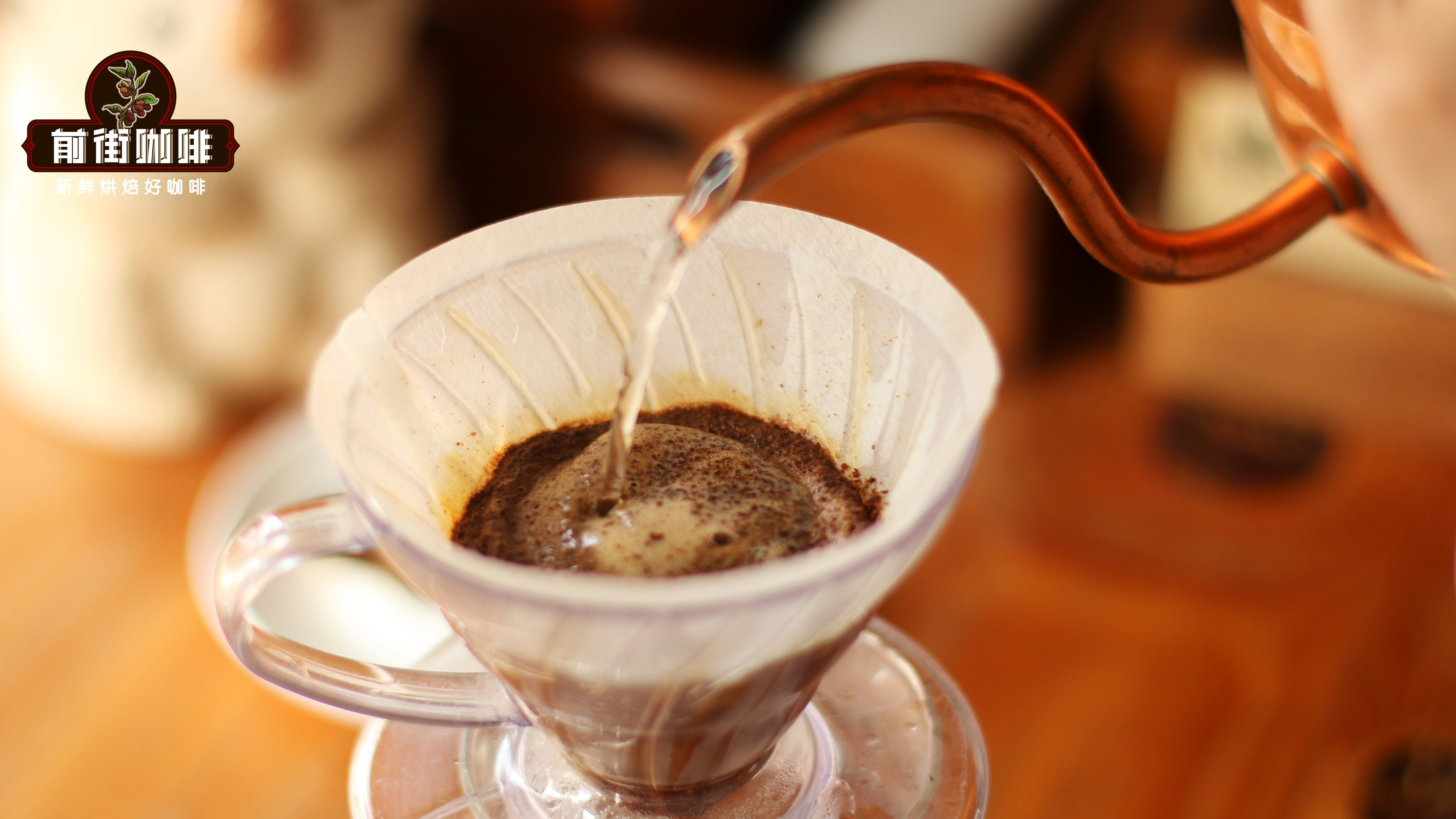
If you are fortunate enough to taste a faint saltiness, that is also a sign of under-extraction. Under normal circumstances, there is very little chance of tasting saltiness in coffee because it is masked by sourness and sweetness. In under-extracted coffee, because the sweetness that would mask it is missing, the saltiness is exposed—this usually appears in under-extracted coffees where the acidity is not pronounced.
Under-extracted coffee also often exhibits a short aftertaste. Generally, the aftertaste is provided by the mid-to-late stages of the coffee; if this part is missing, the coffee's aftertaste will be short.
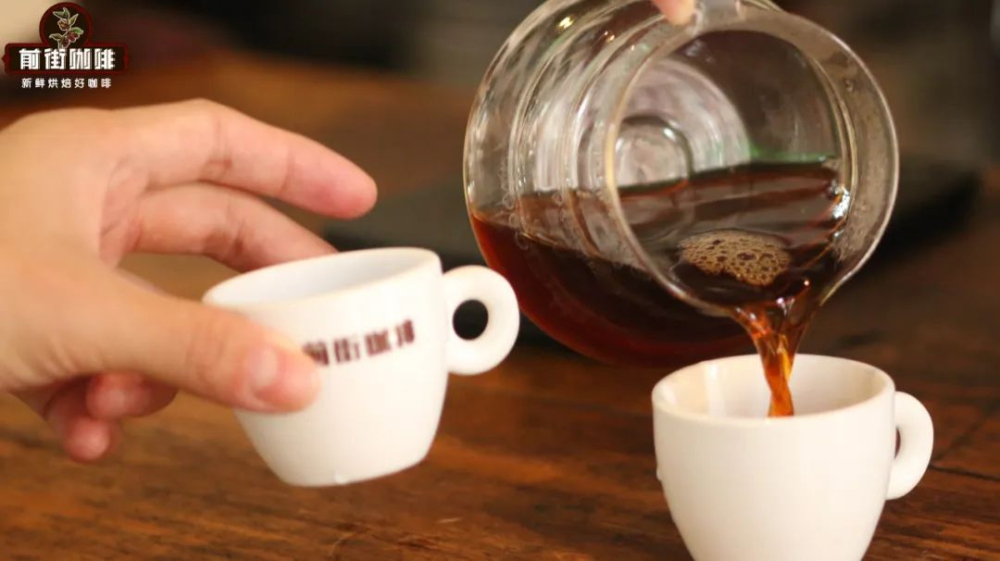
Under what circumstances is under-extraction likely to occur?
When we clearly perceive that coffee is under-extracted, the first things that usually come to mind are problems such as the grind being too coarse, the water temperature being too low, the coffee-to-water ratio being too high, and the contact time between grounds and water being too short—all leading to low flavor concentration in the coffee. In fact, high concentration is also one of the signs of under-extraction. For example, some people habitually use less water to brew more coffee grounds, extracting only the flavors of the first half while the flavors of the second half remain in the grounds; combined with higher concentration, the result is often both strong and sour on the palate.
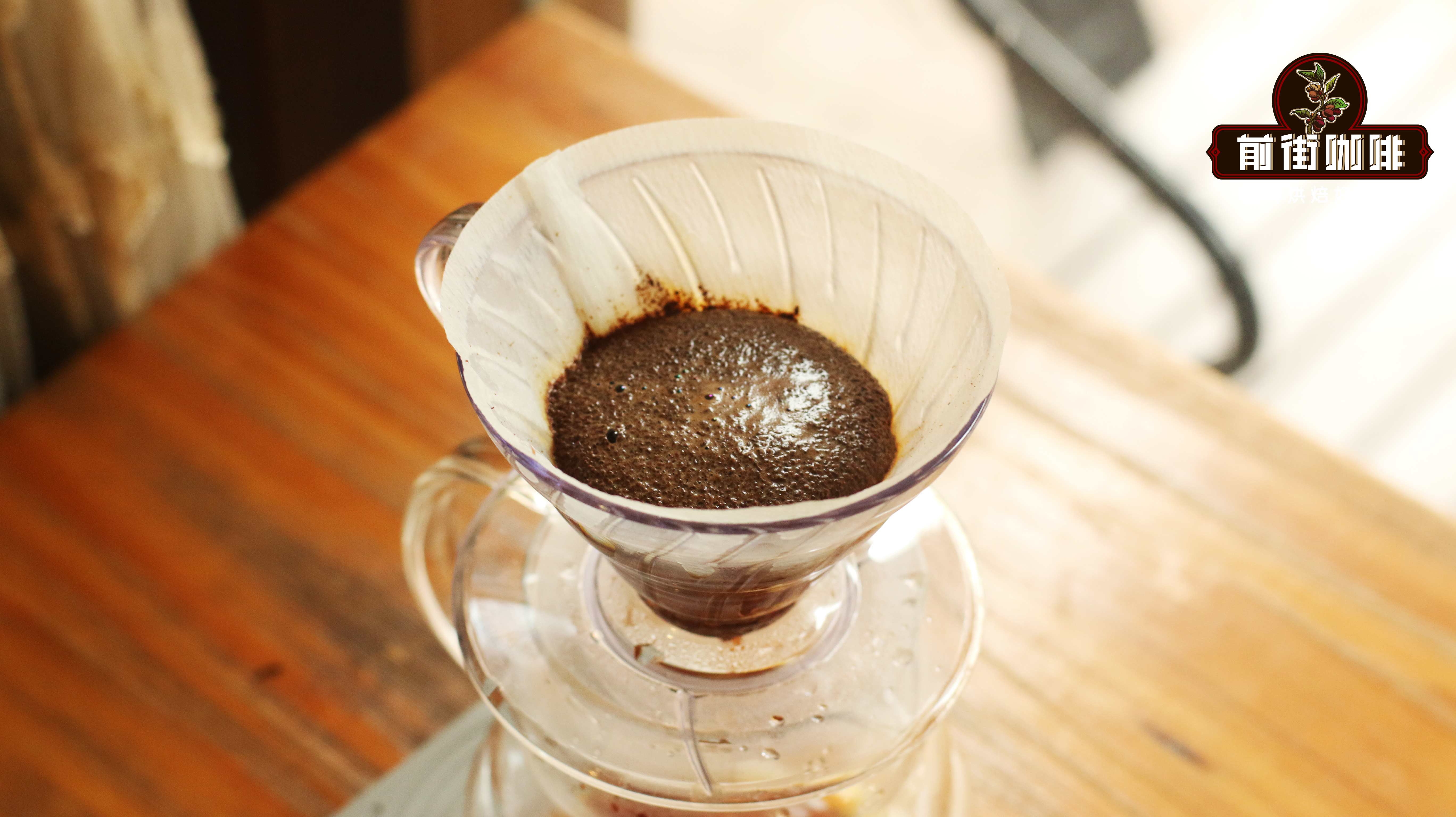
When channeling occurs in the coffee bed during pour-over brewing—that is, when the water level is too high during pouring and breaks through the coffee bed wall or overflows the bed—water flows away along the ribs of the dripper. The coffee liquid that falls into the server this way is, of course, under-extracted. The blooming stage is meant to prepare the coffee for flavor extraction. Therefore, uneven pouring during blooming can easily cause coffee grounds in different areas to dissolve at different rates, and unwetted particles need more time to fully release their flavors.
Over-extraction: How to Identify It?
Over-extraction occurs because too much coffee material is extracted, causing some less pleasant bitterness to also be extracted into the coffee. For example, the astringent bitterness that appears due to too fine a grind or too long a steeping time is not just bitter—it gives the entire mouth a rough sensation. This is because over-extracted coffee contains more polyphenolic substances, which bind with proteins in saliva to create a rough mouthfeel. Water that is too hot easily gives coffee a burnt bitter taste; this bitterness is very pungent and lingers in the mouth for a long time. Based on Front Street Coffee's experience, when this kind of taste appears, it is most likely caused by too many fines or too thin a stream of water leading to the coffee steeping too long, or by water temperature being too high. The solution is to coarsen the grind or lower the water temperature.
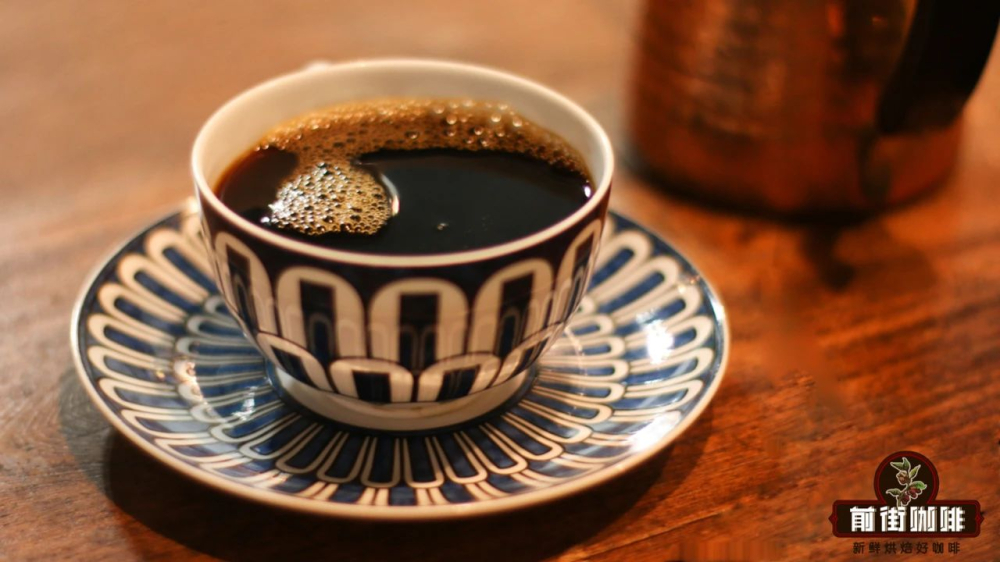
Of course, under normal circumstances, properly extracted coffee will exhibit fruit-like acidity—for example, the lively acidity of lemon and citrus, or fruit notes with balanced sweet-and-sour like strawberry and plum. Then there is a full sweetness, like honey or fructose. Moderate concentration expresses clear flavors and rich layers. And a lasting aftertaste, generally expressed as light floral notes and a tea-like sensation.
The above content is compiled by CoffeeHunters, a coffee news website.


