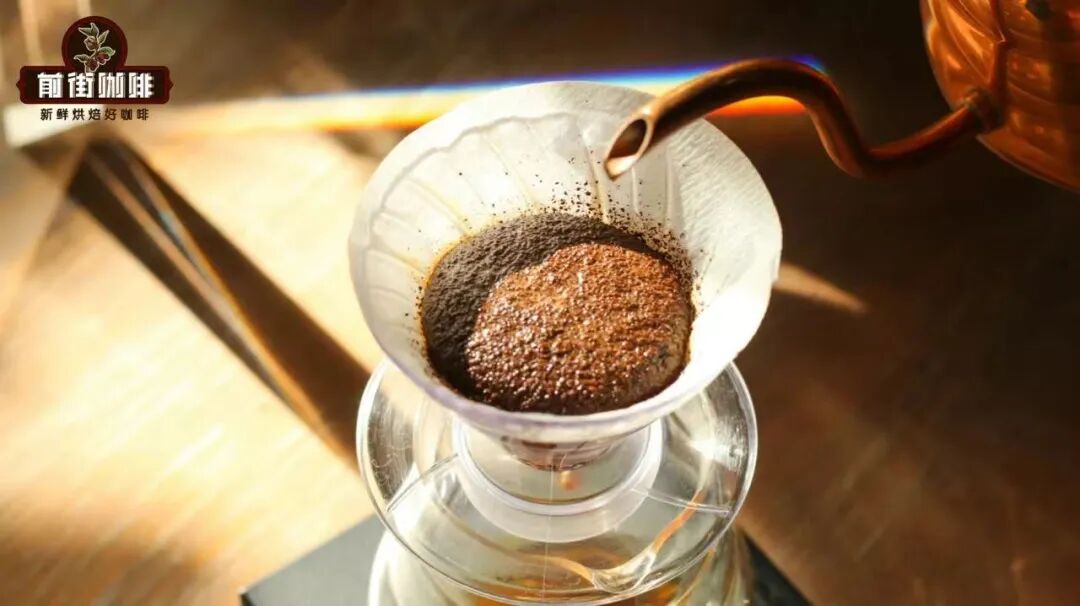
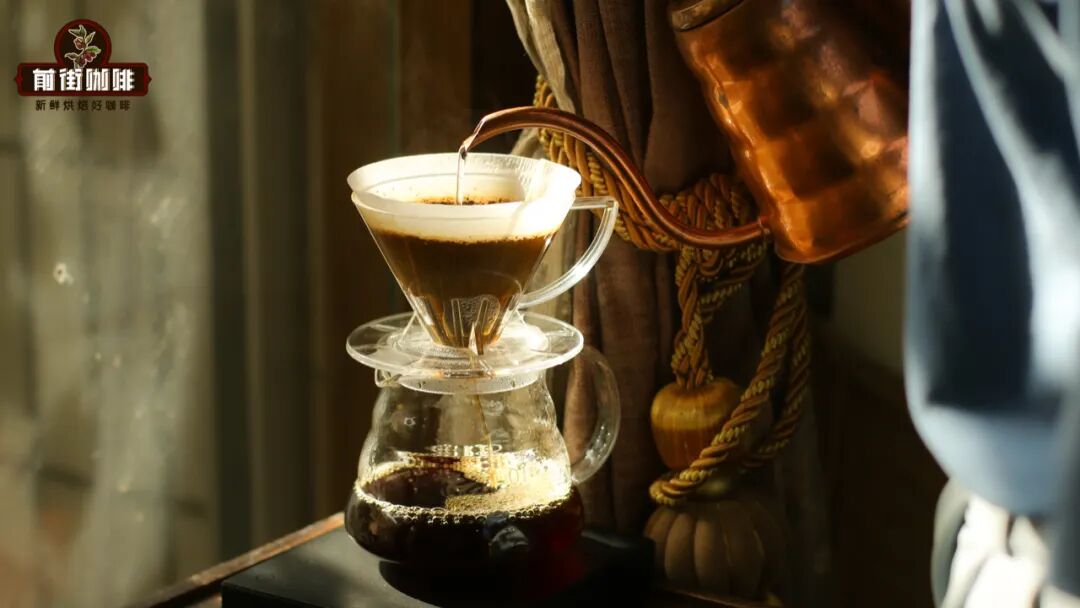
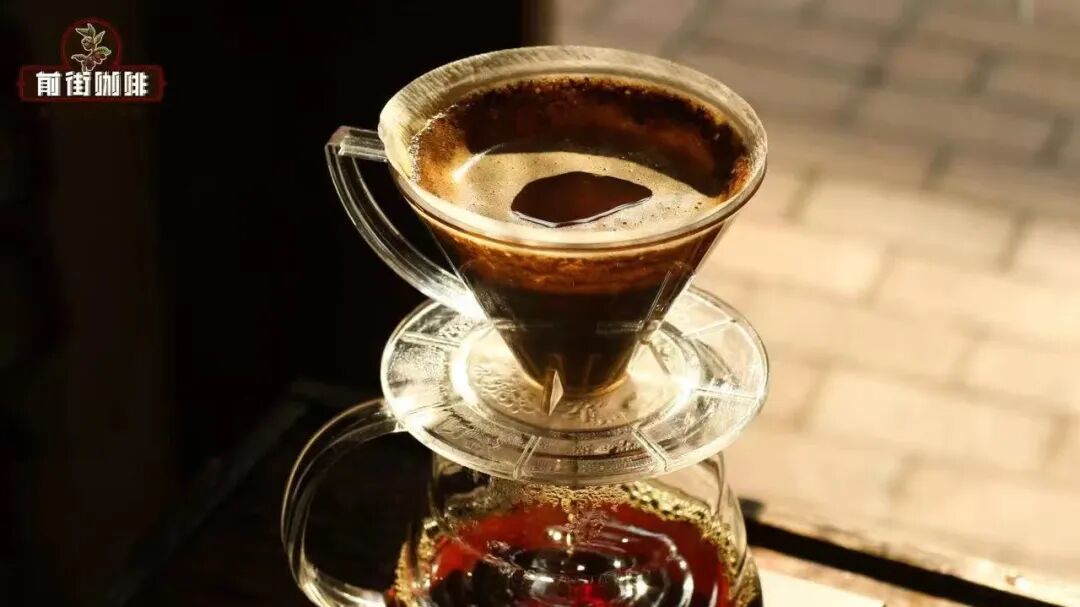
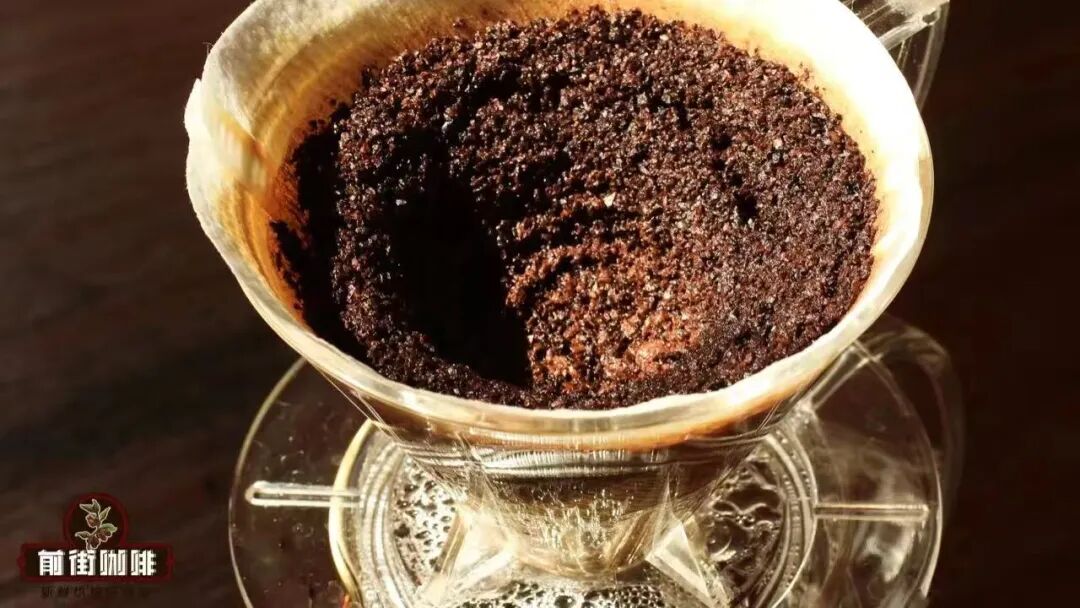
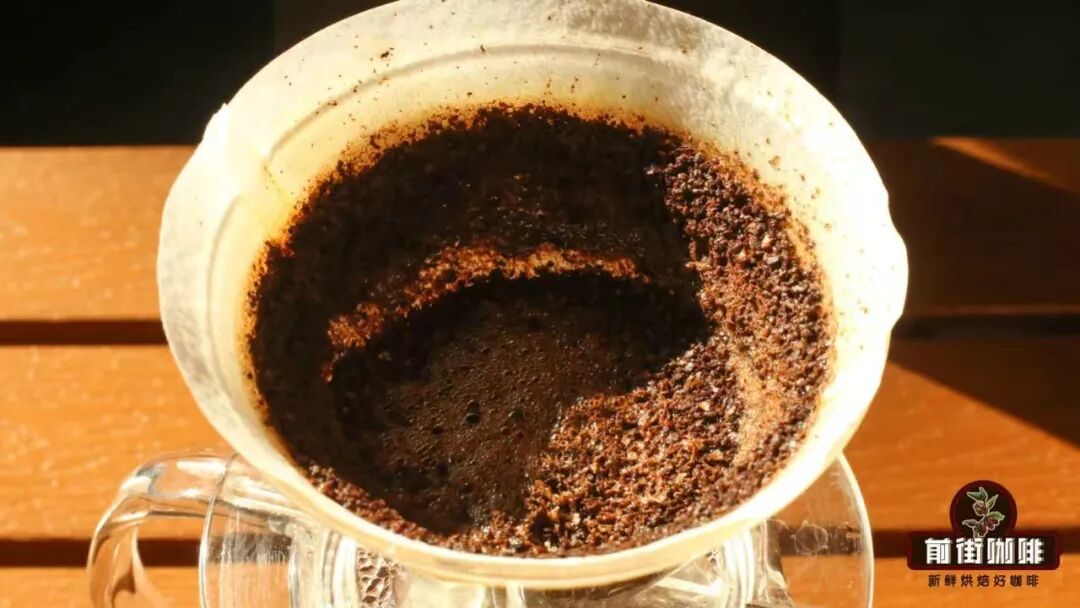
Yesterday, a friend chatted with Front Street Coffee about a rather interesting phenomenon: he noticed that most people, when brewing coffee, even during the waiting intervals when they’re not pouring water, still choose to stare intently at the changes in the dripper, as if trying to glean some information from the coffee bed.And you know what? There really is quite a bit of information you can glean from the dripper—and not just a little. For example, the freshness of the coffee beans, their density, the grind size, the pouring path and method, and so on and so forth. All of these can be read during the brewing process!So what Front Street Coffee wants to share today is what kinds of information we can read, and from which aspects, during the coffee brewing process.1. The Degree of Blooming During the Pre-infusionPre-infusion is a preparatory step included in most brewing methods, because it releases a large amount of carbon dioxide from the coffee grounds, allowing the hot water poured in afterward to better dissolve out the flavor compounds. During pre-infusion, the released carbon dioxide forms bubbles wrapped in water, and these bubbles push the coffee bed upward, creating a mound-like bloom.The size of the coffee bed’s bloom and its water retention can help us judge the freshness of the coffee, because both states mainly depend on the carbon dioxide content. When the carbon dioxide content is higher, the bloom mound will be larger, and vice versa; and because the bubbles create resistance that slows down the flow of water, when the carbon dioxide content is higher, its water retention effect will be stronger, and the coffee bed can remain moist for a long time. Conversely, when the carbon dioxide content is insufficient, the coffee bed will quickly dry out and collapse.So we can tell the freshness of a coffee bean from the size of the bloom and the degree of water retention during pre-infusion, becausethe fresher the coffee beans are, the more completely the carbon dioxide stored during roasting is retained, so the bloom during pre-infusion will naturally be relatively larger, and the water retention effect will be better.Dark-roasted coffee often blooms into a larger mound than light-roasted coffee, because carbon dioxide content is also linked to roast level. The darker the roast, the more carbon dioxide accumulates in the coffee beans. At the same time, the expansion rate of the beans will be greater, so the bloom mound will naturally be relatively larger.2. The Height of the Coffee BedRaising the coffee bed is a pouring technique we often use when brewing coffee! Specifically, this technique refers to increasing the pouring flow rate so that the water is poured faster than it drains, thereby raising the water level. Then the coffee grounds in the dripper can rise as a whole with the water level and finally distribute evenly around the dripper. The benefit of this technique is that it allows us to reduce bypass water while allowing the hot water to extract the coffee grounds more evenly.(For a detailed introduction, you can search for related past articles.)But not all coffee beds can be raised, because this is related to the quality of the coffee grounds. The lighter the roast or the higher the density of the coffee grounds, the heavier they are and the less able they are to be raised.So from whether the coffee bed can be raised, we can judge the approximate density of the beans and then find a corresponding extraction plan.
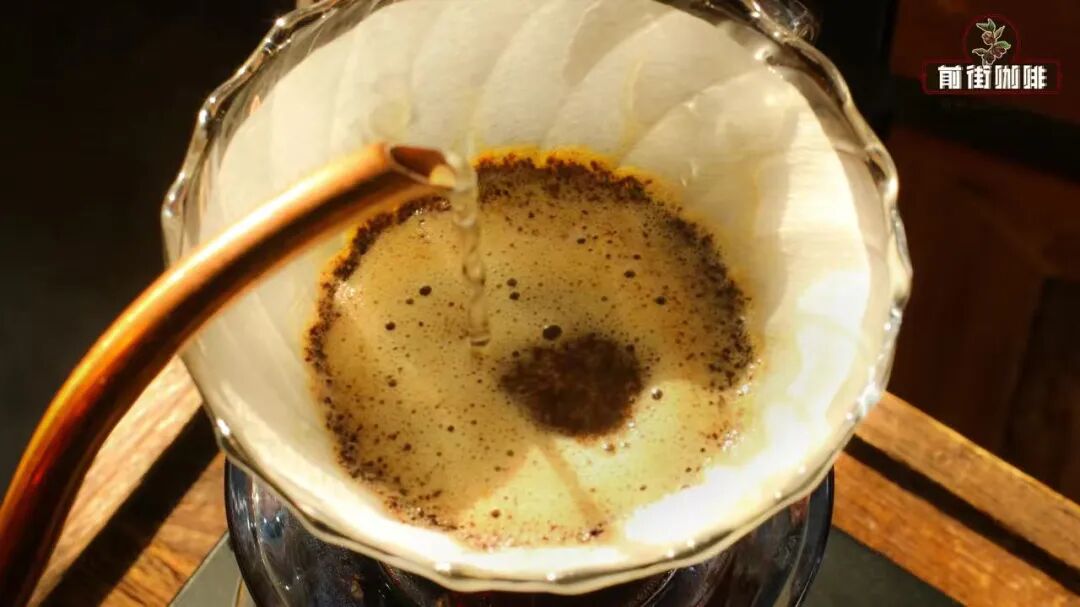
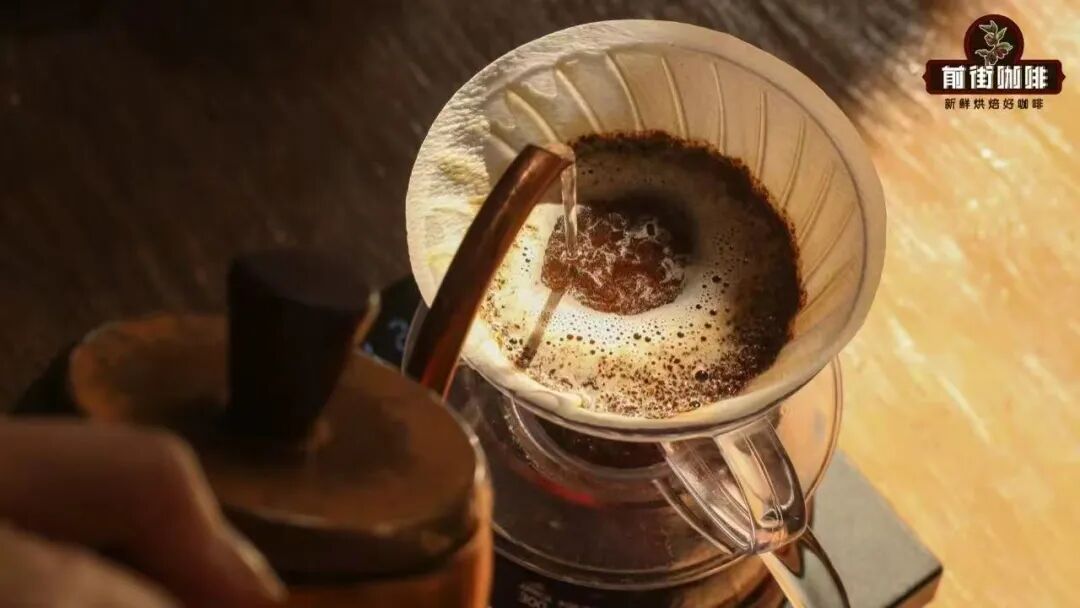
For example, when the coffee bed cannot be raised, if we don’t want too much bypass water to make the brewed coffee thin and tasteless, then we’d better appropriately reduce the flow so that the hot water can pass through the coffee grounds as much as possible to do its extraction job.During the coffee brewing process, many bubbles float on the surface of the coffee liquid. These are the bubbles formed by the carbon dioxide release that Front Street Coffee mentioned earlier. The color of these bubbles constantly changes as brewing progresses, from dark brown at the beginning to golden, then light yellow, and finally whitish. And it is from the color of these bubbles that we read information during brewing.This is because the color of these bubbles mainly comes from the coffee grounds; some extremely small and light coffee particles mix into the foam and give it color. During brewing, the hot water we pour washes these fine particles away from the foam, and without the fine particles, the color of the foam gradually fades.So when we see the color of certain bubbles gradually becoming lighter or even whitish, it means our pouring was concentrated in those places. In other words, from the color of the foam, we can see the pouring path.4. The Speed of the Water DrainingNext is the speed of the water draining. The speed of draining is affected by many factors, such as density, grind, dripper, and various other factors. But under normal circumstances,the speed of the water draining mainly depends on the grind size and the density of the coffee beans.When the water drains quickly, it usually means the coffee grounds are coarser, so the hot water has more room to flow and therefore drains faster; when the water drains slowly, it means the grind is finer or the density of the coffee grounds is higher, so after the coffee grounds settle, the gaps between them are smaller, there is not much room for water to flow, and the speed therefore decreases.Another reason for slow draining is too many fine particles, which clog the filter holes and slow the draining speed. But because there are too many factors affecting draining speed, this situation usually requires combining the fifth point to reach a conclusion.But what everyone needs to know is that we cannot directly tell whether a cup of coffee is delicious or not from the speed of the water draining. Because besides extraction time, many other factors affect coffee extraction~ So in the end we still have to combine it with taste before deciding whether the parameters need adjustment.5. The Shape of the Coffee Bed After BrewingFinally, the shape of the coffee bed after brewing! Many friends, when they first get into coffee, pursue a deep and even coffee bed after brewing, both because such a deep bed is even and symmetrical and looks pleasing, and because it is often said online that the appearance of this kind of deep bed means the coffee will taste good.But in reality, the formation of the coffee bed has no direct relationship with whether the coffee tastes good; it merely reflects our pouring method during brewing. For example, the technique of raising the coffee bed can contribute to the formation of a deep bed.Besides that, there are also many different types of coffee beds, because, as Front Street Coffee said, they reflect different pouring methods. For example, the appearance of a flat-bottomed bed means we did not use too strong a flow during brewing; a断层坑 means our flow was too strong, or too concentrated when pouring at a certain edge... Because there are too many types of coffee beds, Front Street Coffee won’t expand on them here. Those interested can move on to this article to learn more."The Complete Guide to Pour-over Coffee Beds"~That’s all for this article. If there are any other details worth paying attention to during brewing, everyone is welcome to leave a comment in the comment section and exchange ideas. The above content is compiled by CoffeeHunters, a coffee news website.