







How do coffee particles decide pour-over grind size?
Pour-over extraction hinges on the size of the coffee particles. Coarser particles slow extraction and lower yield; finer particles raise both, because a finer grind exposes more surface area to hot water. A grind is right when the flow is steady and the cup tastes balanced rather than sharp or hollow.
Roast level sets how much carbon dioxide remains in the beans, and that gas shapes coffee aroma and resists water during the first pour. To check grind at home, use a 0.85 mm No. 20 sieve or watch the flow rate. Medium-light single-origin beans and medium-dark beans call for different grind and water temperature pairings.
The grind size for pour-over coffee is one of the key variables that determines whether extraction succeeds or fails. The coarseness of the coffee particles not only affects how quickly hot water passes through the coffee bed, but also directly influences the release ratio of acidity, sweetness, and caramelized substances. Based on Front Street Coffee's practical experience, this article explains how grind size affects extraction, the relationship between roast level and carbon dioxide, and provides grind recommendations for medium-light and medium-dark single-origin beans, water temperature pairings, and how to use a 0.85mm No. 20 sieve or observe flow rate to judge whether the grind is appropriate, helping beginners build a reproducible approach to adjustments.
Many friends new to pour-over coffee come to FrontStreet Coffee with questions: How coarse should each type of bean be ground? How does grind size change the extraction result? And without professional equipment at home, how do you judge the coarseness of coffee grounds? In this article, Front Street Coffee will discuss the grind size for pour-over coffee.
How Grind Size Affects Coffee Extraction
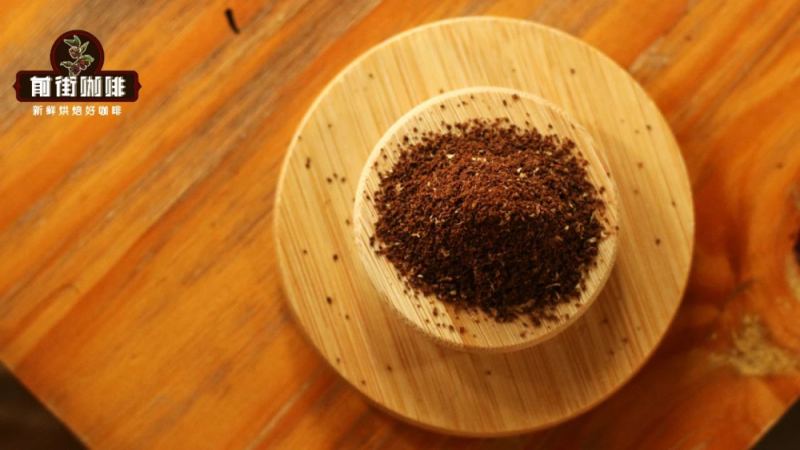
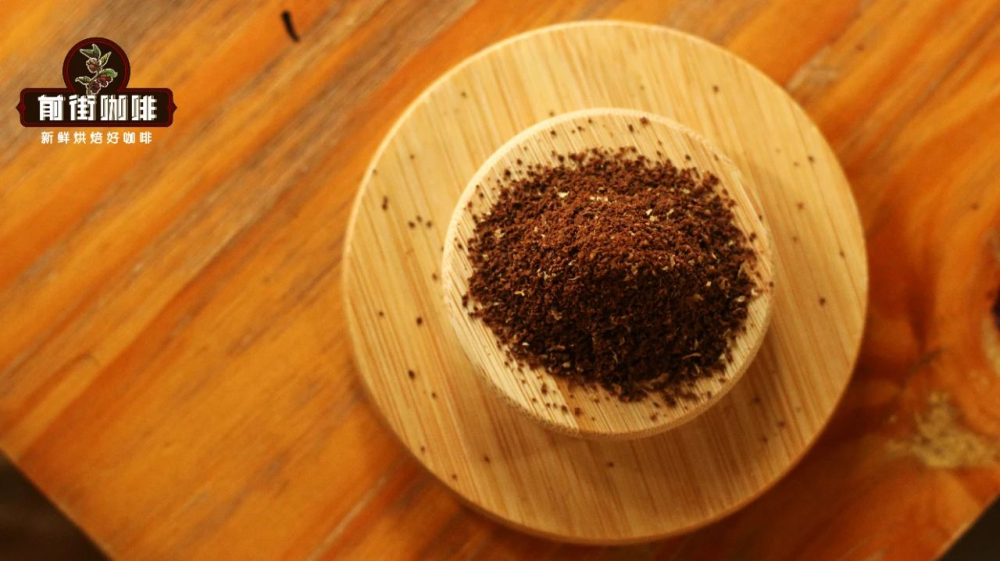
Grinding plays a crucial role in coffee, as the particle size directly determines how efficiently hot water infuses and extracts flavor compounds. In principle, the more concentrated and uniform the particle distribution, the more synchronized the overall extraction, and the cleaner the final flavor. When the grind becomes coarser, concentration and extraction yield decrease accordingly; when the grind becomes finer, both increase. Grind size refers not only to the shape and size of the crushed coffee but also to the total surface area. The finer the grind, the larger the surface area, the more area water can contact, and the more substances are dissolved. Conversely, an increased surface area (that is, in the direction of a coarser grind) can also provide more escape channels for carbon dioxide inside the beans.
Roasting and the Generation of Coffee Aroma and Carbon Dioxide
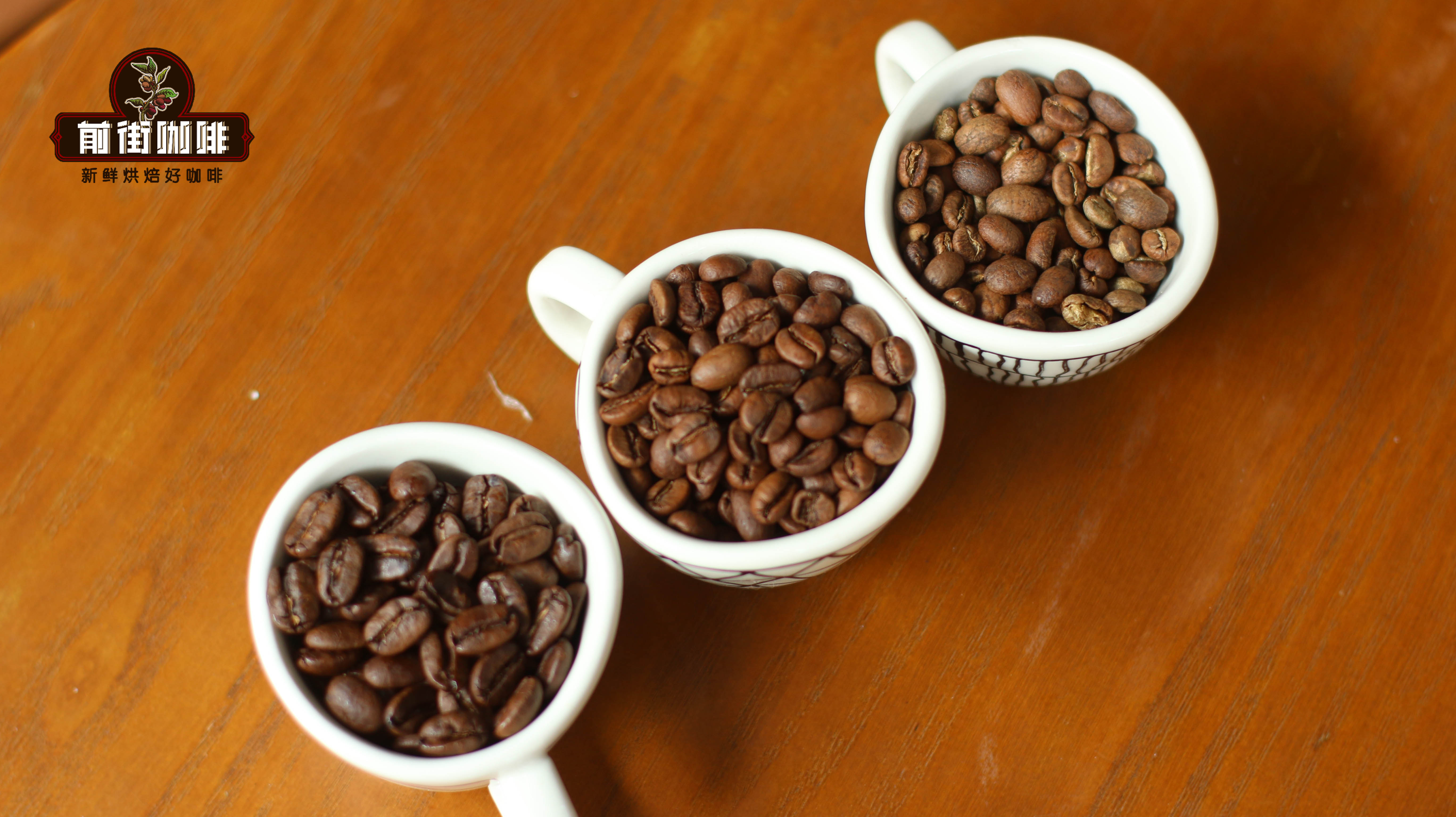
Roasting can fully awaken the aroma of coffee. The Maillard reaction refers to a series of degradation and polymerization processes between monosaccharide carbohydrates and amino acids, running throughout the entire roasting stage. Monosaccharides and amino acids react at different temperatures to produce various complex aromas; notes of nuts, almonds, butter, and chocolate originate from the Maillard reaction. Caramelization is the oxidation and browning of sugars under heat, bringing aromas like honey, maple syrup, and caramel. In summary, the longer the roasting time, the more acidic substances in the coffee beans volatilize. Using medium roast as a reference, lighter roasts have more prominent acidity, such as citrus and berry notes; darker roasts have more pronounced caramelized flavors, such as cocoa, caramel, and nut notes.
Besides imparting aroma to coffee, roasting also generates carbon dioxide inside the beans, and the darker the roast, the greater the carbon dioxide production. Therefore, to allow gases to escape more smoothly during brewing, Front Street recommends resting freshly roasted beans first after purchase. Resting means allowing the beans to release carbon dioxide on their own through the one-way valve on the packaging without opening it, which helps aromatic substances and oils integrate, bringing the aromatics inside the beans to a state where they are easily extracted. For FrontStreet Coffee's medium-light roasted beans, resting is recommended for 3-4 days from the roast date; for medium-dark roasted beans, 5-6 days from the roast date is recommended.
How to Determine the Grind Size for Coffee Beans?
Taking FrontStreet Coffee's freshly roasted beans as an example, pour-over single-origin coffee beans can be divided into two categories: medium-light roast and medium-dark roast.
FrontStreet Coffee medium-light roasted beans: These beans typically have prominent acidity, while caramelized substances are not easily dissolved. Front Street recommends a medium-fine grind (80% passing through a 0.85mm No. 20 sieve, roughly the texture of fine granulated sugar). A medium-fine grind slows the speed at which water passes through the coffee bed, more fully extracting acidic substances, sweet substances, and caramelized substances, resulting in a more balanced flavor profile. For medium-fine grind, a brewing temperature of 90-91°C is recommended: too high a temperature over-extracts caramelized substances and causes bitterness, while too low a temperature under-extracts, bringing out only some acidity and sweetness, making the flavor seem flat.
FrontStreet Coffee medium-dark roasted beans: These beans generally have lower acidity and a prominent body, meaning they are richer in caramelized flavor substances. Front Street recommends a medium-coarse grind (70% passing through a 0.85mm No. 20 sieve, roughly the texture of coarse granulated sugar). A medium-coarse grind speeds up the flow of water through the coffee bed, preventing over-extraction of caramelized substances, giving a sweet, rich flavor and mouthfeel without unpleasant bitterness. For medium-coarse grind, a brewing temperature of 86-88°C is recommended: too high a temperature results in bitterness that is hard to swallow, while too low a temperature makes it bland and flat.
How to Use the 0.85mm No. 20 Sieve?
Regarding grind size, Front Street determines it using the sieving method: referencing the Specialty Coffee Association of America (SCA) grind recommendations for pour-over coffee, combined with practical verification. If you don't have a sieve at home, FrontStreet Coffee recommends judging by observing the flow rate instead—a faster flow indicates the grind is too coarse, while a slower flow indicates the grind is too fine.
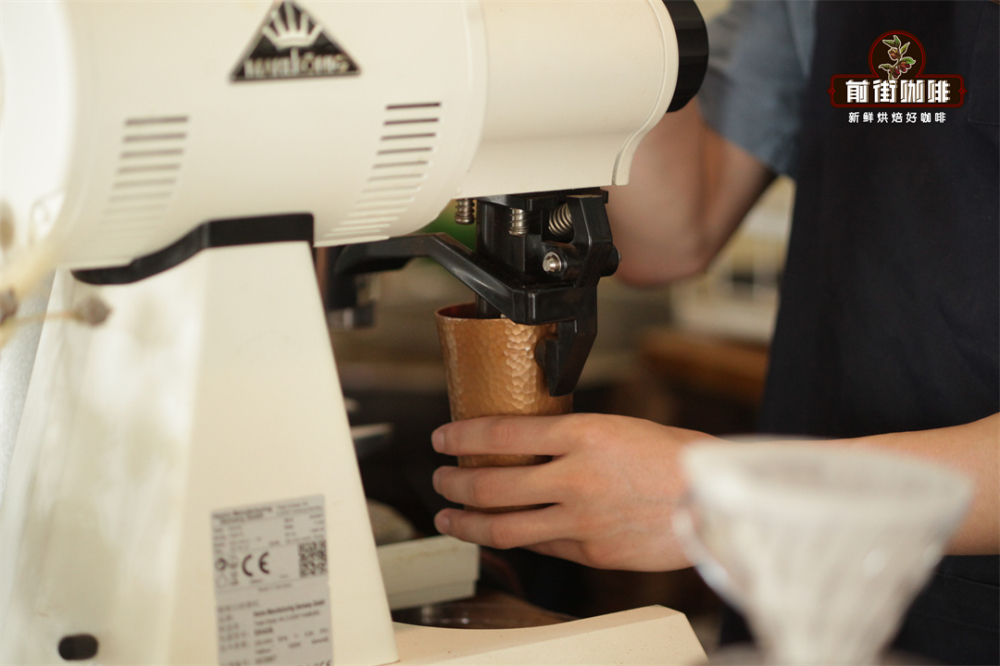
Specific steps: First, take 10g of coffee beans and grind them, initially setting a grind setting based on the texture of fine or coarse granulated sugar, then pour into the sieve, cover with the lid, and shake left and right to let the coffee grounds pass through the sieve into the receiving tray below, until no more grounds fall through to complete the sieving. Next, prepare a digital scale and container and tare it to zero, then pour the sieved coffee grounds in and weigh. A passing ratio of 80% indicates a medium-fine grind, while 70% indicates a medium-coarse grind. If the passing rate is too high, adjust the grind coarser; if the passing rate is too low, adjust the grind finer.
Why Grind Uniformity Matters
The particles after grinding need to be sufficiently uniform. After coffee beans are ground, the particle size distribution is closely related to the final quality. The more concentrated the particle sizes are within the target range, the more uniform the grind, and the easier it is to brew a good flavor. Too many coarse particles make it hard for the good flavors hidden inside the coffee to be released; too many fine particles tend to produce a messy, bitter taste. If the grind uniformity is seriously poor, Front Street recommends replacing your grinder.
Professional coffee knowledge exchange. For more coffee bean information, please follow Coffee Workshop (WeChat official account: cafe_style)
For more specialty coffee beans, please add the private WeChat of FrontStreet Coffee: kaixinguoguo0925
The above content is compiled by CoffeeHunters, a coffee news website.


