







Search Results for: hybrid extraction

How Do You Use the Switch Smart Mug? A Detailed Explanation of Tetsu Kasuya's New Hybrid Brewing Method and How It Differs from the 4:6 Method
Based on the original 4-6 brewing method, Tetsu Kasuya made new adjustments to the hybrid brewing method. By changing only two operational details, he significantly improved extraction stability and uniformity. The hybrid brewing method combines immersion and drip filtration, and requires a smart dripper with a valve to execute. This time, Front Street Coffee uses a Diamond Mountain bean from Hacienda La Esmeralda as an example, and demonstrates the complete process of the new hybrid brewing method with a Hario V60 smart dripper, including the coffee-to-water ratio, grind size, staged pouring, and water temperature control, to help you understand the logic behind this brewing approach and adjust it flexibly according to your own taste. [more…]

Pour-Over Coffee Brewing | What Is World Champion Tetsu Kasuya's Hybrid Brewing Method? How Can Coffee Beginners Use the Hybrid Brewing Method to Make Pour-Over Coffee?
"Absolutely delicious!" That's how Mr. Tetsu Kasuya introduced the coffee brewed with his improved hybrid brewing method at the beginning of one of his earlier videos. (Call me the screenshot master.) Front Street believes everyone is already familiar with Tetsu Kasuya. He is not only the champion of the 2016 World Brewers Cup, but also [more…]
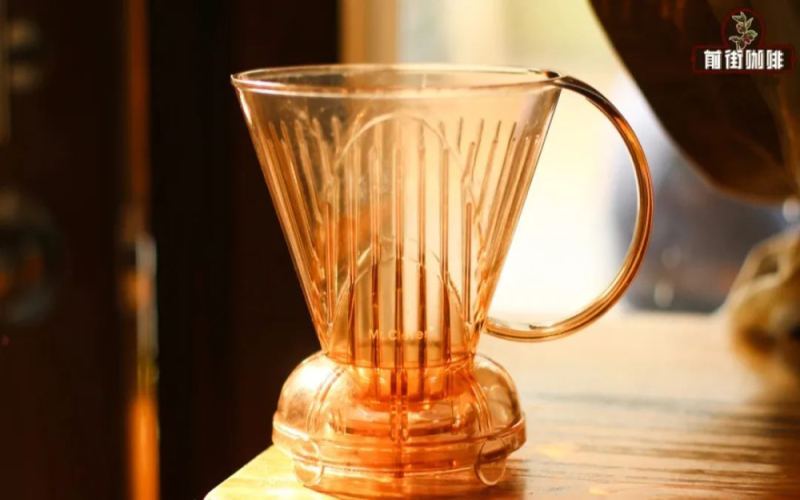
Smart Dripper Buying Guide: The Design Principles of the Clever Coffee Dripper and a Detailed Explanation of Three Brewing Modes
The Clever Dripper, with its unique piston valve design at the bottom, allows for free switching between immersion and drip filtration, and is hailed by many coffee enthusiasts as a "coffee marvel." In this article, Front Street Coffee will walk you through the Clever Dripper's construction and principles, and break down in detail its three extraction modes—immersion, drip filtration, and a hybrid of the two—explaining what scenarios each suits, along with their respective pros and cons. Whether you're a beginner just getting into pour-over or a seasoned player looking to explore more brewing methods, you'll find practical references here. [more…]

Complete Guide to Coffee Varieties and Flavor Comparison: From Typica and Bourbon to Geisha
The world of coffee varieties is intricate and diverse, with over 500 species of coffee trees globally and as many as 6,000 varieties. However, those with real commercial value and widespread cultivation are mainly concentrated in the two major systems: Arabica and Robusta. Front Street Coffee has systematically sorted out the origins, characteristics, and flavor profiles of major varieties and their mutations, from Typica and Bourbon to Geisha, while also introducing the cupping characteristics and brewing parameters of classic regional coffees such as Mandheling, Blue Mountain, and Kona. Through a combination of text and images, this article helps coffee enthusiasts build a clear understanding of the relationship between coffee varieties and taste. Whether you are a novice just starting out or a seasoned enthusiast, you will find practical reference information here. [more…]
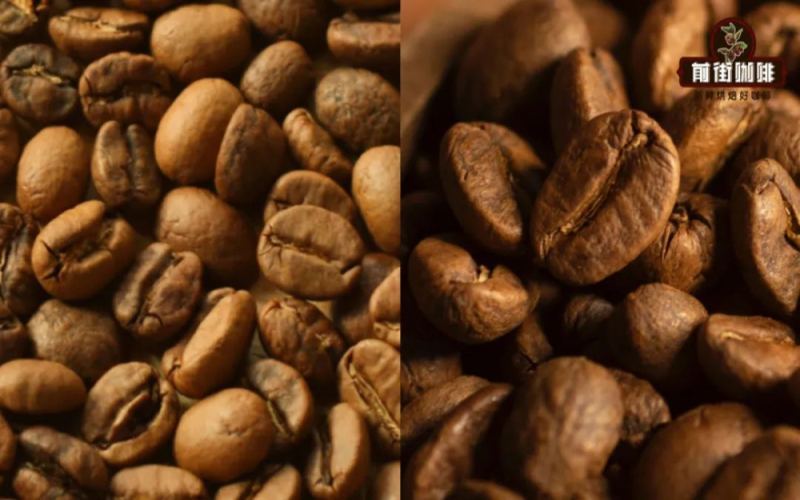
F1 and H1 in the Costa Rican Musician Series: The Origins and Flavor Profiles of Two Coffee Varieties
The Costa Rica Musician Series coffees have long attracted attention for their unique names and outstanding flavors, and among them the two variety designations F1 and H1 often leave enthusiasts puzzled. What exactly do they represent? Are they variety codes, hybrid combinations, or estate-internal breeding lines? This article will sort through these two alphanumeric combinations, explain what F1 and H1 mean within the coffee variety system, and, in conjunction with the relevant lots currently sold by Front Street Coffee, describe their typical performance in cupping and brewing recommendations. Whether you are new to the Musician Series or want to further understand the genetic background behind the varieties, you will find clear answers in this article. [more…]
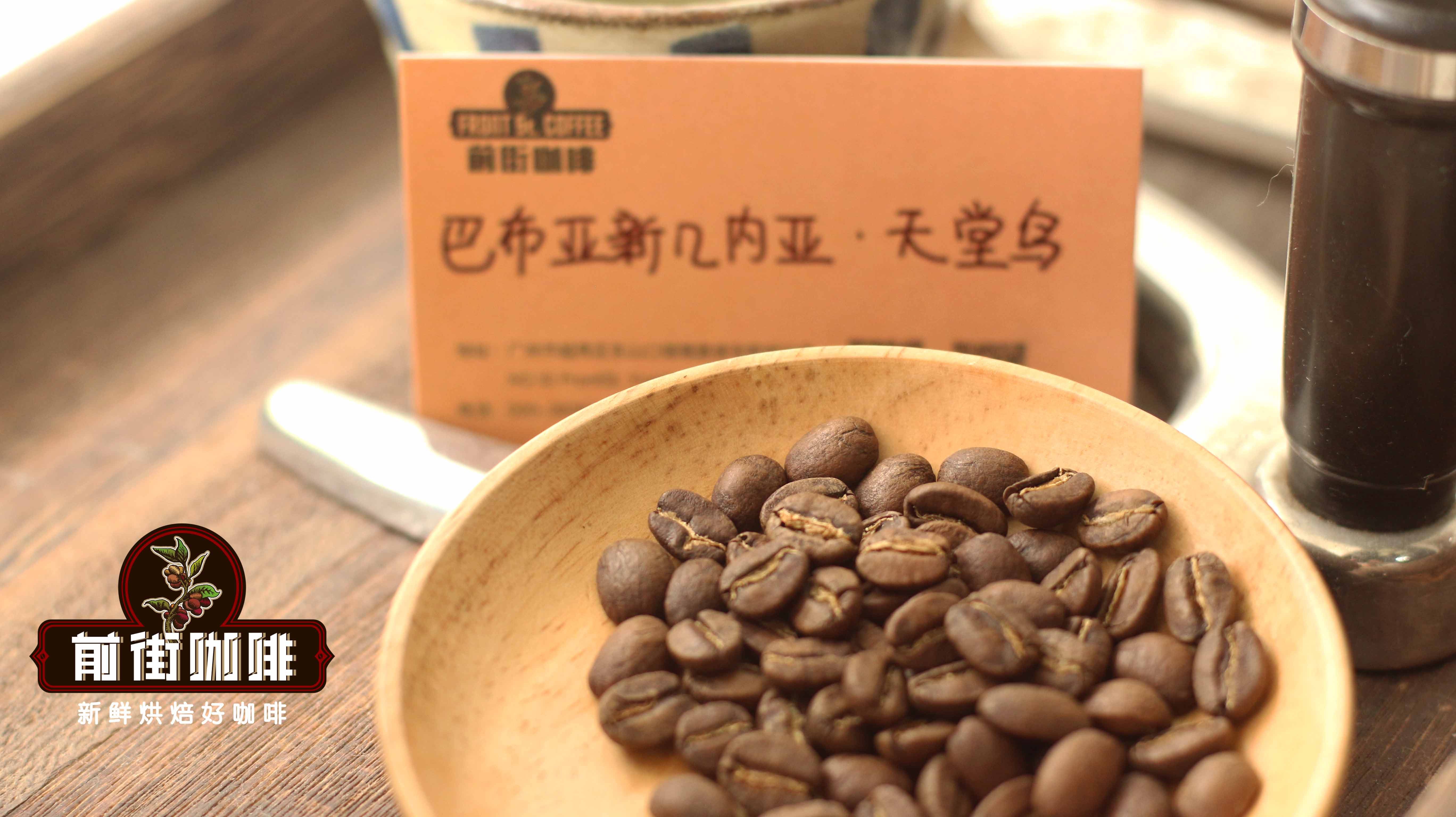
A Complete Global Guide to Coffee Varieties: Flavors, Characteristics, and Processing Methods from Arabica to Robusta
The coffee world is far more diverse than one might imagine. From a biological perspective, coffee is mainly divided into three major categories: Arabica, Robusta, and Liberica, with the first two accounting for the vast majority of global production. Arabica is known for its balanced flavor and elegant aroma, and is often used for single-origin and specialty coffee; Robusta, with its strong acidity and rich body, is an important ingredient in espresso blends and instant coffee. Beneath this, varieties such as Typica, Bourbon, Caturra, and Geisha each have their own characteristics, with flavors ranging from nutty chocolate to floral and fruity notes. In addition, green bean processing methods such as natural, washed, honey, and wet-hulled also profoundly affect the final acidity, sweetness, and body of a cup of coffee. This article will systematically sort out the origins, characteristics, and flavor expressions of the world's major coffee varieties, helping coffee enthusiasts build a complete framework of variety knowledge. [more…]
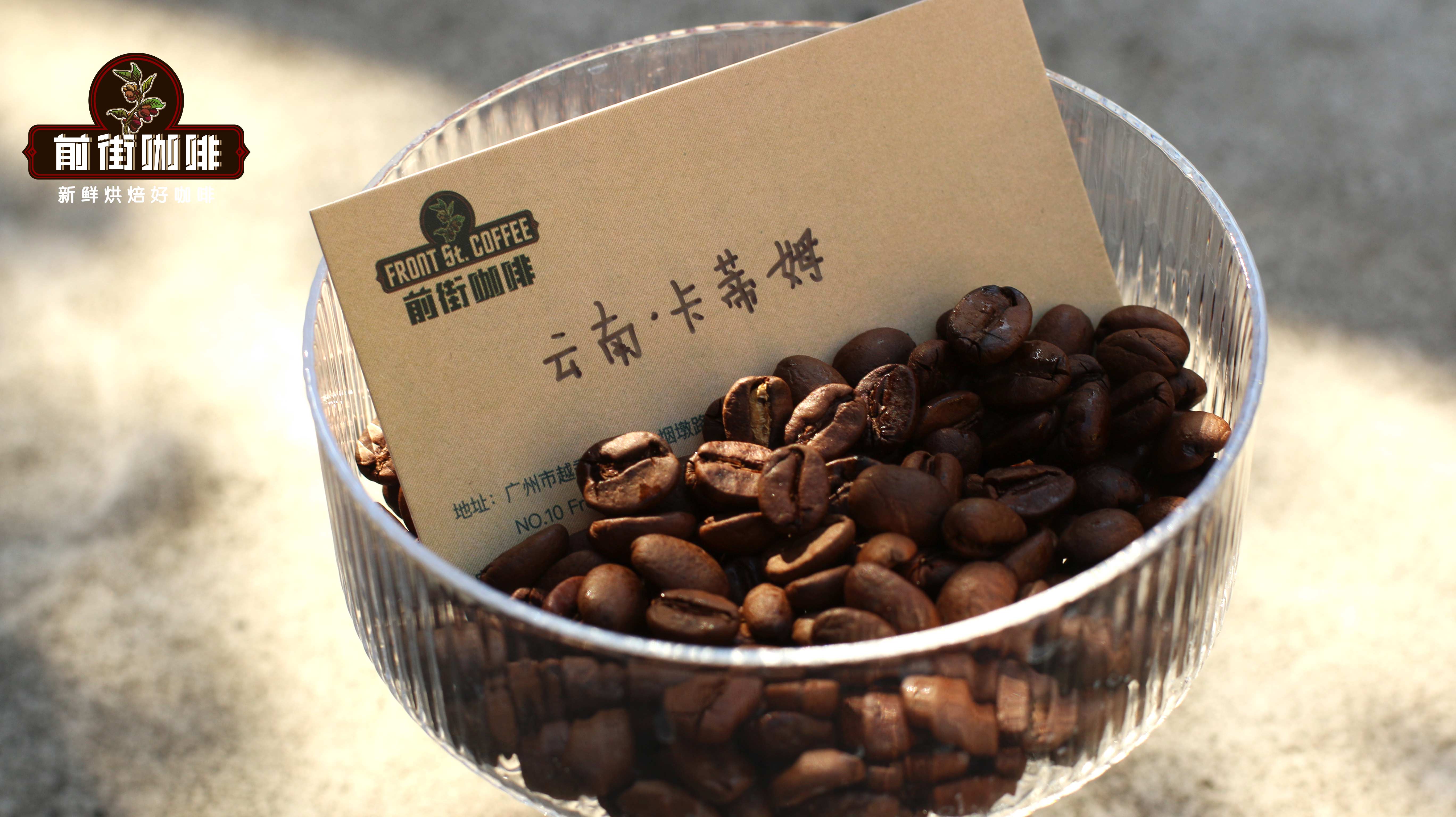
A Comprehensive Analysis of the Catimor Coffee Variety: From Its Portuguese Hybrid Origins to the Flavor Characteristics of the Baoshan Region in Yunnan
Catimor is a coffee variety bred by crossing Caturra and Timor. After its birth in Portugal in 1959, it was successively introduced and planted in production regions such as Colombia, Indonesia, and Yunnan, China. It carries 25% Robusta lineage; in terms of flavor, its aroma is relatively weak and its bitterness is pronounced, but it performs excellently in disease resistance and yield. This article will review the spread of Catimor across major production regions, focus on the flavor characteristics of Baoshan Catimor in Yunnan, and include Front Street Coffee's pour-over brewing parameters and suggestions. [more…]
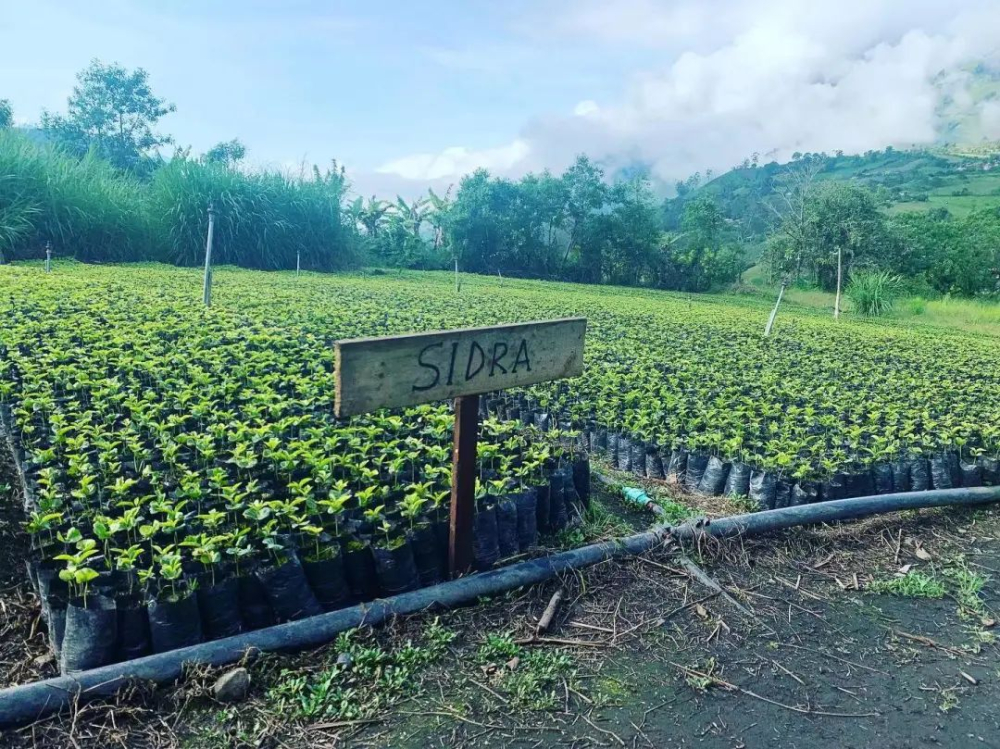
Colombian Sidra Coffee Beans | Flavor Characteristics of Anaerobic Fermentation Sun-Dried Sidra Coffee Beans and Introduction to the Sidra Coffee Variety
"Variety" is another consideration some friends use when selecting coffee beans, in addition to flavor and origin. Sidra, transliterated from "Sidra," also known as "Sydra" or "Bourbon Sidra." In Spanish, Sidra means "apple juice." [more…]
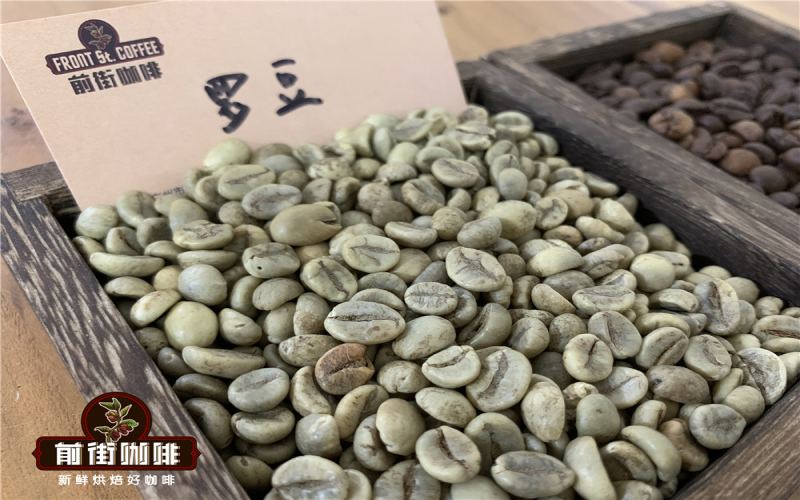
An Analysis of Robusta Coffee Bean Derivative Varieties and Cultivation Advantages: The Complete Lineage from Canephora to Tim Tim
In the world of coffee, Robusta, though less favored than Arabica, occupies a market share that cannot be ignored thanks to its tenacious vitality and unique flavor. This article will systematically sort out Robusta's botanical classification—it belongs to the Canephora species, from which hybrid varieties such as Tim and Catimor are derived; at the same time, it will deeply analyze its cultivation advantages of tolerance to high temperatures, cold, drought, and humidity, as well as its commercial value of high caffeine content, pest resistance, high yield and fast ripening, and suitability for mechanized management. Of course, Robusta's bitter flavor profile and rubbery, earthy taste are also unavoidable drawbacks. Finally, Front Street will recommend a commercial blend containing 10% washed Robusta, taking you from an introduction to espresso to experience the rich charm of Robusta. [more…]
Flavor Analysis and Pour-Over Parameters of Panama Finca El Fuego Honey-Processed Catuai
What flavors does the honey-processed Catuai from Panama's Firestone Estate actually present? This article provides a complete analysis of this bean's characteristics, from its variety background and regional terroir to specific brewing methods. As a hybrid of Caturra and Mundo Novo, Catuai combines high yield with stress resistance, while Firestone Estate's honey processing gives it layers of lemon, orange, cranberry, and green tea. The article also records in detail Front Street Coffee's pour-over parameters: 15g of grounds, medium grind, V60 dripper, 88-89°C water temperature, a 1:15 water-to-coffee ratio, along with the complete operating procedure of staged pouring and a 2-minute extraction time, for coffee enthusiasts to reference and practice. [more…]
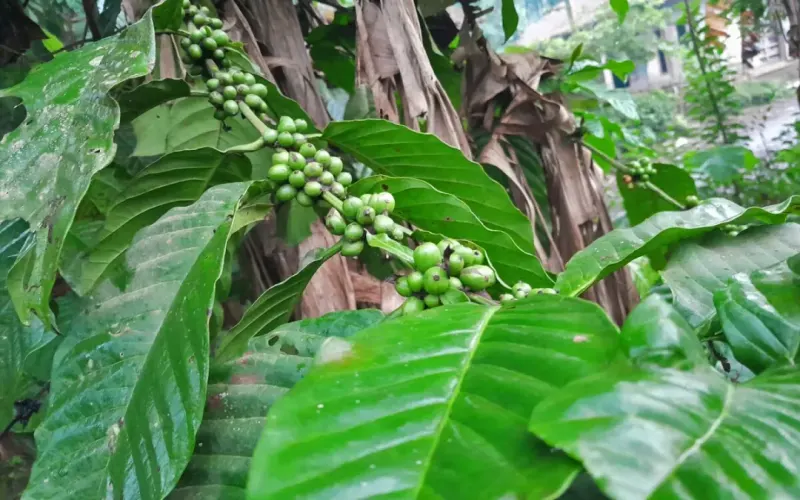
What Are the Flavor Differences Between Robusta and Arabica? An Analysis of the World's Premium Robusta Origins
Front Street Coffee is often asked: Why can Robusta be grown on a large scale in places like Vietnam? Don't all coffees require high altitude? What does it actually taste like? When Vietnamese coffee is brewed with Robusta, why doesn't it taste bad? In this article, Front Street Coffee will take a systematic look at Robusta coffee beans. From a botanical perspective, Robusta and Arabica differ significantly in growing conditions and resistance to disease and pests, and these differences directly affect the flavor in the cup. The article will also introduce Catimor, a hybrid of the two, and analyze how Vietnamese coffee is brewed, helping enthusiasts gain a comprehensive understanding of Robusta's value and characteristics. [more…]
Panama Finca La Mula Single-Origin Coffee Beans: Historical Origins, Terroir, and the Cultural Story of the Catuai Variety
Panama, as an important origin of specialty coffee globally, has many renowned estates in its western region near Costa Rica and the Pacific Ocean. The Boquete production area in Chiriquí Province is the most famous, while Volcán, Candela, and other places also produce high-quality coffee beans. This article begins with the geographical distribution and historical culture of Panamanian coffee, combines the cupping performance and brewing parameters of Front Street Coffee's Fuego Estate Honey-Processed Catuai, and outlines the hybrid origin and cultivation characteristics of the Catuai variety, taking you behind the story of Front Street Coffee's Panama Fuego Estate single-origin beans. [more…]
Red Bourbon vs Yellow Bourbon Flavor Comparison and the Rarity of Pink Bourbon: A Complete Guide to the Origins of Bourbon Coffee Varieties and Brewing Parameters
As the specialty coffee wave continues to heat up, various subspecies under the Arabica species have entered the public eye. Typica, Caturra, and Catuai each have their own characteristics, while the Bourbon line has further given rise to multiple branches such as Red Bourbon, Yellow Bourbon, and Pink Bourbon. From the perspective of Front Street Coffee, this article systematically sorts out the origins of Bourbon coffee beans, analyzes one by one the differences among Red Bourbon, Yellow Bourbon, and Pink Bourbon in fruit color, flavor performance, cultivation difficulty, and yield, and includes the roasting curves and pour-over brewing parameters for three representative beans—Front Street Brazil Cerrado, Brazil Queen Estate, and Colombia Isabella—to help coffee enthusiasts fully understand the charm of this ancient line. [more…]

A Complete Analysis of the Origin and Raisin Honey Processing Flavor Characteristics of Costa Rica Musician Series Bach Coffee Beans
The Bach coffee beans in Front Street Coffee's Musician series come from the Tarrazú region of Costa Rica and are processed using the raisin honey method, displaying rich fruity aromas of strawberry, blackberry, and raisin. The first sip is intensely sweet and tart, with a tipsy, red-wine-like bouquet in the middle and finish, while the candied sweetness and plum wine notes become even more pronounced as the cup cools. This article will explain in detail Bach's origin information, the process flow and flavor advantages of the raisin honey treatment, and introduce the processing methods and brewing suggestions for the Mozart and Strawberry Candy · Geisha blend in the same series. It will also analyze the H1 hybrid variety used in the 2020 new-crop Mozart and its anaerobic honey treatment characteristics. [more…]
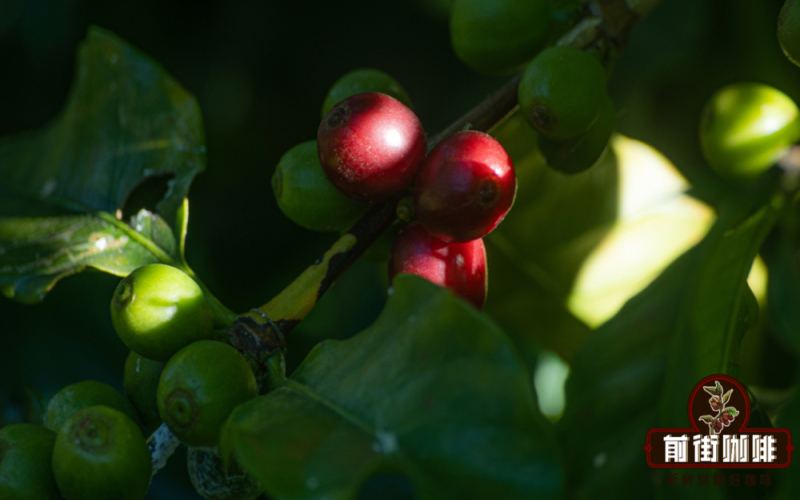
Golden Mandheling Buying Guide: Prices and Where to Buy — A Comprehensive Look from Origin and Variety to Brewing and Roasting
Golden Mandheling, as a representative specialty coffee from Sumatra, Indonesia, is favored by enthusiasts for its full body, low acidity, and caramel sweetness. However, there are many products on the market bearing the name "Golden Mandheling," and only those genuinely produced by PWN qualify as authentic. This article begins with the distribution of growing regions, the tracing of varieties, and the principles of the wet-hulling process, then provides a detailed analysis of the green bean characteristics, roasting curves, and pour-over parameters of Golden Mandheling, and recommends the PWN Golden Mandheling produced by Front Street Coffee—half a pound, 227 grams, for only 89 yuan, costing less than 6 yuan per cup, offering extremely high value for money and making it a conscientious choice for everyday drinking. [more…]
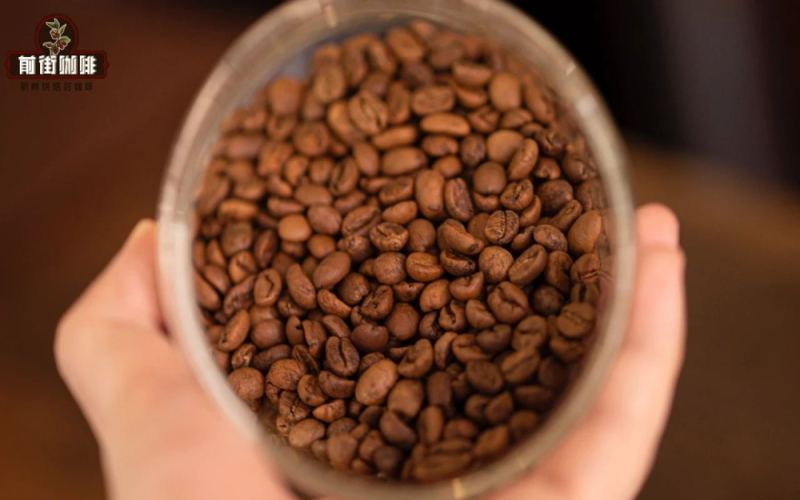
The Complete Guide to Giant Elephant Bean Coffee: Origins, Growing Conditions, and Flavor Brewing of the Maragogipe Variety
In the Arabica coffee family, there is a particularly large member—the Maragogype. Its scientific name is Maragogipe, and it was first discovered in Brazil in 1870. It was later recognized as a natural mutation of Typica, and its beans can be up to three times the size of ordinary Arabica beans. Due to high cultivation costs and difficult management, the producing areas of Maragogype are now mainly concentrated in a few Latin American countries. From the perspective of Front Street Coffee, this article will systematically introduce the variety origin of Maragogype, suitable growing regions, natural processing methods, roasting and brewing parameters, and its relationship with its hybrid descendant Pacamara, giving you a comprehensive understanding of this "giant" in the coffee world. [more…]
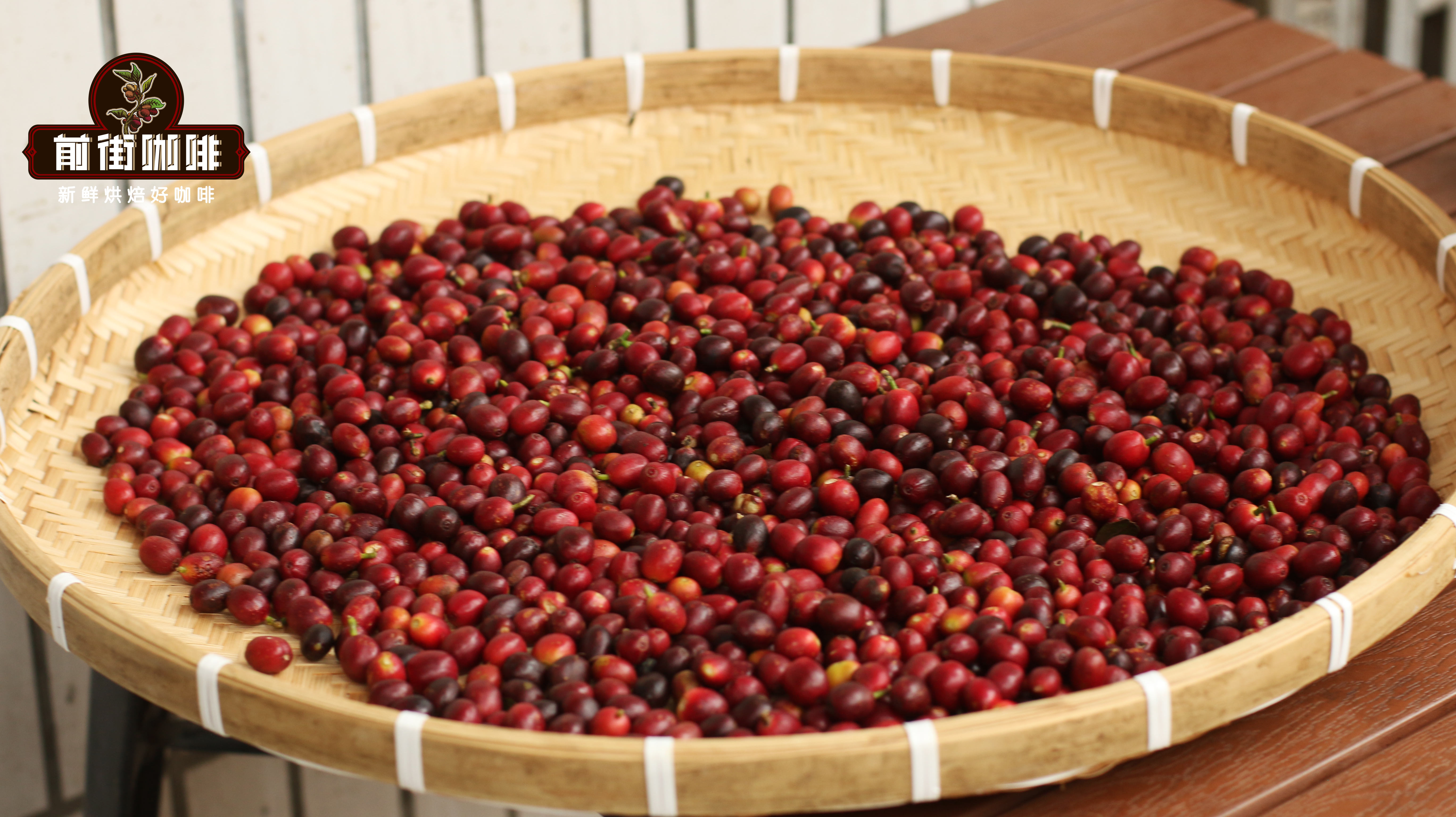
The Origin and Flavor Characteristics of Nicaragua Maragogype Elephant Bean and Front Street Coffee Roasting and Brewing Guide
In the Arabica family, there is a type of bean whose size far exceeds that of its peers, known as the giant elephant bean, with the scientific name Maragogype. It was first discovered in 1870 in Bahia, Brazil, and was later identified as a natural mutation of Typica, with the bean able to reach three times the size of ordinary Arabica. Due to high cultivation costs and difficult harvesting, elephant beans are scarce in yield and are currently mainly distributed in Brazil, Nicaragua, Mexico, Guatemala, and other places. Among them, the elephant beans produced by the Mama Mina estate under the Mierisch family in Nicaragua have outstanding flavor, with aromas of black berries, dark plums, and citrus peel, and a solid, silky mouthfeel. In this article, Front Street Coffee will guide you through the origin of elephant beans, their regional characteristics, sun-dried processing methods, and share specific roasting curves and brewing parameters, and finally compare them with their hybrid offspring Pacamara. [more…]
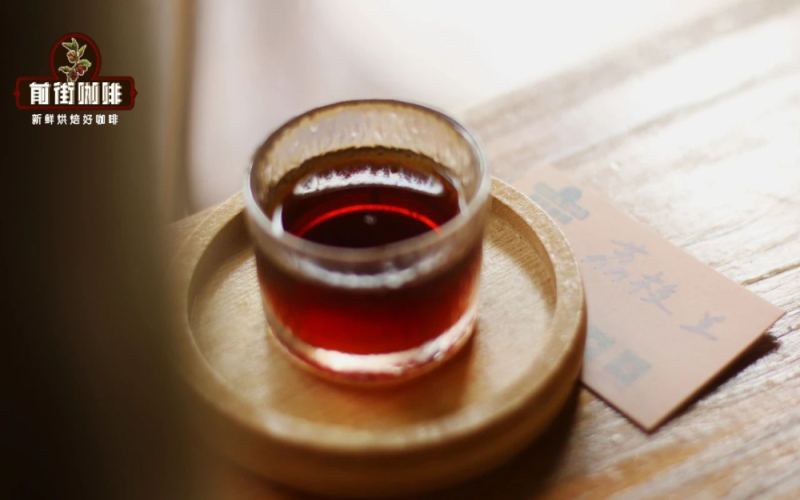
Typica vs Arabica: A Complete Analysis of Coffee Bean Variety Flavor and Mouthfeel Differences
The variety of coffee beans determines the basic direction of the flavor in the cup, and also affects the difficulty of cultivation and disease resistance. Within the large Arabica family, Typica and Bourbon are the two oldest foundations, from which many varieties such as Caturra, Catuaí, Mundo Novo, and Geisha have been derived. Front Street Coffee takes you through a systematic overview of the flavor characteristics and taste differences from heirloom varieties to popular varieties, and introduces the representative producing regions and product information of each variety one by one, helping you understand the flavor logic behind coffee varieties more clearly. [more…]
The Colombian Sidra Favored by WBC Champions: Variety Origins, Genetic Lineage, and Flavor & Brewing Analysis
In the past two years, a coffee variety called "Sidra" has rapidly risen to fame in the specialty coffee circle. Two WBC champions each won with Sidra lots from Colombia's Palma y El Tucán estate and Finca El Diviso, propelling this experimental variety—once relegated to the fields—onto the world stage. In Spanish, Sidra means apple juice or cider. It is generally considered a hybrid descendant of Typica and Red Bourbon, but WCR genetic identification shows it is closer to Ethiopian landraces, and its origins remain unclear to this day. In this article, Front Street Coffee will sort through Sidra's origin story, genetic research, plant characteristics, and flavor performance, and share a cupping experience and pour-over recommendations for Finca El Diviso's anaerobic natural Sidra, giving you a comprehensive understanding of this champion variety that combines floral aromatics with high-sweetness fruit notes. [more…]
Costa Rica Tarrazú Canet Estate Mozart Coffee Beans: H1 Variety and Raisin Honey Processing Explained
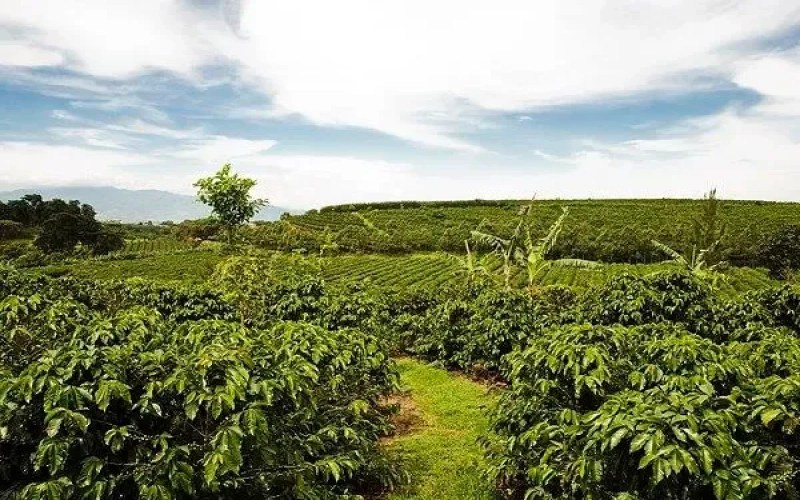
Costa Rica is an important member of the coffee landscape in Central America, and the Tarrazú region is its most representative star-producing area. This article starts with Costa Rica's coffee-growing environment and industry background, gradually focusing on Hacienda Canet within the Tarrazú region, and provides a detailed review of its geographical conditions, estate management methods, and the origin and characteristics of the H1 hybrid variety it cultivates. At the same time, using the Mozart coffee beans produced by Hacienda Canet as an example, it introduces their raisin honey processing method and brewing performance, and includes Front Street Coffee's brewing parameters and flavor description, providing coffee enthusiasts with a complete reference on origin and tasting. [more…]