








Which arabica bean varieties matter most in specialty coffee?
Coffee trees include over 500 species and as many as 6,000 varieties, but commercial cultivation centers on two: Arabica and Robusta. Arabica is used for single-origin and specialty coffee, while Robusta usually goes into instant coffee. Typica and Bourbon are the classic Arabica lines, and Geisha is a notable mutation with a distinct floral profile.
Two more species carry economic weight: Liberica and Excelsa. Liberica coffee history traces back to West Africa, and the plant is grown in parts of Southeast Asia. Roasters group varieties into Arabica, Robusta, and Liberica for practical purposes, though regional coffees such as Mandheling, Blue Mountain, and Kona each bring their own cupping character.
The world of coffee varieties is complex and diverse, with over 500 species of coffee trees globally and as many as 6,000 varieties, but those with real commercial value and widespread cultivation are mainly concentrated in the two major systems: Arabica and Robusta. Front Street Coffee has systematically sorted out the origins, characteristics, and flavor profiles of major varieties and their mutations, from Typica and Bourbon to Geisha, while also introducing the cupping characteristics and brewing parameters of classic regional coffees such as Mandheling, Blue Mountain, and Kona. Through text and images, this article helps coffee enthusiasts build a clear understanding of the relationship between coffee varieties and taste, whether you are a beginner or a seasoned enthusiast, you will find useful reference information here.
How many coffee bean varieties are there on the market? Which ones do we commonly encounter? Front Street Coffee has sorted and summarized this to help everyone better understand the basics of coffee. From the beginning, Front Street Coffee has aimed to present the truest essence of coffee through words and images. According to statistics, coffee trees encompass over 500 species, with as many as 6,000 varieties. Next, let's explore coffee varieties and common coffee mutations together.
Globally, there are four main coffee trees of significant economic importance, but only two are truly cultivated on a large commercial scale, and these two produce coffee beans of better quality than other coffee trees. They are Arabica and Robusta, with the other two being Liberica and Excelsa. Biologically, coffee varieties can be classified into three major categories: Arabica, Robusta, and Liberica.
Generally, Arabica is used for single-origin or specialty coffee, while Robusta is often processed into instant coffee. Although it is customary to position Arabica as high-quality coffee and Robusta as secondary, this division is not absolute; choosing based on personal flavor preferences is more reasonable. In terms of consumption habits, the United States and Japan tend to prefer light coffee brewed from Arabica, while Europeans favor espresso made from a blend of Arabica and Robusta.
Arabica: High-quality coffee beans with excellent aroma and flavor
Arabica is the earliest coffee variety discovered by humans, recognized as the highest quality among coffee varieties, and is currently the most widely cultivated in the world. It is produced in Central and South American countries, Brazil, Colombia, as well as Ethiopia, Tanzania, Yemen, and Indonesia in Africa. Arabica plants typically range from 2.5 to 4.5 meters in height, can tolerate low temperatures but not frost, and have weak drought resistance. Its beans are larger, of excellent quality, with a rich, aromatic taste, some acidity, and slight bitterness, accounting for about 85% of global coffee production.
Robusta: Prominent acidity, strong and intense taste
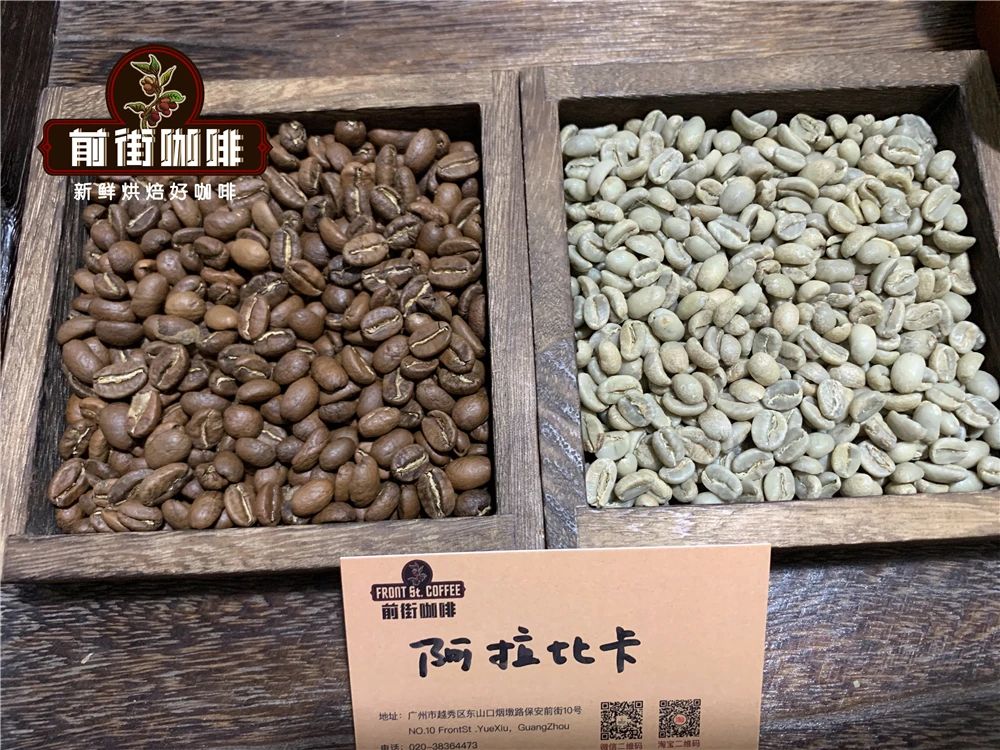
Due to differences in quality, the market price of Robusta coffee is about half that of Arabica. Indonesia's Java, Congo, Uganda, and Ivory Coast are currently the main production areas for Robusta. Robusta is easier to manage on farms, has higher yields, and stronger resistance to insect damage. Its beans are round and small, with a bitter taste, and can retain aroma even after cooling, accounting for about 15% of global production. Robusta green beans are plump and oval, with a light brown or yellowish-brown color with grassy green and yellow luster. Compared to Arabica, Robusta has a stronger but overall lighter aroma, less pronounced acidity, and heavier bitterness.
Liberica
Liberica was first discovered in Liberia, with long-shaped beans, larger in size, slightly pointed at both ends, shaped like a small boat. These coffee trees typically grow on slopes at around 200 meters above sea level, with strong disease resistance and environmental adaptability, but very low yields, often used for variety improvement. As a result, Liberica coffee trees can be grown in subtropical regions compared to other species. Its quality is lower, with strong acidity, higher bitterness in taste, insufficient aroma and body, but its high concentration is an advantage, accounting for about 5% of global production.
Excelsa
Excelsa was only discovered in 1904, native to the Chari River basin in Africa. The fruit is small, with high yield per plant, especially known for drought resistance. Its product has a strong aroma, slightly bitter, and is cultivated in small quantities.
Coffee Variety — Typica
Typica is a sub-variety of Arabica coffee, originally grown on Martinique. Currently, major cultivation areas include Central America, Jamaica, Hawaii's Kona region, Papua New Guinea, and East Timor. To obtain more yield from high-quality Typica, Typica coffee varieties usually need to be crossbred with other species. Typica coffee is known for its sweetness, and many of the world's top coffees come from the Typica variety series, including Blue Mountain, Sumatra, and Kona.
Typica green beans have slightly upturned ends, oval in shape, and appear flat and thin from the side. Even if the altitude of the growing region differs, the thickness difference on the side of the green beans is not significant.
Sumatra Mandheling
Indonesian coffee mainly comes from Sumatra, Java, and Sulawesi, with "Mandheling" from Sumatra being the most famous. Mandheling is also known as "Sumatra coffee"; the Lake Tawar production area in the north can be called Aceh coffee or Lake Tawar coffee, while coffee from the Lintong and Lake Toba areas can be called Mandheling.
Mandheling has a heavy taste, with rich body and vibrant liveliness, not astringent or sour, with body and bitterness fully expressed. Mandheling coffee beans have arguably the ugliest appearance, but coffee enthusiasts often say that the uglier the Sumatra coffee beans, the better, mellower, and smoother the taste.
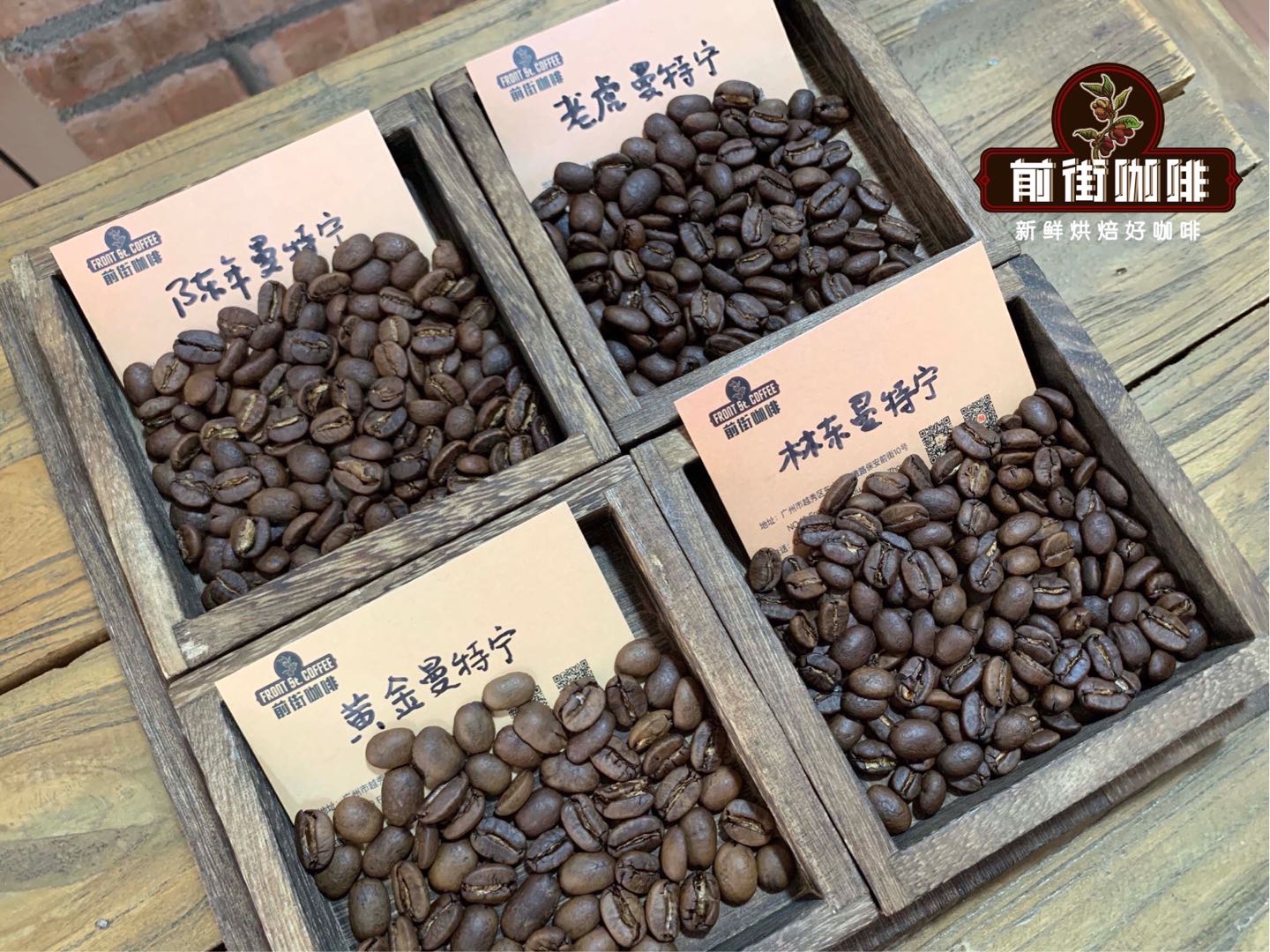
Here are four Mandheling coffees from Front Street Coffee: Lintong Mandheling, Golden Mandheling, Tiger Mandheling, and Aged Mandheling.
Lintong Mandheling
Indonesian coffee quality varies, but what is commonly called Mandheling refers to Typica or its mutations grown in the mountains around Lake Toba. Coffee gourmets worldwide have commented: "Sumatra Mandheling coffee has the best texture in the world." Mandheling coffee beans are larger and harder, and due to many defects, require strict screening during processing.
Mandheling coffee is an indispensable variety for blending, with a rich flavor, sweet aroma, pure bitterness, full body, and a hint of sweetness and slight acidity.
Golden Mandheling
Golden Mandheling comes from the Lintong region in northern Sumatra, Indonesia, and is a higher-grade Mandheling, using more refined processing methods. The coffee beans are all hand-picked, and Golden Mandheling 19 mesh undergoes four manual selections to remove defective beans, resulting in complete and uniform green beans.
Golden Mandheling has a sweeter and mellower flavor than regular Mandheling, with a heavy taste and high body; although bitter, the layers are complex and distinct, considered the world's most full-bodied coffee.
Front Street Coffee uses Golden Mandheling for brewing and tasting
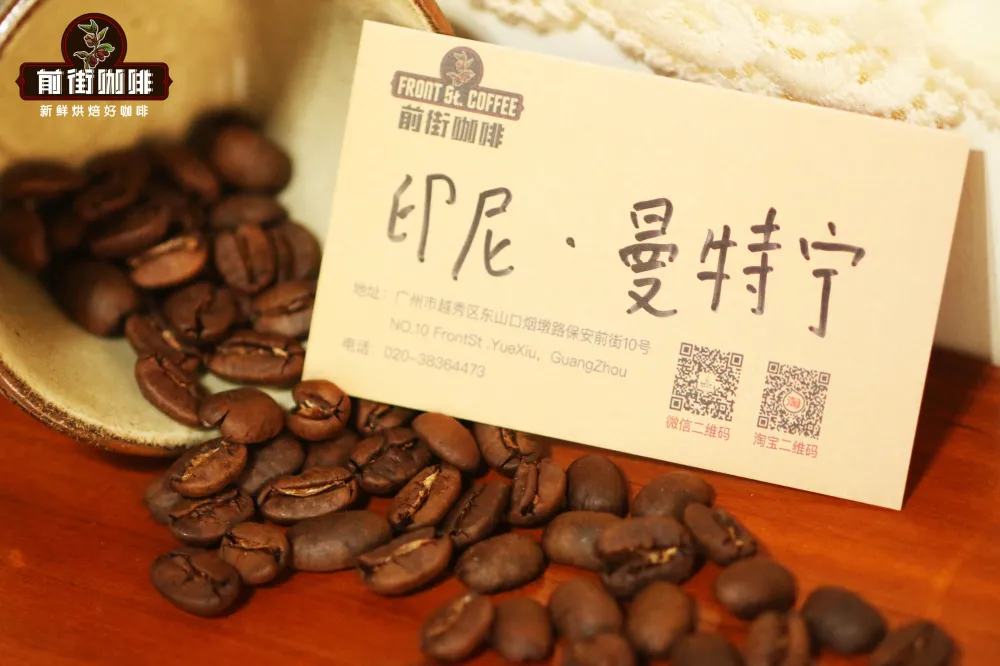
Indonesia · Golden Mandheling
Region: Sumatra Lake Tawar
Altitude: 1100m-1600m
Variety: Typica
Processing: Wet-hulled
Brewing Parameters:
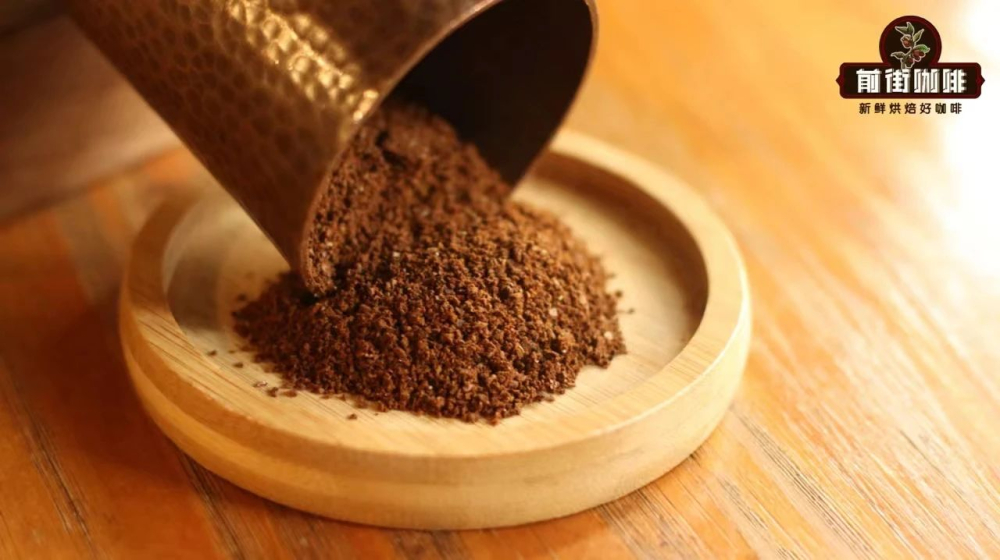
Dripper: KONO dripper (for a fuller body) Water temperature: 85-88°C (higher temperature, more bitterness) Dose: 15g Coffee-to-water ratio: 1:15 Grind: Medium grind
Brewing method: Pulse pouring. Bloom with 30g water for about 30 seconds, then pour 95g water in a slow stream in a circular motion from the center, i.e., pause at 125g, wait until the water level drops and is about to expose the coffee bed, then continue pouring to 225g to finish, remove the dripper when the water level drops and is about to expose the coffee bed, (start timing at bloom) extraction time is 2'00".
Brewing flavor: Complex layers, clean, balanced, with a long-lasting caramel sweetness in the finish. High sweetness, rich and full-bodied. Flavor notes: baked toast, pine, caramel, cocoa, with a slight herbal earthy note.
Tiger Mandheling
Indonesian Tiger Mandheling mainly consists of Caturra, Typica, and Sidikalong varieties; only Mandheling with a defect rate below 4% at 17 mesh or above can be called Tiger.
Tiger Mandheling has a relatively balanced taste and high cleanliness, with obvious cream, dark chocolate, and nutty flavors.
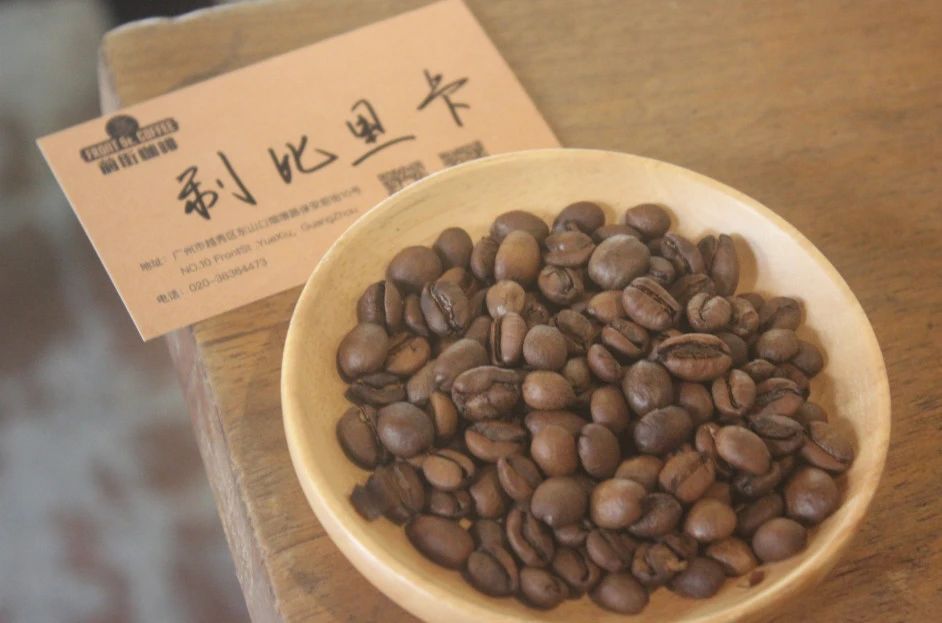
Aged Mandheling
The most famous aged Indonesian beans are Mandheling and Old Java Brown. So-called aged Mandheling is coffee that has undergone certain processing and long-term storage, during which the acidic and astringent components precipitate and convert to sugars, making the coffee smoother. Aged Mandheling has an excellent sweetness, best suited for single-origin or espresso.
The greatest commonality of the four Mandheling coffees introduced above is: the coffee beans use the wet-hulled processing method, which creates the unique Sumatra coffee flavor, with a full-bodied and intense taste.
Typica Mutation — Blue Mountain
Blue Mountain: Blue Mountain coffee beans are the most expensive coffee, with a clean and aromatic flavor, one of the sweetest coffees in the world. The history of Jamaican coffee can be traced back to the 18th century when the British introduced coffee trees to Jamaica and planted coffee in the Blue Mountains, which are further divided into high-altitude Jamaica Blue Mountain Coffee, Jamaica High Mountain Coffee, and Jamaica Coffee, with different grades determining different prices.
Jamaica Blue Mountain Coffee
Blue Mountain coffee and High Mountain coffee are each divided into four grades. From highest to lowest quality: NO.1, NO.2, NO.3, and PB, where PB is peaberry. According to CIB standards, only coffee grown above 666 meters altitude is called Jamaica Blue Mountain Coffee;
Jamaica — Blue Mountain No.1 Coffee Beans
Estate: Clifton Mount Estate
Altitude: 1310m
Variety: Typica
Processing: Washed
Brewing Parameters:
Dripper: KONO dripper Water temperature: 87-88°C Dose: 15g Coffee-to-water ratio: 1:15 Grind: Medium grind
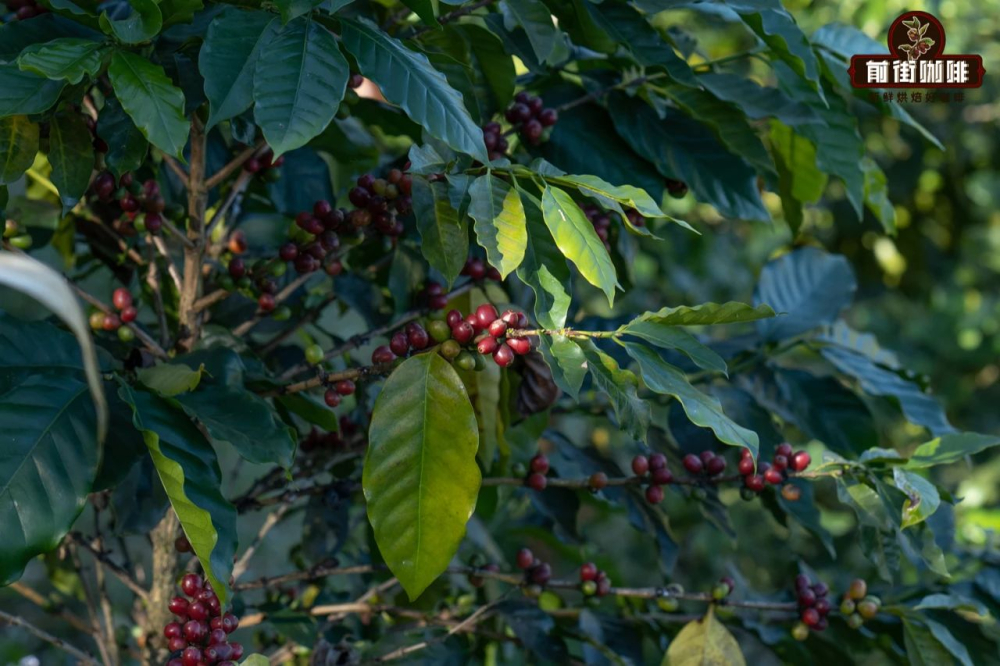
Brewing method:
Pulse pouring. Bloom with 30g water for about 30 seconds, then pour 95g water in a slow stream in a circular motion from the center, i.e., pause at 125g, wait until the water level drops and is about to expose the coffee bed, then continue pouring to 225g to finish, remove the dripper when the water level drops and is about to expose the coffee bed, (start timing at bloom) extraction time is 2'00".
Brewing flavor: Blue Mountain coffee has a balanced taste, with no single flavor dominating. It is precisely because of its full body, pleasant aroma, and long-lasting finish and sweetness.
Jamaica High Mountain Supreme Coffee Beans
Coffee produced below 666 meters in Jamaica's Blue Mountain region is called High Mountain Coffee, second only to Blue Mountain Coffee in quality, and is called the brother variety of Blue Mountain Coffee by industry insiders. Because Jamaica Blue Mountain Coffee has extremely low production, if you want to taste Jamaican-style coffee, Jamaica High Mountain Coffee is your best choice.
Jamaica Prime Coffee Beans
Coffee grown outside the Blue Mountain range is called Jamaica Coffee. Originally, Chinese coffee traders generally had a misconception that only coffee grown above 1800 meters in the Blue Mountain region could be called Blue Mountain Coffee. In fact, on the mountain crown above 1800 meters in the Blue Mountains, there is only one estate, Amber, owned by a person of Chinese descent surnamed Lyn (林), whose ancestral home is Guangdong, China. This estate has only 30 hectares of land and very low production. Blue Mountain coffee is mainly distributed in 5 mountain areas of the Blue Mountains: John Crow, St. John's Peak, Mossman's Peak, High Peak, and Blue Mountain Peak.
Typica Mutation — Hawaii Kona
Kona
The Kona region on the island of Hawaii, due to its superior geographical environment, not only ensures the quality of the coffee varieties grown but also gives the coffee a rich flavor with moderate citrus acidity, high but mild body, and a clean taste. Coffee grown in the Kona region is known as "the most beautiful coffee beans in the world."
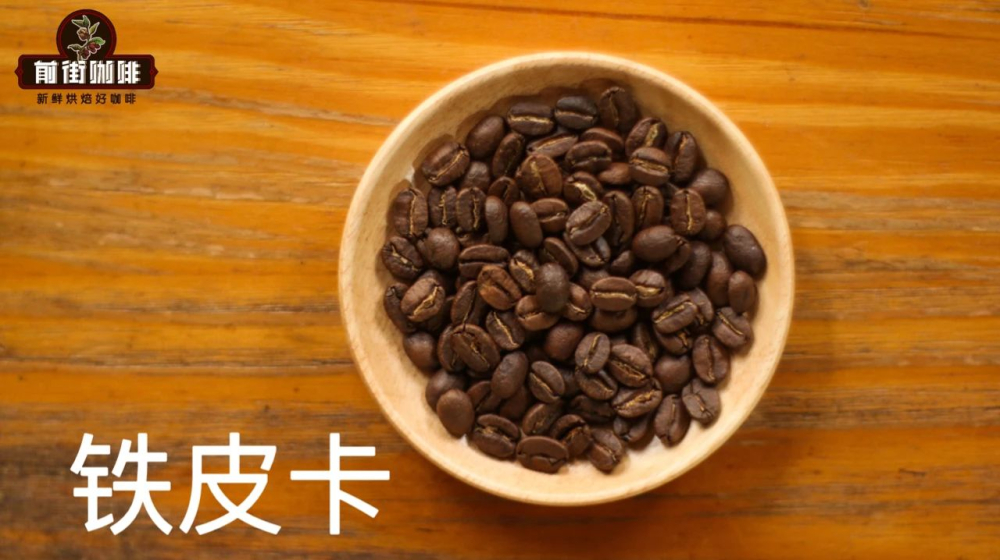
Hawaii Kona
Region: Kona region
Estate: Queen Estate
Altitude: 1100m
Variety: Typica
Processing: Washed
Brewing Parameters:
Dripper: KONO Water temperature: 87-88°C Dose: 15g Coffee-to-water ratio: 1:15 Grind: Medium grind Brewing method: Pulse pouring. Bloom with 30g water for about 30 seconds, then pour 95g water in a slow stream in a circular motion from the center, i.e., pause at 125g, wait until the water level drops and is about to expose the coffee bed, then continue pouring to 225g to finish, remove the dripper when the water level drops and is about to expose the coffee bed, (start timing at bloom) extraction time is 2'00".
Brewing flavor: Walnut, caramel, berry, plum, plum, nut, cream, overall relatively clean and rich in layers.
Typica Mutation — Maragogype
A mutant of Typica, with very large, long, somewhat twisted fruits, and plants with long internodes and large leaves. Yields are relatively low. It was first discovered in 1870 in the Maragogype bean-producing area of Bahia state in northeastern Brazil. The beans are at least three times larger than regular Arabica, hence the name. Maragogype has poor flavor at low altitudes but better flavor at high altitudes, with mild acidity and pleasant sweet aroma.
Typica Mutation — Pacamara
Pacamara
A hybrid of Pacas and Maragogype, with very large beans second only to Maragogype, an excellent variety developed in El Salvador in the 1950s, with good cupping results in recent years.
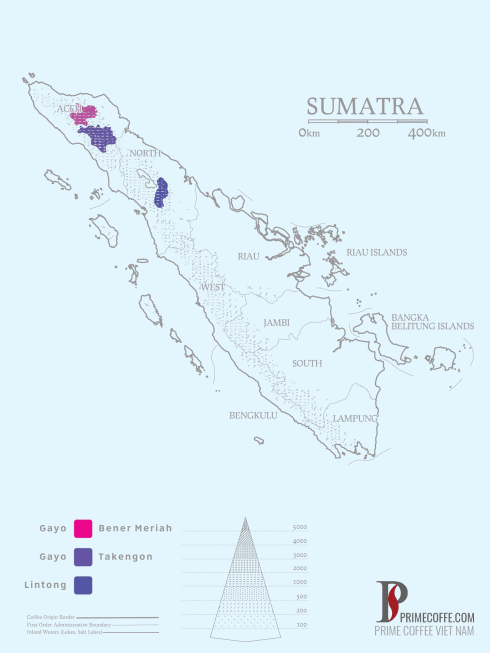
Guatemala — Finca El Bosque
Region: Huehuetenango
Estate: Finca El Bosque
Altitude: 1500m
Variety: Pacamara
Processing: Washed
Brewing Parameters:
Dripper: V60 Water temperature: 90-92°C Dose: 15g Coffee-to-water ratio: 1:15 Grind: Medium grind Brewing method: Pulse pouring. Bloom with 30g water for about 30 seconds, then pour 95g water in a slow stream in a circular motion from the center, i.e., pause at 125g, wait until the water level drops and is about to expose the coffee bed, then continue pouring to 225g to finish, remove the dripper when the water level drops and is about to expose the coffee bed, (start timing at bloom) extraction time is 2'00".
Brewing flavor: Noticeable and soft sweet-sour taste, with lemon, passion fruit, plum, and plum acidity, and a brown sugar finish.
Typica Mutation — Kent
Kent
A Typica hybrid variety discovered in India, with high yield and strong disease resistance, but has not achieved good results in cupping.
Bourbon Coffee — Bourbon Variety
Bourbon originated in Ethiopia as a natural mutation of Bourbon, first appearing on Reunion Island and first recorded in 1947. Burundi, Rwanda, and South America are the main coffee-growing areas for Bourbon. Although this variety is similar to Typica, Bourbon is stronger than Typica, has higher yields, lower caffeine content, but shorter plants, very low disease resistance, and is more susceptible to leaf rust.
Bourbon is a sub-species resulting from a mutation of Typica, and together with Typica is one of the oldest existing coffee varieties. The green fruit turns bright red when ripe.
Genetic Mutation — Bourbon Mutations
Bourbon genetic mutations include Bourbon Pointu, Kenya "SL28" and "SL34", Yellow Bourbon, Pink Bourbon, Mocha, Pacas, and Villa Sarchi.
Bourbon Coffee — Red Bourbon
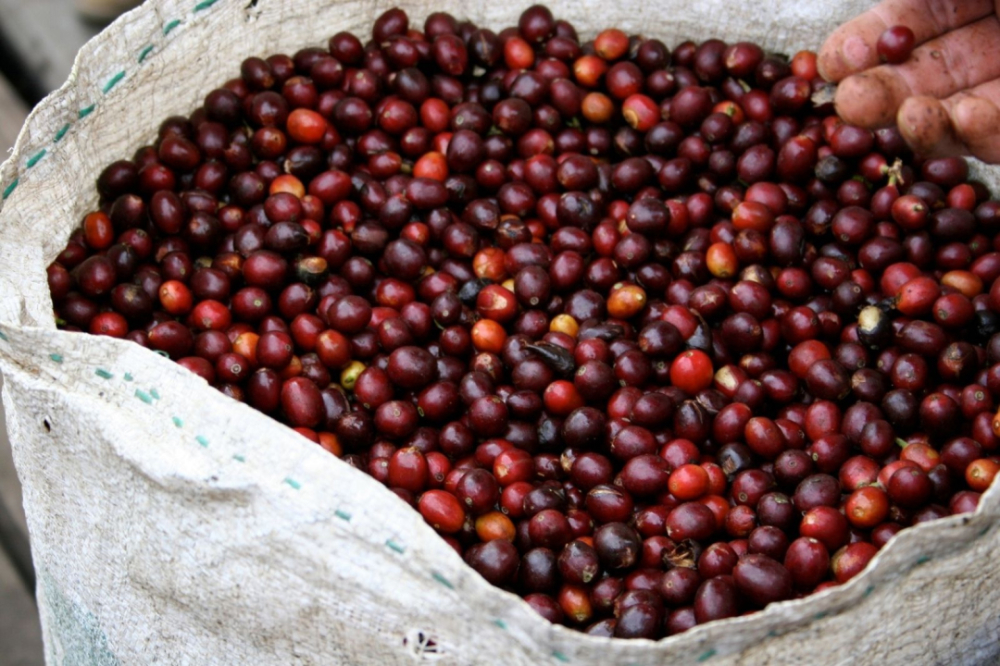
For Red Bourbon, after the coffee tree flowers and fruits, the color of the coffee cherries changes from green > to slightly yellow > to slightly orange > to ripe red > to darker red when more mature, hence it is also called [Red Bourbon]. Actually, Red Bourbon is what we generally call Bourbon. Bourbon grown at high altitudes usually has better aroma, with brighter acidity, and even a flavor similar to red wine.
Simply put, Bourbon is a coffee tree species belonging to a branch of the Arabica species. It generally produces red fruit and is called Red Bourbon. Besides Red Bourbon, there are also Yellow Bourbon and Orange Bourbon. Yellow Bourbon has relatively lower yields but better quality.
Bourbon Coffee — Yellow Bourbon
Yellow Bourbon, with yellow fruit when ripe, was first discovered in Brazil and is currently mainly grown in Brazil. It is generally believed to have originated from a mutation after crossbreeding red-fruited Bourbon with a yellow-fruited Typica mutation called "Amerelo de Botocatu."
Among the many coffee varieties in Brazil, Yellow Bourbon is one of the most outstanding mutations in quality. Regular Bourbon turns from green to yellow to red, but Yellow Bourbon only stays yellow in appearance. Yellow Bourbon grown at high altitudes and processed with natural method has an excellent flavor.
Taste characteristics: Sweet and smooth fruit sweetness, obvious nutty flavor, balanced and smooth acidity, weak and clean bitterness, containing rich chocolate aroma and nutty flavor, with a bright and refreshing taste.
Brazil Queen Estate Yellow Bourbon Coffee
Region: São Paulo State, Mogiana Region
Estate: Queen Estate
Variety: Yellow Bourbon
Processing: Semi-washed (pulped natural)
Altitude: 1400-1950m
Brewing Parameters:
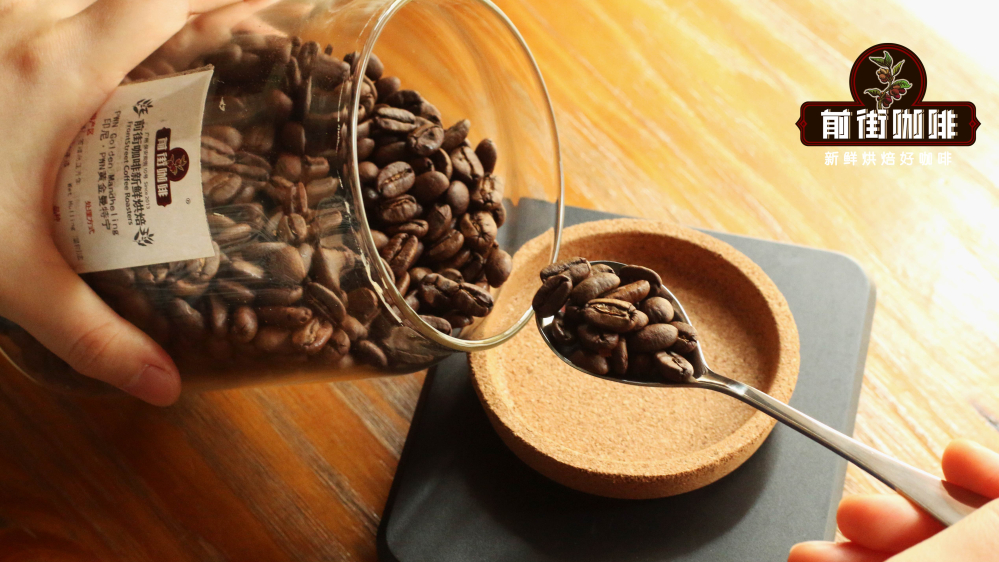
Dripper: V60 Water temperature: 90-92°C Dose: 15g Coffee-to-water ratio: 1:15 Grind: Medium grind Brewing method: Pulse pouring. Bloom with 30g water for about 30 seconds, then pour 95g water in a slow stream in a circular motion from the center, i.e., pause at 125g, wait until the water level drops and is about to expose the coffee bed, then continue pouring to 225g to finish, remove the dripper when the water level drops and is about to expose the coffee bed, (start timing at bloom) extraction time is 2'00".
Brewing flavor: Sweet bean character, clean; using semi-washed processing makes its acidity slightly bright but excellently combined with sweetness, some even have tropical fruit aromas.
Bourbon Coffee — Pink Bourbon
Pink Bourbon, as the name suggests, has romantic pink coffee cherries when ripe. It is a very rare new variety, developed by crossbreeding Red Bourbon and Yellow Bourbon.
Taste characteristics: Sweet orange, sugarcane sweetness, pleasant juicy feel, cherry tomato
Bourbon Mutation — Bourbon Pointu
Bourbon Pointu: Discovered on Bourbon Island in 1810, the bean shape changed from round to pointed, with only half the caffeine content; but low yield and weak plants, extremely precious (mostly cultivated in laboratories).
Bourbon Pointu also has two other names, Laurina and Leroy, but none are as well-known as Bourbon Pointu. It is called Bourbon Pointu because the bean shape is narrow and long with pointed ends, while the original Bourbon (sometimes called Round Bourbon) has shorter beans with a slightly oval outline.
Flavor description: Bright acidity, blueberry and vanilla notes, velvety smooth
Bourbon Mutation — SL28, SL34
Kenya SL28 and SL34: Selected and cultivated by French and British missionaries and researchers in Kenya in the early 20th century, direct descendants of Bourbon. Over a century, they have adapted to Kenya's high-concentration phosphoric acid soil, developing Kenya's characteristic acidic aroma. Top Kenyan coffees come from these two varieties, but they lose their flavor when transplanted elsewhere.
Front Street Coffee brews Kenya Asali AA TOP coffee to experience the flavor and taste brought by Kenya SL28 and SL34 varieties.
Region: Thika, Kenya
Processing Station: Asali Honey Processing Station
Altitude: 1550-1750m
Grade: AA TOP
Variety: SL28, SL34
Processing: Kenya 72-hour washed
Brewing Parameters:
Dripper: V60 Water temperature: 90-92°C Dose: 15g Coffee-to-water ratio: 1:15 Grind: Medium grind Brewing method: Pulse pouring. Bloom with 30g water for about 30 seconds, then pour 95g water in a slow stream in a circular motion from the center, i.e., pause at 125g, wait until the water level drops and is about to expose the coffee bed, then continue pouring to 225g to finish, remove the dripper when the water level drops and is about to expose the coffee bed, (start timing at bloom) extraction time is 2'00".
Brewing flavor: Entrance has flavors of dark plum and cherry tomato, with strong and thick acidity, prominent sweetness in the middle, juicy feel, finish with berry aroma and brown sugar sweetness, and green tea aroma.
Kenyan coffee is divided into seven grades based on bean size and six grades based on taste from high to low. The best Kenyan coffee grade is Peaberry (PB), followed by AA++, AA+, AA, AB, etc., in order. Premium coffee is bright and glossy, delicious, and slightly winey. In terms of taste, "Kenya AA" is especially well-received.
Based on bean size, shape, and hardness, it is divided into seven grades: E, PB, AA, AB, C, TT, T.
E: E stands for Elephant, but here it does not refer to the Maragogype variety. Kenya E requires 18 mesh or above; E is a natural mutation where two seeds develop during growth, generally with low yield, rarely seen in the Taiwan market.
PB: Stands for Peaberry, called small round bean, or male bean, single-lobe bean, 15 mesh or above. Compared to regular flat beans, it is the most distinctive among coffee PB peaberries, with unique style, great variation, and the widest roasting range, and is also a more familiar peaberry.
AA: Kenya AA has a screen size between 17-18 mesh. This grade of coffee is relatively affordable and is the most common coffee grade.
AB: Kenya AB has a screen size of 15-16 mesh, a mix of A grade and B grade, named AB because these two are sold together. Generally, more coffee falls into this grade after harvest.
C: Screen size 12-14 mesh, considered small beans.
TT: Indicates soft beans. TT is lightweight beans screened from AA and AB by airflow sorters, with hardness below standard, usually defective beans.
T: Screen size below 12 mesh, usually only fragments, defective beans, and small beans below 4.8mm.
Bourbon Mutation — Caturra
Caturra: A single-gene mutation of Bourbon discovered in Brazil in the 1950s, with better yield and disease resistance than Bourbon, shorter plants for easier harvesting. Unfortunately, it has the same problem as Bourbon — biennial bearing. Its flavor is comparable to or slightly inferior to Bourbon beans.
However, it has stronger adaptability, can be planted at high density, does not need shade trees, and can thrive under direct sunlight, hence it is also called "Sun Coffee."
Caturra is suitable for low altitudes from 700m to high altitudes of 1700m, but the higher the altitude, the better the flavor, and the yield decreases accordingly. There is also a yellow Caturra mutation in Central and South America, but its reputation is not as good as Yellow Bourbon.
Bourbon Mutation — Catuai
Catuai: Catuai is a hybrid of Mundo Novo and Caturra, essentially a second-generation hybrid. It inherits the advantage of Caturra's low stature and compensates for Arabica's weak fruit. The fruit is firm and not easily dropped by strong winds. The biggest regret is that its overall flavor is slightly more monotonous than Caturra.
Catuai also has red and yellow fruit types, with red fruit winning more awards than yellow. Catuai, Caturra, Mundo Novo, and Bourbon are the four main coffee varieties in Brazil.
Bourbon Mutation — Pacas
Pacas: A Bourbon mutation discovered in El Salvador. In 1935, Salvadoran coffee farmer "Don Alberto Pacas" selected high-yield San Ramon Bourbon varieties and planted them on his farm. In 1956, his coffee trees produced more fruit than others of the same type, and University of Florida professor "Dr. William Cogwill" confirmed this was a genetic mutation of Bourbon and named it "Pacas."
Pacas has high yield and good quality, and is quite popular in Central America. El Salvador currently has 68% Bourbon varieties, with Pacas accounting for 29%. Similar to Brazil's Caturra and Costa Rica's Villa Sarchi. Today, Pacas constitutes about 25% of El Salvador's coffee production, with high yield and continued popularity. Its coffee has high sweetness, similar to Bourbon, but with brighter acidity than Bourbon.
Bourbon Mutation — Villa Sarchi
Villa Sarchi: A Bourbon mutation first discovered in Costa Rica in the 1960s, frequently appearing in excellent cupping lists in recent years, a dark horse with promising prospects. This is a rare variety developed through crossbreeding of Red Bourbon trees. Resistant to strong winds, prefers high-altitude environments, with excellent acidity and various fruit notes, high sweetness, bright and delicate citrus acidity with lower notes of raisin and nut aroma, quite complex with full balance. It is also a dwarf Bourbon, discovered in the Sarchi village of Costa Rica's western valley, suitable for high-altitude organic cultivation, with lively fruit acidity and obvious caramel flavor.
Hybrid Mutation — Mundo Novo
Mundo Novo: A natural hybrid of Bourbon and Sumatra Typica, first discovered in Brazil. High yield, resistant to pests and diseases, extensively planted in Brazil in the 1950s, hailed as the new hope of the Brazilian coffee industry; but the trees are tall and difficult to harvest.
Hybrid Mutation — Nicaragua Java
That is, the Java variety from Nicaragua, a long-bean variety now rare even in Java. It was first successfully planted in Nicaragua by Limoncillo Estate. The Java variety originates from the Typica system. Java's Typica once suffered a severe leaf rust outbreak, causing Java's Typica to almost disappear. Limoncillo Estate accidentally obtained a bag of seeds, planted and raised seedlings, and brought the young plants to experts for identification, only then learning it was Java variety. Limoncillo first entered this variety in COE in 2007 and won second place in that year's Nicaragua COE, with a bidding price even surpassing that year's champion.
Hybrid Mutation — Maracaturra
A hybrid of Maragogype and Caturra developed in Guatemala (Maragogype x Caturra), receiving higher recognition after winning the 2009 Nicaragua COE championship. It combines the rich fruitiness of Maragogype and the elegant acidity of Caturra, with high body, full floral aroma, and high sweetness.
Arabica — Geisha
Geisha, because its pronunciation is the same as the Japanese word for geisha, it is also called "Geisha coffee." Compared to Blue Mountain coffee, Hawaiian coffee, and Mandheling coffee, Geisha coffee has a more intense and diverse floral and fruity aroma, with distinct layers of intense tropical fruit sweetness. The reason Geisha green beans have become a "star" pursued by many coffee fans is because of their high quality and unique coffee flavor. Once you drink such a coffee, you may have the thought of drinking nothing but Geisha coffee.
Geisha was first discovered in the Gori Gesha forest and began to gain fame at the 2004 Panama coffee competition.
Geisha is the champion among coffee varieties, deeply fascinating in both flavor and coffee taste, which is one of the reasons Geisha coffee is unforgettable and famous. In addition, Geisha coffee has received scores above 90 in specialty coffee; wanting to drink top-grade Geisha coffee beans on the market is not an easy thing.
Geisha, because its pronunciation is the same as the Japanese word for geisha, it is also called "Geisha coffee." Compared to Blue Mountain coffee, Hawaiian coffee, and Mandheling coffee, Geisha coffee has a more intense and diverse floral and fruity aroma, with distinct layers of intense tropical fruit sweetness. In the eyes of coffee people, Geisha is undoubtedly a well-deserved goddess; how many are infatuated with her bright and complex floral and fruity aroma, multi-layered high-sweetness fruit profile, and delicate soft acidity.
Currently, the most famous Geisha production area is the Boquete region of Panama, a small town on the eastern slope of Baru Volcano. In the Boquete region, the most famous Geisha coffee estates are the renowned La Esmeralda, Elida Estate, and Panama NPGE Estate. Although people are growing Geisha coffee all over the world, even in Taiwan, China, the flavor still cannot match Panama's stunning quality.
Panama La Esmeralda Geisha grades are divided into three types: Red Label, Green Label, and Blue Label
The three major differences between Red Label, Green Label, and Blue Label:
Red Label Geisha (ESMERALDA SPECIAL)
Red Label is top-grade Geisha coffee, also called auction beans, because this coffee can only be sold through the annual international internet auction, generally participating in the global bidding auction in May each year. Red Label Geisha is grown at 1,600-1,800 meters altitude, with cupping scores above 90, the top bidder of each cupping competition, so the coffee price is high and very rare.
Coffee flavor has rose and citrus aromas, with a thick juicy feel and prominent sweetness.
Green Label Geisha (Private Collection)
Green Label is secondary Geisha coffee, generally not participating in auctions, but the coffee quality is still high-quality beans, slightly cheaper. It is La Esmeralda's private collection Geisha, selected from Geisha varieties at 1500 meters altitude.
Coffee flavor has the classic Geisha coffee bean flavor, with floral, fruity, citrus acidity, and a thick and juicy taste.
Blue Label Geisha (ESMERALDA)
Blue Label is regular Geisha coffee, La Esmeralda's daily production Geisha, selected from Geisha varieties at around 1500 meters altitude.
Coffee flavor has slight floral aroma, fruit acidity, sweetness, and a less thick taste.
Panama coffee overall has a rich citrus aroma, jasmine floral aroma, nectar sweetness. On the palate, the tip of the tongue feels obvious fruit acidity, then it becomes mild and round in the mouth, with grain sweetness and a long-lasting charm that makes one feel very satisfied.
Front Street Coffee brews and tastes the latest crop Panama Blue Label Geisha
2020 New Crop Panama Blue Label Geisha
Region: Boquete
Estate: La Esmeralda
Altitude: 1500m
Variety: Geisha
Processing: Washed
Brewing Parameters:
Dripper: V60 Water temperature: 90-92°C Dose: 15g Coffee-to-water ratio: 1:15 Grind: Medium grind Brewing method: Pulse pouring. Bloom with 30g water for about 30 seconds, then pour 95g water in a slow stream in a circular motion from the center, i.e., pause at 125g, wait until the water level drops and is about to expose the coffee bed, then continue pouring to 225g to finish, remove the dripper when the water level drops and is about to expose the coffee bed, (start timing at bloom) extraction time is 2'00".
Brewing flavor: Faint jasmine and citrus aromas, with obvious citrus and dark plum on the palate, fresh and bright acidity, nutty in the middle, honey sweetness in the finish, long-lasting sweetness.
Arabica and Robusta Hybrid (Interspecific Hybrid)
Hybrid Mutation — Timor
Timor: A natural hybrid variety discovered in East Timor, an island nation at the eastern end of the Lesser Sunda Islands, with 44 chromosomes, closer to Arabica; but the flavor is mediocre, with low acidity and lacking character. Taiwan often uses it as a blending bean to lower costs. However, East Timor also has washed high-altitude pure Typica. Before purchasing, be sure to clarify whether it is a hybrid or pure Typica washed beans; the quality difference is huge — the former is mediocre, the latter is stunning.
Hybrid Mutation — Catimor
Catimor: In 1959, the Portuguese crossed Brazil's Caturra with Timor, breeding the super strong second-generation hybrid Catimor with excellent disease resistance and yield. But the flavor is also poor, and it is currently an important variety for commercial beans. To improve Catimor's poor cupping reputation, in recent years, botanists from various countries have gone back to crossbreeding Arabica with Catimor multiple times, attempting to reduce the Robusta lineage.
Hybrid Mutation — Icatu
Icatu: A multi-generation hybrid improved variety from Brazil, once in the top ten of Brazil's "Cup of Excellence." In the past, Arabusta, a mix of Arabica and Robusta, although improving yield and disease resistance, had consistently poor coffee flavor. Scientists then crossbred Arabusta with Caturra, Mundo Novo, Bourbon, and other Arabica varieties over multiple generations, gradually reducing the unpleasant flavor of Robusta and enhancing the aroma of Arabica beans, thus creating the excellent multi-generation hybrid — Icatu.
Hybrid Mutation — Ruiru 11
Ruiru 11: A hybrid variety developed in Kenya in 1985 that emphasizes yield over quality. A hybrid of Arabica and Robusta; so far, none can be considered specialty coffee; therefore, many suppliers specializing in fresh-roasted specialty coffee, such as Fresh, do not carry these varieties. Ruiru coffee varieties do not have high yields; although currently only 10% of Kenya's coffee, Ruiru coffee is often sold mixed with SL28/SL34.
The above content is compiled by CoffeeHunters, a coffee news website.


