







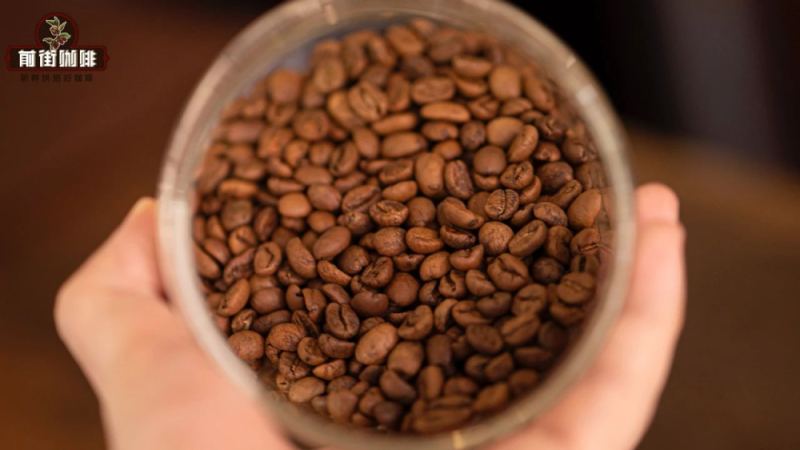
In the Arabica coffee family, there is a particularly prominent member—the Maragogype. Its scientific name is Maragogype, first discovered in Brazil in 1870, and later recognized as a natural variety of Typica, with beans up to three times the size of ordinary Arabica beans. Due to high cultivation costs and management difficulties, the production areas of Maragogype are now mainly concentrated in a few Latin American countries. This article, from the perspective of Front Street Coffee, will systematically introduce the origin of the Maragogype variety, suitable growing regions, sun-drying processing methods, roasting and brewing parameters, as well as its relationship with the hybrid Pacamara, to give you a comprehensive understanding of this "giant" in the coffee world.
For more specialty coffee knowledge, please follow: Front Street Coffee ( Frontsteet Coffee )
The major categories of coffee are typically divided into Arabica (small-seeded), Robusta (medium-seeded), and Liberica (large-seeded). Among them, Arabica is widely commercially cultivated worldwide due to its excellent flavor profile. However, within this family, an "oddity" has emerged—its beans are far larger than those of its kin, hence the name Giant Elephant Bean. Today, Front Street Coffee (FrontStreet Coffee) will show you what other amazing aspects Maragogype has besides its astonishing size.
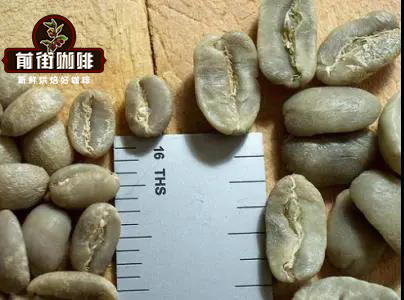
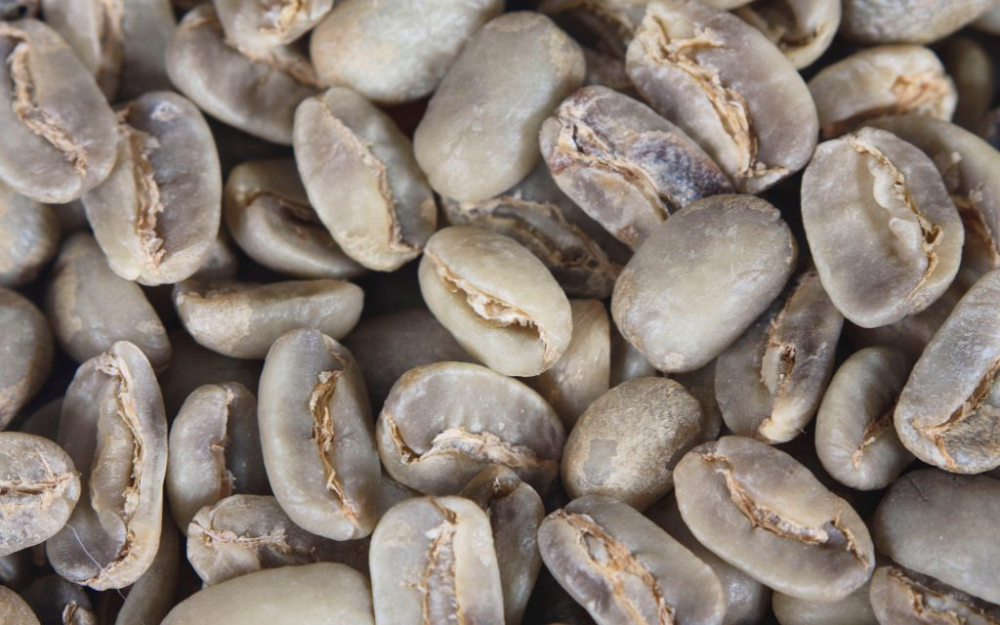
What Exactly Is Maragogype The scientific name of Maragogype is Maragogype. In 1870, it was first discovered in the Maragogype region of Bahia, Brazil, and thus the region's name became its variety name. Through biomorphological comparison and genetic testing, researchers confirmed that Maragogype is actually a natural variety of Typica, with coffee beans about three times the size of ordinary Arabica beans.
In the grading systems of many coffee-producing countries based on green bean size, 17-18 mesh is usually the highest grade in reality (19 mesh and above is extremely rare). However, Maragogype's size generally reaches 20 mesh or even higher.
Where Is Maragogype Currently Found Maragogype is not only large in bean size, but its trunk, branches, and leaves are also thicker than ordinary coffee varieties, so it requires more space, nutrients, and resources when planted. In addition, daily management and harvesting are not easy, and the time cost is relatively high (the fruit maturation period is long, and it takes about 5 years after planting to bear fruit), so not many farmers are willing to grow it. Currently, it is only sporadically distributed in a few Latin American countries such as Brazil, Nicaragua, Mexico, and Guatemala.
Front Street believes that at present, the Maragogype with better flavor performance is from the Mama Mina Estate under the Mierisch family in Nicaragua. The Mierisch family owns a total of nine estates, growing coffee since 1908, for over a century. Among these nine estates, eight are located in San Jose, Limoncillo, Escondida, Milagros, Placeres, LosAltos, Mama Mina, and Suspiro in Nicaragua, and one is located in Cerro Azul, Honduras.
The Mama Mina Estate benefits from widespread volcanic ash soil and shade-grown cultivation methods, producing Nicaraguan coffee of high quality, and has been certified by OCIA (Organic Crop Improvement Association) as high-altitude premium organic coffee. For Maragogype to develop good flavor, the altitude must reach above 1500 meters, and with the Mierisch family's skilled cultivation management, the final product has a rich and layered flavor. Upon first sip, you can sense the aroma of black berries, with the scent of blackberry and dark plum mixed with the fragrance of citrus peel. The overall flavor is solid, with a silky and sweet mouthfeel.
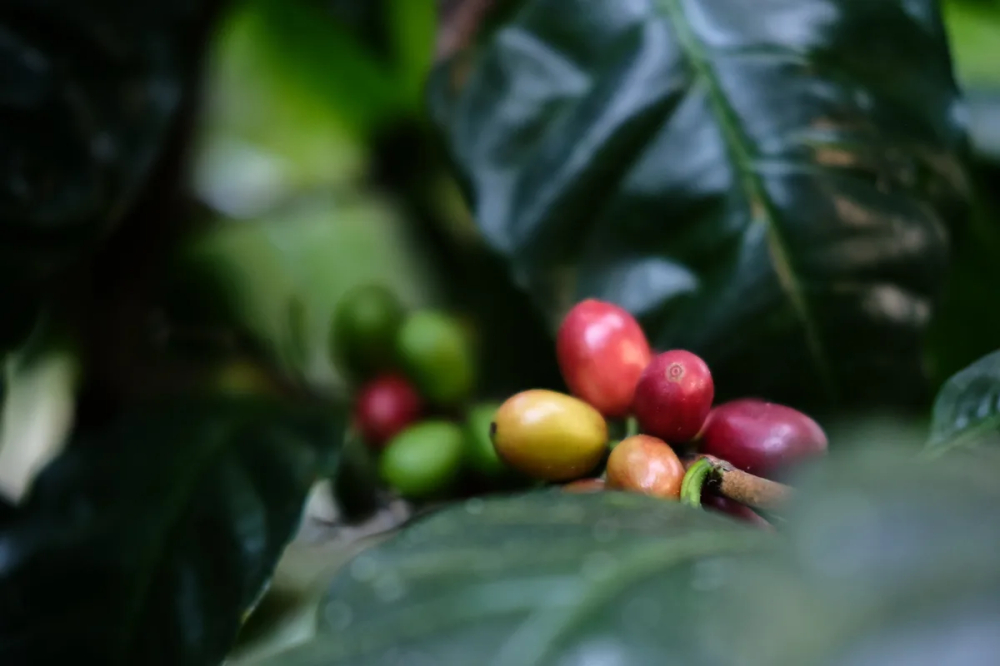
Sun-Drying Processing Method This batch of Maragogype uses sun-drying processing. Sun-drying is the oldest and most primitive processing method for coffee beans. The specific method is: first, pour the harvested coffee cherries into a large water tank; ripe and plump cherries will sink to the bottom, while underdeveloped or overripe ones will float to the surface. After removing the floating beans, spread the healthy coffee cherries on a patio to dry directly in the sun, with moisture content dropping from 60% all the way to 12%-15%. Finally, use a huller to remove the dry and hard outer skin and pulp, and the green beans complete the entire processing flow.
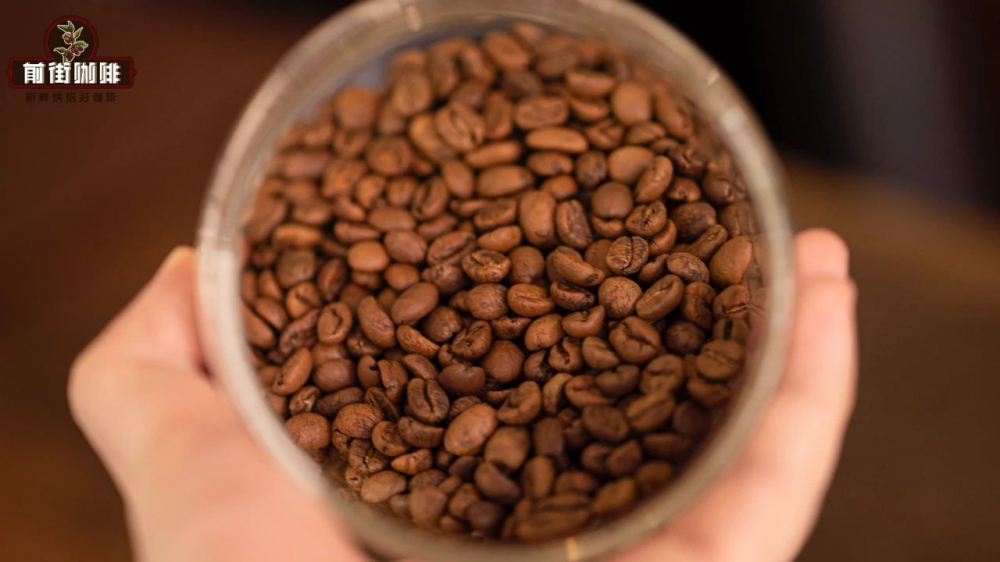
Front Street Coffee (FrontStreet Coffee) Roasting Analysis Maragogype is large in size, and stable control of heat during roasting is particularly critical. It needs to be roasted slowly at a lower rate of temperature rise, extending the dehydration period, thereby narrowing the heating gap between the bean core and bean surface. Overall, a medium-light roast is used.
Using a Yangjia 700N, with 300g of green beans. Charge at 175°C, heat 120, airflow 3; turning point at 1'32", temperature 100.9, when the temperature reaches 140°C, open the airflow to 4, heat unchanged; when the temperature reaches 151.2°C, the bean surface turns yellow, the grassy smell completely disappears, entering the dehydration stage; when the temperature reaches 166°C, adjust the heat to 110°C, airflow 4; when the temperature reaches 183.3°C, heat unchanged, open the airflow to 5; when the temperature reaches 188°C, reduce the heat to 50, airflow unchanged. At 9'08", first crack begins, airflow unchanged, develop for 1'40" after first crack, discharge at 196°C.
Front Street Coffee (FrontStreet Coffee) Brewing Sharing Parameters: Coffee powder: 15 grams Powder-to-water ratio: 1:16 Water temperature: 91°C Grind size: medium-fine grind (78% passing rate on No. 20 standard sieve)
A staged extraction is used. Use 30 grams of water for blooming for 30 seconds, then pour water in a small stream in circles to 150 grams for staging. When the water level drops and is about to expose the coffee bed, continue pouring water to 240 grams and stop. When the water level drops and is about to expose the coffee bed, remove the dripper. (Timing starts from the beginning of blooming) The extraction time is 1'56".
Flavor: Aroma of citrus and brown sugar, with nutty notes in the mid-palate, and a strong maple syrup sensation.
Maragogype and Pacamara Maragogype has high cultivation costs and few are willing to grow it, but its hybrid offspring Pacamara has inherited the excellent genes and continues to carry this bloodline forward. This variety, artificially hybridized from Pacas and Maragogype, retains Pacas' high productivity and adaptability while inheriting Maragogype's size and excellent acidity. Its beans are about 70-80% the size of Maragogype, and it often wins the championship in El Salvador's Cup of Excellence competitions.
The above content is compiled by CoffeeHunters, a coffee news website.


