







Search Results for: genes
Variety and Floral-Fruity Aromas: The Aromatic Genes of Geisha, SL Lines, and Heirloom Varieties
Same estate, same processing method—so why do some varieties fill the cup with floral aromatics while others taste utterly ordinary? Half of the underlying code for floral and fruity aromas is written into the coffee variety's genes. This article sorts through several star variety families to see how genes determine the aromatic destiny in the cup. Geisha: the pinnacle example of floral aroma. This one, from Eth... [more…]
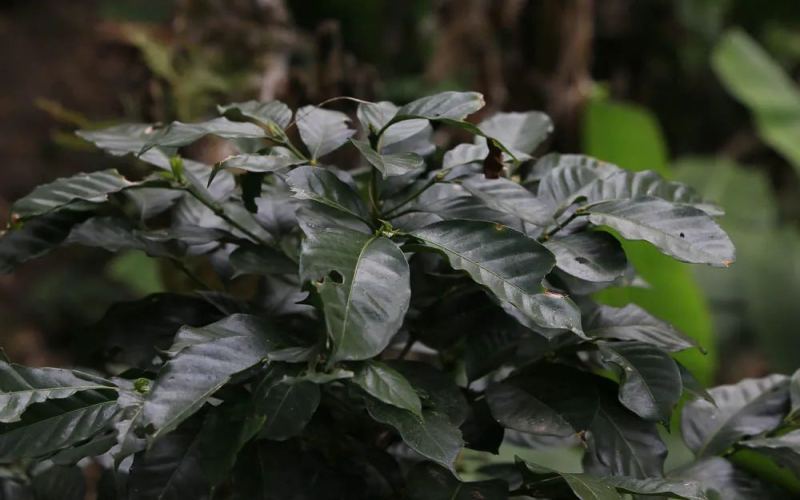
A Comprehensive Analysis of the Catimor Coffee Variety: The Robusta Genes Behind Its Disease Resistance and High Yield, and the Flavor Controversy
Catimor is a coffee variety bred by crossing Timor and Caturra. Developed in 1959 by CIFC in Portugal, it is known for its disease resistance and high yield, and is widely planted in Central and South America. It inherits the Robusta genes of Timor, giving it extremely strong resistance to leaf rust and berry disease. The plant is short and compact, suitable for dense planting, and its yield far exceeds that of traditional varieties. Currently, 99% of Yunnan's coffee production comes from Catimor. However, the Robusta genes also bring controversy in terms of flavor—when grown at high altitudes, its cupping performance is noticeably inferior to varieties such as Bourbon and Caturra, and the increased chlorogenic acid content brings bitterness and an unpleasant acidity. This article will provide a comprehensive analysis of Catimor's varietal origins, plant characteristics, and flavor controversies, and, using the high-mountain Catimor of Lujiangba in Baoshan, Yunnan as an example, combined with Front Street Coffee's roasting recommendations, explore this variety's positioning and value in the specialty coffee era. [more…]
Fruity Aroma Gene Bank: A Profile of Origins and Processing Methods Behind Floral and Fruity Coffee Beans
The floral and fruity aromas of coffee are not magic conjured by the roaster, but genes written into the terroir of the producing region and the processing method. Flip through the origin records of the mainstream floral and fruity bean varieties on the market, and you will find that behind every fruity note lies a traceable origin story. The opening volume of the records is Ethiopia. As coffee's [more…]
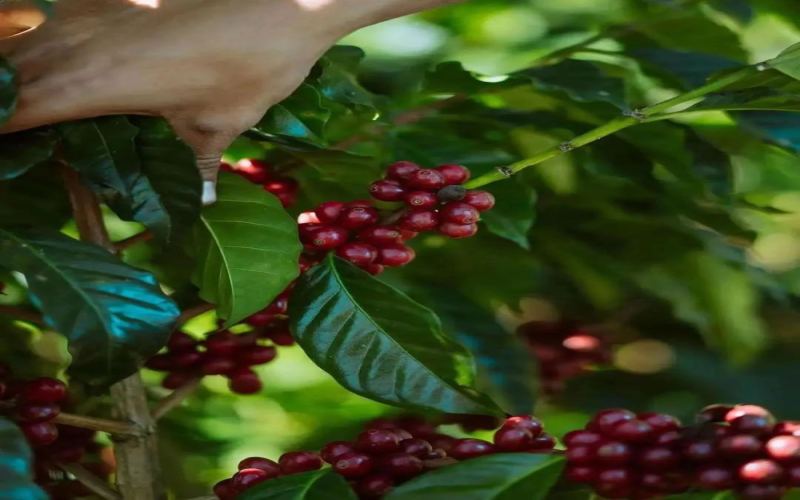
The Flavor Code of Colombian Pink Bourbon: Named Bourbon, but Possibly Hiding Typica and Geisha Genes?
In Colombia's major coffee competitions, a variety named "Pink Bourbon" frequently stands out. It is named for its fruit's delicate pink color, and was originally derived from a cross between Red Bourbon and Yellow Bourbon. However, the pink color is a recessive gene, so it must be isolated from other varieties during cultivation to maintain its color. Yet in recent years, genetic testing has revealed that many competition entries labeled Pink Bourbon do not carry Bourbon chromosomes; instead, genes from Typica, Geisha, or Ethiopian landraces have been detected. Is this a naming mix-up, or a limitation in variety identification? This article will walk you through Pink Bourbon's cultivation history in Colombia, its flavor characteristics, and the scientific controversy surrounding its mysterious origins. [more…]
Pink Bourbon Coffee Bean Analysis: Origin, Variety Characteristics, and Pour-Over Flavor Performance
Pink Bourbon is an extremely rare variety within the Bourbon family, originating from a cross between Red Bourbon and Yellow Bourbon, with cherries that turn a distinctive pink when ripe. This bean variety is not only scarce in yield and difficult to maintain color stability, but also shows outstanding resistance to leaf rust. This article begins with the discovery site of Pink Bourbon in Colombia's Huila region, outlining its varietal origins, genetic characteristics, and cultivation challenges, then introduces Front Street Coffee's Pink Bourbon products from two growing regions, Guatemala and Colombia, and finally presents its pour-over flavor profile under a light roast. [more…]
Colombia Pink Bourbon: A Rare Coffee Variety Crossbred from Red and Yellow Bourbon, Its Flavor and Yield Analysis
Pink Bourbon is a rare coffee variety bred by crossing Red Bourbon and Yellow Bourbon, and its coffee cherries take on a uniquely romantic pink color when ripe. However, maintaining this color is extremely difficult, because the color is determined by a recessive gene in the pollen grains, and the red and yellow genes easily interfere with each other, sometimes even producing Orange Bourbon. At present, Pink Bourbon is mainly found in Colombia and Guatemala. Take this batch of Front Street Coffee Colombia Pink Bourbon as an example: about 1,800 coffee trees, with each tree producing about 1.8 kilograms of fresh cherries per season, which after processing yield only about 0.36 kilograms of coffee beans, making the entire batch less than 650 kilograms and all the more precious. Its flavor carries sweet orange, sugarcane sweetness, a pleasant juicy mouthfeel, and small tomato notes, and is well worth savoring slowly by coffee lovers. [more…]

Tracing the Origin of Pink Bourbon Coffee Beans and Analyzing Their Pour-Over Flavor: A Rare Taste from Gene to Cup
The Bourbon variety evolved from Typica and, after being introduced to Brazil, gradually spread across Central and South America. With its relatively strong resistance to leaf rust and its delicate, sweet flavor at high altitudes, it became an important variety in the region. In addition to the common Red Bourbon, the state of São Paulo in Brazil also gave rise to Yellow Bourbon, whose fruit skin turns orange-yellow when ripe, while Pink Bourbon is even rarer. This article traces the origins and varietal characteristics of Bourbon, with a focus on the Brazilian Queen's Farm Yellow Bourbon recommended by Front Street Coffee, and shares its hand-brewing parameters and flavor performance under natural processing and a medium-dark roast. [more…]
Pacamara Coffee Full Analysis: Hybrid Lineage, Maragogype Genes, and the Road to Cup of Excellence Glory
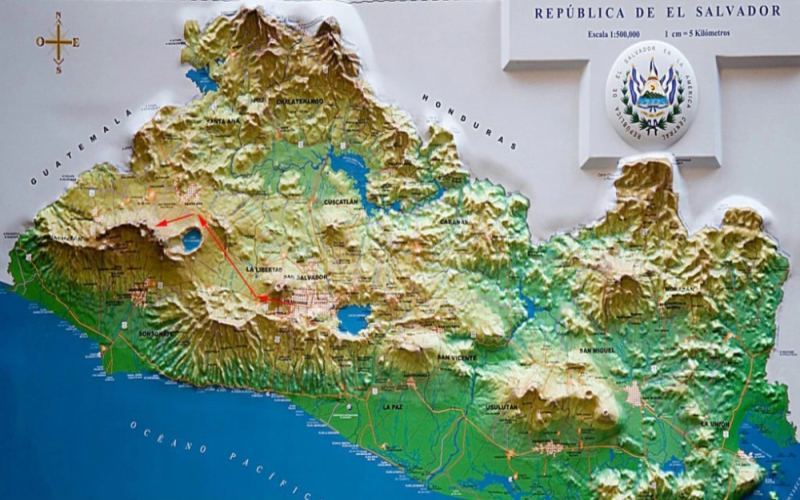
Pacamara is a hybrid variety born in 1958 at the Salvadoran Coffee Research Institute, created by crossing the Bourbon variant Pacas with the Typica variant Maragogipe (Elephant Bean). It inherited the large-bean genes of the Elephant Bean, but because its beans were too large, green bean processing became difficult and yields were low, leaving it dormant for nearly half a century. It was not until 2007 that Pacamara won dual championships at the Cup of Excellence in Guatemala and Honduras, and swept the top three places in El Salvador, defeating many Geisha coffees in one stroke, and has since been hailed as the "Geisha rival." This article will guide you through Pacamara's complex lineage, processing challenges, and how it rose to the specialty coffee stage with its rich and varied flavors. [more…]
How to identify Catimor coffee beans by appearance and their flavor characteristics: the defects and advantages brought by Robusta genes
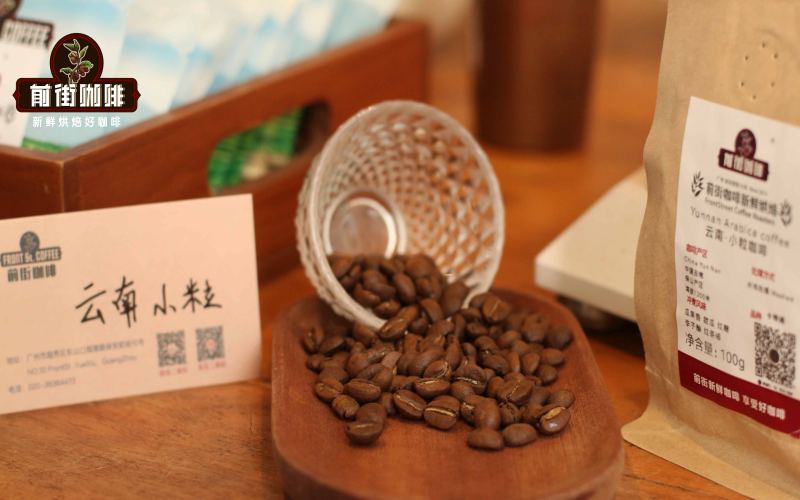
Catimor is a hybrid of Arabica and Robusta, widely cultivated for its disease resistance and high yield, and it dominates production in Yunnan in particular. However, its Robusta lineage also brings controversy in terms of flavor—it is often criticized for lacking aroma and for having grassy and earthy notes. This article will start with Catimor's physical characteristics, analyze how it differs from pure Arabica varieties, and explore its cupping performance at different altitudes. At the same time, we will also introduce the specific flavors of Front Street Coffee's Yunnan small-bean coffee and the brewing methods it suits, helping enthusiasts gain a more comprehensive understanding of this variety's strengths and weaknesses. [more…]
Caturra Coffee Bean Flavor Analysis: Taste Characteristics and Brewing Suggestions of a Single-Gene Bourbon Variant
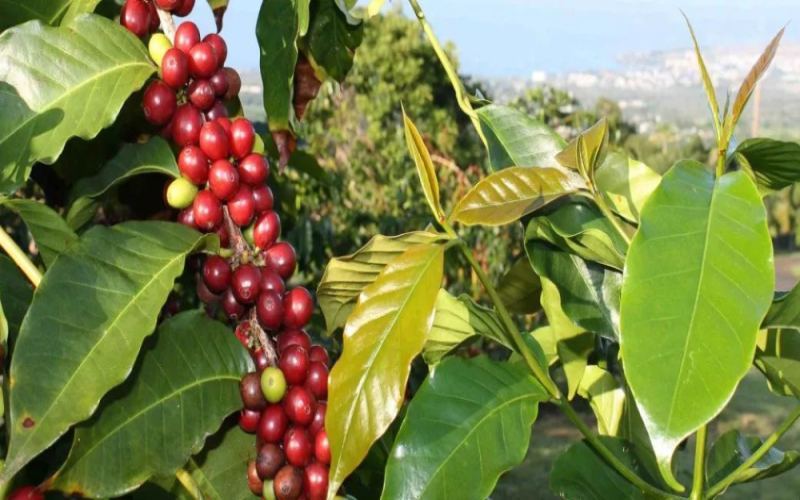
Caturra is an important single-gene mutation within the Bourbon family, and thanks to its exceptional adaptability and high-yield characteristics, it has become a leading variety in coffee-producing countries across Central and South America. From its discovery in Brazil to widespread cultivation in Colombia and Costa Rica, Caturra occupies a key position in the specialty coffee landscape. This article provides a detailed overview of Caturra's origins, spread, and flavor profile, and, drawing on Front Street Coffee's cupping experience, analyzes the taste differences under natural and washed processing. It also introduces the producing region information, flavor description, and brewing parameters of Front Street Coffee's Colombia Huila staple beans, offering coffee enthusiasts practical references for tasting and brewing. [more…]
Catimor Coffee Bean Variety Analysis: Yunnan's Main Cultivated Variety Blending Arabica and Robusta Genes
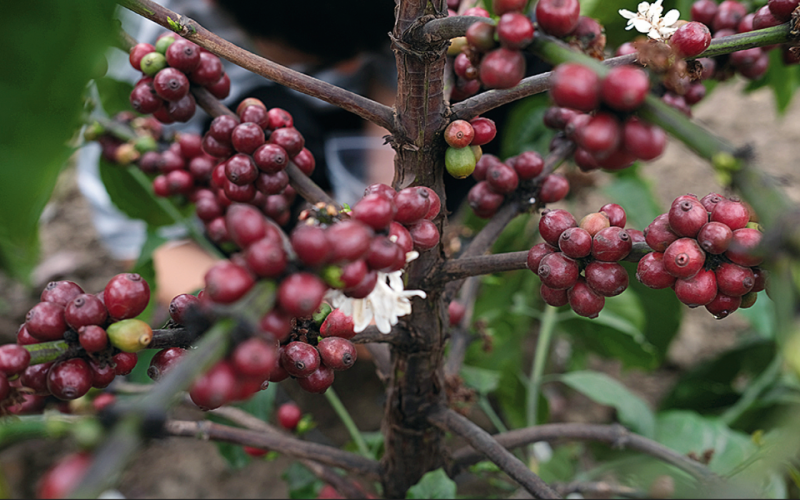
Catimor is the most widely planted coffee variety in Yunnan, accounting for the vast majority of the region's total coffee output. This variety was developed by the Portuguese Coffee Rust Research Center. Although classified as Arabica, it carries one-quarter Robusta lineage. It combines disease resistance and high yield with balanced flavor, but its Robusta genes also result in a lack of higher-order aromatics. The Yunnan everyday coffee launched by Front Street Coffee is made from Catimor grown in the Baoshan region, processed by the washed method to present the typical taste of Yunnan. This article will take an in-depth look at Catimor's varietal origins, flavor characteristics, and processing methods, and share the brewing parameters and tasting experience of Front Street Yunnan small-bean coffee. [more…]
Bourbon Coffee Bean Flavor Analysis: Differences and Variety Comparison of Red Bourbon, Yellow Bourbon, and Pink Bourbon
Bourbon is a pivotal classic variety within the Arabica family, from which numerous variants such as Red Bourbon, Yellow Bourbon, and Pink Bourbon have derived, each exhibiting distinct differences in flavor and cultivation characteristics. This article focuses on the traits of Bourbon coffee beans, detailing the origins, flavor profiles, and representative producing regions of Red Bourbon, Yellow Bourbon, and Pink Bourbon, while also clarifying the relationships between Bourbon, Caturra, and Typica. The article also compiles specific information on three everyday beans available at Front Street Coffee: Brazil Red Bourbon, Brazil Queen Estate Yellow Bourbon, and Colombia Isabella Pink Bourbon, for coffee enthusiasts to compare and understand. [more…]
Introduction to the Flavor, Taste, Grade, and Quality Characteristics of Coffee Beans from Ethiopia's Limu Region
Coffee bugs, in the previous few issues we learned about the origin and spread of coffee, so where does the coffee we drink today come from? Next, follow Little One to explore coffee-producing regions around the world~ Currently there are 53 major coffee-producing regions globally, all distributed within the Coffee Belt 『25°N~30°S』. Based on the spread timeline of specialty coffee and the flavors of the origins, we can roughly group these regions into three major categories: Old World old-fashioned flavor category, New World improved flavor category, and Oceanic island flavor category. In this issue, Gain Knowledge will first present the Old World coffee introduction~ Countries that already had Arabica varieties before the 17th century are called the "Old World," led by Ethiopia (Ethopia), with Yemen (Yemen) and India (India) as followers. These three ancient coffee countries retain the most diverse Arabica bean gene pool and traditional natural processing method. Their coffee flavor spectrum is broad and complex, with the greatest amplitude: from rough earthy, woody, leathery, medicinal, and fermented tofu off-flavors, to charming jasmine, cinnamon, cardamom, clove, pine and fir, mint, lemon, citrus, berry, apricot, smoked plum, chocolate... thousands of aromas and flavors, both good and bad, constructing an old-fashioned flavor spectrum that makes people love and hate it at the same time. Ethiopia has the world's most diverse coffee cultivation system and a complex ancient superior gene pool, plus diverse processing methods including natural, washed, and semi-washed, presenting complex and changeable flavors. It can be said that the "flavor spectra" of coffee-producing regions around the world can mostly be tasted here, reflecting Ethiopia's all-embracing "king's flavor." The push of the third wave of specialty coffee [more…]
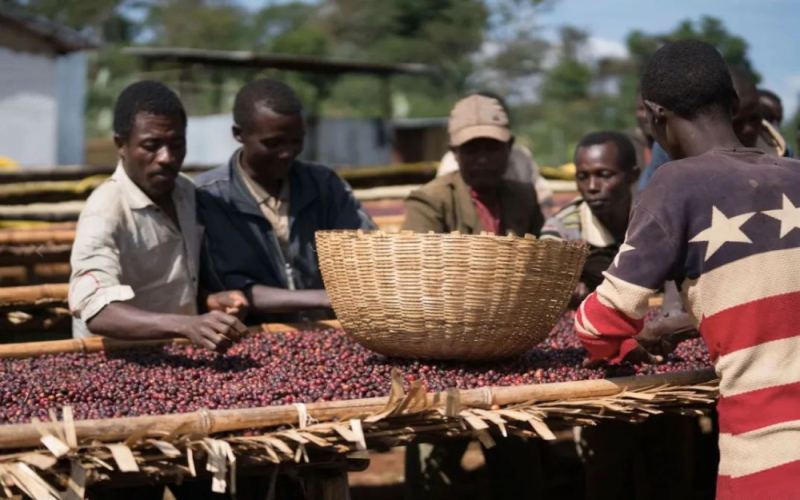
The Original Home of Ethiopian Coffee: Cultivation Patterns in the Kafa Forest and the Coffee Variety Gene Bank
Ethiopia is the birthplace of coffee, and its cultivation models fall into three types: garden, estate, and forest. Among them, the forest cultivation in the Kafa region of the southwest is the most unique. This place is not only the hometown of coffee but also home to about 5,000 coffee tree species, making it a genetic treasure trove of Arabica coffee. The Kafa forest has undergone logging and protection, and today it persists in the form of a biosphere reserve, with about 30 cooperatives in the surrounding area engaged in coffee production. Front Street Coffee has also launched a washed coffee bean from this producing region, presenting floral aromas, citric acidity, and sweet orange and bergamot flavors. This article will guide you through the cultivation traditions, historical changes, and coffee characteristics of the Kafa forest. [more…]
A Detailed Guide to the Three Bourbon Coffee Varieties: Red, Yellow, and Pink—Fruit Color, Flavor Characteristics, and Rarity Compared
Bourbon is a classic, long-standing variety within Arabica coffee. As the fruit gradually matures, its skin undergoes a transition from green to yellow, and then to red, ultimately giving rise to three distinct color types of Bourbon: red, yellow, and pink. This article will interpret the characteristics of Red Bourbon, Yellow Bourbon, and Pink Bourbon one by one: Red Bourbon has outstanding aroma and bright acidity, often carrying a wine-like nuance; Yellow Bourbon, resulting from hybridization, develops particularly prominent flavors when cultivated at high altitudes; Pink Bourbon is especially rare because its recessive genes are highly prone to interfering with each other, and it is currently mainly distributed in Colombia and Guatemala. At the end of the article, Front Street's Brazil Queen Estate Yellow Bourbon and Colombia Pink Bourbon bean lists are also included for enthusiasts to refer to when purchasing. [more…]
What Is the Relationship Between Bourbon Coffee Beans and Typica? A Full Breakdown of the Characteristics of Red, Yellow, and Pink Bourbon Varieties
Bourbon coffee is a mutation of Typica, and both belong to the ancient varieties within the Arabica family. The Bourbon family is not limited to the common Red Bourbon; it also includes Yellow Bourbon, Orange Bourbon, and the rare Pink Bourbon. This article will guide you through the origins, fruit characteristics, growing conditions, and flavor profiles of these varieties one by one, and explain where Yellow Bourbon gets its yellow color from and why Pink Bourbon is so rare. The article also specifically mentions the Brazil Queen coffee on Front Street Coffee's bean list, which is one of the representatives of the Yellow Bourbon variety. [more…]
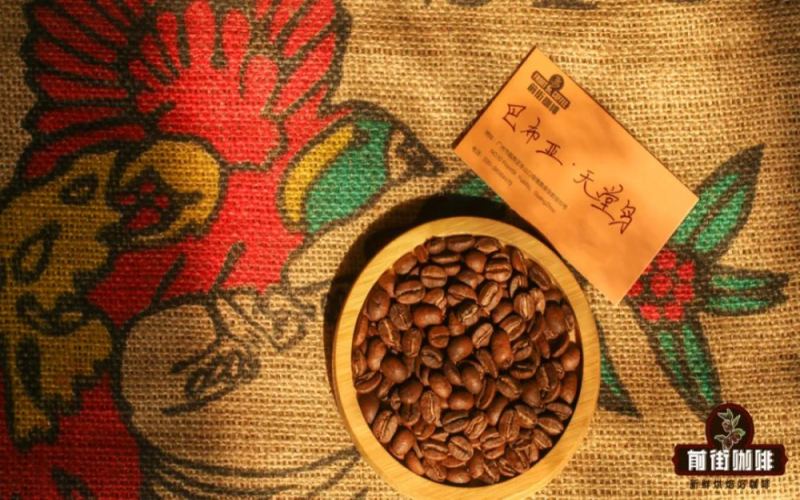
Why is Papua New Guinea coffee called "Little Blue Mountain"? What common genes does it share with Jamaican Blue Mountain?
In coffee circles, coffee produced in Papua New Guinea is often called "Little Blue Mountain." This nickname is not a casual joke, but stems from the fact that it genuinely shares many similarities with Jamaican Blue Mountain—from varietal origins to growing environment, and even its expression in the cup, the two have intriguing overlaps. This article will sort through the producing region's background, varietal heritage, and flavor characteristics to see just what gives Papua New Guinea coffee the grounds to be mentioned alongside the Caribbean's "Emperor of Coffee." At the same time, it will also include Front Street Coffee's recommendation for this bean and brewing suggestions for coffee lovers to reference. [more…]
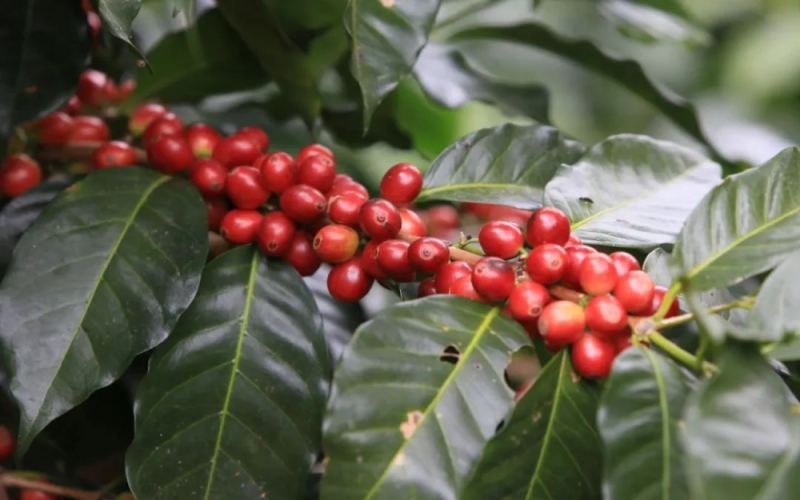
The Varietal Identity and Flavor Code of Catimor: Where Does the "Devil's Aftertaste" Under Its Arabica Lineage Come From?
Is Catimor actually Arabica or Robusta? And how exactly is its "devilish aftertaste" formed? This article begins with the background of Catimor's birth, sorting out the hybrid origins and genetic makeup of this variety, and confirming its classification as having three-quarters Arabica bloodline. It also introduces Catimor's plant characteristics in detail, including tree shape, leaves, and stress resistance, and provides an in-depth analysis of the earthy aftertaste that Robusta genes bring to the flavor, as well as how factors such as high yield and early maturity compound to dilute excellent flavors and amplify undesirable aftertastes. The article also mentions Front Street Coffee's expectations for future improvement of Catimor. [more…]
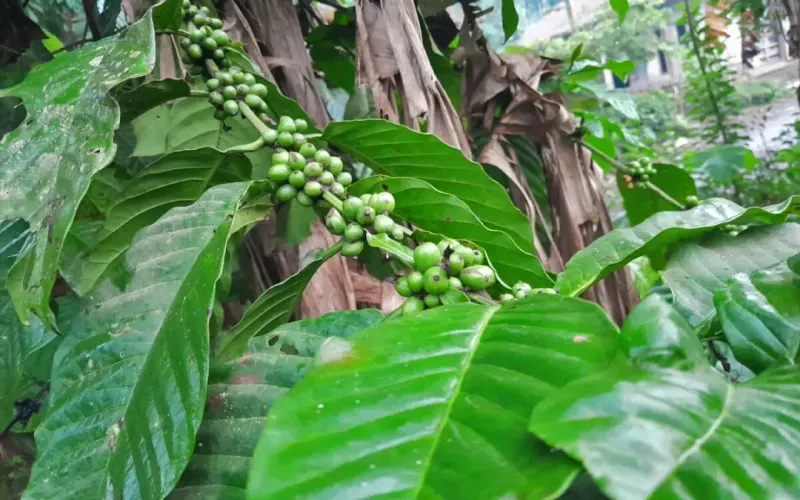
What Are the Flavor Differences Between Robusta and Arabica? An Analysis of the World's Premium Robusta Origins
Front Street Coffee is often asked: Why can Robusta be grown on a large scale in places like Vietnam? Don't all coffees require high altitude? What does it actually taste like? When Vietnamese coffee is brewed with Robusta, why doesn't it taste bad? In this article, Front Street Coffee will take a systematic look at Robusta coffee beans. From a botanical perspective, Robusta and Arabica differ significantly in growing conditions and resistance to disease and pests, and these differences directly affect the flavor in the cup. The article will also introduce Catimor, a hybrid of the two, and analyze how Vietnamese coffee is brewed, helping enthusiasts gain a comprehensive understanding of Robusta's value and characteristics. [more…]
Analysis of Colombian Pink Bourbon Coffee Bean Production: Differences Between Pink Bourbon and Bourbon Varieties and Their Flavor Characteristics
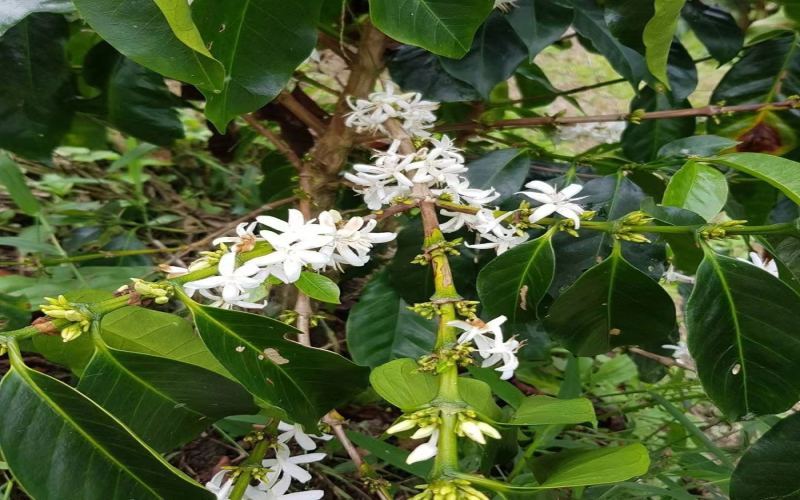
Pink Bourbon is a rare variety that has attracted much attention in the specialty coffee circle in recent years. Its ripe coffee cherries are a romantic pink color, and it was first discovered in the Huila Province of Colombia. From the perspective of Front Street Coffee, this article reviews Colombia's 2021 coffee production estimate, analyzes the genetic origin of Pink Bourbon—whether it is a natural cross between Yellow Bourbon and Red Bourbon, or a descendant of Colombia and Caturra—and explains the fundamental reason why its recessive traits lead to low yields. It also introduces in detail the terroir advantages of the Huila producing region, the process of the semi-washed method, and Front Street Coffee's roasting curve, cupping performance, and brewing parameters for this bean, providing a complete reference for coffee enthusiasts. [more…]