







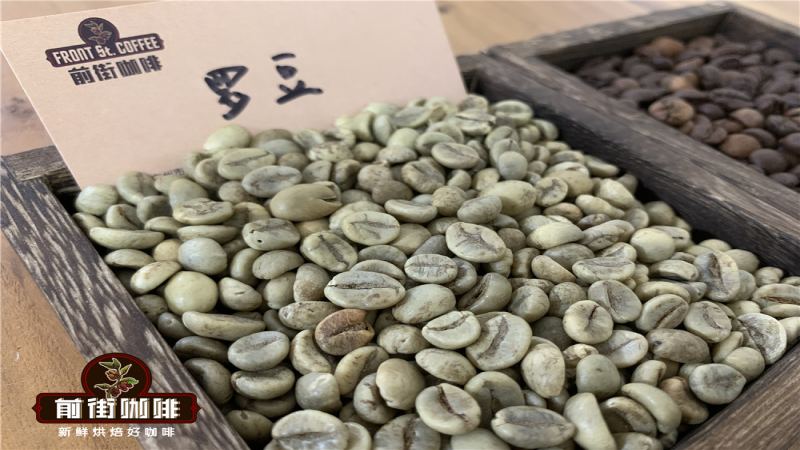
What are the advantages of robusta coffee beans?
Robusta coffee beans belong to the Canephora species, the second most commercially important coffee type after Arabica. The plants tolerate high heat, cold, drought and humidity with a high survival rate, ripen fast and yield heavily, which suits mechanized management. Their caffeine content runs 1.7 to 3.0 percent, roughly double that of Arabica, and acts as a natural insecticide that protects the crop from most pests.
That resilience explains Robusta's large market share even though its flavor is bitter with rubbery and earthy notes. Within Canephora only Robusta is widely cultivated and promoted, so the two names are often used interchangeably. Hybrids such as Timor and Catimor, crosses between Robusta and arabica coffee bean plants, are now widely planted and counted under the broader Arabica category. Commercial blends, including some with around 10 percent washed Robusta, use it for body and crema.
In the world of coffee, Robusta, though less favored than Arabica, occupies a significant market share with its tenacious vitality and unique flavor. This article will systematically outline Robusta's botanical classification—it belongs to the Canephora species and has given rise to hybrid varieties such as Timor and Catimor; it will also analyze in depth its cultivation advantages of tolerance to high temperatures, cold, drought, and humidity, as well as its commercial value: high caffeine content, pest resistance, high yield, fast ripening, and suitability for mechanized management. Of course, Robusta's bitter flavor profile and rubbery, earthy notes are drawbacks that cannot be ignored. Finally, Front Street Coffee will recommend a commercial blend containing 10% washed Robusta, taking you from espresso entry point to experience Robusta's rich charm.
In the coffee family, there is a variety that is not commonly seen and whose flavor is not particularly appealing, yet it plays a pivotal role in the market—this is Robusta, affectionately called "Robu" by those in the industry. Below, Front Street Coffee will discuss the pros and cons of Robusta.
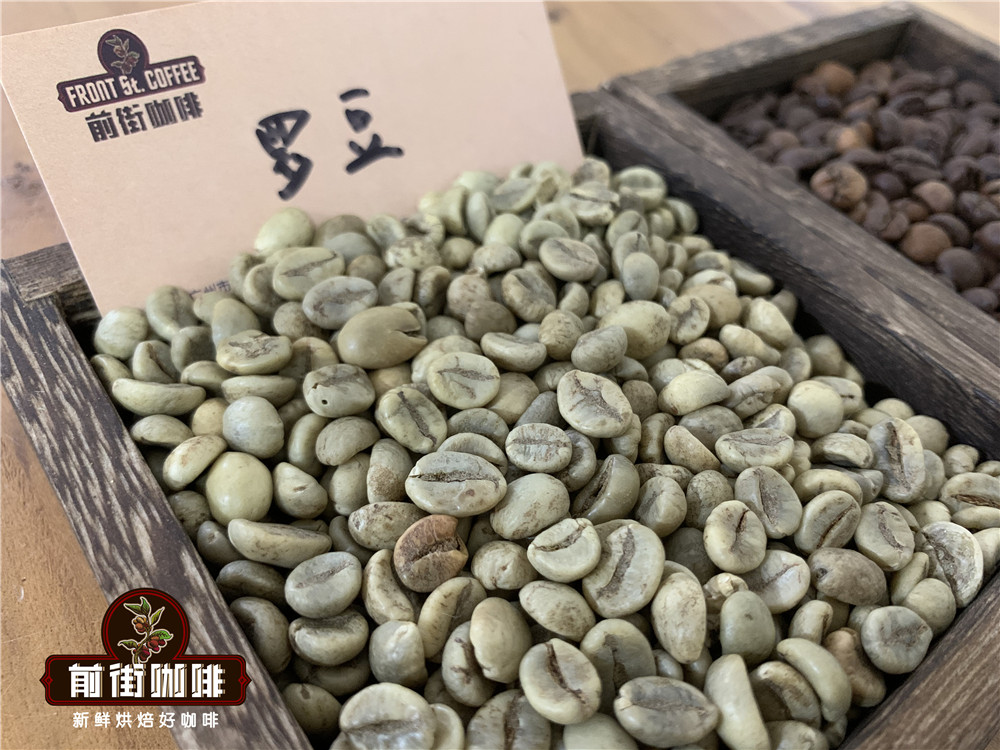
Robusta's most prominent strength lies in its exceptional survival ability
From a botanical taxonomy perspective, Robusta belongs to the Canephora species, also known as Congo species or intermediate coffee. Just as the Geisha we know belongs to the Arabica species, within the Canephora species only Robusta is commercially cultivated and promoted, so Robusta has almost become synonymous with the Canephora species. Timor and Catimor, which arise from natural hybridization between Robusta and Arabica, are now also widely planted and are classified under the broader Arabica category.
From a cultivation standpoint, Robusta coffee trees can withstand high temperatures, severe cold, drought, and humidity, with a very high survival rate. Its caffeine content ranges from 1.7% to 3.0%, about twice that of Arabica. Caffeine, as a plant's natural insecticide, protects Robusta from being eaten by most insects. A single Robusta tree yields a large amount of fruit; the cherries are slightly rounder and smaller than Arabica, the beans are flat and round, and the central crack is straight.
It is precisely because Robusta has strong vitality, high yield, fast ripening, and strong environmental adaptability—it can usually be grown in low-altitude plains and directly managed and harvested uniformly by machine. Therefore, the production cost of growing Robusta is lower, making it more suitable for commercial mass production, and its selling price is naturally cheaper. For example, the vast majority of coffee grown in Hainan, China, is Robusta. Given all these benefits, why do people still look down on this variety, and even disdain Robusta-Arabica hybrids?
Robusta's flavor is an unavoidable weakness
In daily life, Arabica coffee is often advertised as "100% Arabica," but you almost never see "100% Robusta." This comes down to Robusta's taste.
Analysis shows that Robusta has a high chlorogenic acid content and relatively low sucrose content. Chlorogenic acid is the source of coffee's bitterness, while sucrose is the basis for our perception of coffee's various aromatic substances. Therefore, Robusta typically has low acidity, with a rich, deep bitterness, and flavor notes of walnut, peanut, hazelnut, barley tea, and grain; when improperly processed, it can also exhibit strong earthy and rubbery negative flavors. This is summed up as the "Robusta taste." For example, Catimor, widely grown in Yunnan, China, carries 25% Robusta genes, and its flavor is often criticized for this reason.
Deeply roasted Robusta beans accumulate a large amount of gas, releasing abundant crema when extracting espresso, and the solid flavor profile adds more richness to the coffee. We know that traditional coffee taste tends toward strong bitterness and richness with low acidity, which precisely matches the flavor characteristics of dark-roasted Robusta. This is also why Robusta can still hold a place in today's specialty coffee era.
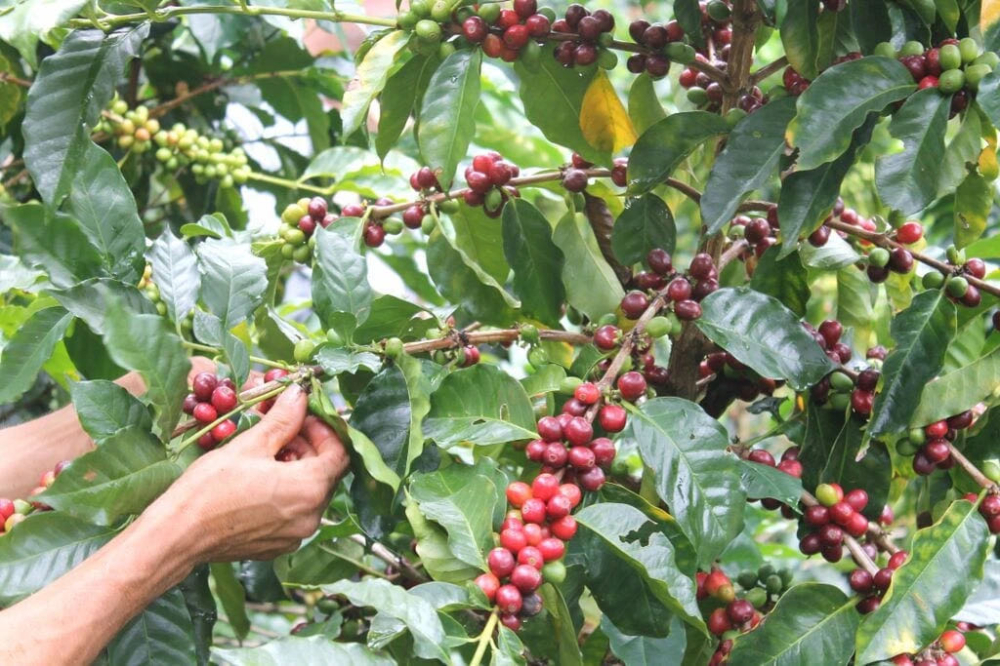
Although Arabica coffee beans still dominate, in recent years climate and environmental issues have frequently occurred in various producing regions, and coffee growing conditions are deteriorating. Future coffee cultivation will face severe challenges. Robusta itself has strong survival ability, so in the future more hybrid coffee varieties with Robusta lineage are likely to emerge.
Why not give Robusta a try
Nowadays, as the atmosphere for learning about coffee grows stronger, many friends want to taste Robusta coffee. However, top-quality Robusta requires higher production costs, so its selling price is naturally high. Moreover, Robusta's flavor is overall intense and heavy, not acceptable to everyone, so Front Street Coffee suggests starting with an espresso blend containing Robusta.
As Front Street Coffee mentioned above, dark-roasted Robusta produces abundant crema during extraction. Therefore, Front Street Coffee wanted an espresso blend that could produce a rich, aromatic crema, so we added 10% washed Robusta coffee beans, combined with Colombian washed coffee beans (30%) and Brazilian semi-washed coffee (60%) to create Front Street Coffee's commercial blend. The resulting espresso has a rich golden crema and nutty aroma, with a roasted coffee bitterness when tasted, but accompanied more by a creamy, full-bodied mouthfeel; after swallowing, the bitterness dissipates, leaving a lingering fragrance on the lips and teeth.
For professional coffee knowledge exchange and more coffee bean information, please follow Coffee Workshop (WeChat official account: cafe_style)
For more specialty coffee beans, please add private WeChat Front Street Coffee (FrontStreet Coffee), WeChat ID: qjcoffeex
The above content is compiled by CoffeeHunters, a coffee news website.


