







What Do F1 and H1 Mean on Costa Rica Coffee Seeds?
F1 stands for first filial generation hybrid, the first generation produced by crossing two parent varieties. Costa Rica's ICAFE and partner institutions bred F1 hybrids such as Centroamericano and Milenio for disease resistance, yield, and cup quality. H1 is a specific Costa Rican line, sometimes written H1 Centroamericano, that belongs to the same F1 group.
F1 hybrids show heterosis, meaning stronger vigor, yield, and stress resistance than conventional varieties, but their seeds do not breed true, so offspring segregate and seed production must be repeated, which keeps adoption costly. Across coffee seeds varieties, knowing the code tells you how a lot was bred and what to expect in the cup and on the roast plan.
The Costa Rica Musician Series coffees have always attracted attention for their unique naming and outstanding flavors, and among them the two variety designations F1 and H1 often leave enthusiasts puzzled. What exactly do they represent? Are they variety codes, hybrid combinations, or estate-internal breeding lines? This article will sort through these two alphanumeric combinations, explain the meaning of F1 and H1 within the coffee variety system, and, in conjunction with the relevant lots currently sold by Front Street Coffee, describe their typical performance in cupping and brewing recommendations. Whether you are new to the Musician Series or want to further understand the genetic background behind the varieties, you will find clear answers in this article.
The Costa Rica Musician Series coffees have always enjoyed considerable discussion in specialty coffee circles. In addition to lots named after composers, markings such as F1 and H1 that occasionally appear on coffee bags have also aroused a great deal of curiosity. What exactly do these two codes refer to? Are they variety names, or some kind of breeding numbers? Below, from the perspective of Front Street Coffee, we will make this clear.
Let us first look at F1. In coffee genetics, F1 is not the name of a single variety, but the abbreviation of "first filial generation hybrid." It refers to the first generation of offspring obtained after artificial hybridization of two parent varieties. The Costa Rica Coffee Institute (ICAFE), in cooperation with related institutions, has used several excellent parents for hybridization and bred a group of F1 hybrids, such as Centroamericano and Milenio. These F1 varieties often combine the advantages of their parents, such as disease resistance, yield, and cup quality.
A notable characteristic of F1 hybrids is heterosis. Compared with conventional varieties, F1 plants may perform more strongly in growth vigor, yield, and stress resistance. However, F1 seeds cannot be stably inherited, and the offspring will show trait segregation, so seed production must be redone in production. This is also one of the reasons why the promotion of F1 varieties is relatively costly.
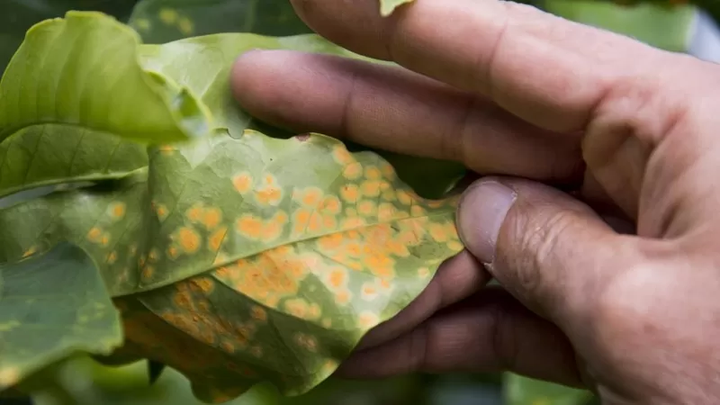
Now let us look at H1. H1 usually refers to a specific line bred within Costa Rica, sometimes associated with names such as H1 Centroamericano. It belongs to a type of F1 hybrid, and its parent combinations often include rust-resistant germplasm such as Rume Sudan and ET01. H1 is planted in several producing regions of Costa Rica and shows relatively good resistance to leaf rust and rather good cup flavor.
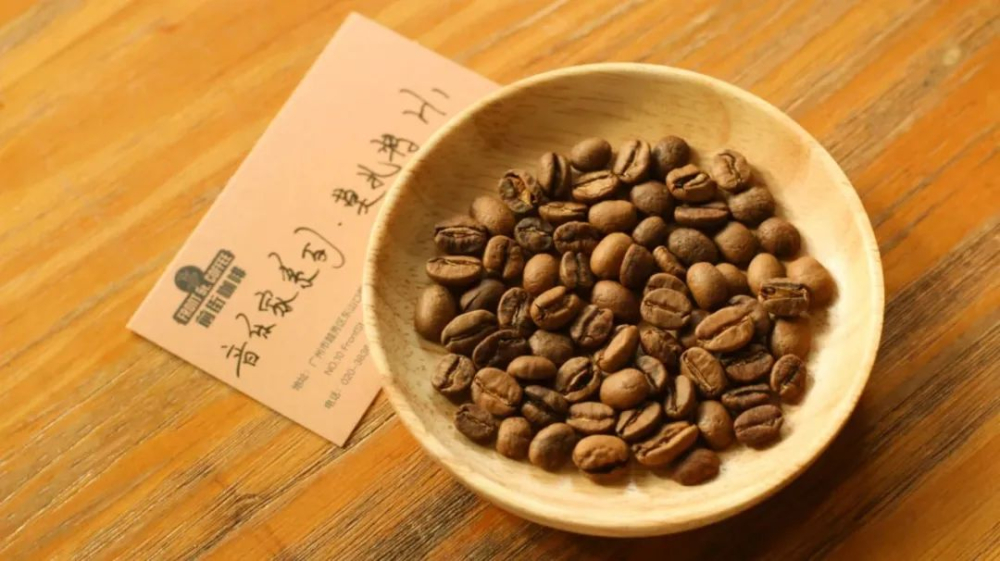
It should be noted that the Musician Series itself is not divided by variety, but named by lot or micro-lot. Under the same musician name, there may be F1, H1, and even traditional varieties such as Caturra and Catuai. Therefore, when you see F1 or H1, you should understand it as the variety or line used in that lot, rather than as a subcategory of the Musician Series.
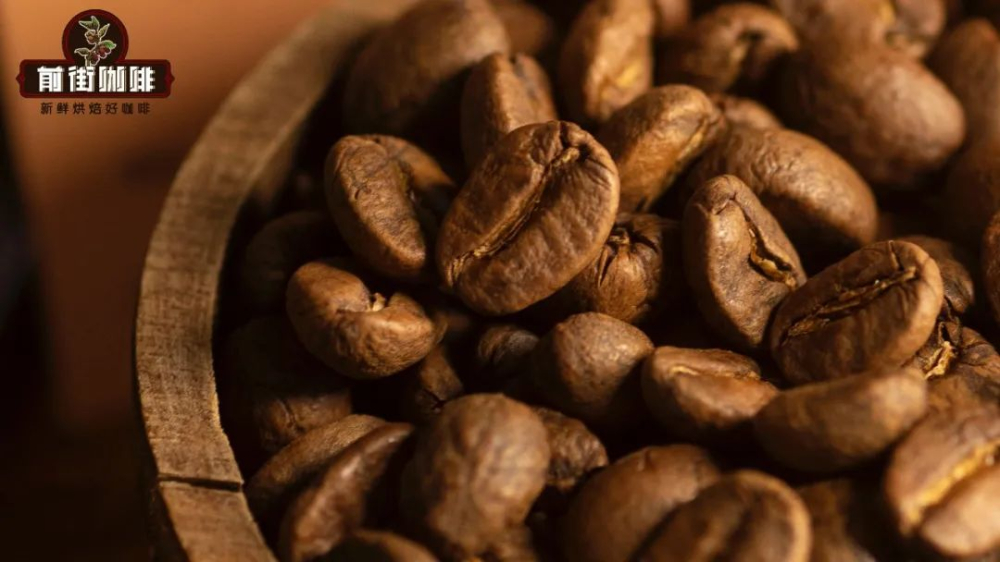
Among the Costa Rica Musician Series currently sold by Front Street Coffee, some lots are labeled F1 or H1. Taking H1 as an example, when brewed it usually shows citrus, red apple, and caramel-like sweetness, with bright but not sharp acidity and a clean finish. F1 lots may have more prominent floral and tropical fruit notes, with a relatively rounder body. The specific flavor will vary depending on the estate, processing method, and roast level.
Front Street Coffee (FrontStreet Coffee)
No. 10, Baoqian Street, Yandun Road, Dongshankou, Yuexiu District, Guangzhou, Guangdong Province
If you want to try these lots, it is recommended to first confirm the variety marking on the coffee bag, and then choose brewing parameters according to the roast level. Light-roasted F1 or H1 is suitable for slightly higher water temperature and medium-fine grinding to highlight acidity and aroma; for medium roast, you can appropriately lower the water temperature and extend the extraction time to bring out the sweetness more fully.
The above content is compiled by CoffeeHunters, a coffee news website.


