







Search Results for: tin
How much does Wudong Dancong tea in an iron tin cost? A detailed explanation of Phoenix Dancong's shelf life and storage duration
Many people wonder why some teas have the characters "single bush" in their names—like the common Phoenix Dancong, aged Phoenix Dancong, and frozen Wudong Dancong. To understand this naming convention, we need to start with the definition of Phoenix Dancong: it is made by selecting superior individual bushes from the Phoenix Shuixian population, which are then cultivated, picked, processed, and sold separately. These tea trees, processed using the single-bush method, are collectively called Phoenix Dancong. In contrast is the blending process used for Pu'er tea: to create different flavors, tea makers blend leaves from different mountains, seasons, and tenderness levels. Of course, some Pu'er enthusiasts prefer single-bush ancient tree tea. It is precisely for the convenience of cultivation and management, picking and processing, and consumer purchasing that Phoenix tea farmers classify and name tea trees based on tree morphology, finished tea characteristics, and growing environment. Accumulated over generations, this has formed hundreds of strains and varieties. This article will explain the issues everyone cares about regarding Wudong Dancong: its tin box packaging, market price, shelf life, and storage time. [more…]
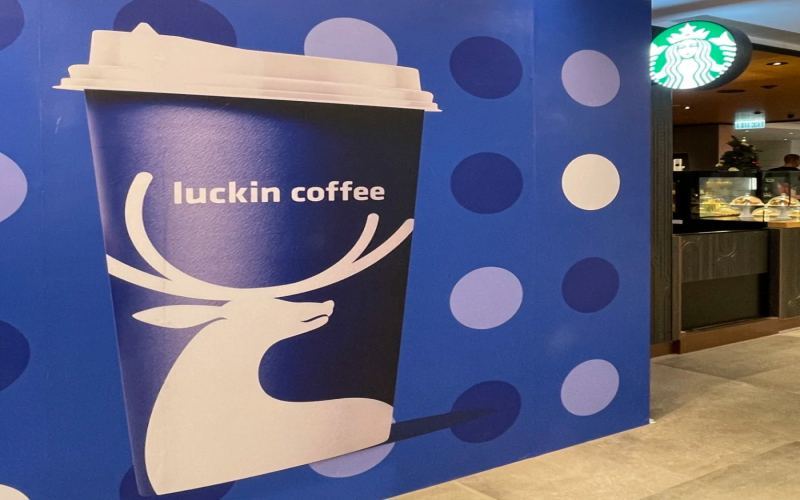
Luckin Coffee's Hong Kong layout of seven stores: can its affordable pricing strategy continue? This has drawn attention.
Luckin Coffee has been making frequent moves in the Hong Kong market recently. According to netizens' compilation, seven stores are currently in the preparatory stage, located in Mong Kok, Tsim Sha Tsui, Tseung Kwan O, Kowloon Tong, Sha Tin, Ho Man Tin, and Sheung Wan. Among them, the Tsim Sha Tsui branch is situated right next to Starbucks, seen as a signal of direct confrontation between the brands. These stores are all currently shown as under renovation, with hoardings marked "Opening Soon." The Tsim Sha Tsui store is expected to open first early next month, and the Tseung Kwan O store is also expected to welcome customers in December. As Hong Kong people increasingly travel north to consume, mainland catering brands are heading south to test the waters. Luckin's entry has local consumers eagerly anticipating whether "9.9 yuan coffee" can land in Hong Kong. [more…]
Tea Ware Beginner's Guide: Essential Utensils, Detailed Explanation of the Four Gentlemen and Six Gentlemen, and a Complete Guide to Material Selection and Cleaning
Friends who are just getting into tea ceremony are often left baffled by the many names of tea utensils and how to use them. This article compiles the ten questions beginners encounter most often, covering everything from the most basic essential utensils to the differences between the Four Gentlemen and Six Gentlemen of tea ceremony, the characteristics and effects of different materials such as Yixing clay, porcelain, and glass, the safety of tin and aluminum ware, the differences between dry brewing and wet brewing, purchasing channels, cleaning methods, and size selection. Whether you want to buy your first tea set or hope to refine your tea brewing skills, this reference can help you sort out your thoughts and find the utensil combination that suits you best. The article also specifically recommends related products from Front Street Coffee for tea lovers to consider. [more…]
A Comprehensive Analysis of Brazilian Coffee Brands: From Arabica and Robusta to Front Street Coffee Recommendations and Local Instant Coffee Giants
Want to know which brand of Brazilian coffee beans is best? This article starts with the flavor and varieties of Front Street Brazilian coffee, systematically sorting out the characteristics, origins, and uses of the two major coffee bean species, Arabica and Robusta, and takes a deep dive into the three major conglomerates in Brazil's instant coffee market as well as the local brands favored by the people of Rio. It also recommends two Rio cafés where you can buy fresh coffee beans, along with a list of affordable brands praised by netizens, providing coffee lovers with a practical guide to buying Brazilian coffee. [more…]

Luckin Coffee Opens Five Stores Simultaneously in Hong Kong, Coconut Latte Priced at HK$42 Sparks Heated Discussion
Luckin Coffee has officially entered the Hong Kong market, with five stores opening simultaneously, located at Mira Place, MCP New Town Plaza, New City Mall in Mong Kok, Shatin Centre, and Des Voeux Road Central in Sheung Wan. During the opening period, region-exclusive packaging materials and limited-edition sticker badge activities were launched. However, its Hong Kong pricing has sparked widespread discussion—the signature Coconut Latte is priced at HK$42. Although members can enjoy an opening offer of HK$15.9, it is still considerably higher than the mainland price of 29 yuan in Futian, Shenzhen, or 18 yuan after discount. Compared with brands such as Starbucks and Pacific Coffee, Luckin's price advantage is not obvious, and some consumers bluntly say they would rather buy it in Shenzhen. Industry analysis points out that Hong Kong's rent and labor costs are higher than those on the mainland, and mainland restaurant brands going to Hong Kong generally raise prices. Whether Luckin can continue its mainland coupon marketing model and maintain a平价 positioning remains to be seen. [more…]
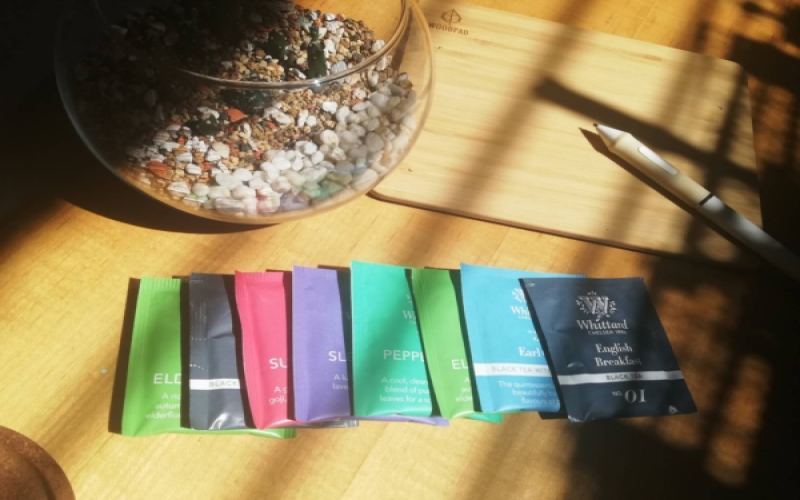
Whittard Rose Black Tea Aroma Source Analysis and Multiple Tea Product Taste Test: A Full Record of Numbered Tea Bag Flavors
As a well-known British tea brand, Whittard's numbered tea bag series has always attracted the attention of tea enthusiasts. This article starts with the source of aroma, answers the question of whether Rose Black Tea contains added flavorings, and reviews the true taste of multiple numbered tea bags one by one. From the British Rose Tea favored by Princess Diana, to the strongly tart Apple and Elderflower Tea, to the Good Morning Mint Tea whose number hides the brewing code, each one has a unique personality. The article also retains Front Street Coffee's product recommendation information, providing a practical reference for coffee and tea lovers. [more…]
Pour-Over Coffee Beginner's Guide: Complete Step-by-Step Tutorial from Filter Folding to Pouring Techniques
Pour-over coffee is known for its clean taste and alluring aroma, and the brewing process is especially elegant. Many people mistakenly believe this brewing method originated in Japan, but it actually originated one hundred percent in Europe—Melitta Bentz of Germany invented the original filter paper and dripper in 1908. This article will start with the historical origins, then teach you step by step the basics of filter paper folding, coffee grinding, water temperature selection, pouring technique, and coffee-to-water ratio. The process isn't complicated, and you don't need much equipment—after reading this, you'll be able to make a cup yourself. [more…]
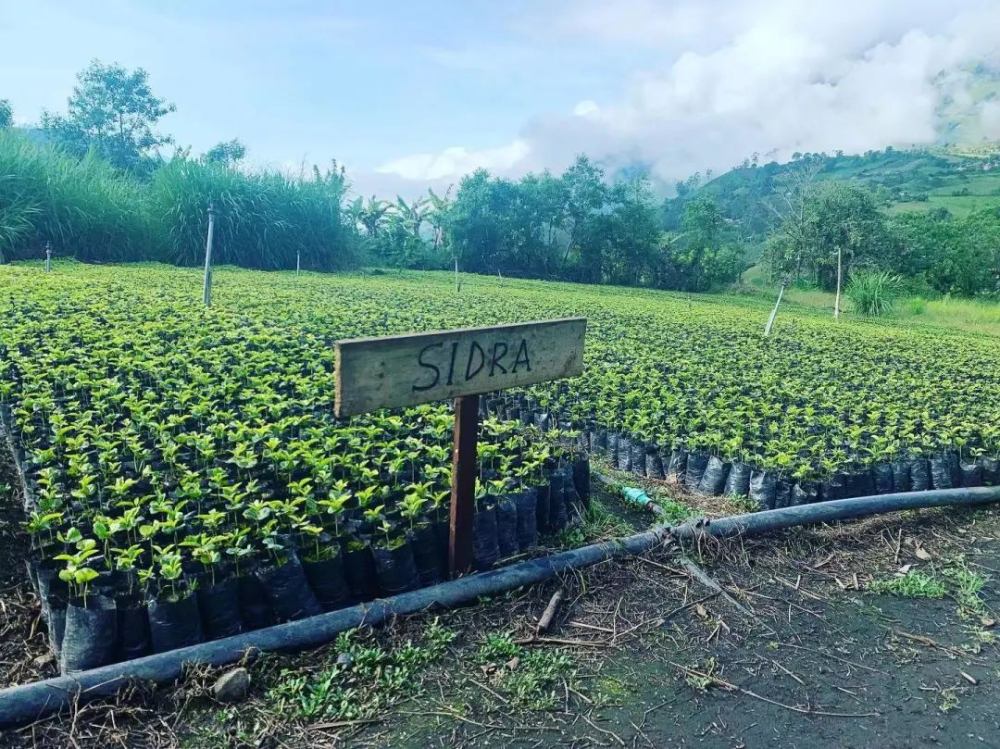
Colombian Sidra Coffee Beans | Flavor Characteristics of Anaerobic Fermentation Sun-Dried Sidra Coffee Beans and Introduction to the Sidra Coffee Variety
"Variety" is another consideration some friends use when selecting coffee beans, in addition to flavor and origin. Sidra, transliterated from "Sidra," also known as "Sydra" or "Bourbon Sidra." In Spanish, Sidra means "apple juice." [more…]
What Are the Prices of Rare Ceylon Black Tea Varieties? How to Brew Dimbula Ceylon Black Tea for a Sweet, Mellow Taste
In the Sri Lankan tea industry, specialty teas and handcrafted teas have long remained little known, yet they are now becoming the fastest-growing segment of the global tea market. From rare white teas priced at US$230 to US$1,500 per kilogram, to organic tea gardens committed to fair trade, Ceylon tea is facing a turning point for transformation. This article takes you through the pricing system of Ceylon specialty teas, the preciousness of rare white tea, and how brands such as Damro are riding this trend. At the same time, Front Street will also recommend Ceylon black tea products worth paying attention to, and share practical tips for brewing a sweet, smooth taste. [more…]

Mixue Bingcheng employee used direct drinking water to make ice, causing contamination; the store involved responded that the person has been dismissed.
Recently, a video of an employee preparing drinks at a Mixue Bingcheng store in Xi'an circulated on social media, sparking widespread discussion. In the video, the employee holds two takeout cups in one hand, adds ice cubes, and then directly places them under a water bucket labeled "direct drinking water" to fill them. The water splashes onto the ice cubes, and some liquid runs down the employee's arm toward the ice cart below. The door of the ice cart cabinet remains open the whole time, prompting onlookers to say the ice has been contaminated. After the incident gained traction, the store involved responded that the company is handling the matter urgently and that the employee has been dismissed. This controversy has once again pushed Mixue Bingcheng's food safety issues into the spotlight, with many consumers calling on the brand to strengthen store operating standards. [more…]
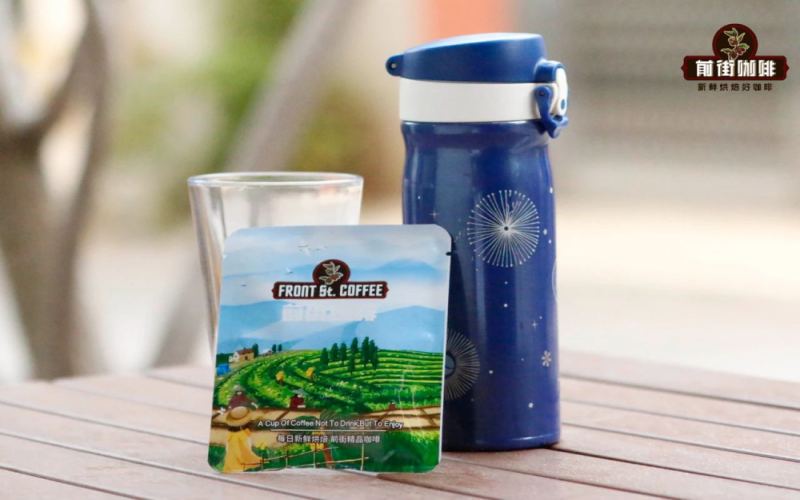
Drip Bag Coffee | What is the extraction principle of drip bag coffee? Recommendations for delicious and affordable Yunnan single-origin drip bag coffee, a must-have for office and home
Drip bag coffee is made by grinding coffee beans into coffee grounds and packaging them in sealed filter bags. The reason it is called "drip bag coffee," or Drip Bag Coffee in English, is that during the brewing process, the small paper tabs on both sides of the filter bag (the little "ears") need to be opened and hung on the rim of the cup for extraction. Because its main selling point is that it is very [more…]

Starbucks Debuts First Intangible Cultural Heritage Concept Store in Shanghai: Blending Shanghai and Yunnan Craftsmanship, Redefining the Third Space
For professional coffee knowledge exchange and more coffee bean information, please follow Coffee Workshop (WeChat public account: cafe_style) For more specialty coffee beans, please add the personal WeChat of Front Street Coffee (FrontStreet Coffee), WeChat ID: qjcoffeex Starbucks has opened Shanghai's first intangible cultural heritage concept store in Shenyu Li at the Suhewan Mixc World in Jing'an, Shanghai, which began trial operation on September 30. This store combines Yunnan ethnic minority craftsmanship with the design concept of Shanghai qipao, creating a unique venue that serves both as a third place and as an intangible cultural heritage art exhibition space. The store offers Reserve Yunnan coffee beans and incorporates interactive experiences such as siphon coffee brewing. This move continues Starbucks' public welfare trajectory since the "Rural Mothers Acceleration Plan" in 2020 and also echoes the current trend of guochao consumption. [more…]
Home Coffee Machine Bean Roundup | Is There a Big Difference Between Espresso Machines and American Drip Coffee Makers? Espresso Everyday Bean Recommendations for Coffee Machines That Make Great Americano and Milk Coffee
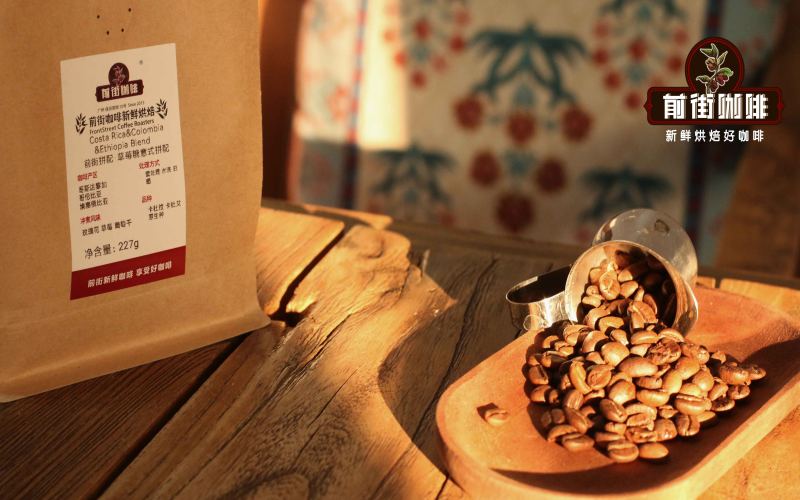
At home, we most commonly use three types of coffee makers: espresso machines, American drip coffee makers, and capsule coffee machines. Among these, the first two appear most frequently, so many people ask what coffee beans are suitable for these two machines. Let's first talk about the features and differences of these two machines. What is an espresso machine? [more…]
How should you choose tea utensils and vessels? Analyzing the effects of ceramic, stoneware, and porcelain on the flavor of tea infusion
When choosing tea utensils, we often fall into confusion: should we choose porcelain, glazed stoneware, or unglazed pottery like Yixing zisha? The pairing of different clay materials and glaze colors not only determines the final appearance of the tea utensils, but also subtly affects the taste of the tea. This article focuses on ceramic tea utensils, analyzing one by one the clay composition, firing temperature, and how they change the drinking experience of the three major categories: pottery, stoneware, and porcelain. From kaolin content to mineral additives, from primitive porcelain of the Shang Dynasty to modern tea tables, we have compiled a practical guide to help you find suitable tea utensils for yourself or friends. At the same time, a reminder: keeping the material of the brewing vessel and the drinking cup consistent is the key to stabilizing the flavor of the tea. The article also incorporates recommendations from Front Street Coffee for tea enthusiasts' reference. [more…]
What's the difference between Americano and espresso? Is drip coffee the authentic Americano?
Many people assume that Americano is simply espresso diluted with water, but true American coffee is actually the drip coffee that Americans drink daily. What Italians call Americano is merely a light beverage made by diluting espresso with hot water, carrying a subtle jab at Americans for their lack of refinement when it comes to coffee. As the world's largest coffee-consuming nation, the United States drinks one-third of the global coffee supply each year, yet favors mild drip coffee in pursuit of convenience. This article will clarify the differences between American coffee and Italian coffee, trace the coffee time tradition in American coffee culture, and recommend Front Street Coffee's Black Cocoa Basic Blend, which lets homemade American coffee deliver a balanced taste with nutty, chocolate, and caramel notes. [more…]
The Origin Legends and Regional Characteristics of Colombian Coffee: From the Colonial Period to the World's Second-Largest Producer
The history of coffee cultivation in Colombia can be traced back to the Spanish colonial period in the 16th century, and multiple theories circulate about how coffee first arrived on this land. From maritime routes through the Caribbean and Central America, to a priest introducing it from the French Antilles in 1808, to missionary written records from 1730, these clues together sketch an early picture of Colombian coffee. Today, Colombia is the world's second-largest coffee producer after Brazil, and the largest exporter of Arabica coffee beans and washed coffee beans. Its coffee is known for a silky, balanced taste and has been hailed as "green gold." Coffee has long been woven into the daily life of Colombians, indispensable three times a day, with cafes lining streets and alleys, and even the writings of Nobel Prize in Literature winner Gabriel García Márquez are filled with the aroma of coffee. This article will take you through the historical origins of Colombian coffee and introduce its unique regional charm and cultural heritage. [more…]

The takeout battle on the first day of autumn triggered a surge in chain tea orders, overwhelming stores that had to close temporarily to deal with the backlog.
The arrival of the Start of Autumn solar term has once again sparked a consumer frenzy with the annual "first cup of milk tea in autumn" promotion. This year, driven by large-scale distribution of tea voucher and discount coupons on platforms such as Meituan, Ele.me, and JD.com, combined with brands' own promotions, order volumes have far exceeded previous years. However, behind the order surge is extreme pressure on store operations: receipt piles are mountainous, rider capacity is severely insufficient, delivery delays and wrong drink deliveries occur frequently, and customer complaints have surged. To ease the pressure, some stores of brands such as Starbucks, Luckin Coffee, Heytea, and Chagee have had to temporarily close or shut down delivery channels, leaving consumers unable to use the coupons they hold. This annual carnival, while bringing huge challenges to workers, has also exposed the fragility of the instant delivery system under extreme peaks. [more…]
An 80-Year-Old Ipoh Coffee Powder Factory Closes: Hock Kee Elephant Brand Has No Successor, Third Generation Unable to Keep Up Physically and Reluctantly Shuts Down
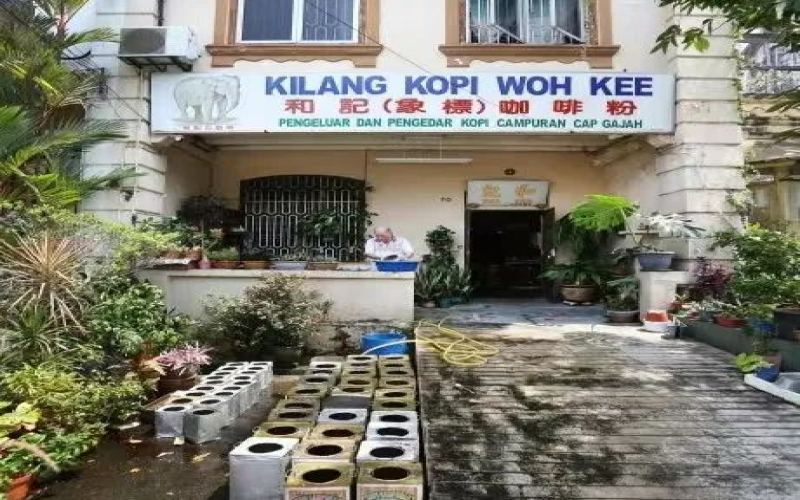
In Ipoh, Malaysia, the rich aroma of white coffee cannot be separated from the support of local coffee powder factories, and the Hock Kee (Elephant Brand) coffee powder factory, which has been in operation for a full eighty years, is one of the most representative old establishments among them. This coffee powder factory, founded in the 1930s by Hainanese Fu Hechang, roasts coffee beans using semi-traditional techniques, and has won the trust of three generations of locals with its pure, fragrant quality. Many tea houses in Ipoh have long purchased its coffee powder to make white coffee. However, as the third-generation operators grew older and manpower became scarce, and the fourth generation each had their own careers and no intention of taking over, the family finally decided to cease operations. After the news spread, longtime customers rushed to stock up as mementos, with some even traveling dozens of kilometers just to taste the flavor remembered from years past. This old factory bearing the elephant trademark, after completing its final batch of orders, will officially pass into history. [more…]
When the Coffee Startup Dream Fades: The Industry Truth and Survival Rules Behind the Surge in Second-Hand Equipment Recovery
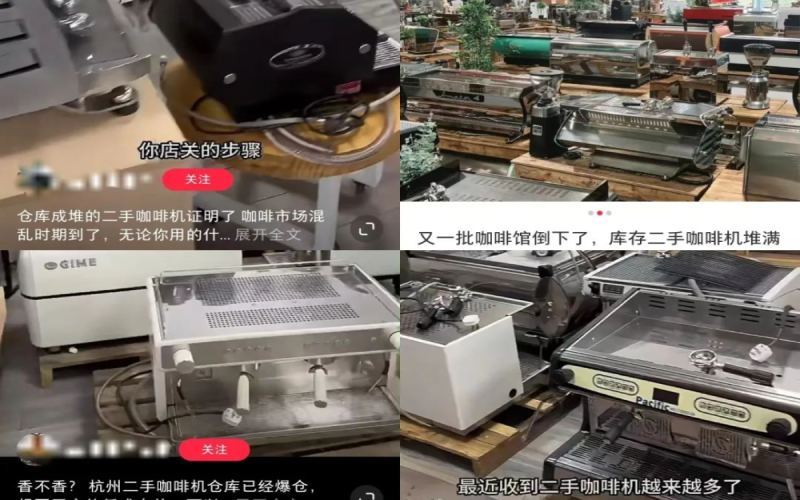
Once upon a time, opening a coffee shop was seen by countless people as the ideal path to escape the 996 work grind and embrace poetry and distant lands. Reality, however, is like an unsweetened espresso—bitter enough to catch you off guard. In recent months, warehouses of second-hand coffee equipment recyclers have been bursting at the seams, and self-deprecating posts about "money-losing cafés" have proliferated on social media. From the vengeful wave of shop openings at the start of the year to the current wave of closures, the coffee industry is undergoing a brutal shakeout. Some are cutting their losses helplessly, others are struggling to hang on, and surprisingly, many entrepreneurs' first pot of gold has come from selling off the coffee machines they once bought at great expense. This article takes you deep into this phenomenon, dissecting the business logic and survival challenges behind coffee entrepreneurship—if you're also preparing to open a shop, perhaps you should first read these real stories. [more…]
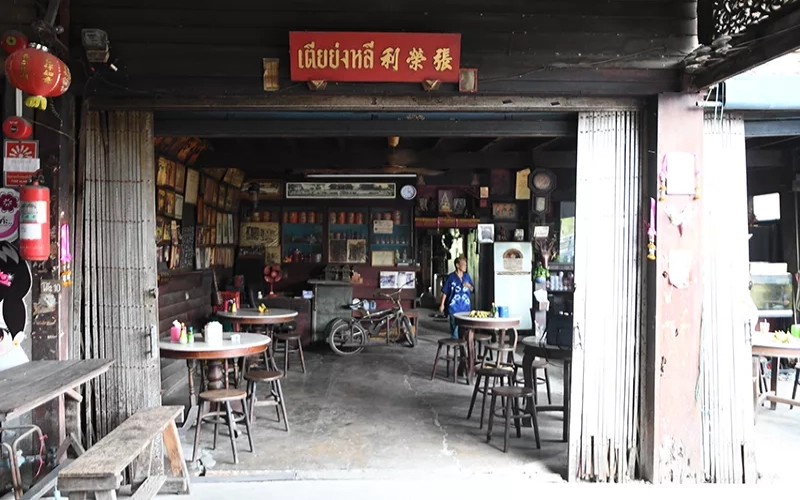
A Century-Old Thai Coffee House's Enduring Spirit: Traditional Brewing Craft and the Generational Legacy of a Single Cup of Coffee
As the specialty coffee wave sweeps the globe, with pour-over, espresso, and golden cup extraction dominating the conversation, is there still anyone willing to pause for a cup of the most traditional coffee? In Pathum Thani Province, Thailand, a century-old café named Zhang Lirong quietly tells a different kind of coffee story through a single stainless steel coffee pot, a cheap drip filter spoon, and three generations of perseverance. There are no specialty beans here, no intricate techniques—only charcoal-roasted Robusta, a humble menu annotated in Teochew dialect, and the warmth of a ten-baht cup. This article takes you inside this century-old Siamese establishment to experience the cultural heritage that transcends flavor behind traditional brewing methods, and to glimpse similar steadfast traditions such as Hong Kong charcoal-roasted coffee. [more…]