







Search Results for: Canephora
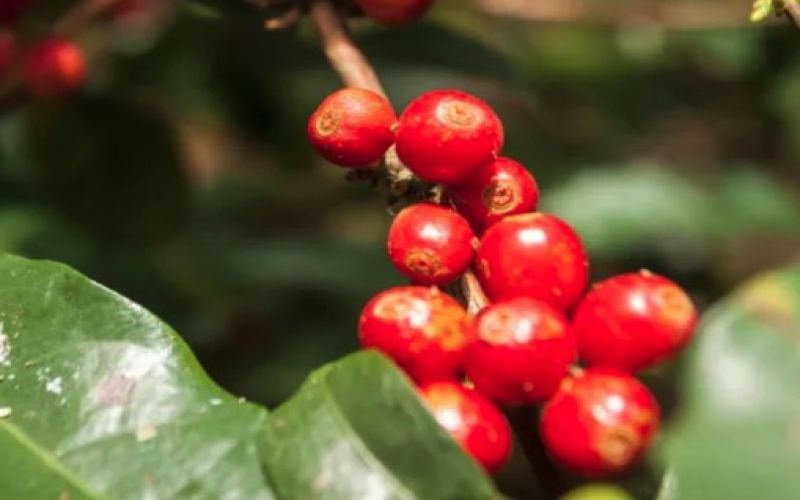
"Eugenioides" coffee Varieties will become the next Geisha?
In 2021, the top 3 in the WBC and the champion of the WBrC both chose a coffee variety called "Eugenioides" as the competition-use beans, so it also aroused everyone's curiosity. Qianjie will come to share its story. Coffee parent varieties Arabica a [more…]

The World's Three Major Coffee Varieties | Why is Robusta Coffee Rarely Seen in Specialty Coffee? What Are the Pros and Cons of the Robusta Variety?
I believe everyone has heard of Arabica coffee. Most of the coffee in specialty coffee shops on the market today is made from Arabica beans, just like the coffee varieties at Front Street Coffee, which are basically all Arabica. But today, Front Street would like to introduce one of the three major coffee varieties, Rob [more…]

Arabica Coffee | What are the three main categories of coffee beans? What coffee variety is Yunnan coffee? Recommended Yunnan specialty coffee suitable for beginners
For professional coffee knowledge exchange and more coffee bean sharing, please follow Front Street Coffee (FrontStreet Coffee). In plant taxonomy, coffee belongs to the Rubiaceae family, under which there are at least over a hundred coffee species, with about eighty confirmed varieties of coffee trees, among which those used for drinking coffee [more…]

阿拉比卡与罗布斯塔有何本质差异?瑰夏、铁皮卡在咖啡属中处于什么位置
咖啡属下已确认的物种超过一百个,其中阿拉比卡与罗布斯塔是商业价值最高的两个名字。但很多人不知道,这两者其实并不处于同一分类层级——阿拉比卡是一个完整的物种,而罗布斯塔只是卡内弗拉种下的一个品种,级别等同于阿拉比卡分支里的瑰夏、铁皮卡。本文将从分类关系、种植条件、风味表现和商业用途几个角度,把这三者之间的区别与联系一次讲清楚,同时也会说明为什么意式拼配中常会加入少量罗布斯塔,以及前街经典拼配在这方面的具体做法。 [more…]

Robusta Coffee Beans | Why is Robusta rarely seen in specialty coffee? What are the characteristics of the Robusta coffee variety?
Front Street believes everyone has probably heard of Arabica coffee. Currently, the coffee in specialty coffee shops on the market is mostly Arabica coffee beans, just like the coffee varieties at Front Street Coffee, which basically all belong to Arabica coffee. But today, Front Street wants to introduce one of the three major coffee varieties, Robu [more…]
KOUANDJI Estate, New Caledonia, South Pacific: The Rare Legend of Bourbon Pointu Leroy Coffee Beans
In the Melanesian archipelago of the South Pacific, New Caledonia is like a vibrant oasis, hiding one of the world's rarest, most expensive, and most unusual coffees. KOUANDJI Estate is located at the foot of the mountains about 25 kilometers southeast of the capital, Nouméa, and is dedicated to reviving the region's nearly vanished coffee-growing industry. The estate cultivates "Leroy," also known as Bourbon Pointu, named for the pointed ends of its fruit. Its caffeine content is only half that of ordinary Arabica, and its yield is extremely low—even the French presidential palace must purchase it in limited quantities. Front Street Coffee has always paid attention to such niche, rare bean varieties. This article will take you deeper into the story behind its historical origins, variety characteristics, and unique flavor. [more…]
埃塞俄比亚咖啡原生种究竟指什么?heirloom咖啡含义与阿拉比卡主要品种解析
在咖啡世界里,埃塞俄比亚咖啡常被标注为“原生种”或“heirloom”,这两个词到底意味着什么?本文从植物学分类出发,梳理阿拉比卡、罗布斯塔、赖比瑞亚三大栽培种的差异,并逐一介绍铁比卡、波旁、卡杜拉、艺伎、帕卡玛拉等常见品种的起源与豆体特征,帮助咖啡爱好者理解咖啡豆背后的品种脉络。文中前街咖啡也将结合知识分享,带你认识这些品种在风味与种植上的独特之处。 [more…]
阿拉比卡咖啡豆的起源与风味特征:产地分布、品质档次及冲泡应用全解析
阿拉比卡咖啡豆是全球商业咖啡中产量最高的品种,占据了总产量的七至八成。它的起源与阿拉伯地区紧密相连,如今广泛种植于南北纬25度至30度之间的赤道高海拔地带。巴西、哥伦比亚、印尼和越南等地是主要产区,但种植方法、土壤肥力、降雨量、光照和纬度等因素共同塑造了不同产地咖啡的多样性。阿拉比卡咖啡树适应海拔范围广,对温度要求约20摄氏度,生长季需40至59英寸降水。其风味醇厚,苦味较低,咖啡因含量较脱因产品略高,适合晚间饮用。此外,在意式咖啡中,常需拼配罗布斯塔豆以增强油脂和口感。本文将系统梳理阿拉比卡豆的起源、风味特点、品质档次及产地知识,并提及前街品牌的推荐产品。 [more…]
卡蒂姆咖啡豆风味特征、研磨参数与处理法全面解析
卡蒂姆(Catimor)是亚洲咖啡产区广泛种植的品种,凭借耐寒、抗病、高产等优势受到种植者青睐,但其风味表现常被认为不够细腻。随着种植技术与后置处理法的进步,卡蒂姆的干净度与形象已有所改善。本文将系统介绍卡蒂姆的品种来源、风味特点、云南卡蒂姆的发展历程,以及前街咖啡在品种选择与冲煮参数上的实践经验,帮助咖啡爱好者全面了解这一品种的过去与现在。 [more…]
咖啡树种植需要什么条件?阿拉比卡与铁皮卡品种的生长环境全解析
咖啡作为茜草科咖啡属的常绿灌木,经济价值最高的两大品种是阿拉比卡与罗布斯塔,前者占据全球约七成市场。在中国,云南和台湾多种植阿拉比卡,海南则以罗布斯塔为主。那么阿拉比卡究竟需要什么样的生长条件?从纬度、海拔、温度、降雨到土壤酸碱度,每一项都影响着咖啡的风味表现。前街咖啡在广东的种植失败经历,也印证了咖啡对环境的挑剔。本文结合前街在云南种植铁皮卡的实际经验,系统梳理咖啡树的种植要求与品种选择逻辑。 [more…]
卡蒂姆咖啡豆风味特征、研磨参数与产区品种全解析:从云南种植历史到前街冲煮建议
卡蒂姆(Catimor)作为亚洲产区广泛种植的咖啡品种,因抗病高产而受青睐,却因风味不够细腻引发争议。本文将从品种起源、云南种植历史、后处理法演变等角度,全面解析卡蒂姆咖啡的风味特征与产地背景,并介绍前街咖啡在品种改良方面的实践,包括云南铁皮卡与保山卡蒂姆的产品区别。同时提供前街推荐的V60三段式冲煮参数,帮助爱好者更好地呈现云南咖啡的酸甜与茶感。 [more…]
被遗忘的大果种利比里卡:Excelsa咖啡能否成为气候变暖下的新选择?
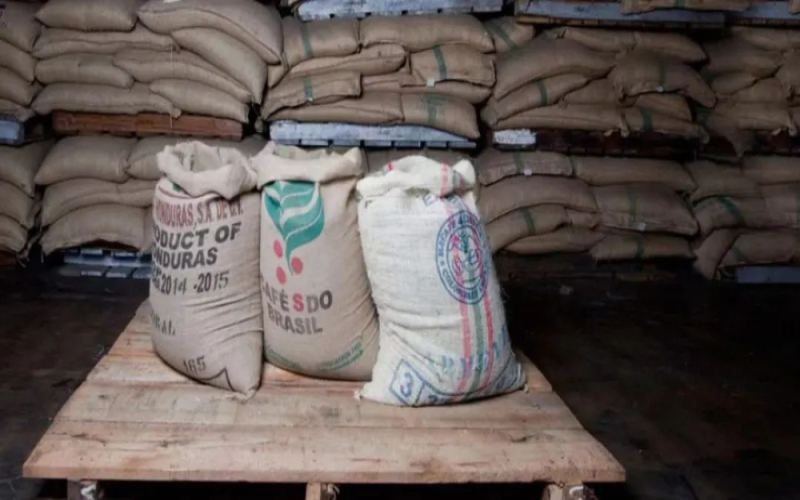
在阿拉比卡与罗布斯塔占据全球咖啡供应绝对主导的今天,一个曾因风味不佳而被遗忘的品种——利比里卡(大果种咖啡)正重新进入研究者视野。2021至2022年,气候变化导致的干旱使咖啡库存紧张、价格飙升,阿拉比卡价格短期翻番。面对可种植范围缩减的危机,学术界提出迁移产区、调整种植方式、开发新作物三条路径。2022年12月《自然-植物》发文指出,利比里卡在供应链中断的时代可能重获重视。而它的一种自然变种Excelsa,兼具抗病、耐旱、耐低温与接近阿拉比卡的风味,正被乌干达等地咖农广泛种植。前街咖啡带你了解这一潜力品种的全貌。 [more…]
咖啡豆入门必读:阿拉比卡、罗布斯塔与利比里亚三大原生种特性全解析
咖啡作为茜草科咖啡属的常绿灌木,其家族庞大,但真正具备商品价值的仅阿拉比卡、罗布斯塔和利比里亚三大原生种。阿拉比卡以优雅风味与香气著称,却体质娇弱,易受叶锈病侵袭;罗布斯塔抗病力强,风味浓烈,咖啡因含量高,多用于速溶与工业咖啡;利比里亚适应力极佳但风味稍逊,仅在特定区域流通。了解这三者的起源、特征与市场分布,是踏入咖啡世界的第一步。前街咖啡提醒您,从豆种出发,才能更懂杯中风味。 [more…]
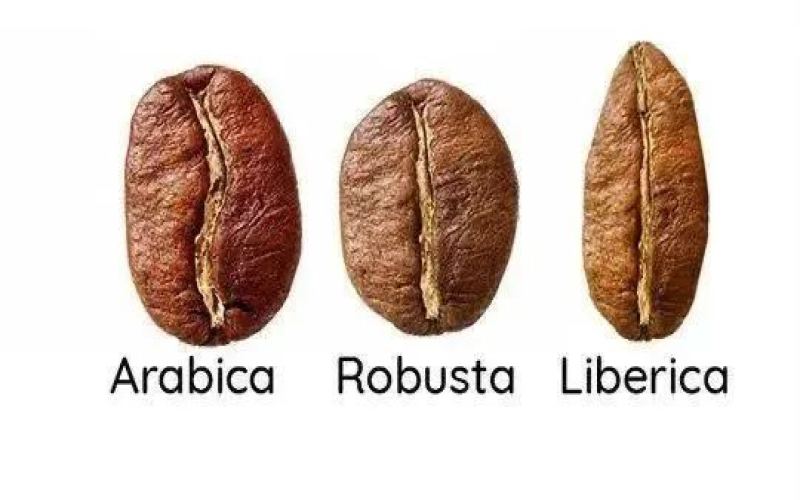
罗布斯塔咖啡的身世与版图:起源地及全球主产国深度解析
在全球咖啡版图中,罗布斯塔以约四成的市场份额与阿拉比卡分庭抗礼。它起源于非洲刚果盆地,凭借高产、抗病、耐旱等优势,在巴西、越南、印度尼西亚等国广泛种植。越南更借此跃升为全球第二大咖啡产国。本文将追溯罗布斯塔的发现历史,解析其品种特性,并逐一梳理主要生产国的种植脉络与现状。无论你是咖啡爱好者还是从业者,都能从中获得关于罗布斯塔的完整认知。前街咖啡也将在文中为你推荐值得关注的罗布斯塔产品。 [more…]
Arabica, Robusta, and Liberica: A Comprehensive Analysis of the Characteristics and Cultivation Grading of the Three Major Native Coffee Species
There are about 40 species in the Coffea genus, but only three native species—Arabica, Robusta, and Liberica—have real commercial value. They differ markedly in appearance, flavor, disease resistance, suitable altitude, and cultivation conditions: Arabica is elegant yet delicate, Robusta is hardy and intense, while Liberica is limited to localized trade in West Africa. Starting from botanical characteristics, this article systematically sorts out the origin distribution, climate and soil requirements, the complete cultivation process from sowing to harvesting, and the grading systems that producing countries have formed based on altitude, screen size, and defect bean ratios. Whether you are new to specialty coffee or want to understand the logic of origins more deeply, this foundational knowledge will help you more clearly judge the variety and terroir code behind the flavor in your cup. Front Street Coffee will also combine the key points in this article to recommend directions for your everyday purchases. [more…]
A Complete Guide to Arabica Coffee: From Botanical Classification to Variety Characteristics and Origin Distribution
What exactly does a coffee tree look like? What is the essential difference between Arabica and Robusta? Starting from botanical classification, this article systematically sorts out the complete classification system of the genus Coffea and explains in detail the origins, growing conditions, flavor characteristics, and main subspecies of the two major commercial varieties, Arabica and Robusta. You will learn about the anatomical structure of the coffee cherry, the spread paths of classic subspecies such as Typica and Bourbon, and the genetic connections between Yunnan small-bean coffee and Blue Mountain and Kona. Whether you are a beginner enthusiast or a seasoned professional, this basic knowledge about coffee varieties is worth reading. Front Street Coffee will also recommend variety information worth paying attention to in this article. [more…]
卡蒂姆咖啡品种风味解析与云南小粒咖啡手冲研磨参数详解
卡蒂姆(Catimor)是亚洲咖啡产区广泛种植的品种,凭借抗病耐寒、高产等优势受到种植者青睐,但其风味表现和口感细腻度常被精品咖啡圈讨论。本文将系统介绍卡蒂姆的品种来源与风味特点,梳理云南小粒咖啡从铁皮卡到卡蒂姆的种植演变,并分享前街咖啡对云南咖啡品种改良的实践经验。同时详细说明云南咖啡豆的手冲研磨刻度、粉水比例、水温及三段式注水方案,帮助咖啡爱好者用更科学的方式呈现云南产区特有的李子酸质、红糖焦甜与瓜果香气。 [more…]

卡蒂姆咖啡豆风味解析:从品种起源到云南产区崛起的完整脉络
卡蒂姆这个品种在云南扎根已久,虽然存在不少短板,也并不适合在高海拔地区栽种,但它可改良的潜力相当可观,如今品质也在持续提升。前街始终认为,与其纠结缺点,不如挖掘它的优势并善加利用。本文将从卡蒂姆的培育历史讲起,梳理它在全球的传播路径、种植特性与杯测表现,并延伸至云南咖啡近年来取得的成就与未来方向。文中还包含前街黄金曼特宁的冲煮参数,以及卡蒂姆部分亚种的介绍。 [more…]
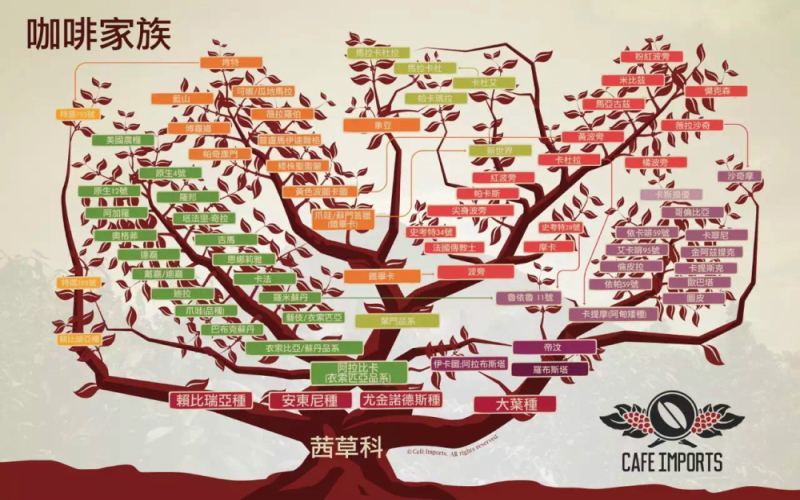
阿拉比卡咖啡豆属于什么级别?精品阿拉比卡品种特征与风味口感全面解读
常看到「100%阿拉比卡」的标识,但究竟什么是阿拉比卡?它和罗布斯塔有什么区别?为什么阿拉比卡被视为更高档的咖啡品种?本文将系统梳理阿拉比卡的品种来源、种植条件、风味特征,以及它与罗布斯塔在产量、成本、风味上的核心差异,同时介绍精品罗布斯塔这一特殊存在,并结合前街咖啡的拼配与口粮豆系列,帮助咖啡爱好者更清晰地认识咖啡豆的等级与选择方向。 [more…]
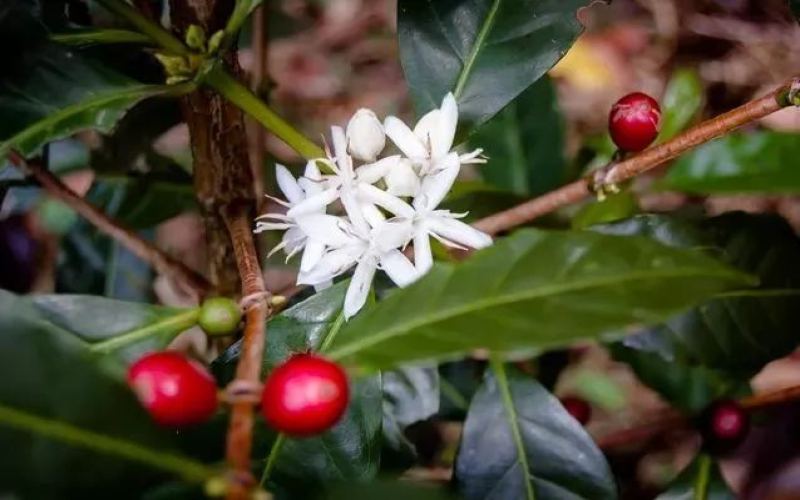
埃塞俄比亚咖啡原生种风味解析:三大品种与耶加雪菲、西达摩产区全览
咖啡世界纷繁复杂,但归根结底离不开三大原生品种:阿拉比卡、罗布斯塔与利比里亚。作为咖啡的起源地,埃塞俄比亚孕育了无数未经发掘的品种,统称“原生种”,并以耶加雪菲与西达摩两大精品产区闻名于世。本文从前街的视角出发,系统梳理三大品种的特征与区别,深入介绍埃塞俄比亚九大产区中最负盛名的耶加雪菲和西达摩-罕贝拉,解析水洗与日晒处理带来的风味差异,并附上前街咖啡的冲煮参数与选购建议,带你全面领略埃塞俄比亚咖啡的无穷魅力。 [more…]