








How Does Coffee Brewing Work with the Switch Smart Mug?
Tetsu Kasuya's updated hybrid brewing method uses a Hario V60 Switch to combine immersion and drip extraction in one pour-over. The process relies on a valve-equipped smart dripper: coffee steeps in water, then the valve opens for a controlled drawdown. Two small adjustments to pouring and timing improve extraction stability and uniformity, making the method easier for beginners to repeat.
A typical recipe uses a 1:15 coffee-to-water ratio, medium grind, and staged pours at specific water temperatures. The coffee bean process matters here: the valve controls when water contacts the grounds, so the same beans extract more evenly than with a standard V60. Brewers can adjust grind size, pour timing, and temperature to match their taste.
Building on the original 4-6 method, Tetsu Kasuya has made new adjustments to the hybrid brewing method. By changing just two operational details, he has noticeably improved extraction stability and uniformity. The hybrid brewing method combines immersion and drip brewing, and requires a smart dripper with a valve to execute. This time, Front Street Coffee uses a Diamond Mountain bean from Hacienda La Esmeralda as an example, demonstrating the complete process of the new hybrid brewing method with a Hario V60 Switch, including coffee-to-water ratio, grind size, staged pouring, and water temperature control, to help you understand the logic behind this brewing approach and adjust it flexibly according to your own taste.
In the opening of a previous video, Mr. Tetsu Kasuya presented to viewers exactly in this way the coffee effect produced by his adjusted hybrid brewing method.
(Call me the screenshot master) Front Street Coffee believes that everyone should already be quite familiar with Tetsu Kasuya. He is not only the champion of the 2016 World Brewers Cup, but also the creator of two well-known brewing methods: the "4-6 method" and the "hybrid/devil brewing method." Whether it is the "4-6 method" or the "hybrid brewing method," both were designed by Mr. Tetsu Kasuya around the core idea of "letting everyone brew delicious coffee." Therefore, these methods are not complicated in practice, and even beginners who have just encountered pour-over can relatively easily make a good cup of coffee.

As Front Street Coffee said earlier, Mr. Tetsu Kasuya recently improved the hybrid brewing method. Although he adjusted only two small actions during the brewing process, it noticeably improved stability and uniformity during extraction, and also made brewing good coffee simpler. So today Front Street Coffee will share with everyone exactly how this brand-new version of the hybrid brewing method is carried out.
New Hybrid Brewing Method What exactly does hybrid brewing mean? It is actually not hard to understand: it means combining different extraction methods together, and the different extraction methods referred to here are precisely "immersion" and "drip." Immersion is steeping coffee grounds in water for extraction; drip is using a stream of water to wash over the coffee grounds to complete extraction. The hybrid brewing method includes both immersion extraction and drip extraction in the same process, which is not common in coffee brewing. However, because the coffee grounds need to remain in water for a period of time, it must be paired with a smart dripper that has a valve to be achieved.
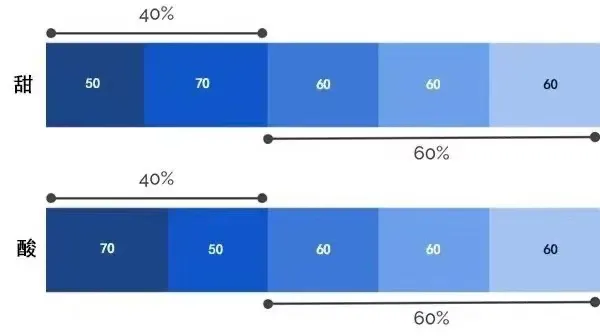
The hybrid brewing method evolved from the 4-6 method, so the two are completely consistent in theory, with the difference appearing only in the specific operation. The 4-6 method, as the name suggests, divides the total pouring water into the first 40% and the latter 60%. The water poured in the first stage accounts for 40% of the total, and it affects the flavor direction of the coffee, that is, the balance between acidity and sweetness; the water poured in the latter stage accounts for 60% of the total, and it determines the mouthfeel performance of the coffee.
The hybrid brewing method also divides the brewing water into the first 40% and the latter 60%. The principle is the same, but the difference is that there are fewer pouring stages, and immersion extraction is added during the brewing process. The 4-6 method has five stages in total. The first two stages add up to 40% of the water, and the latter three stages add up to 60%. The first two stages of the hybrid brewing method remain the same, both being drip extraction. The difference is that the latter three stages are combined into one pour, with the water amount still 60% of the total, but the extraction method used for this stage is immersion rather than drip. Operationally it is very simple: before pouring, just close the valve of the smart dripper and then pour.

However, because immersion extraction is added and the immersion time is relatively long, in order to avoid dissolving undesirable substances, the water temperature of the third stage is appropriately lowered. The improved hybrid brewing method, on the basis of the original, changes the first stage of blooming from drip to immersion, and at the same time splits the latter 60% into two pours, one using drip and one using immersion. The purpose of this adjustment is to let the coffee grounds fully contact the water and fully degas during the blooming stage, so that subsequent extraction will also be more uniform and more stable.
The general idea of the operation is roughly like this. Next, Front Street Coffee will demonstrate how exactly to brew with this new version of the hybrid brewing method.
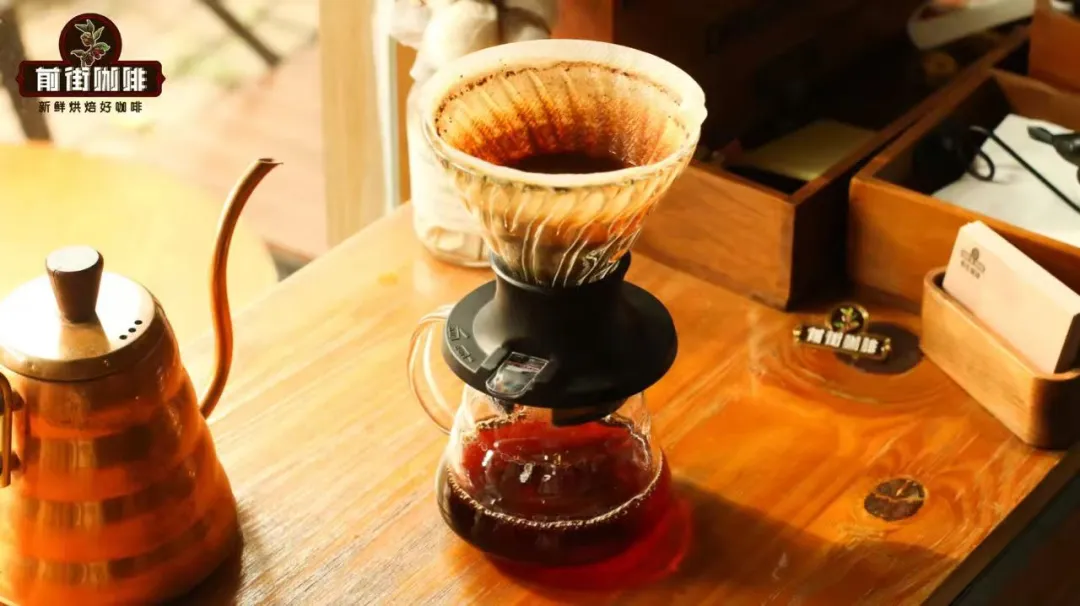
How should the new hybrid brewing method be brewed? This time Front Street Coffee uses Front Street Hacienda La Esmeralda · Diamond Mountain from the Front Street bean list for the demonstration. The brewing parameters are as follows: Dripper used: Hario V60 Switch Coffee dose used: 20g Coffee-to-water ratio: 1:15 Grind level: fine sugar grind, Ek43 setting 10 (75% passing through a No. 20 sieve) Brewing water temperature: first three stages 92°C, last stage 70°C First, close the valve of the smart dripper, then pour in water at twice the coffee dose for a 40-second bloom, with the aim of allowing more complete degassing.
After the bloom ends, open the valve and let the coffee liquid in the dripper flow out. After the coffee liquid finishes dripping, use a slow stream of water to pour the second stage of hot water in circles from the center outward. The water amount for this stage is 80ml, that is, until the digital scale shows 120ml, and the pouring time can be controlled between 20 and 30 seconds.
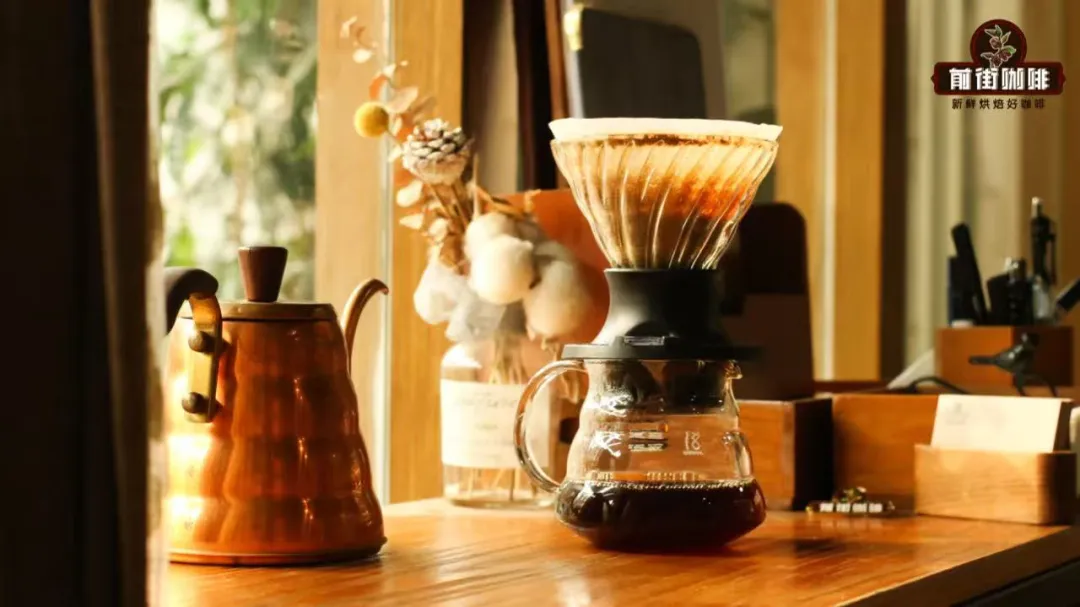
When the coffee liquid in the cup has almost finished dripping, keep the valve open and pour the third stage of hot water. Likewise pour in circles with a slow stream of water. The water amount for this stage is 80ml, that is, until the digital scale shows 200ml.
While waiting for the coffee liquid to drip, add a certain amount of room-temperature water to the kettle to lower the hot water to between 70°C and 80°C. At about 2 minutes 10 seconds, the coffee liquid in the smart dripper has finished dripping. At this point, close the valve, then pour in the remaining 100ml of hot water in one go and immerse for 35 seconds.
When the time reaches 2 minutes 45 seconds, open the valve to end the immersion, then after all the coffee liquid has dripped out, remove the dripper, and extraction is complete.
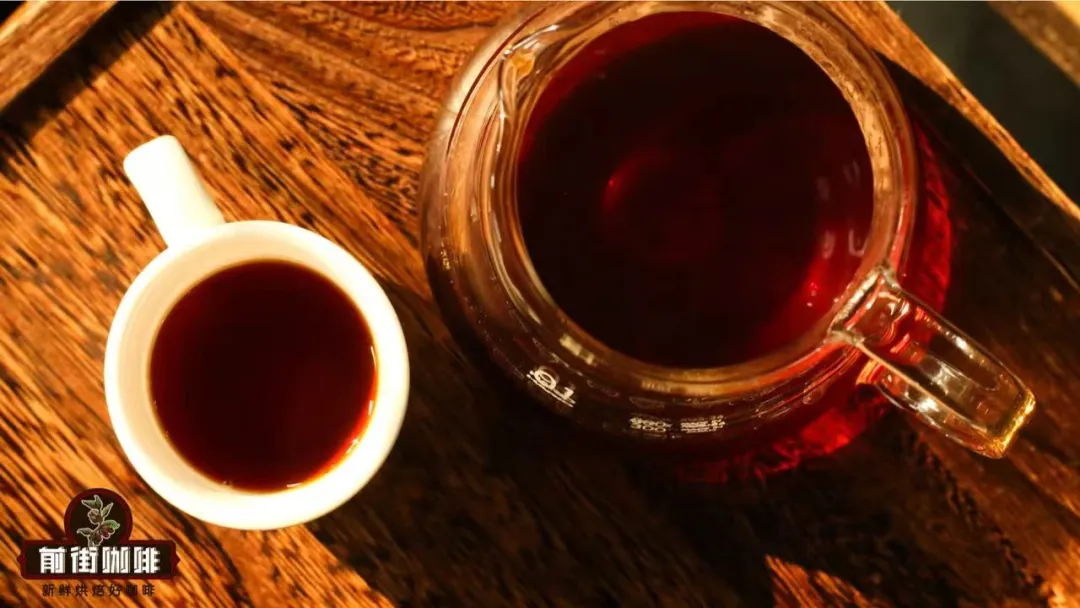
The total time is 3 minutes 20 seconds. Although it is much slower than conventional brewing, because the water temperature was lowered and immersion extraction dominates, the coffee does not show an over-extracted taste; instead, it is quite delicious. The flavors of citrus, berries, and apricot are all well expressed, the taste is balanced, the sweetness is higher, the mouthfeel is as smooth and rich as honey, and the finish is oolong tea, very long-lasting. The above is the complete operational process of the new version of the hybrid brewing method. Everyone can use it as a reference. But just as Mr. Tetsu Kasuya said in the video, this process is fine to use as a template reference. Everyone can freely adjust it according to their own preferences, because taste preferences, the equipment used, and the beans are all different. As long as you grasp the general principles and operation method, and then customize it based on your own understanding, the coffee you brew will definitely be closer to the flavor you like. This is also the philosophy that Front Street Coffee has always shared with everyone. - END -
The above content is compiled by CoffeeHunters, a coffee news website.


