







Search Results for: first shot of espresso
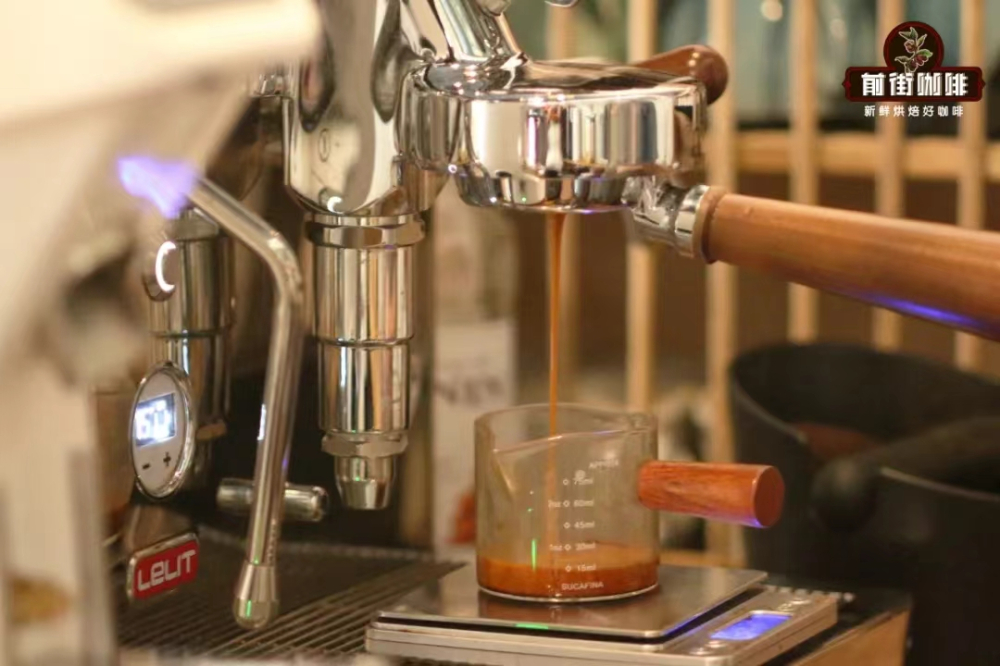
Espresso Extraction Ratios | How Many Milliliters Is a Single Shot of Espresso? What's the Difference Between a Single Shot and a Double Shot?
For more specialty coffee knowledge, please follow our WeChat official account: FrontStreet Coffee. Coffee lovers who often drink Italian milk coffee know that making a milk coffee requires pairing espresso with milk, such as FrontStreet [more…]
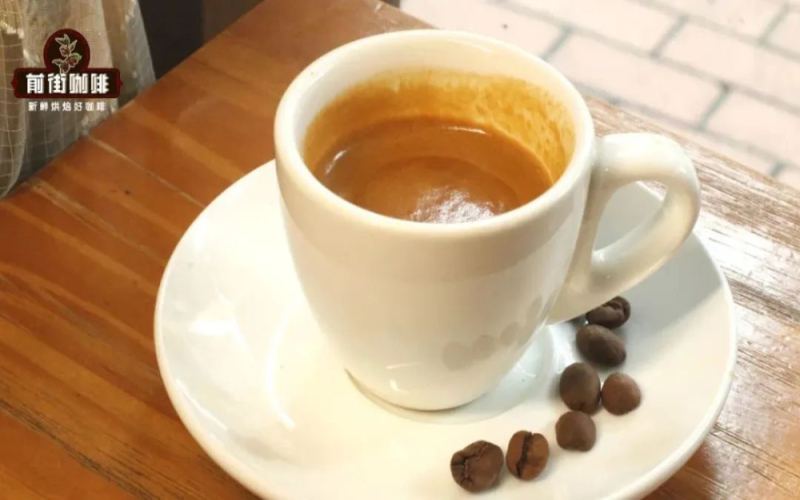
Why Are Single Shots Being Phased Out? A Detailed Explanation of the Differences Between 1 Shot and Double Shots and Their Extraction Variations
When ordering at a coffee shop, you often hear the phrase "add a shot," but do you know what 1 shot actually refers to? In the early days, 1 shot was a 30ml single espresso extracted from 9–11g of grounds, whereas today at most cafés, 1 shot is actually a double espresso extracted from 18–20g of grounds. Why would shops rather pull doubles than use single baskets? What exactly are the differences between single baskets and double baskets in appearance, structure, and extraction performance? Starting from Front Street's extraction experiments, this article uses concrete data to explain why single baskets have been phased out, and analyzes how basket structure affects water flow distribution, extraction uniformity, and channeling, helping coffee enthusiasts understand the extraction logic behind espresso. [more…]
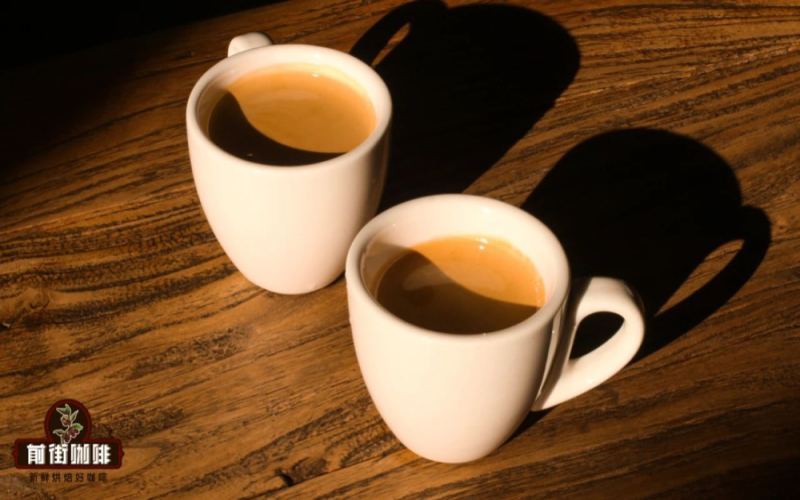
How Much Coffee Grounds for a Single Espresso Shot? 1-Shot Portafilter Extraction Parameters and Practical Guide
How much coffee powder should actually be used for 1 shot of espresso? The traditional standard is 9-11 grams, but this parameter is rarely adopted today, and the root cause lies in the special structure of the single-shot filter basket. The single-shot filter basket is shaped like an inverted cone, with the upper half having the same diameter as the double-shot, while the lower half narrows to maintain the depth of the coffee bed, yet the actual extraction performance is far more complex than "half of a double shot." Precisely for this reason, single-shot filter baskets have gradually fallen out of favor, and more baristas have shifted to double-shot filter baskets, producing one espresso at a 1:2 coffee-to-liquid ratio. In this article, Front Street Coffee will use the Sunflower · Warm Sun blend beans that are standard in our stores, paired with a double-shot filter basket, to fully demonstrate the standard process from weighing the coffee, distributing the grounds, and tamping to extraction and tasting, and to share practical suggestions for adjusting time, flow rate, and flavor. [more…]
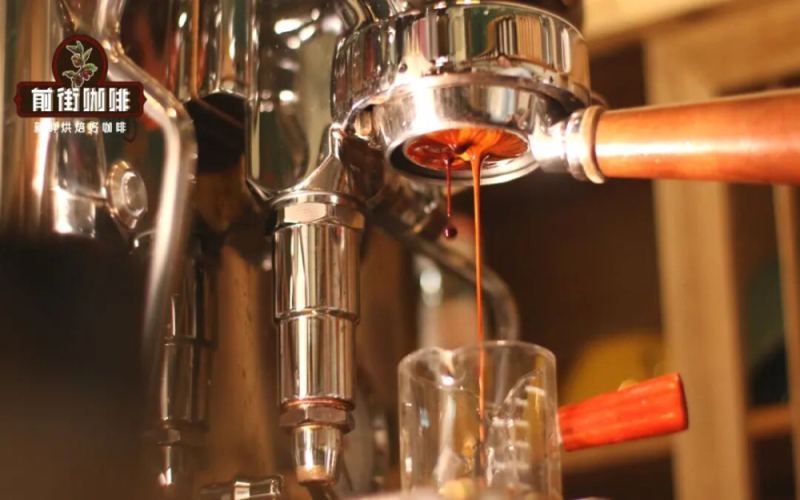
Why Discard the First Espresso Shot from an Espresso Machine? A Full Breakdown of Cleaning, Preheating, and Operation at Home and in Cafés
Many coffee enthusiasts have noticed that after switching on, coffee shops often pour away the first espresso pulled before they begin serving drinks as normal. Behind this seemingly wasteful gesture are actually multiple considerations, including cleaning powder residue, overnight coffee grounds, and machine parameters that have not yet stabilized. But for home users who only make one or two cups a day, is it necessary to copy this practice? Starting from the actual operating habits of Front Street stores, this article systematically sorts out the reasons why the first espresso is discarded, and offers specific advice for home scenarios on whether it needs to be poured out, how to properly handle residual grounds, and how to effectively preheat the coffee machine after deep cleaning, helping you ensure stable flavor in every cup while reducing waste. [more…]
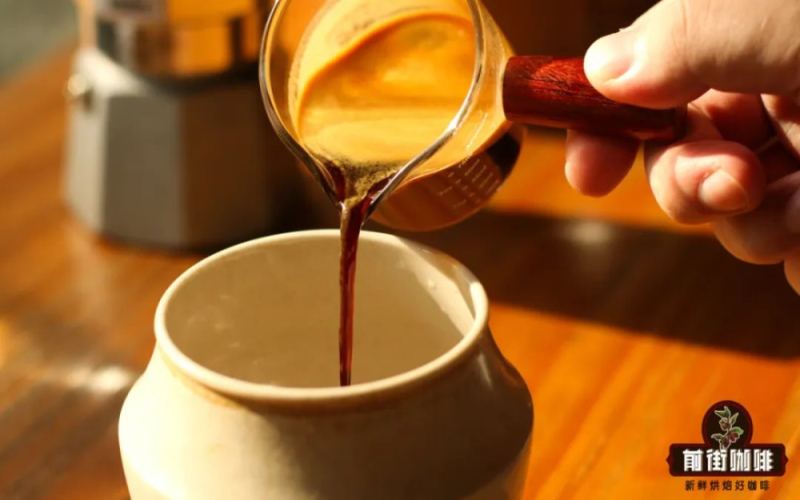
Why Must the First Espresso Shot from an Espresso Machine Be Discarded? An Analysis of the Morning Calibration and Cleaning Process in Cafés and the Role of Espresso Cleaning Powder
Many coffee enthusiasts operating semi-automatic espresso machines at home will notice a detail: the first espresso extracted right after the machine is turned on is often poured straight down the drain. This is not waste, but an early-tuning routine followed by both professional coffee shops and experienced home baristas. Why exactly can't this espresso be drunk? What systematic preparatory work do coffee shops do before officially opening? What role does espresso cleaning powder play in this? This article will focus on the daily startup routine of espresso machines, explain why the first shot of espresso is discarded, and comprehensively lay out the standard steps for in-store morning tuning, while also explaining the uses of cleaning powder and recommendations for choosing it. The article will also draw on the practical experience of Front Street Coffee to help everyone develop a correct mindset for coffee machine maintenance. [more…]
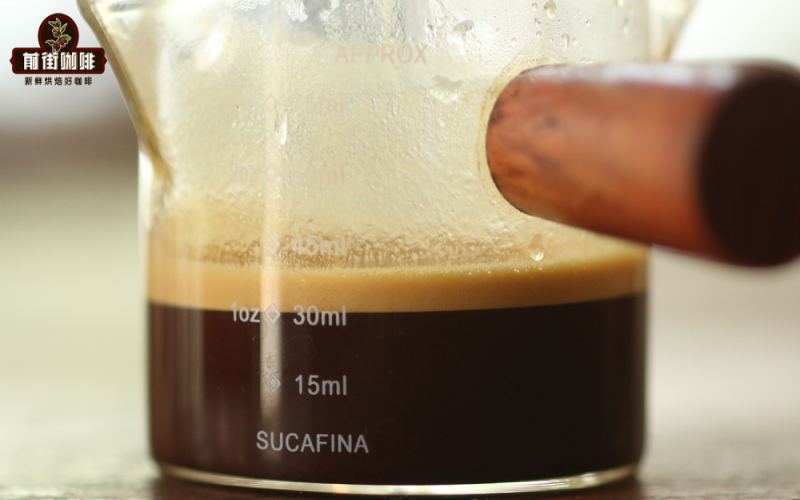
Espresso Extraction Ratios | Is there a big difference between single and double shots of espresso? How do single and double shots differ in taste and mouthfeel?
If you want to order an espresso at a coffee shop, besides saying "I'll have an espresso," you can also say "I'll have a shot." A shot is the unit for espresso; 1 shot espresso means one serving of espresso, and sometimes "sin" is also used. [more…]
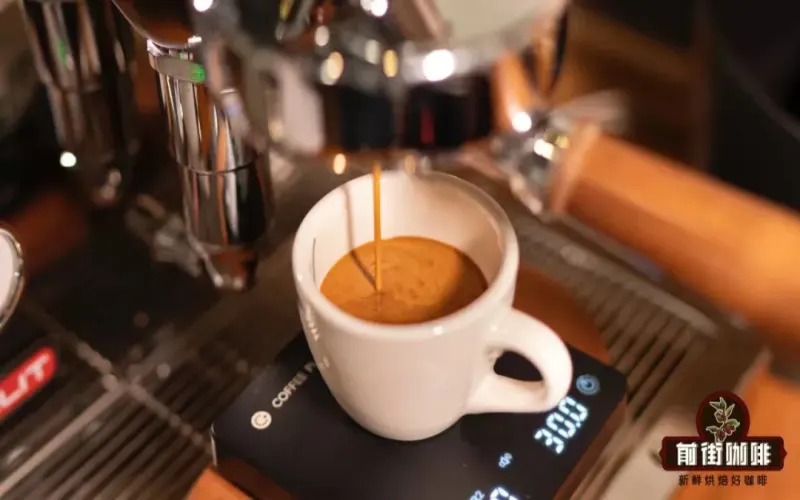
Is it OK to pause and resume an espresso shot mid-extraction? Testing how different resume points affect concentration and flavor
When pulling espresso, you occasionally get distracted and stop before the liquid weight reaches the target. Can you press the brew button again to make up the missing amount? Front Street ran a set of controlled experiments using its own Front Street Strawberry Candy · Espresso: first, a normal espresso was made, then extraction was cut off at one-half, two-thirds, and four-fifths of the target liquid weight and restarted, and a refractometer was used to measure and compare the flavors. The results showed that the earlier the extraction was cut off, the greater the gap in concentration and extraction yield, and the thinner the mouthfeel. The reason is related to changes in puck resistance under pressurized extraction. If you have also encountered the situation of cutting off and then topping up the shot, this hands-on test can give you clear operating advice. [more…]
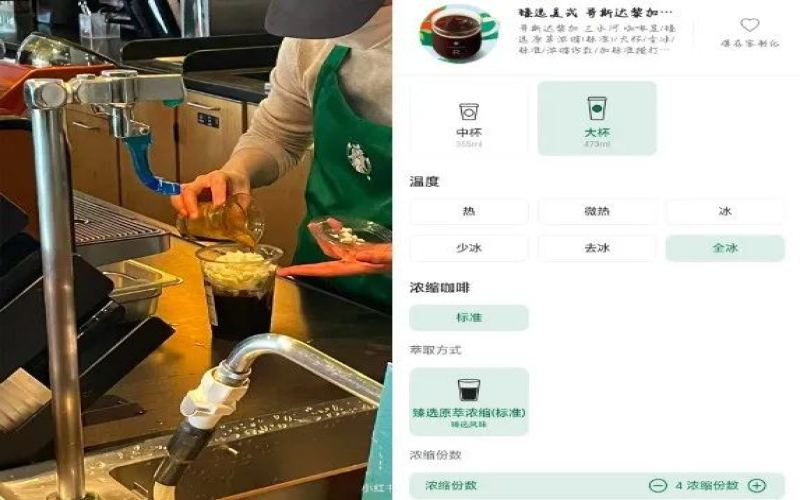
Starbucks' all-ice Americano with one less shot of espresso raises questions: is reduced staff training causing quality control fluctuations?
On the first day back to work, a customer ordered a large Reserve iced Americano at Starbucks, which should have contained four shots of espresso, but only received three. After the staff admitted the mistake, they added an extra shot without asking and returned the drink. This was not an isolated incident; previously, the same store had also missed caramel drizzle on a Caramel Macchiato. Consumers began to question whether Starbucks was cutting corners in its offerings, while employees explained that Reserve bean hoppers typically extract two shots at a time, so normally two extractions would yield four shots, and the shortage was likely due to a misremembered recipe. Meanwhile, on social media, there were continuous complaints about Starbucks lattes tasting weak, hot drinks not filling the cup, and missing hazelnut pieces on whipped cream, along with occasional issues with service attitude. Some employees revealed that after accelerated store expansion, training time was compressed, staff quality varied, and quality control became unstable. Front Street Coffee always pays attention to quality and service trends in the coffee industry. [more…]
What are the differences between single and double espresso shots? Front Street explains taste evaluation and suitable coffee bean selection
For friends who love espresso, the difference between a single shot and a double shot lies not only in the dose, but also has a direct impact on the flavor and strength in the cup. Front Street Coffee systematically sorts out the core differences between the two, from extraction parameters and the choice of filter basket and portafilter to grind size adjustment, and shares how to judge whether a shot of espresso is up to standard from three dimensions: sight, smell, and taste. The article also explores in depth what kind of coffee beans should be used for espresso, explains in detail the trade-off logic between blends and SOE, and recommends four beans specially formulated by roasters—Front Street Classic Blend, Specialty Blend, Commercial Blend, and Dark Cocoa Blend—along with reference pour-over parameters for espresso beans, providing coffee lovers with a complete and practical espresso guide. [more…]
Single or Double Espresso: A Comprehensive Guide to Espresso Extraction Essentials and Parameters
As the base of fancy coffee drinks, the choice between single and double shots of espresso has always been a topic of interest for enthusiasts. A single shot of espresso is about 30 milliliters, while a double shot is about two ounces; the two differ noticeably in dose, extraction performance, and flavor expression. This article will systematically address common espresso extraction questions from the perspectives of basket capacity, brew ratio, and extraction time, and share how to achieve consistent results with medium-dark roasted blend beans. Using a double basket as an example, the article will also demonstrate the standard espresso-making process step by step, including details such as distribution, tamping, and extraction parameter adjustment, while introducing the characteristics and suitable scenarios of two daily beans, Front Street Classic Blend and Front Street Dark Cocoa Blend, to help home users easily replicate café-level espresso bases. [more…]
Espresso Dialing-In in Practice: Master Three Key Details to Easily Calibrate Extraction Parameters and Ratios in Three Shots
Every barista wants to quickly dial in espresso to the ideal state at the start of a shift, and the "three-shot dialing method" is precisely an efficient approach based on the underlying logic of extraction. However, merely understanding the principles of extraction is not enough. In actual practice, there are often easily overlooked details that affect judgment, leading to the waste of a large amount of coffee beans before calibration is achieved. In this article, Front Street will share three key points to note: the impact of hopper fill level on grinding consistency, how to identify and address grinding channel blockage, and how to make fine adjustments through dose or yield beyond adjusting the grind. Mastering these details, combined with a correct understanding of extraction, will make it easier to dial in espresso within three shots. [more…]
Why Do Baristas Discard the First Espresso Shot? A Brief Analysis of How the First Extraction After Startup Affects Flavor
Many coffee enthusiasts have noticed that after a coffee shop starts up its machine in the morning, it often pours the first espresso shot directly down the drain. Behind this seemingly wasteful action lies an important consideration regarding the stability of the espresso machine and extraction quality. This article will take an in-depth look at why the first shot after startup needs to be discarded, and what negative effects skipping this step may have on coffee flavor. At the same time, we will also answer whether it is still necessary to stick to this practice when no cleaning powder is used. By understanding these details, you will gain a more comprehensive grasp of the key points of espresso extraction and improve the stability and taste performance of your daily brewing. [more…]
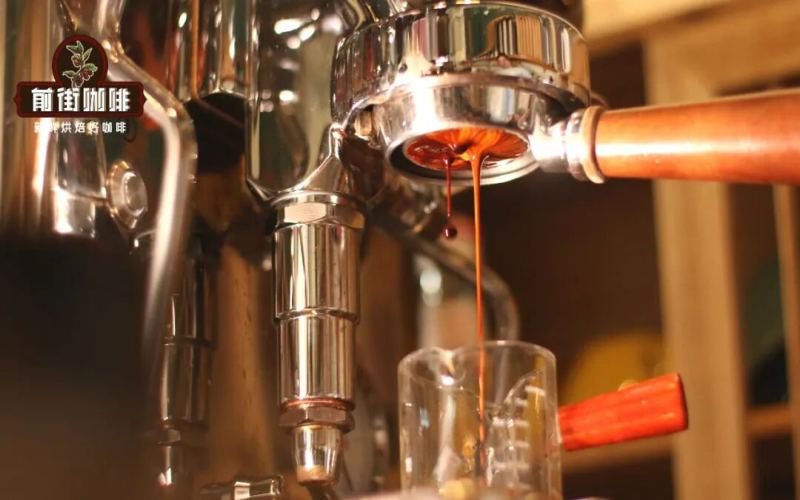
Key Points for Making Espresso | Why Do Coffee Shops Pour Out the First Espresso After Opening? Should You Pour Out the First Shot of Espresso When Making It at Home?
Have you ever seen this scene: a barista turns on the machine in the morning, and the first espresso pulled is not drunk, but "ruthlessly" poured down the drain, then they continue to pull the next shot. Guests who see this will ask why. If you're making coffee at home, do you need to do this too? Why is the first cup [more…]
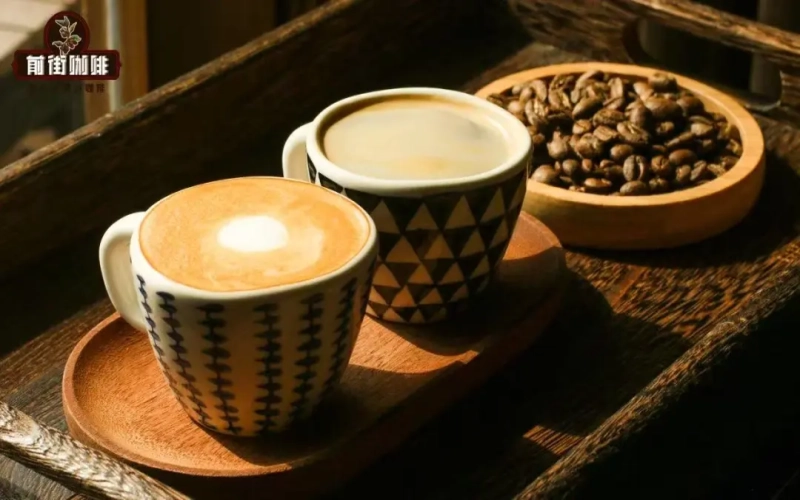
Why is Piccolo Coffee also called a small latte? What exactly is the difference between it and a latte in the use of milk and espresso?
What exactly are the differences between Piccolo coffee and latte? Why is Piccolo Latte called a small latte? This article systematically sorts out the relationship between Piccolo coffee and regular latte from the perspectives of name origin, historical background, cup size, and espresso usage. The article will also explain why Piccolo coffee is rarely served on its own in domestic coffee shops, and if you want to make a delicious Piccolo at home or in a shop, how to extract espresso and how to divide a double shot. Finally, Front Street Coffee will combine its own classic espresso blend beans to share the specific preparation parameters and flavor performance of Piccolo coffee, helping coffee enthusiasts understand this "small latte" more clearly. [more…]
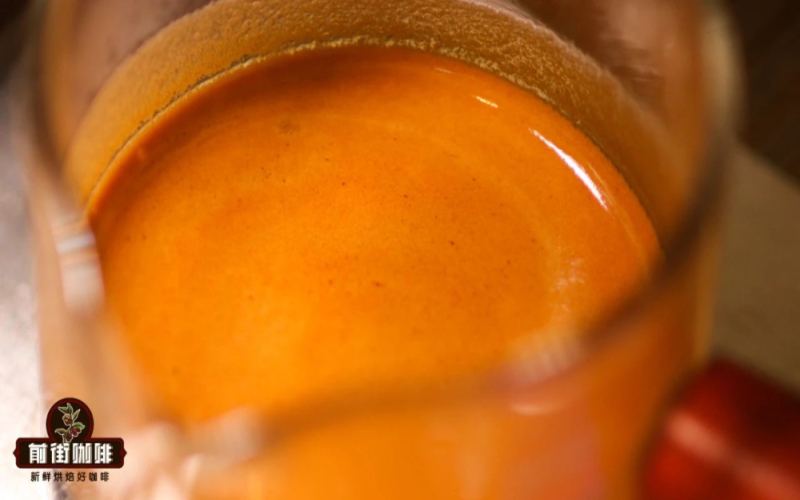
What exactly does a long-shot espresso refer to? An in-depth analysis of the extraction differences and flavor performance between long and short shots.
In coffee shops, Americanos, lattes, and cappuccinos are everywhere, but do you truly understand what espresso means? Does simply adding more water give you espresso? Today, Front Street Coffee will explain in detail the definition of espresso and the difference between long shots and regular extraction. The article will cover the broad and narrow concepts of espresso, the operational key points and flavor characteristics of Ristretto and Lungo, and will also explain how extraction flow rate affects taste, the specific manifestations of under-extraction and over-extraction, as well as new explorations of long extraction methods in the specialty coffee field in recent years. Whether you are a beginner just getting into Italian-style coffee or an enthusiast hoping to refine your extraction technique, this content can help you understand the extraction logic of Italian-style coffee more systematically. [more…]
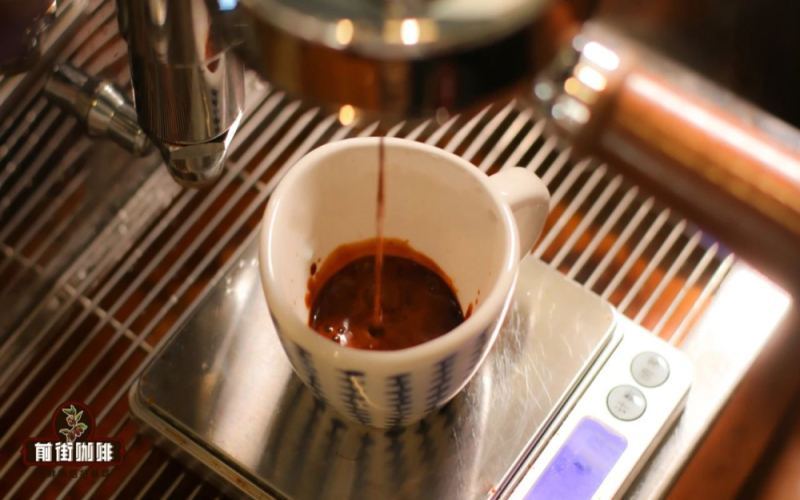
The Origin and Evolution of Espresso, Extraction Parameters and the Full Process for Making a Good Shot
The word Espresso originates from the Italian word Express, meaning fast, and this type of coffee can be produced in an extremely short time. From the initial steam pressure design at the end of the 19th century, to Luigi Bezzerra adding a pressure stabilization device and portafilter in the 20th century, to Gaggia improving the piston system in 1946 to bring golden Crema, Espresso has gone through a history of continuous evolution. This article will sort out the origin and flavor standards of Espresso, and explain in detail Front Street Coffee's practical methods for espresso extraction parameters, dose, water temperature, and time, while also including a complete demonstration of making hot Americano and iced Americano with the Sunflower Warm Sun blend. [more…]
The Complete Guide to Coffee English Vocabulary: From Common Coffee Shop Words to Ordering Terms and Detailed Explanations of Fancy Coffee Names in English
Walking into a coffee shop and facing a wall full of English menus, have you ever felt at a loss? This article systematically compiles common coffee-related English vocabulary, covering basic coffee shop terms, general coffee names, English expressions for fancy coffee, and high-frequency professional terms like Barista, Shot, and Espresso that appear when ordering. Whether you want to enhance your coffee knowledge or hope to be more calm and confident the next time you order, this vocabulary guide can help you quickly master the language code of the coffee world. The article also particularly recommends several products from Front Street Coffee, making it convenient for enthusiasts to follow the guide and learn while tasting. [more…]
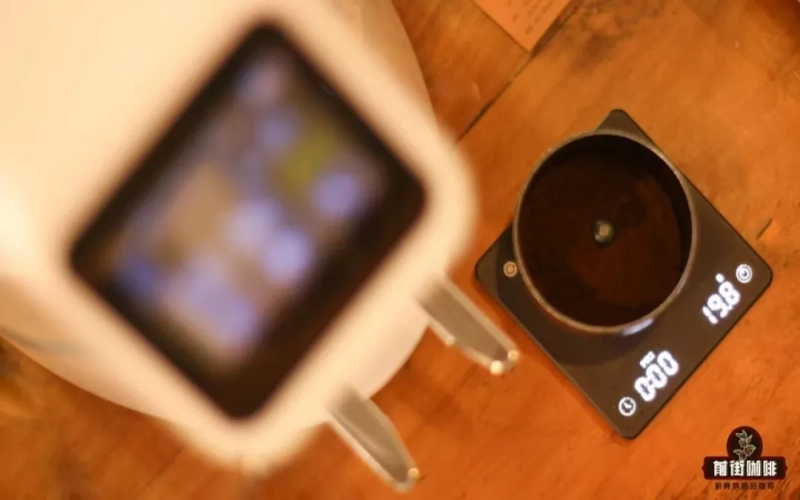
What difference does a 0.5g variation in espresso dose make to the extraction? Actual test data tells you
Many espresso grinders come with a dosing function: set the target weight in grams and it dispenses the grounds automatically, which seems to save you the trouble of weighing each dose. Yet plenty of coffee shops, Front Street Coffee included, still double-check the dose on a separate scale. The reason is that a grinder's dosing isn't always accurate—retained grounds in the chute, static and other factors mean the actual output often differs from the set value. So how much difference does a few tenths of a gram really make to an espresso? Front Street pulled two shots each at 19.5g, 20g and 20.5g and compared them. The results showed that both extraction time and extraction yield changed with the dose, and that mouthfeel and flavor differed noticeably too. Using measured data, this article explains how small dose adjustments affect espresso extraction, and why cafés need to pay attention to these details in the cup they serve. [more…]
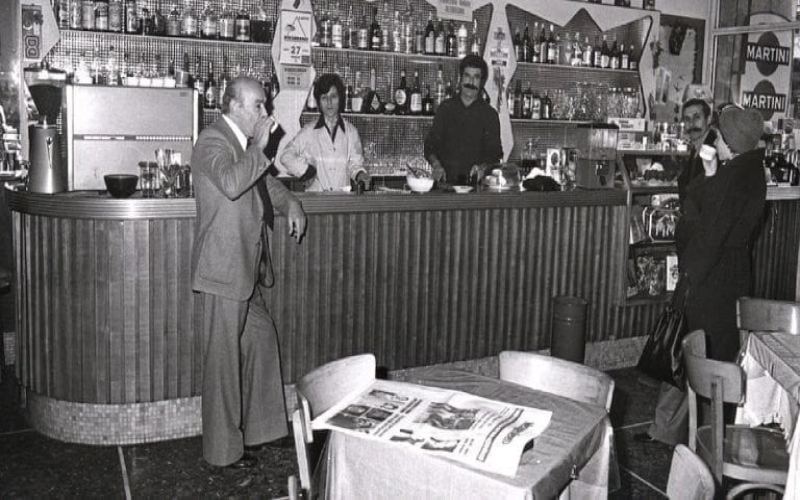
Espresso Brewing Parameters Explained: Dose, Time, Grind Size, and Ratio, with Budget Bean Recommendations for Office and Home
Espresso is the foundation of the Italian coffee system; whether it's a cappuccino, a latte, or a mocha, none can do without a properly extracted espresso base. This article provides a detailed breakdown of the dose, extraction time, liquid yield, and brew ratio parameters for single and double espressos, and explains how to adjust the grind size and use the basket's reference line. At the same time, for office and home scenarios, it introduces four espresso blend coffee beans with different positioning, covering classic blends, specialty blends, commercial blends, and dark cocoa blends, and offers recommendations for the espresso-to-milk ratio and blending in latte coffee, helping coffee enthusiasts find the everyday beans and brewing method that suit them. [more…]
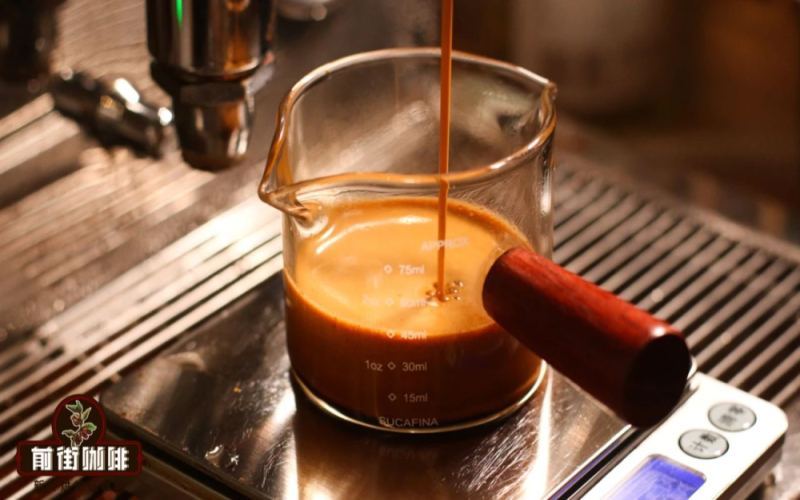
A Comprehensive Guide to the Espresso Family: Espresso, Its Siblings, and Milk Coffee Drink Recipes
Espresso is the foundation and soul of many coffee drinks, and almost any bean variety and roast level can be used to make it. However, around Espresso there are a whole set of "siblings" such as Ristretto, Lungo, Doppio, and Americano, as well as milk coffee and dessert variations like cappuccino, latte, flat white, macchiato, cortado, and affogato, and the differences between them are often confusing. This article systematically sorts out the definitions, extraction parameters, and flavor characteristics of ten common espresso drinks, and includes step-by-step preparation methods for the cappuccino family and other classic styles, helping coffee lovers clarify the full picture of espresso at once. Front Street Coffee will also recommend suitable beans and equipment ideas for you, making it easy to replicate at home. [more…]