







How Do Espresso Brewing Parameters Shape a Good Blend Coffee?
Espresso brewing rests on four parameters: dose, extraction time, yield, and brew ratio. A traditional single shot uses 8 to 9 grams of grounds and yields 25 to 35 milliliters in about 30 seconds, a 1:1 ratio. Doubles scale these numbers up. Grind size and the portafilter basket fill line control how fast water moves through the puck, so small changes shift the flavor noticeably.
Matching beans to the setup matters as much as the numbers. Office and home users often pick a classic blend for milk drinks, a specialty blend for brighter shots, a commercial blend for consistency, or a dark cocoa blend for heavier cups. Milk-based drinks such as cappuccino, latte, and mocha rely on a properly extracted shot as their base, and robusta coffee beans appear in many classic Italian-style blends.
Espresso is the foundation of the Italian coffee system—whether it's a cappuccino, a latte, or a mocha, none of them can do without a properly extracted shot of espresso as their base. This article provides a detailed breakdown of the dose, extraction time, yield, and brew ratio parameters for single and double espressos, and explains how to adjust the grind size and use the fill line on the portafilter basket. It also introduces four espresso blend coffee beans for different needs—covering office and home scenarios—including a classic blend, a specialty blend, a commercial blend, and a dark cocoa blend. It also offers recommendations on the espresso-to-milk ratio and pouring technique for lattes, helping coffee enthusiasts find the right everyday beans and brewing approach for themselves.
It has been a long time since espresso was first created. It is both the pride of Italians and a cultural treasure that Italian coffee has contributed to the world, occupying a position comparable to the significance of Ethiopian heirloom varieties for the development of specialty coffee.
Italian coffee spread from Italy to the rest of the world and became an iconic presence—without espresso, there would be no subsequent development of Italian coffee. Because of this, espresso is often called the base of coffee, as seen in Front Street Coffee's cappuccino, latte, mocha, and others. These beverages have always been classic representatives of Italian coffee and a reflection of culture. Next, Front Street Coffee will explain the extraction ratios for espresso.
Ratios for Single and Double Espresso
Espresso is extremely important because it directly affects the quality of a cup of coffee. A reasonable brew ratio is the core of making good espresso, so Front Street Coffee will briefly discuss the brewing ratios for espresso and how to achieve the right brew ratio through adjustments.
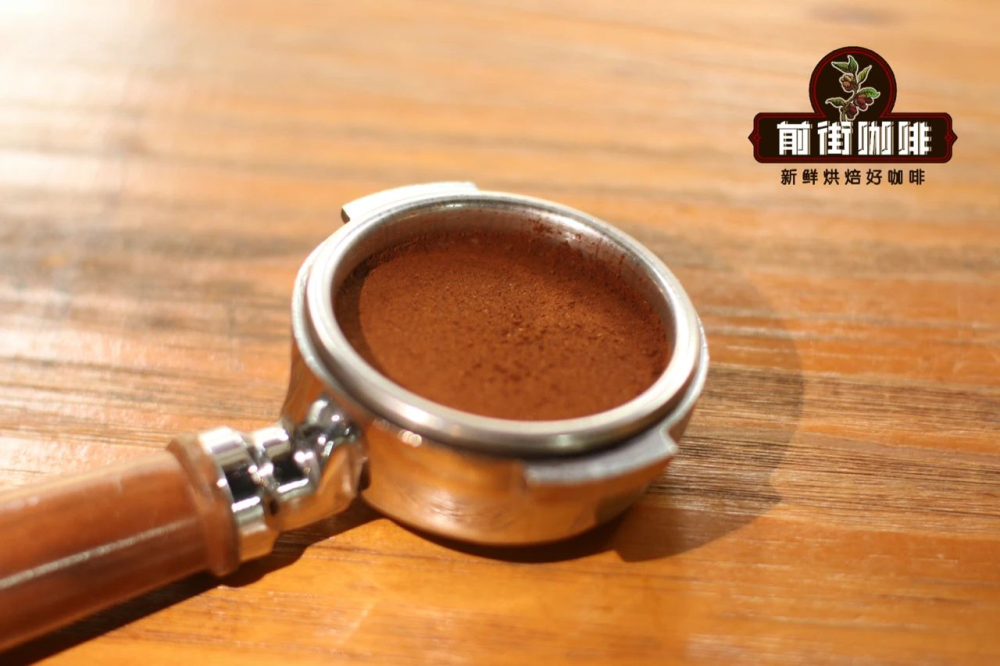
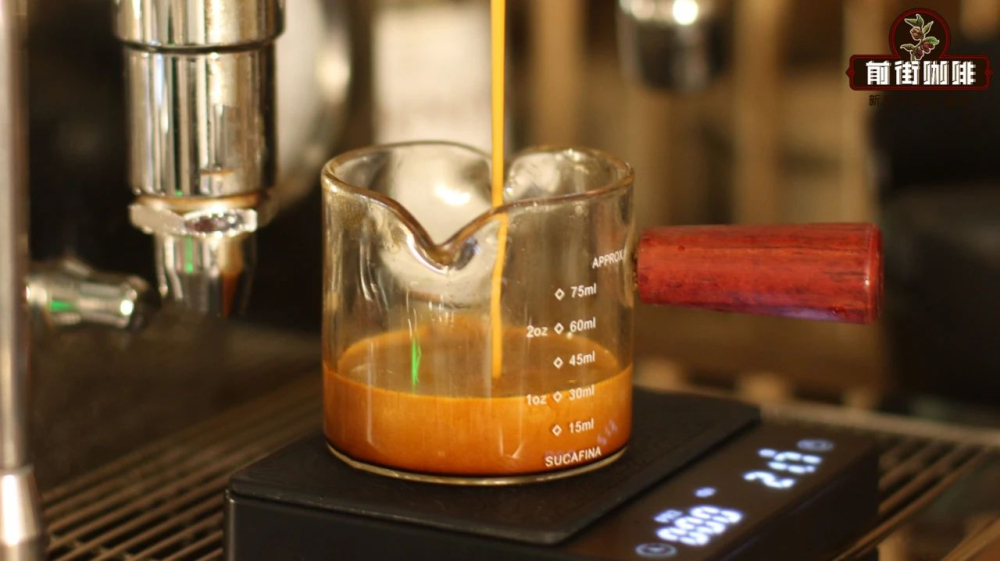
Espresso is divided into single shots and double shots. Traditionally, a single shot uses 8–9 grams of coffee grounds, extracting 25–35 milliliters of espresso within 30 seconds. The brew ratio for a single shot is 1:1—this is the traditional ratio and the one that has been used the longest. A single shot has a rich and intense flavor that is difficult for most people to drink straight. An important step in dosing is weighing: place the portafilter on the scale and tare it to zero, weigh out about 9 grams of coffee grounds, and if you can extract 25–35 grams of espresso liquid within 25–35 seconds, that can be considered a suitable brew ratio. A single shot is the dose commonly used for cappuccino—with equal parts milk, espresso, and milk foam, depending on cup capacity, the traditional ratio being 1:1:1.
A double espresso is of course double the amount of a single shot: 18–20 grams of grounds, again within 25–35 seconds, extracting 55–65 grams of espresso liquid is considered a suitable brew ratio, still at 1:1. The process also requires weighing and taring to zero. A double espresso is the primary dose used for making lattes and Americanos. In terms of taste, it is richer and heavier than a single shot because milk and water are added, diluting the concentration in exchange for a smooth, silky mouthfeel. A single shot would result in insufficient coffee flavor, so the choice between single and double espresso depends on cup capacity.
How do you determine how much coffee grounds to use? The above are the traditional single and double espresso doses. However, portafilter baskets come in different specifications—a single-shot basket can hold as much as 14 grams, and this should be adjusted according to the fill line in the basket. There is a recessed fill line inside the basket that serves as the baseline for the specified dose. The amount of grounds can be adjusted based on this line; exceeding the fill line means too much, or it could also be caused by grinding too coarsely, which creates larger gaps between particles.
Weighing is the way to accurately achieve a reasonable brew ratio. The grind size for espresso should be as fine as flour. The grind setting is typically the lowest number on an espresso grinder, adjusted between 1 and 1.5, primarily based on dose and extraction time—this is the accurate approach.
What Coffee Beans to Use for Espresso
In addition, using different espresso coffee beans to make espresso will produce different coffee flavors. For example, Front Street Dark Cocoa Basic Blend coffee beans are a blend of Brazilian Red Bourbon coffee and Yunnan small-bean coffee. When combined with milk, they highlight rich chocolate, caramel, nut, and slightly tart plum flavors.
This is because espresso machines have a very distinctive characteristic: they amplify the original flavors of the coffee beans. Light-roasted coffee beans already have prominent acidity, and if extracted with an espresso machine, the acidity becomes even more pronounced. Therefore, they are not suitable for making espresso.
So what coffee beans should be used to make a latte? Generally speaking, coffee beans used for making lattes must be suitable for espresso machines, so coffee that is too lightly roasted is not suitable for making lattes. The darker the roast, the stronger the coffee flavor in the latte (caramel, bitterness). The lighter the roast, the more pronounced the milk flavor in the latte. Therefore, the roast level should be chosen to be moderate, allowing the coffee and milk to better complement each other.
Next, Front Street Coffee would like to recommend the following four espresso coffee beans for you to choose from.
Front Street Classic Blend Espresso Coffee Beans Flavor: Pronounced butter, dark chocolate, and cream aromas, nutty flavors, rich roasted notes, abundant crema. Blend: Brazil + Indonesian Mandheling + Vietnamese Robusta
Suitable venues: Office, home, specialty coffee shops
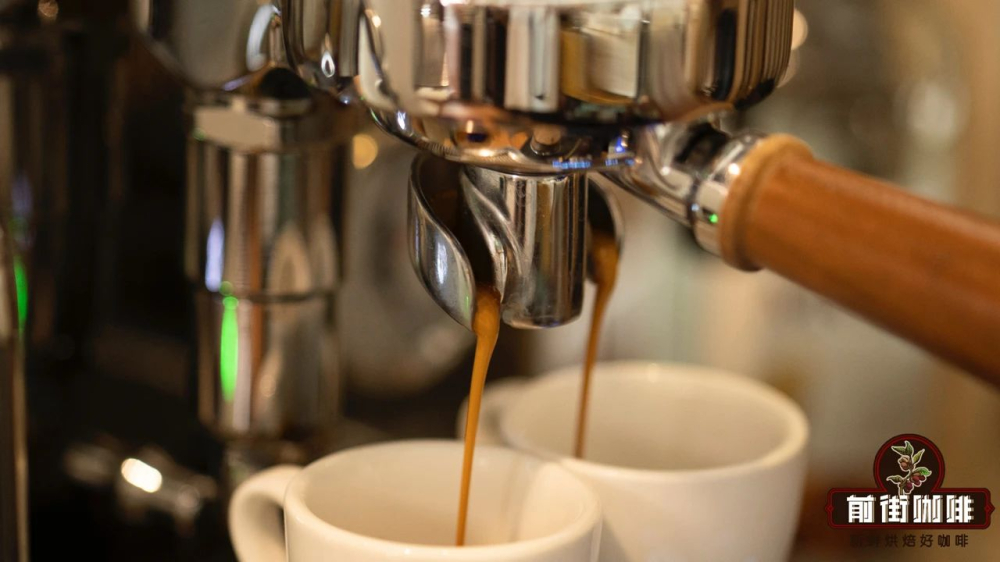
If you're after rich crema, go for the Front Street Classic Blend and Front Street Commercial Blend. Both espresso blends contain a small amount of Robusta varieties. The Front Street Classic Blend combines Brazil, Mandheling, and Robusta, using a medium-dark roast. During extraction, it releases pronounced aromas of butter, toasted bread, and caramel biscuit, with an intense flavor, a solid body, and delicate crema. Extraction is very stable, making it a must-have home coffee for beginners.
Front Street Specialty Blend Espresso Coffee Beans Flavor: Mild and slightly tart, light sweetness, nutty sweetness in the finish, overall not too pungent, balanced, with medium crema. Blend: Colombia + Brazil
Suitable venues: Office, home, community coffee shops
For this blend, Front Street uses Brazil and Colombia. It has a faint roasted grassy aroma, with a light fragrance and a slight bitterness, smooth and pleasant, with a refreshing finish. This is because coffee beans from Colombia's Huila region have a pleasant acidity, an aromatic fragrance, moderate acidity, and a rich sweetness that is very intriguing, while coffee beans from Brazil's Cerrado region have a comfortable bittersweet taste and an extremely smooth entry. The combination is simply superb.
Front Street Commercial Blend Espresso Coffee Beans Flavor: Caramel sweetness, nutty and cocoa notes, dark chocolate flavors, balanced acidity and sweetness, with a slight bittersweetness and a lingering finish. Blend: Colombia + Brazil + Robusta
Suitable venues: Chain or independent coffee shops, home espresso machines
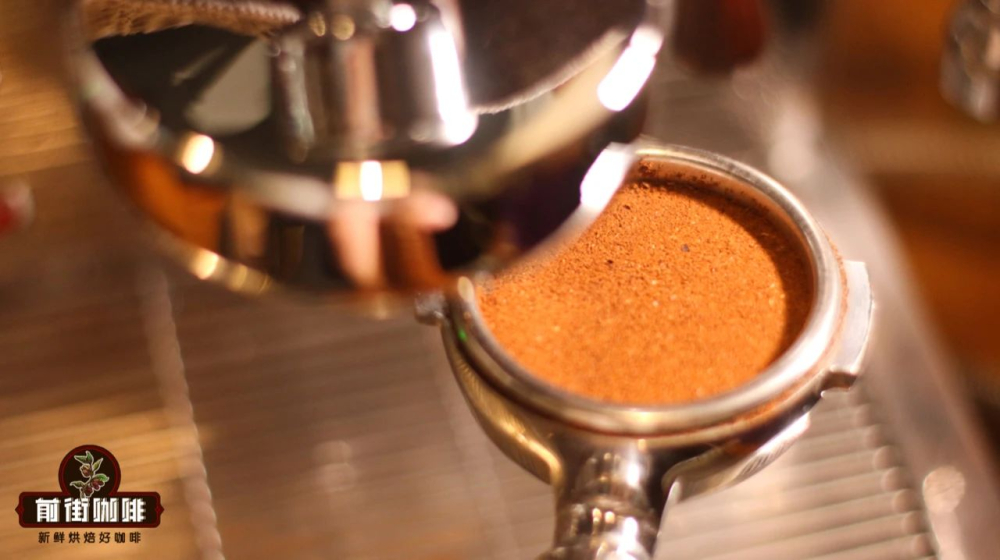
For this blend, Front Street uses Brazilian and Colombian coffee beans with 10% Robusta coffee beans. The taste is classic. Front Street believes this blend has a rich crema and mouthfeel with caramel sweetness, along with nutty and cocoa notes, dark chocolate flavors, balanced acidity and sweetness, a slight bittersweetness, and a lingering finish. This commercial blend, like Front Street Coffee's Specialty Blend, uses a mix of Colombian and Brazilian coffee beans. The difference is the addition of Robusta, which provides rich crema and makes the coffee even more full-bodied.
The Espresso Moka Pot Coffee Beans Recommended by Many Baristas—Front Street Dark Cocoa Blend Espresso Coffee Beans Flavor: With mild fruit acidity, caramel sweetness, nutty and dark chocolate flavors, smooth and viscous, but the taste is on the lighter side. Blend: Yunnan + Brazil
Suitable venues: Home, office, all coffee shops
For this blend, Front Street uses Brazil and Yunnan. Front Street believes it has mild fruit acidity and caramel sweetness, along with nutty and dark chocolate flavors, smooth and viscous, but the taste is on the lighter side. This is because Yunnan's natural conditions are very similar to Colombia's—high altitude, large temperature difference between day and night—with a mellow flavor profile, moderate acidity, rich and full-bodied taste, uniform bean size, high oil content, and fruity notes. Its quality and mouthfeel are similar to Colombian coffee, though the flavor is slightly lighter than Colombia's. Meanwhile, coffee beans from Brazil's Cerrado region have a comfortable bittersweet taste and an extremely smooth entry. Therefore, mixing these two coffees produces a nice flavor as well. Moreover, this espresso moka pot coffee bean recommended by many baristas—Front Street Dark Cocoa Blend—offers excellent value for money and is suitable for espresso beginners and small coffee shops.
Milk-to-Coffee Ratio in Italian Coffee
As Front Street mentioned above, the Italian coffees commonly seen on the market are all made with espresso and milk in different ratios. So what exactly should the ratio of espresso to milk be to perfectly combine into a milk coffee? Next, Front Street will use making a mocha as an example to explain.
Latte Recipe Ratio
The latte recipe Front Street uses is 1:6, meaning 40g of espresso mixed with 240g of steamed milk.
The espresso extraction recipe Front Street uses is 20g of coffee grounds extracted in 27 seconds to yield 40g of espresso liquid, as the base for a latte.
Next is steaming the milk. First, we need a steam wand—most semi-automatic espresso machines come with one. Second, we need a container for the milk, such as a milk pitcher or latte art pitcher (professional tools make the job twice as effective).
Finally, the choice of milk: whether it's shelf-stable or chilled milk, whole milk or skim milk, all can be steamed into foam. But if you want better texture, flavor, and stability in the milk, Front Street still recommends using refrigerated whole fresh milk.
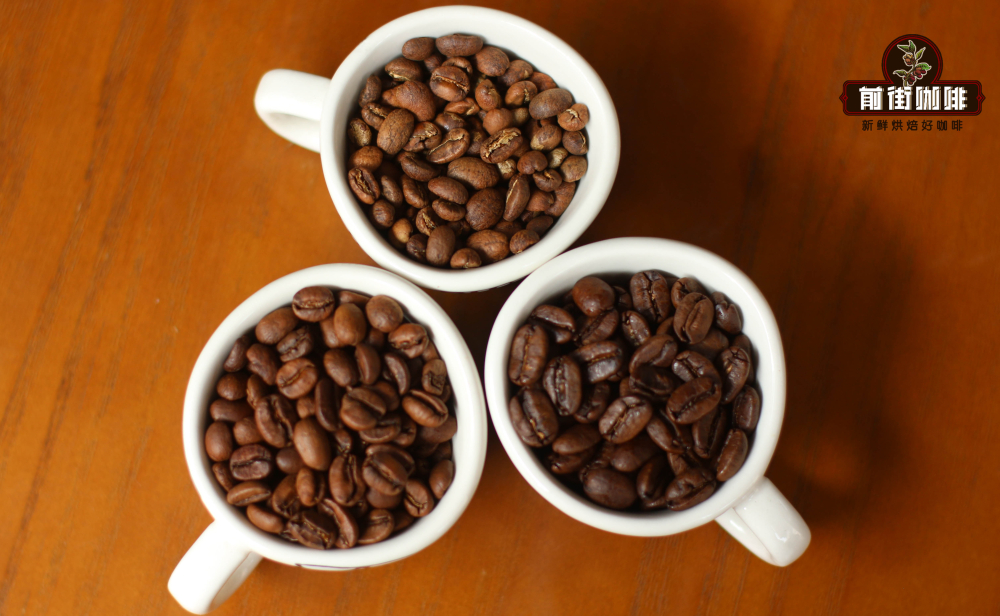
Next is the pour and latte art. Once the espresso is extracted and the milk is steamed, you can proceed with the pour to complete the latte. The pour is also a very important part of making a latte—a good pour makes the latte smooth and pleasant to drink, with no off-flavors. A good pour is what we call latte art. And the latte is complete.
Front Street Recipe Latte Flavor: Smooth mouthfeel, lasting chocolate flavor, with a pleasant hint of alcohol, a lingering finish, and noticeable sweetness.
The above is Front Street Coffee's compilation of content related to how to extract espresso. We hope it helps coffee enthusiasts who want to learn about this topic, so that they can also make milk coffees they're satisfied with in the future.
The above content is compiled by CoffeeHunters, a coffee news website.


