







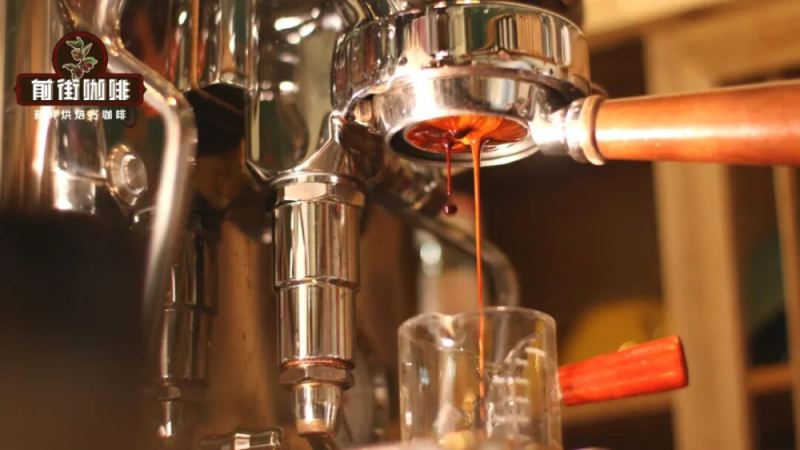
Does Your Coffee Machine Need the First Shot Discarded?
Cafés often pour out the first espresso pulled after startup because that shot is not up to standard. Leftover cleaning powder, grounds held in the group overnight, and machine parameters that have not stabilized all affect the cup. For home users making one or two drinks a day, the same logic only partly applies, and the first shot can often be kept.
Daily coffee maintenance drives the practice. After closing, baristas backflush the group with cleaning powder, and traces can remain in the brew path. Overnight grounds and cold metal also shift extraction. Shops then taste a black shot and a latte to set the day's plan, so a home user pulling one or two shots can usually drink them.
Many coffee enthusiasts have noticed that after turning on the machine, coffee shops often discard the first espresso shot they extract before starting normal service. Behind this seemingly wasteful act are actually multiple considerations, including residual cleaning powder, overnight coffee grounds, and machine parameters that have not yet stabilized. But for home users who only make one or two cups a day, is it really necessary to copy this practice? Starting from the actual operating habits of Front Street stores, this article systematically sorts out the reasons why the first espresso shot is discarded, and gives specific advice for home scenarios on whether it needs to be poured out, how to properly handle residual grounds, and how to effectively preheat the coffee machine after deep cleaning, helping you ensure stable flavor in every cup while reducing waste.
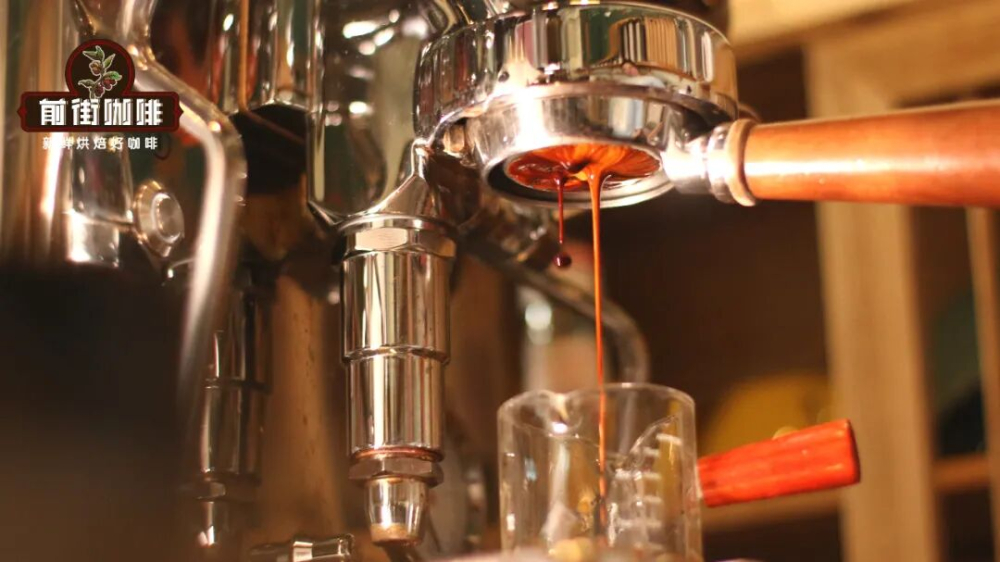
Have you ever noticed a scene like this: after the barista starts the machine in the morning, the first espresso shot extracted is not drunk, but poured directly into the sink, and then the next shot is extracted. Some customers become curious about the reason when they see this. If you are making coffee at home yourself, do you also need to handle it this way?
Why should the first espresso shot be poured out?
Take the practice at Front Street stores as an example. Before official service, a key debugging process must be completed, which includes two steps. First, extract an espresso shot and discard it directly. Then, by tasting the espresso (black coffee) and latte, fine-tune the parameters to determine the day's extraction plan, which directly determines whether the coffee served throughout the day is ideal. The core reason the first espresso shot is discarded is that it is "not up to standard."
Residue of cleaning powder
Generally speaking, the espresso machines used by coffee shops are not cheap. If maintenance and care are consistently done well, the equipment can last quite a long time, and daily cleaning is an important part of extending the machine's lifespan. After closing every day, baristas give the coffee machine a relatively thorough cleaning. In addition to wiping away stains, they also use special cleaning powder to remove grime accumulated inside the brewing head.
Although the vast majority of the powder dissolves or is washed away with hot water, a tiny amount of cleaning powder may still remain in the crevices of the brewing head. To keep these particles from interfering with the coffee's flavor, and also for health considerations, the first espresso shot after startup is usually poured out directly.
Overnight coffee grounds
Compared with other grinding equipment, the internal path of an espresso grinder is longer, which makes it easier for coffee grounds from the previous grinding session to remain in the path overnight. As Front Street has repeatedly mentioned, once coffee beans are ground into powder, their aroma and carbon dioxide are lost at an accelerated rate over time. By the next day, this residual powder has not only lost its aroma, but also changes the final flow rate because the carbon dioxide has escaped. Therefore, the espresso extracted with it has little reference value.
The coffee machine's parameters are unstable
As is well known, water temperature and pressure are key parameters when extracting espresso. After the barista turns on the machine, these two values take about ten to twenty minutes to reach the set standards, but in fact, during the early stage after startup, parameters such as water temperature and pressure have not yet entered a stable state. Coffee made at this time is prone to under-extraction or over-extraction. For example, when the actual water temperature is low, the espresso shows sharp acidity and weak aroma. Going through one complete extraction process just happens to allow the coffee machine to complete its official startup.
Based on the above points, the barista's "wasteful behavior" of pouring out the first espresso shot after startup is mostly to make the coffee served daily in the shop taste better and more stable. But for home coffee users, the situation is different.
Is it necessary to pour out the first espresso shot when making coffee at home?
You should know that the vast majority of home users who own espresso machines usually make only 1 to 2 cups of coffee a day because their output is small, so they do not frequently adjust the grind, let alone perform deep cleaning as frequently as coffee shops do. Under this premise, deliberately grinding a dose and making an espresso shot only to pour it out after startup is undoubtedly "extremely wasteful," and most people would be reluctant to do so. Therefore, for home coffee enthusiasts, Front Street's view is:
1. Some friends are used to weighing the coffee beans first and then grinding them, grinding only as much as needed. The biggest advantage of this method is that residual powder does not easily accumulate, so there is no need to purge grounds. For friends who store coffee beans in the hopper for a long time, the overnight coffee powder left in the path has already changed and will affect the taste of the first cup. Front Street still recommends discarding it, that is, grinding and throwing away 5 to 8 g before receiving the powder.
2. If cleaning powder was not used the day before, then naturally there is no need to deliberately use an espresso shot to "rinse"; but if the coffee machine has already been deep cleaned, then you can handle it flexibly, using a smaller dose (such as 12 g to 15 g), tamping it firmly, and pulling one espresso shot to "force out" the cleaning powder hidden in the crevices of the brewing head.
3. After the coffee machine reaches the preset temperature, do not rush to make coffee. Wait another 5 to 10 minutes to let the internal temperature rise completely. Then, attach the portafilter directly to the brewing head and run hot water without coffee for about 6 to 8 seconds, repeating 4 to 5 times. This allows the machine to reach full preheating.
- END -
The above content is compiled by CoffeeHunters, a coffee news website.


