







For more information on coffee origins and coffee knowledge, please followCoffeeHuntersToutiao account
Coffee lovers who regularly drink espresso-based milk coffee know that making a milk coffee requires pairing espresso with milk. Common drinks at Front Street Coffee, such as lattes, cappuccinos, and mochas, are all made with different ratios of espresso and milk. Some require one shot of espresso, while others require two. So how many milliliters is one shot of espresso? What is the difference between a double shot and a single shot? Front Street Coffee will answer these questions one by one in this article.
The difference between single shot and double shot espresso
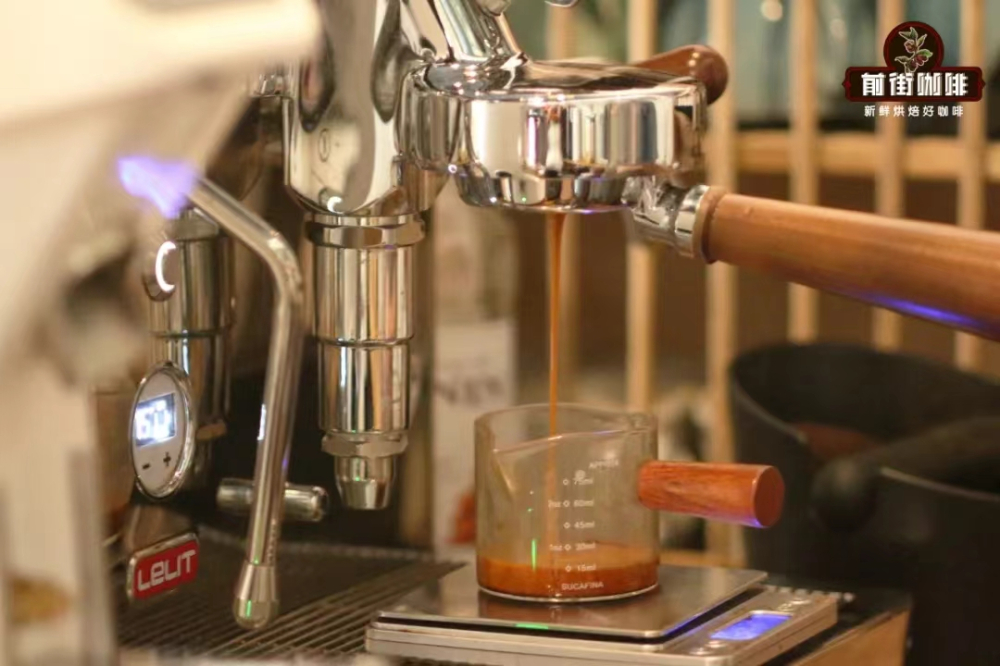
First, Front Street Coffee will explain the difference between a single shot and a double shot. Based on Italians' coffee-making habits, one shot of espresso means 1 shot, referring to extracting 1 ounce of espresso from 7-9g of coffee grounds. A double shot of espresso means double espresso, which uses 14-18g of coffee grounds to extract 2 ounces of espresso.
So how many milliliters are in one shot of espresso?
As mentioned earlier, a shot glass refers to a cup of about 1 ounce in size, which is about 30ml in capacity. So one shot actually refers to about one cup of 30ml of espresso liquid.
Coffee shops today generally use double filter baskets as the standard output. Single filter baskets have almost disappeared. The ratio for extracting espresso is also constantly shrinking. For example, previously one unit of espresso was 7g of grounds extracting 30ml of coffee liquid, but now one unit of espresso is 16g of grounds extracting 32g (about 45ml) of coffee liquid.

So now a puck is generally called 1 shot, which depends on how much coffee powder the shop uses. For example, Front Street's 1 shot (1 serving of espresso) is 40g of liquid weight.
Latte coffee recipe ratio

Front Street uses a Lelit espresso machine, with extraction parameters as follows:
Pressure: 9 bar
Temperature: 94 degrees
Time: 30 sec
Coffee-to-liquid ratio: 1:2
Dose: 20g
Extracted espresso amount: 40g
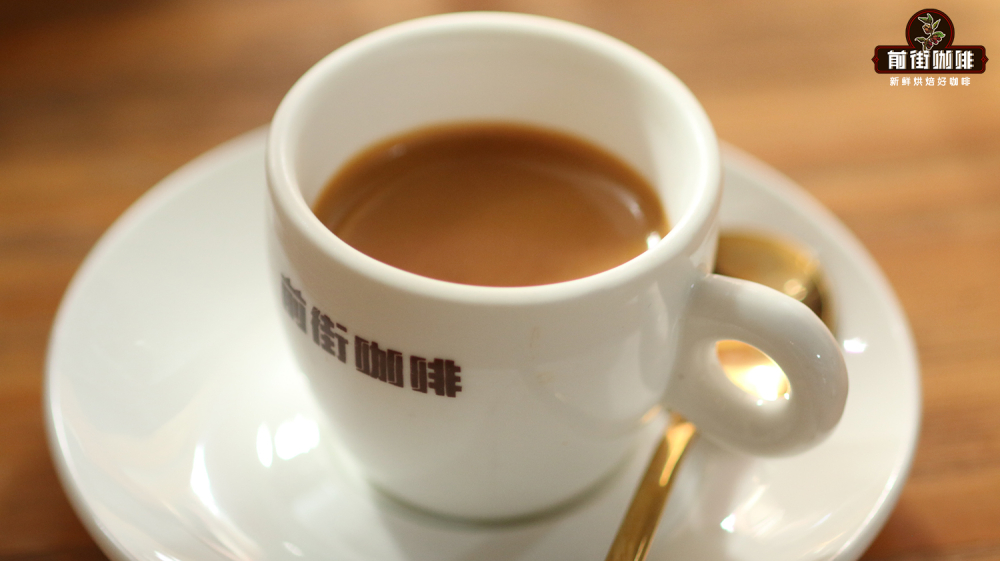
Front Street uses a double shot of espresso to make lattes, using Front Street Sunflower Warm Sun espresso blend coffee beans. The flavor performance after extraction is: obvious fruit acidity, a faint berry aroma lingering, rich wine and chocolate flavors, and a comfortable sweet aftertaste.

Milk: whole fresh milk (Front Street uses Vitasoy fresh milk)
Milk steaming temperature: 50-60 degrees Celsius (too low a temperature cannot stimulate the lactose in milk, too high a temperature will destroy the protein in milk, creating a grainy texture)
Milk foam thickness: 1 cm (milk foam thinner than 1 cm is for making flat white coffee, milk foam thicker than 1 cm is for making cappuccino)

Recommended hot latte ratio
Front Street recommends a coffee-to-milk ratio of 1:6 for making lattes, 40ml espresso: 240ml hot milk. By swirling to fully integrate the milk and espresso, you get a cup of hot latte. Fresh milk heated produces lactose sweetness molecules that are better released. After mixing evenly with espresso, the entire latte naturally has the sweet taste of milk without overpowering the espresso. Instead, against the backdrop of milk, it better reflects the flavor of the espresso. Front Street's hot latte flavor performance is: whiskey aroma, lactose and coffee acidity colliding to create a milkshake-like sweetness, with a hazelnut and nutty aftertaste.
From the above, it can be seen that the espresso needed to make a latte at Front Street Coffee is a double shot, which is 40ml, while a single shot is 20ml. The coffee-to-water ratio is about 1:2. This is mainly related to the characteristics of the espresso machine, because the parameters of each espresso machine are different.
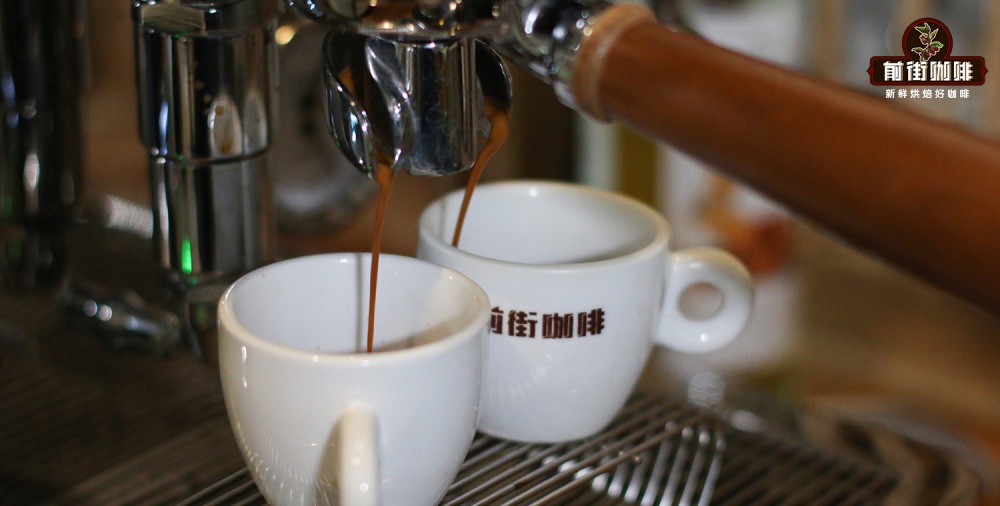
The above is Front Street Coffee's compilation of answers regarding how many milliliters are in one shot of espresso and the difference between double and single shots of espresso.
So what coffee beans are used to make espresso?
In addition, the coffee beans used by espresso machines are also different from those used for regular pour-over coffee, because espresso machines have a characteristic of amplifying the original flavor of coffee beans. Therefore,single-origin coffeeis not suitable for making espresso, otherwise the flavor would be very difficult to guarantee. Espresso blends combine coffee beans from different origins and different varieties. Generally, blending two or three types of coffee beans is more common. The purpose of blending is obvious: to gather the flavors of different coffee beans together, presenting a brand new flavor to achieve a more balanced effect, while also serving as the shop's signature.

For example, if one coffee bean is smooth but lacks aroma, another aromatic bean can be added to enhance strengths and avoid weaknesses, complementing each other to improve defects. Another purpose of espresso blends is to reduce costs. Traditional espresso blends mix in Robusta variety coffee beans, because Robusta coffee beans have a mellow flavor. Although their cupping score cannot reach that of single-origin coffee, when paired with single-origin coffee, they can provide richer and thicker crema for espresso, and as a base for milk coffee, they can provide a thick and smooth mouthfeel.
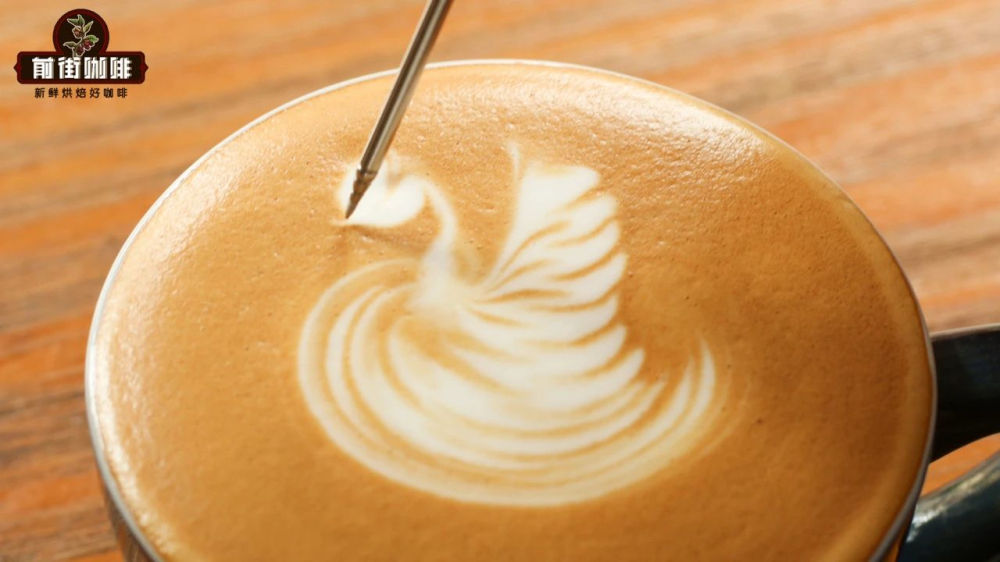
This is also one of the reasons why espresso is so loved by coffee fans. Because coffee fruit is always an agricultural product, the flavor of coffee fruit is unstable each year due to climate and environmental issues. It might be sweeter this year and less sweet next year. Blending several coffee beans together can solve this problem well, at least keeping the coffee flavor consistent every year.
For more specialty coffee beans, please add Front Street Coffee's private WeChat, WeChat ID: kaixinguoguo0925
The above content is compiled by CoffeeHunters, a coffee news website.


