







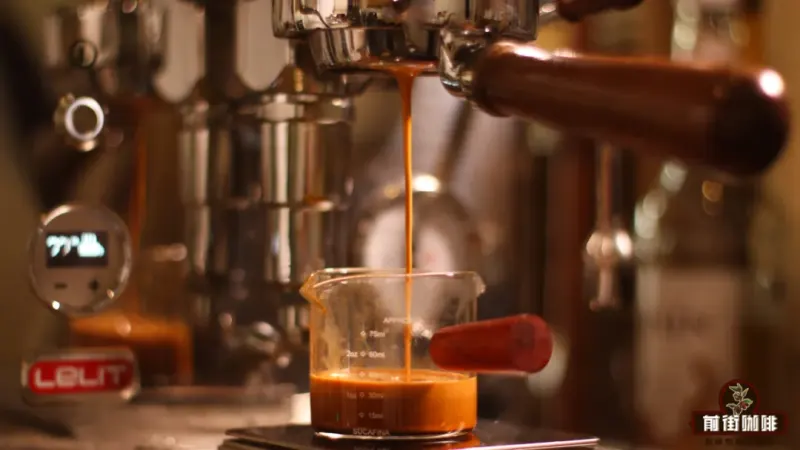
How Do Espresso Coffee Beans Affect Dialing In?
Dialing in espresso can burn through a bag of beans when small variables are ignored. Three details speed up calibration: keeping the hopper at least six-tenths full so bean weight keeps feed steady during grinding, recognizing and clearing a clogged grinder, and adjusting dose or yield in small steps instead of only changing the grind. With these habits, a good extraction is often reachable within three shots.
The logic behind the three-shot method matters, but real brewing throws up variables that distort judgment. Hopper fill level is one: too few beans let them jump and grind inconsistently. Clogs in the grinder channel are another. Beyond changing coffee grind level, nudging dose or yield gives finer control and wastes fewer espresso coffee beans while the recipe is refined.
Every barista hopes to quickly dial in espresso to the ideal state when opening up, and the "three-shot dialing method" is precisely an efficient approach based on the underlying logic of extraction. However, merely understanding the principles of extraction is not enough; in actual practice, there are often easily overlooked details that affect judgment, leading to the consumption of a large amount of coffee beans just to calibrate. In this article, Front Street will share three key points to note: the impact of bean hopper fill level on grinding stability, the identification and handling of grinder channel blockage, and how to make fine adjustments through dose or yield besides adjusting the grind. Mastering these details, combined with a correct understanding of extraction, will make it easier to dial in espresso within three shots.



Every barista knows that to serve customers an excellent espresso, calibration before opening each day is essential. Generally speaking, as long as we truly understand the underlying logic of extraction, we have a chance to complete espresso dialing within three shots. Front Street has previously written articles about the "three-shot dialing method"; those who want to learn more can search Front Street's historical content.
However, sometimes merely understanding the principles of extraction is far from enough, because unexpected situations always arise during actual brewing and interfere with extraction, making it difficult for you to make accurate judgments. This is also why many friends, despite having some understanding of extraction, still need to consume half a bag of beans before getting their espresso dialed in.
Therefore, today Front Street will discuss what other issues are worth paying attention to during dialing, besides the principles of extraction.
I. The amount of beans in the hopper
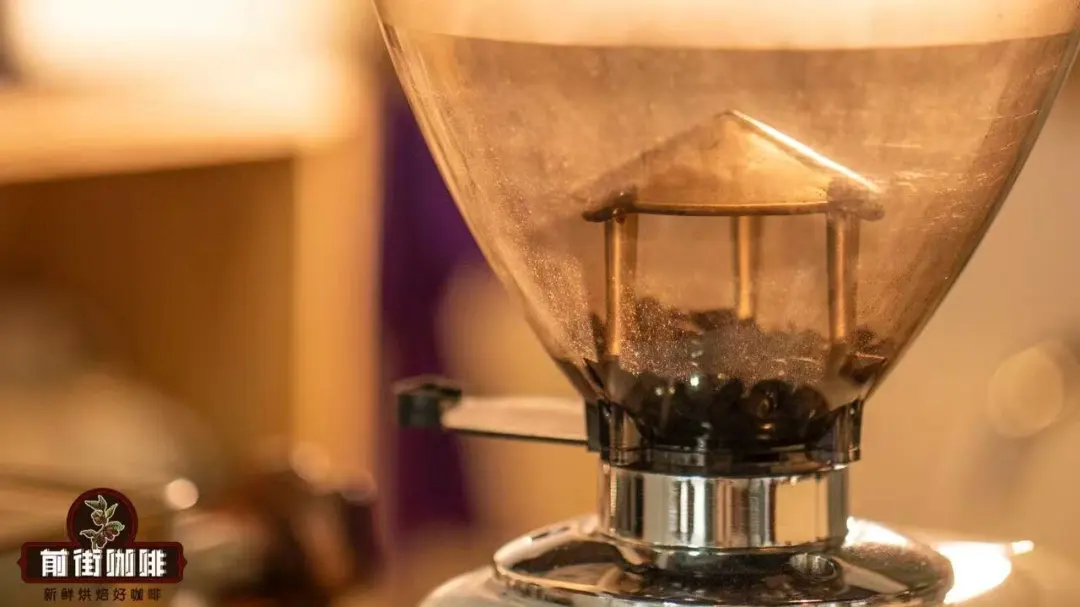
The first thing to pay attention to is the amount of beans in the grinder's hopper. Before starting to dial in, baristas typically fill the hopper with coffee beans, keeping it at least six-tenths full. This ensures not only sufficient beans for subsequent consumption but also improves grinding stability. The more beans there are, the higher the grinding stability, and vice versa.
The reason is actually quite simple. The grinder's burrs are located directly below the hopper, and the first beans they contact are those at the bottom. When more beans are piled up in the hopper, the pressure on the bottom beans is greater, which prevents the beans from "jumping" around due to squeezing during grinding, thereby achieving a more ideal grinding result.
If there are not enough beans in the hopper, and there is insufficient weight pressing down on the bottom beans, then the bottom beans are prone to "bouncing" under the pressure of the burrs, causing multiple irregular grinds. Not only that, but without sufficient pressure to hold them down, the rate at which beans enter the burrs will also vary, further reducing grinding quality and making particle consistency worse.
So before dialing in, we can first check the hopper and try to keep the bean level above half full. If you don't want to pour that many beans in, that's fine too—you can use other heavy objects to apply pressure instead, and still achieve stable, high-quality grinding.
II. Check whether the grinder channel is blocked
When using darker-roasted coffee beans, or in a relatively dry environment, static electricity is easily generated during grinding, giving coffee grounds an adsorbent quality. This effect causes coffee grounds to stick to the burrs or the discharge chute, which not only hinders the precision of adjusting the grind setting but also reduces grinding quality.
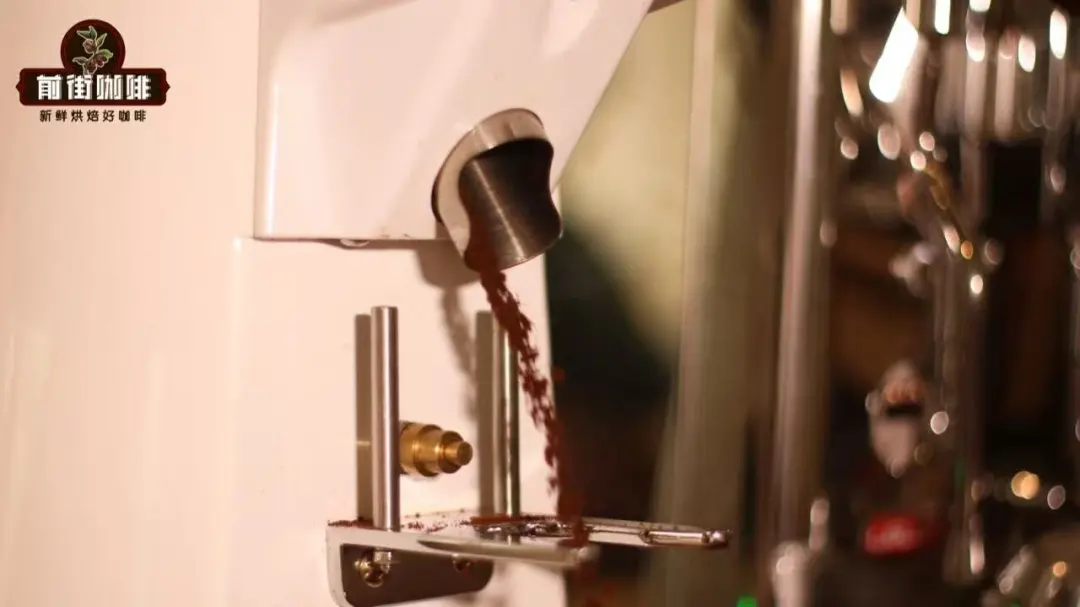
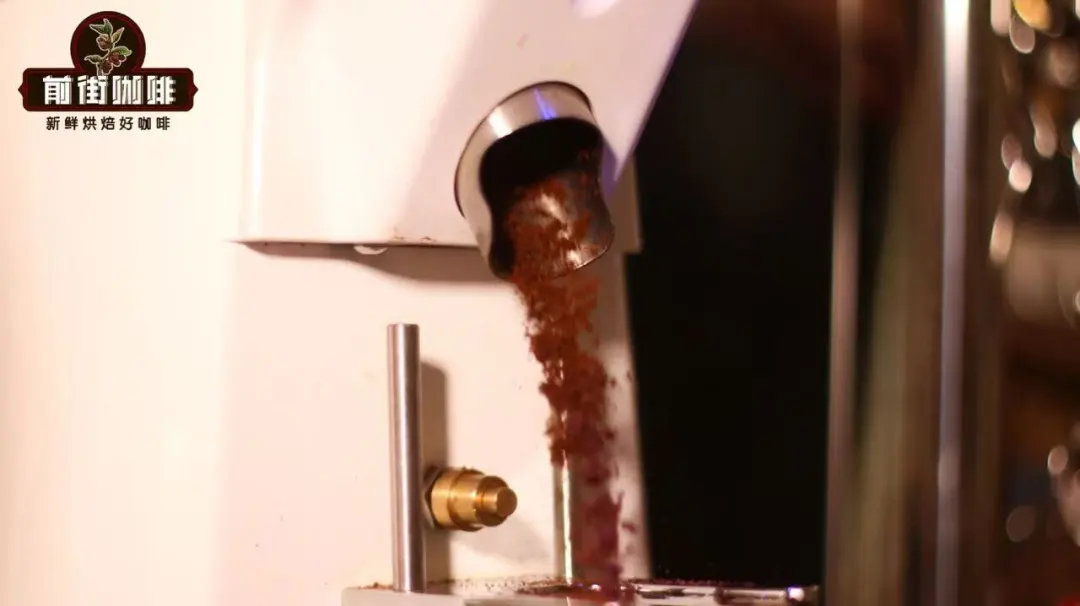
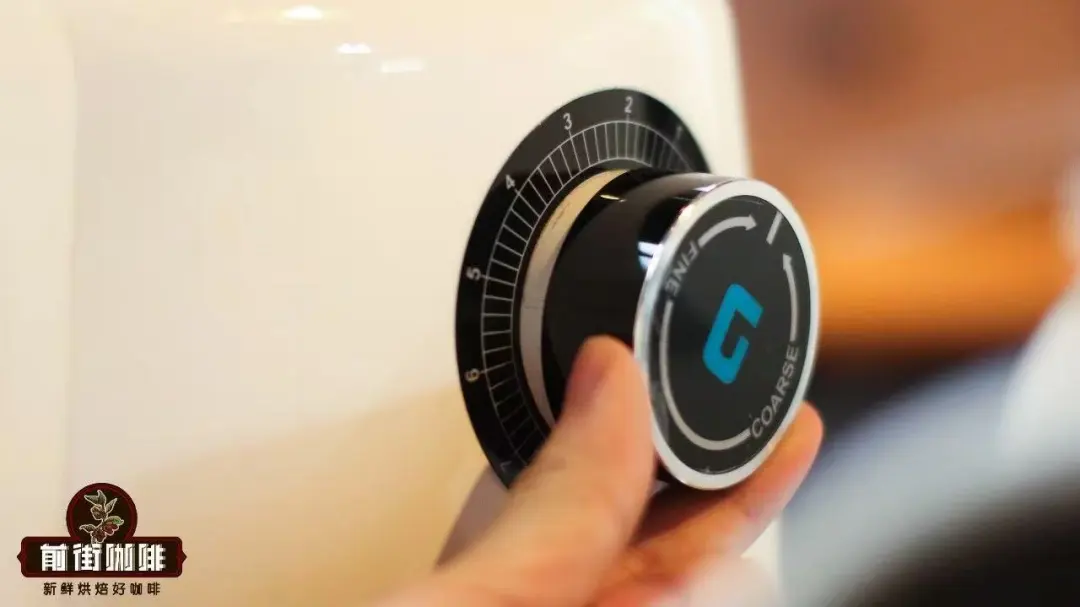
Those who frequently dial in may occasionally encounter this situation: you've clearly turned the grind setting, but the ground coffee's coarseness hasn't changed, or it has actually become coarser and the coffee flow rate has become faster. This is the phenomenon caused by fine powder blockage mentioned above by Front Street, and the impact of the blockage can be clearly seen from the state of the falling grounds.
(Figure 1 shows grounds falling in a normal state; Figure 2 shows grounds falling in a blocked state, with a very scattered falling pattern)
Once you encounter this situation, it's best to first clean the coffee grounds adhering to the burrs and the discharge chute. Otherwise, no matter how many settings you adjust, the ground coffee may still show no change.
III. Don't rely solely on grind adjustment
The last point is not to rely solely on adjusting the grind. Many friends, upon finding the extraction flow rate too fast or too slow, will directly adjust the grind. While this works, both the material cost and time cost are relatively high. Therefore, Front Street recommends that when the extraction time deviates only slightly from the target—say, by just 3–4 seconds—you might as well adjust from other aspects.
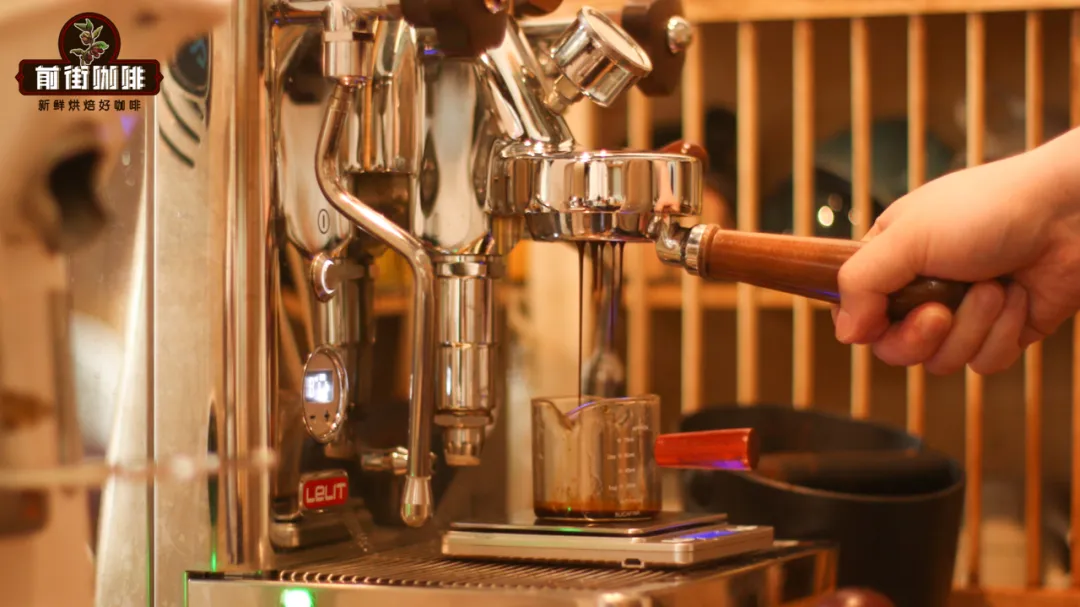
For example: Front Street uses Front Street Dark Cocoa Basic Blend for making espresso. The coffee it produces has rich chocolate, caramel, hazelnut, and cream flavors, with a full body and a strong sweet aftertaste. When extracting this bean, Front Street's set parameters are a 1:2 brew ratio, extracting 40ml of coffee liquid from 20g of grounds, taking about 30 seconds.
But if during initial extraction you find the actual time is 26 seconds or 34 seconds, deviating somewhat from the target. In this case, we can first taste the espresso to see whether the current extraction result meets requirements.
If it meets expectations, simply using this parameter is perfectly fine. But if it doesn't, and you notice some under-extraction or over-extraction, then you can make fine adjustments by increasing or decreasing the dose or yield.
For example, if you want to extend the extraction time a bit, you can slightly increase the dose used or the yield extracted; conversely, decrease them. This way, you don't have to go through the trouble of adjusting the grind to dial in your espresso. Of course, if the deviation is too large, adjusting the grind setting is still the most appropriate approach.
The above are some small details to note when dialing in. Combined with your understanding of extraction, Front Street believes you too can easily dial in espresso within three shots~
- END -
The above content is compiled by CoffeeHunters, a coffee news website.


