







How do you make an Americano and the rest of the espresso family?
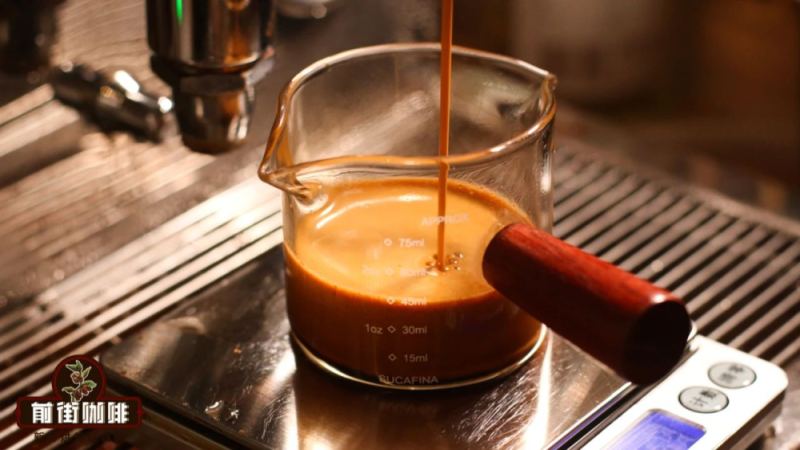
To make an Americano, pull a normal espresso shot of roughly 25 to 30 milliliters, using 18 to 20 grams of grounds at about 90 to 92°C and nine atmospheres within 20 to 30 seconds, then add hot water. The espresso family also includes Ristretto, Lungo, Doppio and milk drinks such as Cappuccino, Latte, Flat White, Macchiato, Cortado and Affogato.
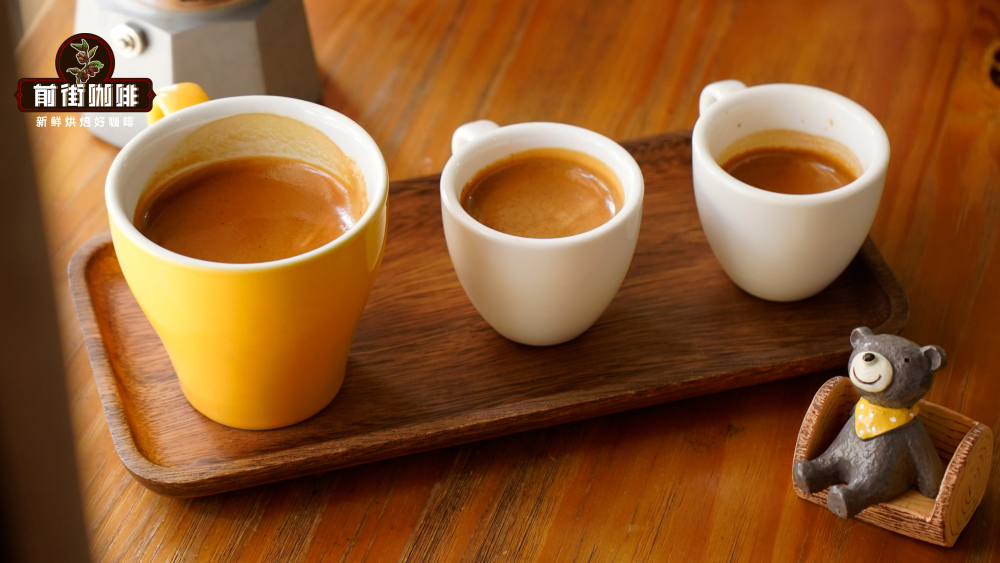
Each sibling changes one variable. Ristretto keeps the dose and time but grinds finer and yields about half the liquid. Lungo lengthens extraction for a larger volume. A long black is built by pouring espresso over hot water rather than adding water afterward, which preserves more crema. The same beans work across all of them.
Espresso is the foundation and soul of countless coffee drinks, and almost any bean type and roast level can be used to make it. However, surrounding Espresso are a whole family of "siblings" such as Ristretto, Lungo, Doppio, and Americano, along with milk coffee and dessert variations like Cappuccino, Latte, Flat White, Macchiato, Cortado, and Affogato, whose differences often leave people confused. This article systematically sorts out the definitions, extraction parameters, and flavor characteristics of ten common espresso drinks, and includes step-by-step methods for the Cappuccino family and other classic styles, helping coffee lovers clarify the full picture of espresso coffee at once. Front Street Coffee will also recommend suitable beans and equipment ideas so you can recreate them at home.
Espresso is the base of most Italian-style coffees and the core of this family. No matter what bean type you choose, dark roast or light roast, it can all be used to make Espresso. However, many coffee lovers find that beside Espresso there are quite a few "relatives," such as Ristretto, Lungo, Doppio, and Americano, which are easy to mix up if you are not careful. So what exactly is the difference between them?
THE ESPRESSO FAMILY
1 | Espresso
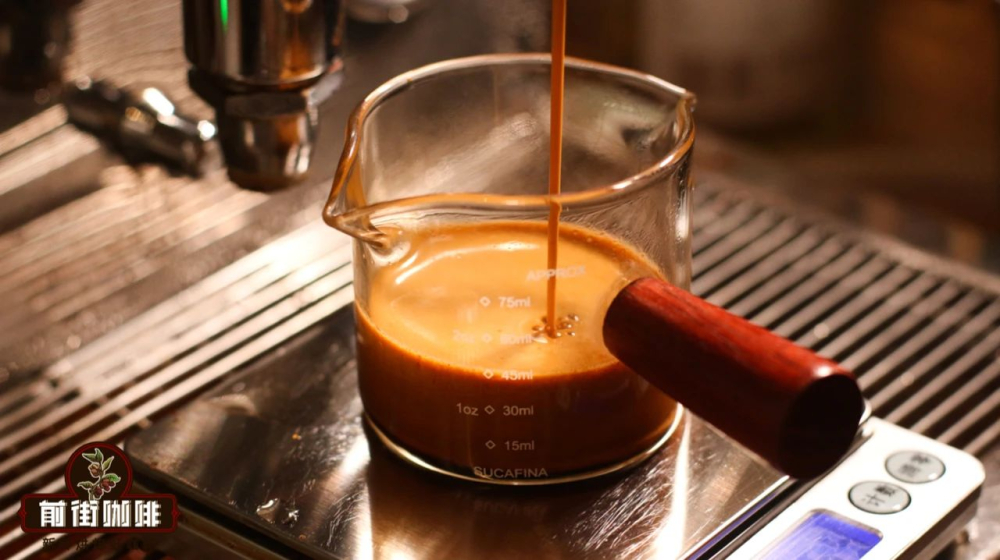
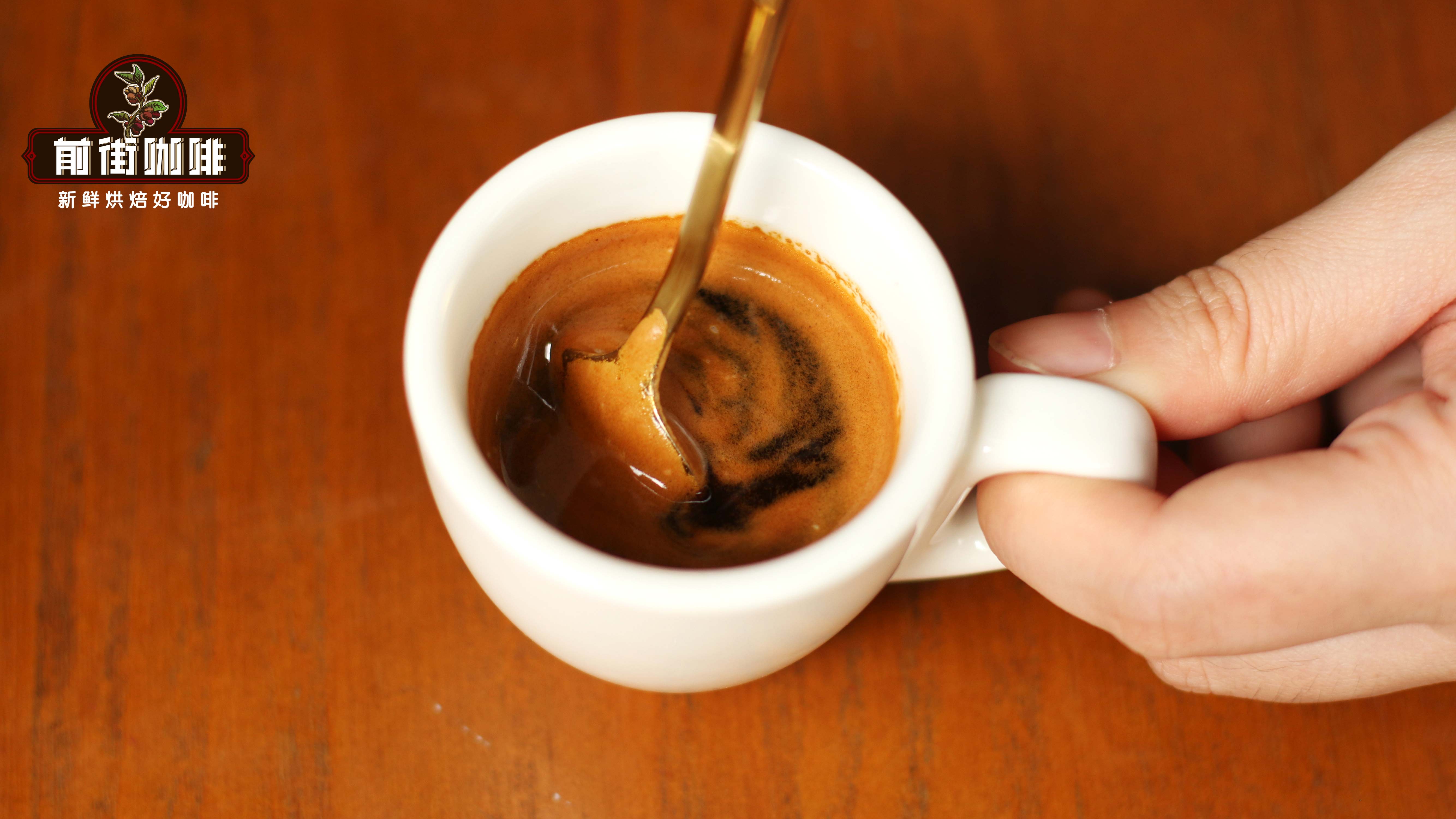
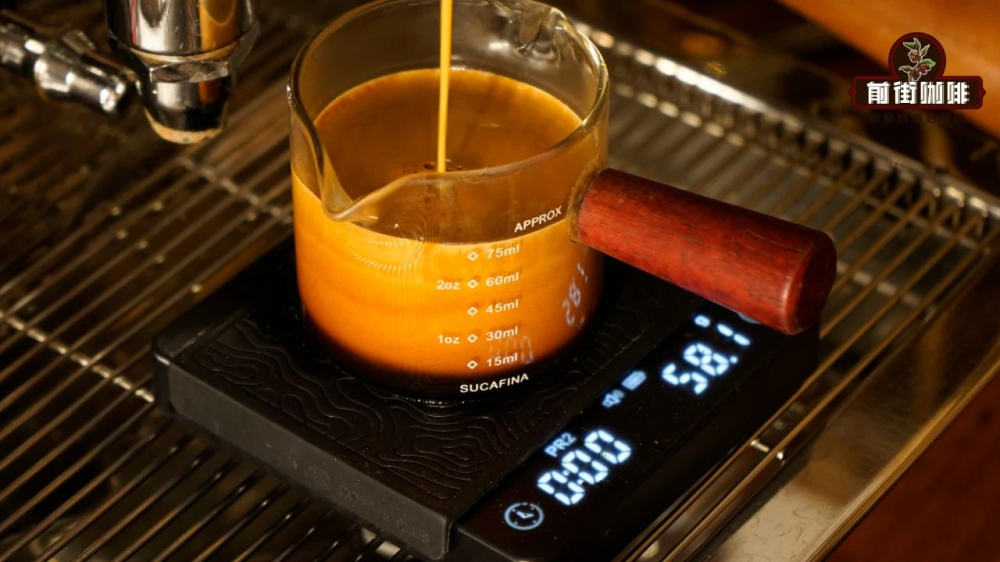
Espresso means "fast" in Italian, and it is completed through short-time, high-pressure extraction. Usually 18 to 20 grams of coffee grounds are used, with a water temperature of about 90 to 92°C, at nine atmospheres of pressure, to obtain about 25 to 30 milliliters of coffee liquid within 20 to 30 seconds. Espresso's ideal drinking window is very short; if left too long, the crema layer will disperse and the mouthfeel will deteriorate accordingly, so Italians often ask customers to finish a shot of espresso within 25 seconds.
2 | Ristretto
For Ristretto, the dose can refer to the method for espresso, the extraction time is almost unchanged, the grind is slightly finer, and the liquid volume is about half that of Espresso, so it can be seen as Espresso's "younger brother." Ristretto has a smaller amount than a standard espresso, and its body and sweet aftertaste will be weaker than Espresso, but it enters the mouth with greater richness and thickness, and its finish is also more explosive.
3 | Lungo
Lungo means "Long" in Italian, that is, lengthened. Because the extraction time is longer than Espresso, it can be called Espresso's "older brother." After lengthening the extraction time, in order to avoid over-extraction, the flow rate needs to be increased, so the coffee is usually ground coarser. Generally speaking, Lungo's extraction time is more than 30 seconds, and the liquid volume is close to 60 milliliters. In professional coffee terminology, compared with Espresso it is a drink that is "lower in concentration but higher in extraction yield," and among Espresso and Ristretto it is also the cup with the richest crema.
4 | Doppio
Doppio means "Double" in Italian, that is, double, referring to a double shot of espresso, which is what we commonly call double espresso.
5 | Americano
Americano originated during World War II. When American soldiers were marching in Europe, they were not used to drinking Espresso and found it too strong, so they added hot water, and thus Americano was born. It can be regarded as Espresso's distant relative. The usual way to make Americano is to pour hot water into Espresso, which disperses the protective Crema layer, so the coffee flavor is lighter.
6 | Long Black
The last distant relative comes from Australia and New Zealand. Long Black, like Americano, adds water to espresso, but the method is different. Americano pours water directly into Espresso, while Long Black pours Espresso into water. In addition to preserving the Crema, the ratio of water to Espresso is also maintained at 2 to 1, so Long Black's flavor is stronger than Americano's.
Although a cup of espresso is also extracted in the same pressure-based way, simply changing the grind size and extraction time can produce coffee with completely different flavors and mouthfeels. One cannot help but be amazed by coffee's diversity.
THE CAPPUCCINO FAMILY
Among coffee drinks paired with milk, the most representative is Cappuccino. It has the smooth texture of milk while retaining coffee's complex aroma, and variation versions of Cappuccino (with caramel, chocolate, etc.) make it more approachable.
The name Cappuccino comes from Italy. It is said that this is because the color of the coffee resembled the cloak of the Franciscan friar Marco d'Aviano, who made the first cup of Cappuccino in 1683.
1. Take a coffee cup and extract a standard single shot of espresso (15-45 ml).
2. Use a 300 ml stainless steel pitcher to steam 150 ml of milk into foam. Compared with other members of the family, Cappuccino's milk foam is the thickest and slightly coarser.
3. Pour the milk into the espresso and it is done.
Flat White
Flat White originated in Australia and New Zealand, also known as Australian-style white coffee. It is a Cappuccino with thinner milk foam, usually made with a double shot of espresso, and has a richer coffee flavor.
1. Take a coffee cup and extract a double shot of espresso.
2. Use a 300 ml stainless steel pitcher to steam 150 ml of milk into foam. Compared with Cappuccino's milk foam, Flat White has less foam; adjust the position of the steam wand so as to create a finer, denser foam texture with less airiness.
3. Pour the milk into the espresso and it is done.
Babyccino
Babyccino contains no coffee, only milk foam and milk, and is mainly for children to drink. It originated in Australia and New Zealand in the 1990s, because customers would bring their children to cafes, and thus this drink came into being.
1. Use a 300 ml stainless steel pitcher to steam 150 ml of milk into foam (heated to a lower degree than when making Cappuccino).
2. Pour the heated milk into a cup.
3. Sprinkle with cocoa powder and it is done.
Caffè Latte
In Italian it is caffe latte, while in English-speaking countries it is simply called latte. It is similar to Flat White, but the serving is larger and the proportion of milk is also a bit higher.
1. Take a coffee cup and extract a standard single or double shot of espresso.
2. Use a 600 ml stainless steel pitcher to steam 250 ml of milk into foam. Compared with Cappuccino's milk foam, Caffè Latte has less foam; adjust the position of the steam wand so as to create a softer, finer foam texture with less airiness.
3. Pour the milk into the espresso and it is done.
Latte Macchiato
A variation of Caffè Latte, made by pouring espresso into milk foam. It must be served in a large transparent glass so the layers of color can be seen.
1. Use a 600 ml stainless steel pitcher to steam 250-300 ml of milk into foam; adjust the position of the steam wand so as to incorporate more air into the milk foam. Pour the finished milk foam into a glass.
2. Take a small stainless steel pitcher or ceramic coffee cup with a capacity of about 100 ml and extract a single shot of espresso.
3. Slowly pour the espresso into the glass: because the liquids have different densities, you can see the layers change.
Macchiato
Macchiato originally means "stained" in Italian, referring to using a tablespoon of milk foam to color the espresso.
1. Take a handleless glass and extract a single shot of espresso.
2. Use a small-capacity stainless steel pitcher to steam a small amount of milk into foam.
3. Add one to two spoonfuls of milk foam on top of the espresso and it is done.
Cortado
Cortado comes from the Spanish verb cortar, meaning as if milk "cuts into" the espresso. The modern method is to add steamed milk foam, like a small Cappuccino, with a richer coffee flavor (2/3 coffee, 1/3 milk).
1. Take a handleless glass and extract a single shot of espresso.
2. Use a 300 ml stainless steel pitcher to steam a small amount of milk into foam.
3. Pour the milk into the espresso and it is done.
Affogato
Between cold and hot, coffee and dessert, simply put, it is espresso ice cream!
1. Take a coffee cup and scoop one ball of vanilla ice cream into the cup.
2. Directly extract a double shot of espresso using the coffee cup containing the ice cream.
Cafe au Lait
Many people, when young, have probably read how Proust described madeleines, and therefore choose Cafe au Lait as their coffee initiation. Cafe au Lait is to the French what Cappuccino is to Italians: equally classic.
1. Brew 200 ml of drip coffee; a French press is recommended.
2. Heat the milk over low heat in a saucepan; if you have an espresso machine, you can also use the steam wand to heat the milk to about 65°C.
3. Pour the coffee and milk into a bowl at the same time and it is done.
Irish Coffee
The refreshing fruity notes of Irish whiskey blend perfectly with coffee. Add a layer of chilled fresh cream, do not stir, and just drink it like that!
1. Use a French press to brew 100 ml of drip coffee.
2. Add 2 small teaspoons of brown sugar to 40 ml of whiskey, and heat over a water bath until the sugar is completely dissolved.
3. Pour the coffee into a goblet (it is best to rinse the glass with hot water first to avoid cracking from sudden high temperature), then add the whiskey syrup.
4. Lightly whip the liquid fresh cream, and carefully spread the whipped cream on the surface of the coffee using the back of a spoon.
The above content is compiled by CoffeeHunters, a coffee news website.


